Lab Created Aquamarine
Glacier-clear sea blue with the full beryl chemistry of ocean-tumbled naturals, grown in a lab for flawless consistency and ethical.
- Aquamarine's name comes from Latin aqua marina meaning sea water - ancient Romans believed it was sacred to Neptune, god of the sea.
- The largest faceted aquamarine in the world is the Dom Pedro, weighing 10,363 carats and measuring 14 inches tall, displayed at major natural history museums National Museum of Natural History.
- Aquamarine is the same mineral species as emerald - both are beryl (Be3Al2Si6O18). The color difference comes from trace impurities: iron for aquamarine, chromium and vanadium for emerald.
- Natural aquamarine crystals often grow to enormous sizes - multi-kilogram crystals are not unusual, making it one of the few precious gems available in very large sizes at reasonable cost.
- Deep blue Santa Maria aquamarine from the Santa Maria de Itabira mine in Brazil is considered the finest natural aquamarine in the world, commanding significant premiums among collectors.
- March birthstone jewelry buyers on a budget
- Lovers of pale blue gemstones for spring and summer jewelry
- Ethical shoppers who want beryl quality without mining provenance
- Designers needing perfectly matched large stones for suites
- Anyone drawn to the calming, oceanic energy associated with aquamarine
- Collectors seeking natural origin specimens for provenance value (consider natural aquamarine)
- Investment gemstone buyers (consider natural Santa Maria aquamarine)
- Buyers who specifically want collector-grade deep blue (consider natural Santa Maria aquamarine)
What Is Lab Created Aquamarine?
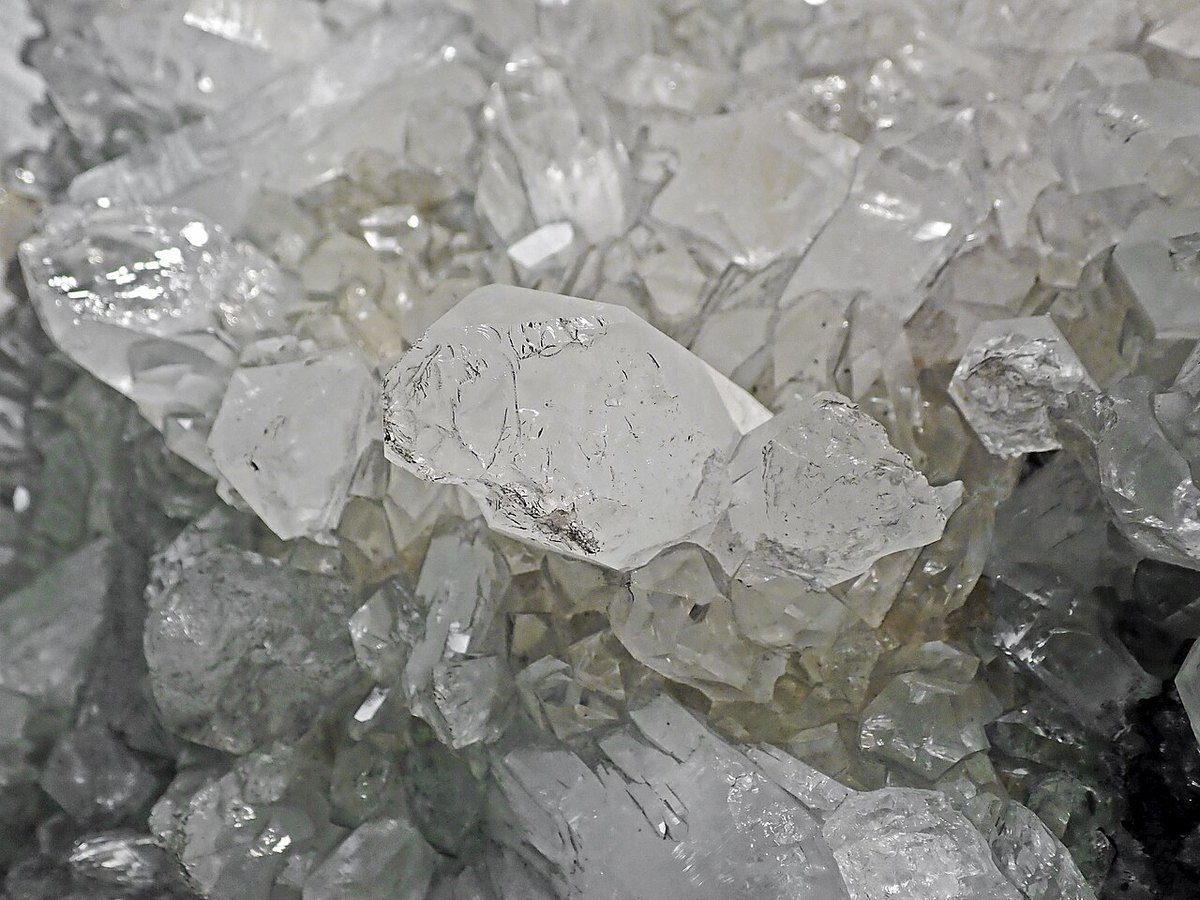
Lab created aquamarine is hydrothermal beryl grown in autoclaves at high temperature and pressure, producing crystals with the identical Be3Al2Si6O18 formula and hexagonal structure as the natural stones found in Brazil, Mozambique, and Madagascar. It rates 7.5-8 on the Mohs hardness scale.
The pale to medium blue color comes from trace iron - specifically Fe2+ ions in the crystal lattice. Both natural and lab aquamarine owe their color to the same mechanism; lab stones simply have more control over iron concentration, delivering consistent color saturation without the variation found in natural rough.
At 7.5-8 Mohs hardness, aquamarine is one of the more durable colored gemstones, well-suited for all jewelry types including daily-wear rings. Lab production eliminates the inclusions common in natural aquamarine and consistently produces eye-clean material at any size.
How Lab Aquamarine Compares
| Property | Lab Aquamarine | Natural Aquamarine | Blue Topaz |
|---|---|---|---|
| Hardness | 7.5-8 | 7.5-8 | 8 |
| Price/ct | $ Budget | $ Budget | $ Budget |
| Clarity | Eye-clean standard | Varies, often included | Usually eye-clean |
| Best For | Fashion, birthstone | Investment, heirloom | Budget blue jewelry |
Meaning and Symbolism
Aquamarine is traditionally associated with the sea, sailors' protection, and the calming power of deep water - metaphysical properties practitioners believe stem from the crystal's iron-blue color resonating with the water element.
Said to be a stone of courage, clarity, and clear communication, aquamarine is traditionally linked to the throat chakra and believed by practitioners to support honest, compassionate expression. Ancient sailors reportedly carried it for safe passage across dangerous waters.
Practitioners believe lab aquamarine carries the same energetic properties as natural, since metaphysical traditions hold that the mineral's composition and color are the primary determinants of its resonance. It is said to soothe anxiety and promote a meditative state of calm awareness.
Historical Timeline
Healing Tradition
Emotional
Aquamarine is said to be a master calming stone, with practitioners believing it reduces stress, quiets mental chatter, and promotes the serene, expansive awareness of gazing across a calm ocean horizon.
It is traditionally associated with courage - not the bold, impulsive kind, but the deep, steady bravery that allows honest communication even in difficult conversations.
Those who work with aquamarine in crystal healing contexts often describe it as supportive during periods of emotional overwhelm, helping them find the eye of the storm within themselves. While these accounts are personal and unverified medically, aquamarine has a long-standing reputation as a companion stone for those navigating emotionally turbulent periods.
Spiritual
Practitioners believe aquamarine connects the heart and throat chakras, facilitating the expression of deep inner truths with compassion and clarity. It is said to be a gateway stone for accessing higher realms of consciousness, particularly in water-element spiritual traditions.
Ancient traditions associated aquamarine with prophetic vision and deep intuition - the ability to perceive what lies beneath the surface of events and relationships. Many crystal workers use it in meditation near bodies of water, believing the stone resonates most strongly when its elemental environment is physically present.
Physical
In crystal healing traditions, aquamarine is said to support throat, thyroid, and lymphatic system health - none of which have scientific support and the stone should never replace medical care.
Practitioners sometimes use it in throat chakra healing layouts, placing it near the base of the throat while focusing on breathing and vocal expression. It is also traditionally associated with eye health and clear vision in some folk medicine traditions.
As with all crystal healing applications, individual experiences vary widely and these practices are best understood as complementary wellness rituals rather than medical treatments.
Zodiac, Birthstone and Gifts
Pisces, the water sign most deeply attuned to emotional currents, resonates profoundly with aquamarine's ocean energy. Practitioners believe it helps Pisces access their natural empathy without being overwhelmed by it, creating a sense of calm discernment.
Aquarius, the visionary humanitarian, is said to find in aquamarine a stone that supports their gift for clear-sighted perspective and authentic self-expression. Gemini's dual nature benefits from aquamarine's traditionally calming influence, helping the Twins center their abundant mental energy into focused, compassionate communication - one of the sign's deepest aspirations.
Care and Cleansing
Aquamarine is fully safe to cleanse in water - immerse briefly in cool, clean water or hold under gently running water while setting a clear intention. Salt water should be used only briefly as extended exposure can affect polish.
Moonlight cleansing is ideal for aquamarine given its water-element association and lunar connection. Leave it on a windowsill under the full moon overnight for what practitioners describe as a thorough, resonant energetic refresh.
Smudging with sage or sweetgrass works well for aquamarine, as does sound cleansing with a singing bowl. Avoid prolonged direct sunlight if preserving color saturation is a priority, though aquamarine is generally stable in moderate sun exposure.
- DO clean aquamarine with warm soapy water and a soft brush - it is safe in ultrasonic cleaners as long as it has no fractures or inclusions.
- DO NOT expose to high heat or open flame; thermal shock can cause fracturing even in durable beryl.
- DO NOT use harsh chemical cleaners - beryllium-bearing minerals should be handled with standard jewelry care caution.
- NOTE aquamarine can fade with prolonged extreme UV exposure; occasional brief sun is fine but avoid leaving it in direct sun for hours.
- DO store separately from very hard gems - while aquamarine is durable, diamonds or corundum can scratch its surface with concentrated contact.
Real vs Fake
Lab aquamarine is genuine beryl - it is not a simulant or fake. The distinction buyers need to make is between actual aquamarine (lab or natural) and glass or synthetic blue spinel sold deceptively as aquamarine.
Test hardness: aquamarine at 7.5-8 Mohs will not be scratched by a steel knife blade (5.5 Mohs) but can be scratched by topaz (8). Glass and most simulants are softer and will scratch easily with a steel tool.
Refractive index of genuine aquamarine (1.577-1.583) can be confirmed with a refractometer. Glass typically reads 1.50-1.52; distinguishing lab from natural aquamarine requires advanced testing.
Blue topaz is the most common aquamarine look-alike sold legitimately under its own name - but dishonest sellers may label it aquamarine. The key difference is topaz has perfect basal cleavage visible as stress planes under magnification.
Natural aquamarine typically shows characteristic inclusions - fine parallel tubes, two-phase inclusions - while lab aquamarine is often eye-clean to flawless. Extreme clarity in a claimed natural stone at low price should prompt verification.
Lab Created Aquamarine Jewelry & Gifts
Lab created aquamarine retails from $10-60 per carat - significantly below natural aquamarine at $30-500+ per carat depending on color depth and origin. A 5-carat lab stone suitable for a pendant costs roughly $50-150, making statement aquamarine jewelry widely accessible.
Color is the primary value driver: the ideal color is a medium, vivid blue - not too pale (watery) and not too dark (inky). Avoid grayish or greenish-toned stones unless you prefer the natural, less-saturated look.
Clarity in lab aquamarine is almost always eye-clean to flawless. If a seller claims lab-grown aquamarine with visible inclusions, it raises production quality questions worth investigating before purchase.
Cut quality affects the appearance of aquamarine's color significantly. Well-cut oval, cushion, and emerald cuts show the best color saturation. Shallow or poorly cut stones appear watery and pale even when the rough had good color.
For March birthstone jewelry, lab aquamarine provides excellent value - the same pale blue color associated with the birthstone at a fraction of fine natural aquamarine prices. Look for certified natural or lab-grown disclosure from any reputable seller.
Where to Buy Lab Created Aquamarine
Affiliate disclosure: Some links below earn us a small commission at no extra cost to you. See our affiliate disclosure page.
Handmade, raw, and tumbled pieces from independent sellers worldwide.
Shop Lab Created Aquamarine on Etsy →Accessories, tools, and specimen sets with fast Prime delivery.
Shop Lab Created Aquamarine on Amazon →Certified loose gemstones graded and photographed for online buyers.
Shop Lab Created Aquamarine on GemSelect →Pairs Well With


Where Lab Created Aquamarine Is Found


