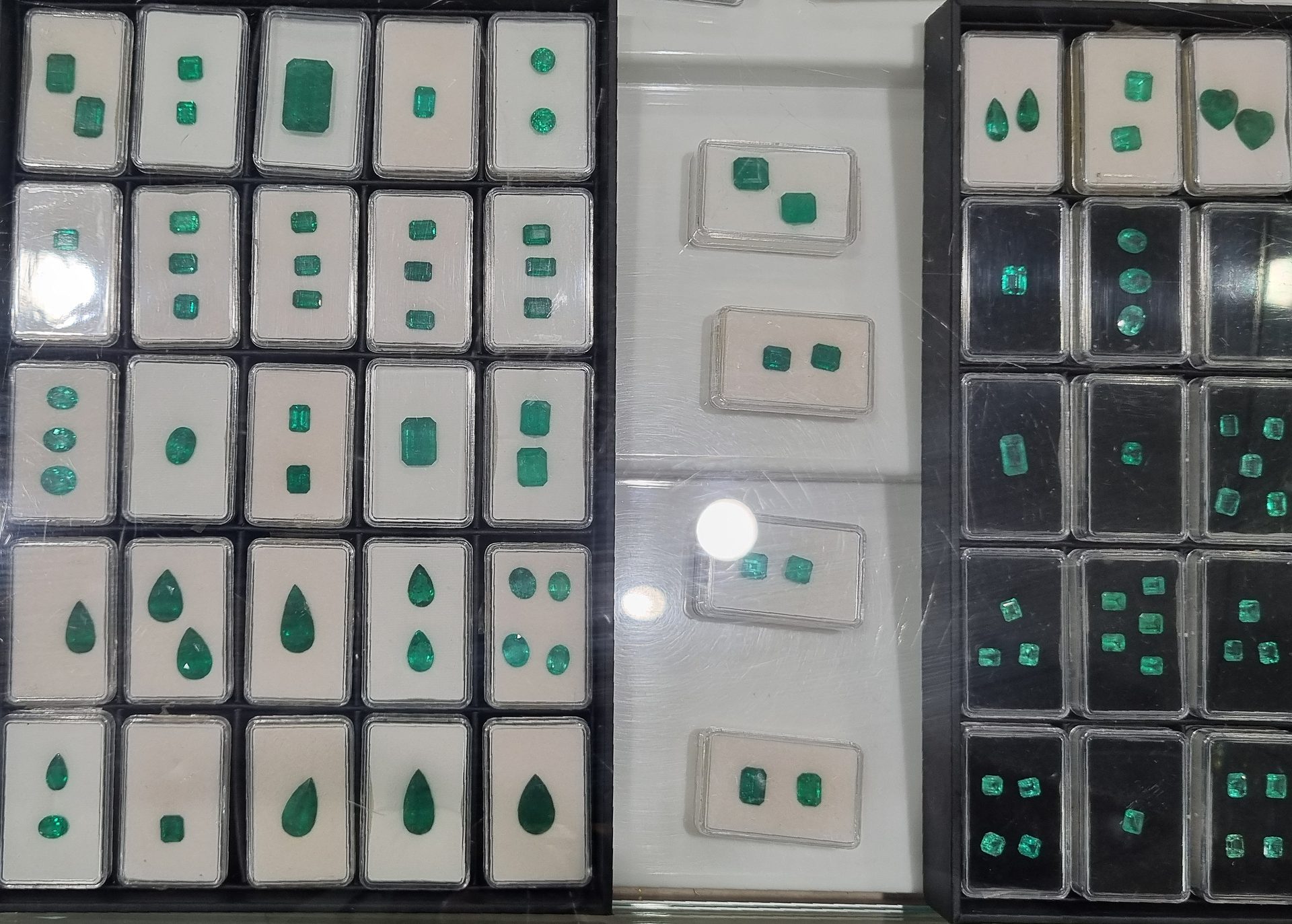
Brazilian Emerald
Brazil's Minas Gerais state yields emeralds that range from vivid medium-green to deep forest tones - a diverse.
- Brazil's Minas Gerais state produces more distinct gemstone species than almost any other geological region on Earth.
- Brazilian emerald at the lighter end of the color scale is sometimes called green beryl by dealers - a classification difference with commercial implications.
- Carnaiba, Bahia is Brazil's most famous emerald district, known for producing large, transparent rough crystals.
- Brazil is also the world's leading producer of aquamarine, morganite, and heliodor - all beryl family members like emerald.
- Some of the among the largest known known natural emerald crystals come from Brazilian deposits, including museum-quality specimens exceeding 1,000 carats.
- May birthday shoppers wanting an authentic emerald birthstone at accessible prices
- Buyers who want a greener-toned (less blue) emerald compared to Zambian material
- Collectors building an origin-diverse emerald collection alongside Colombian and Zambian specimens
- Spiritual practitioners wanting the Heart chakra energy of emerald without top-tier origin premiums
- Jewelry designers who value the range of Brazilian sizes and shapes available at competitive prices
- Buyers wanting the deepest, most saturated color - Colombian or Zambian emerald achieves greater intensity
- Investment-focused buyers - Brazilian emerald commands lower premiums than Colombian or Zambian fine material
- Anyone expecting inclusion-free emerald - natural jardin is universal in all emerald origins
What Is Brazilian Emerald?
Brazilian emerald is chromium and vanadium-colored beryl (Be3Al2Si6O18) mined primarily in the state of Minas Gerais (literally General Mines), one of the world's most gem-rich geological regions. Brazil has produced emeralds since at least the 1920s, when deposits were identified near Nova Era and Itabira.
Today, significant production comes from Carnaiba and Socoto in Bahia state and multiple sites in Minas Gerais.
Brazilian emeralds typically show lighter to medium green tones compared to the deep, saturated colors of Colombian and Zambian material. This does not make them lesser stones - many Brazilian emeralds achieve excellent transparency and larger clean windows than more deeply colored stones from other origins.
The color variation within Brazilian production is also wider, with material ranging from light mint-green to rich forest green depending on the specific deposit and depth of mining.
Brazil is one of the world's most important colored gemstone producers overall, supplying a significant share of global emerald, tourmaline, aquamarine, topaz, and alexandrite. The country's gem expertise runs deep - Jaipur, India's cutting capital for emerald, works heavily with Brazilian rough.
Brazilian emerald occupies an important middle tier in the global market: more affordable than premium Colombian or Zambian origin, yet producing genuine, beautiful, certified natural emeralds across a wide price range.
Brazilian Emerald vs Colombian Emerald vs Zambian Emerald
| Property | Brazilian Emerald | Colombian Emerald | Zambian Emerald |
|---|---|---|---|
| Color | Light to medium green | Warm yellow-green vivid | Deep bluish-green |
| Clarity | Variable, often better | More included typically | Better average clarity |
| Price / carat | $$ Mid-range | $$$ Premium | $$$ Premium |
| Prestige | Good | Highest | High and rising |
| Best For | Accessible quality, large sizes | Prestige, investment | Deep color, collector |
Meaning and Symbolism
Emerald carries one of the most consistent symbolic records of any gemstone - 3,500 years of documented association with Venus, love, fertility, wisdom, and healing across Egyptian, Greek, Roman, Mughal, and Mesoamerican cultures.
Brazilian emerald shares this heritage fully; the mineral is chemically identical to Colombian or Zambian material, and practitioners who work with crystal energy consider origin secondary to the stone's fundamental identity as chromium-colored beryl.
In Vedic astrology, emerald (panna) is the gem of Mercury, governing intellect, memory, analytical thinking, and commercial success. Brazilian emerald, often available in larger, cleaner pieces at accessible prices, enables practitioners to work with substantial specimens for altar placement, meditation grids, and body layouts that would be cost-prohibitive with premium-origin material.
Many crystal practitioners deliberately choose Brazilian material for grid work precisely because its lighter color allows a wider viewing window into the stone.
The Heart chakra association of emerald is universal across healing traditions: the stone is said to open the heart, cultivate compassion, dissolve resentment, and create space for both giving and receiving love.
Brazilian emerald's warmer, lighter green is sometimes described by practitioners as a more approachable, accessible version of this energy - gentler and less intense than deeply saturated Zambian specimens, making it a favored choice for beginners in emerald crystal work.
Historical Timeline
Healing Tradition
Emotional
Practitioners believe Brazilian emerald supports the Heart chakra's capacity for emotional openness and unconditional compassion.
Many who work with this stone in crystal wellness describe its lighter green as particularly well-suited to people who are beginning to open emotionally after a period of closure or pain - a gentler invitation than deeply saturated specimens.
Is said to encourage the steady, patient cultivation of self-love and patience with others. Many practitioners place it on the chest during restorative practices to create a sense of emotional spaciousness.
Spiritual
In crystal healing tradition, all emerald varieties are associated with the Heart chakra and the energy of divine love, abundance, and spiritual vision. Brazilian emerald, with its warm green tones, is said to carry an earthy, grounded quality that connects spiritual love to practical daily life.
Practitioners believe it helps integrate the spiritual aspiration for unconditional love with the messy reality of human relationships. Is said to support the development of genuine empathy - not the performative kind, but the deep recognition of shared humanity that enables real connection.
Physical
While gemstones do not replace medical care, emerald is traditionally linked in Vedic practice to Mercury-governed systems: nervous system, respiratory function, and skin.
Many practitioners use Brazilian emerald in layouts targeting the chest and upper body to support a felt sense of breathing ease and heartful calm.
Is said in multiple traditional healing systems to benefit the eyes - a recurring association across Egyptian, Roman, and Indian sources that practitioners still reference today. All such uses should be understood as complementary spiritual and cultural practice.
Zodiac, Birthstone and Gifts
Emerald is the May birthstone, connecting it to Taurus (April 20 - May 20) and Gemini (May 21 - June 20). Taurus, the Venus-ruled sign of beauty, abundance, and steadfast love, resonates with emerald's Heart chakra energy and its ancient association with the goddess of love.
Gemini, ruled by Mercury, connects to emerald through the stone's traditional associations with intellect, communication, and adaptability.
Brazilian emerald is a particularly practical May birthday gift because it offers authentic emerald gemstone quality at price points accessible to most budgets. Cancer (June 21 - July 22) also shares traditional links to emerald through the stone's nurturing, heart-protective energy.
Any May or June birthday recipient will recognize and appreciate the significance of an emerald gift, regardless of origin.
Care and Cleansing
Brazilian emerald requires the same careful cleansing as all natural emerald - most specimens are oiled with cedar oil or resin to fill fractures, and harsh cleansers damage this treatment. Cool to lukewarm water with a very mild soap and a soft cloth is the safest method.
Avoid prolonged soaking, ultrasonic cleaners, and steam.
Sound cleansing (singing bowl, bells) and selenite plate methods are ideal for emerald as they require no liquid or heat. Moonlight cleansing is traditional and risk-free. Avoid salt water or dry salt - salt crystals can lodge in fractures and work against the oil treatment over time.
Energetic cleansing with intention, smoke, or moonlight is particularly well-suited to emeralds used in regular spiritual practice.
- DO NOT use ultrasonic or steam cleaners - vibration and heat can remove or disrupt the oil/resin fracture filling in natural emerald.
- DO clean with a soft damp cloth and very mild soap only; rinse briefly with cool water and pat dry immediately.
- DO NOT expose to acetone, bleach, or petroleum solvents that dissolve the cedar oil filler.
- DO store separately in soft cloth away from harder gemstones that scratch the Mohs 7.5-8 surface.
- DO have fine pieces re-oiled by a professional jeweler every 5 to 10 years.
- DO remove emerald jewelry before gardening, sports, or household cleaning activities.
- DO NOT expose to sustained direct sunlight or heat sources - oil filler dries out and fractures become more visible.
Real vs Fake
The authenticity question for Brazilian emerald has two layers: is it genuine emerald (vs a simulant), and is it natural (vs synthetic). Natural emerald at Mohs 7.5 to 8 scratches glass easily. Green glass (Mohs 5-6), green cubic zirconia (Mohs 8.5), and synthetic emerald are the most common issues in the marketplace.
All natural emerald contains inclusions - if a stone is completely flawless it is almost certainly synthetic or glass.
Common simulants include green tourmaline, green garnet, green glass, and dyed quartz. Tourmaline shows strong pleochroism under a dichroscope. Garnet is singly refracting - a refractometer quickly confirms this. Peridot shows characteristic doubling of inclusions at 10x magnification. Green glass bubbles are visible under any jeweler's loupe.
Synthetic emerald has the same chemistry as natural but characteristically clean, inclusion-free appearance or shows wire-like nail-head inclusions (flux grown) or chevron zoning (hydrothermal). Any stone marketed as Brazilian emerald with no inclusions at low prices warrants careful evaluation.
For investment-grade pieces, insist on a gemological laboratories or AGL report specifying natural origin and oil treatment grade.
Brazilian Emerald Jewelry & Gifts
Brazilian emerald spans a wide price range: $100 to $300 per carat for commercial grade light-green material, $500 to $2,000 per carat for fine medium-green transparent specimens, and up to $3,000 or more for exceptional vivid-green material.
The wider price range compared to Colombian or Zambian reflects the greater variation in color and clarity within Brazilian production.
Color is the primary driver: the most valuable Brazilian emeralds achieve medium to vivid green without gray or brown modifiers. Transparency matters significantly - a clear window into the stone is more desirable than a uniformly included appearance.
Oil treatment disclosure is essential: request a gemological laboratories or AGL certificate for fine stones specifying the oil treatment grade. Calibrated Brazilian emerald in standard oval or rectangle cuts is widely available for jewelry use.
Where to Buy Brazilian Emerald
Affiliate disclosure: Some links below earn us a small commission at no extra cost to you. See our affiliate disclosure page.
Handmade, raw, and tumbled pieces from independent sellers worldwide.
Shop Brazilian Emerald on Etsy →Accessories, tools, and specimen sets with fast Prime delivery.
Shop Brazilian Emerald on Amazon →Certified loose gemstones graded and photographed for online buyers.
Shop Brazilian Emerald on GemSelect →Pairs Well With


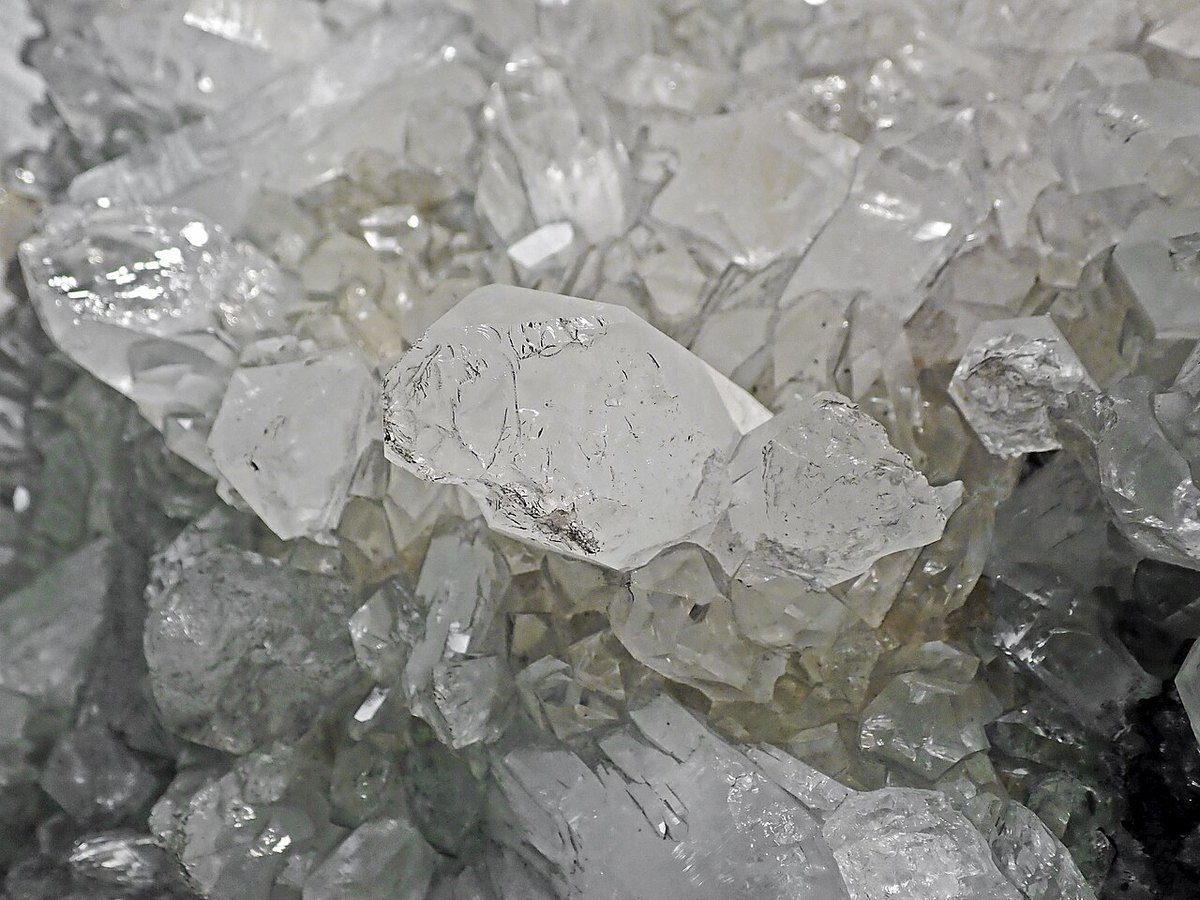
Where Brazilian Emerald Is Found
