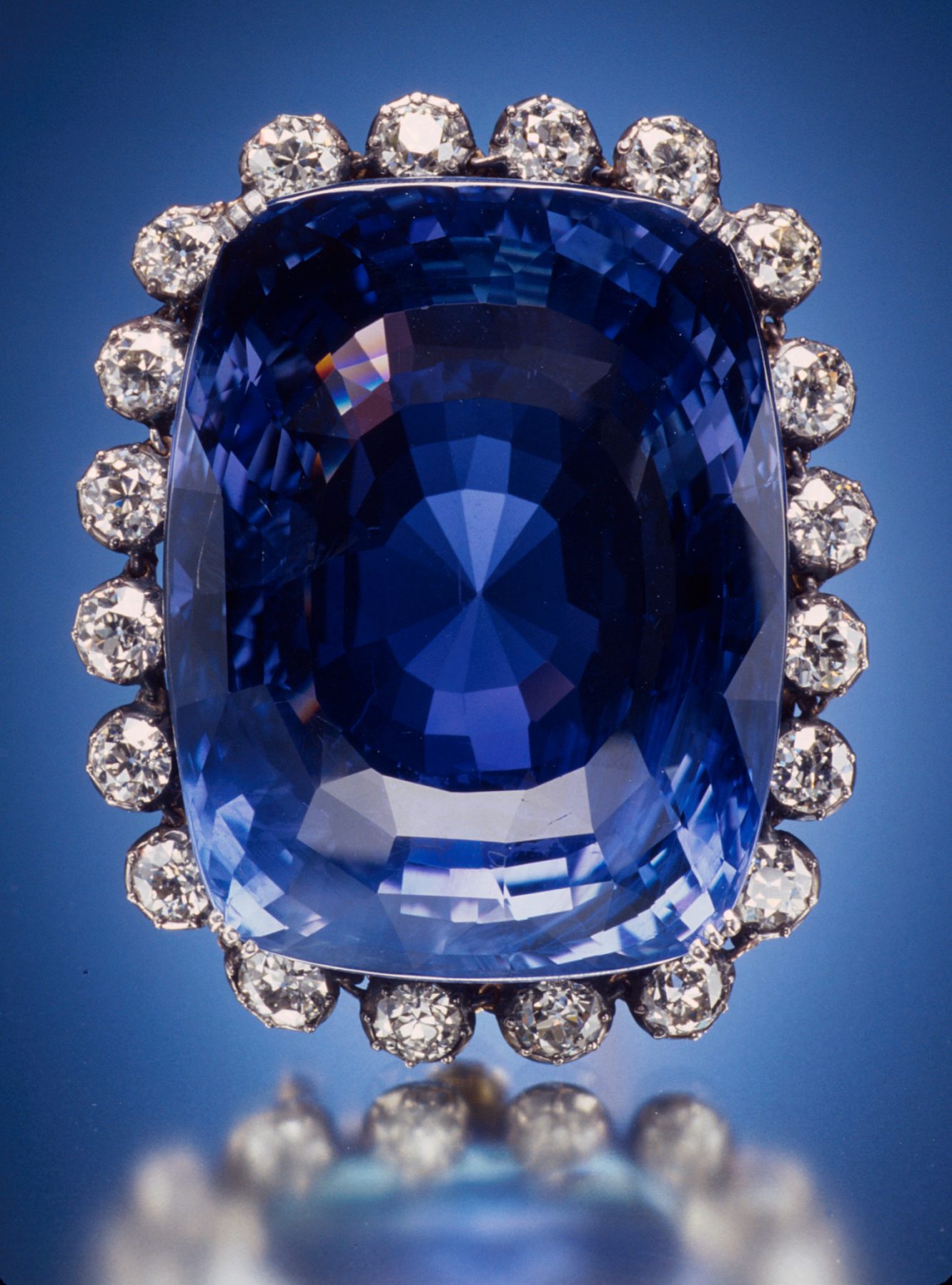
Burmese Sapphire
Mined in Myanmar's legendary Mogok Valley for over 1,000 years, Burmese sapphire sets the global benchmark for royal blue depth and silky.
- A 27.68-carat unheated Burmese sapphire sold for $6.7 million at major auction houses in 2015 - over $242,000 per carat.
- Burmese sapphire's characteristic velvet effect comes from microscopic rutile silk inclusions that scatter light inside the stone.
- Mogok Valley produces both ruby and sapphire from the same marble-hosted gem gravels called byon.
- Unheated Burmese sapphires are so rare that most quality specimens come with certificates from gemological laboratories, Gubelin, or SSEF.
- The Mogok stone tract has been mined continuously for over 1,000 years, yet significant deposits remain in difficult-to-access terrain.
- Serious collectors seeking the most prestigious sapphire origin in the world
- Investment buyers wanting a hard asset with documented Mogok provenance
- Engagement ring shoppers who want a sapphire with royal pedigree - Princess Diana's ring is Ceylon, but Mogok is the connoisseur choice
- Fine jewelry shoppers who understand origin premiums and want unheated material
- Anyone who wants the deepest, most velvety royal blue sapphire available
- Budget shoppers - consider Ceylon sapphire or lab sapphire for beautiful blue at lower cost
- Buyers who cannot verify origin documentation - a gemological laboratories or Gubelin certificate is essential for Burmese origin claims
- Anyone needing a large stone affordably - Burmese material over 3 carats jumps exponentially in price
What Is Burmese Sapphire?
Burmese sapphire is corundum (Al2O3) from the Mogok Valley in Mandalay Region, Myanmar - historically known as the Valley of Rubies, though it has produced sapphires of exceptional quality for over a millennium. It rates 9 on the Mohs hardness scale.
The deep royal blue color is produced by iron and titanium trace elements within the corundum lattice, with Myanmar specimens distinguished by a characteristic silky fluorescence and exceptional color saturation that gemologists call the velvet effect.
The Mogok stone tract sits at approximately 1,100 meters elevation in a limestone-marble metamorphic terrain. Gemstones form in marble layers during regional metamorphism and are subsequently released by erosion into alluvial gem gravels called byon.
Mogok rubies and sapphires have been traded along the Silk Road since at least the 6th century CE and appear in Mughal court records and European crown jewel inventories.
What separates Burmese sapphire from other origins is a combination of factors that rarely align elsewhere: optimal iron-to-titanium ratios that produce the purest blue without greenish or grayish modifiers, marble host rock that limits iron contamination, and natural fluorescence that adds a luminous depth under incandescent light.
Unheated Burmese sapphires with no evidence of heat treatment command the highest premiums in any international auction house.
Burmese Sapphire vs Ceylon Sapphire vs Montana Sapphire
| Property | Burmese Sapphire | Ceylon Sapphire | Montana Sapphire |
|---|---|---|---|
| Color | Royal blue, velvet depth | Medium-light cornflower blue | Teal, blue-green, steel blue |
| Hardness | 9 | 9 | 9 |
| Price / carat | $$$ Premium | $$ Mid-range | $$$ Premium |
| Heat treatment | Unheated most prized | Usually heated | Usually unheated |
| Best For | Investment, collector, heirloom | Engagement ring, gifts | US-origin collector, modern style |
Meaning and Symbolism
Sapphire has been the stone of kings, clergy, and prophets across virtually every major civilization. Ancient Persians believed the earth rested on a giant sapphire whose reflection colored the sky blue.
Medieval European bishops wore sapphire rings as symbols of heaven and divine favor, and the gem appears in the breastplate of Aaron described in the Book of Exodus. Burmese sapphire, as the world's most prized origin, carries an intensified version of this symbolism.
In Sanskrit texts, sapphire is called *neelam* - the blue stone - and is associated with Saturn in Vedic astrology, where it is considered among the most powerful of the nine planetary stones. Wearing a Burmese sapphire is said in Vedic tradition to bring discipline, wisdom, and protection from negative influences.
Myanmar's Buddhist tradition holds sapphire as a sacred stone of virtue and is said to be offered at major temple sites.
In crystal healing tradition, sapphire is associated with truth, loyalty, and the activation of the Throat and Third Eye chakras. Practitioners believe Burmese sapphire, with its exceptional color depth, carries a particularly concentrated version of the stone's traditional energies.
Many describe it as a stone for serious intention - not everyday wear for its energy properties, but for major decisions, creative endeavors, and moments requiring complete mental clarity.
Historical Timeline
Healing Tradition
Emotional
Practitioners believe Burmese sapphire supports emotional clarity and the release of confusion, self-doubt, and indecision. Is said to help the wearer distinguish intuition from fear, making it a traditionally favored stone for important decisions.
Many spiritual practitioners describe wearing sapphire as an experience of mental quieting - a reduction of inner noise that allows clearer emotional perception.
The Burmese tradition regards sapphire as a stone that brings mental peace, and many find this quality present when working with high-quality specimens in meditation.
Spiritual
In crystal healing tradition, sapphire is one of the most strongly spiritually aligned gems. Burmese sapphire, with its deep royal blue and silky fluorescence, is said to carry an especially potent connection to the Throat and Third Eye chakras.
Practitioners use it to support honest, clear communication from a place of wisdom rather than reactivity. Is said to help the user align personal will with higher guidance, making it traditionally valuable for those entering significant spiritual commitments or life transitions.
Physical
While no gemstone substitutes for medical care, Vedic tradition links sapphire to Saturn-ruled body systems including bones, teeth, and the nervous system. Practitioners traditionally place sapphire in proximity to the head or throat during meditative practices intended to support mental focus and clear thinking.
Many who work with blue stones in crystal wellness describe a felt sense of cooling and calming, particularly useful during periods of mental overstimulation. These associations are traditional and should be understood as spiritual practice rather than medical treatment.
Zodiac, Birthstone and Gifts
Sapphire is the traditional birthstone for September, making Burmese sapphire the premier gift for Virgo (August 23 - September 22) birthdays. Virgo, the sign of discernment, precision, and service, resonates strongly with sapphire's traditional associations with wisdom, truth, and mental clarity.
Libra (September 23 - October 22), also a September-adjacent sign, connects to sapphire through themes of justice, balance, and refined aesthetic appreciation.
Taurus is linked to sapphire in Vedic astrology as a stone that supports the Venus-ruled sign with discipline and clarity of purpose. Burmese sapphire makes an extraordinary birthday or anniversary gift for any of these signs - its rarity, beauty.
Provenance story make it one of the most meaningful gems available in the fine jewelry market.
Care and Cleansing
Burmese sapphire is extremely durable and responds well to all standard cleansing methods. Warm water with mild dish soap and a soft brush is the safest and most effective physical cleaning method for set stones.
Ultrasonic cleaning is generally safe for sapphires without clarity-reaching fractures, but consult a jeweler for fine heirloom pieces.
For energetic cleansing, moonlight, running water, sound (singing bowl), and selenite plate methods are all traditionally used and safe for sapphire. Brief sunlight exposure is fine given sapphire's stable color. For precious Burmese specimens, many practitioners prefer moonlight or selenite over water methods to protect settings and ensure maximum care.
- DO have Burmese sapphire professionally cleaned annually, particularly prong-set stones where buildup affects both beauty and security.
- DO store separately from other stones - though sapphire is Mohs 9, careless storage can still cause surface scratching from other sapphires or diamonds.
- DO NOT use ultrasonic cleaners on sapphires with fracture-filling treatments or included specimens - the vibration can expand internal features.
- DO NOT re-heat-treat a certified unheated Burmese sapphire - this permanently destroys the unheated status and eliminates the origin premium.
- DO keep gemological laboratories/Gubelin origin certificates in a safe location separate from the stone - the paper adds significant value to the gem.
- DO insure fine Burmese sapphires for their current market replacement value, not purchase price.
Real vs Fake
Authenticating Burmese origin is the central challenge - both synthetic and natural sapphires look blue, and distinguishing Mogok from other origins requires laboratory testing. For any sapphire over $1,000 per carat, insist on a gemological laboratories, Gubelin, or SSEF origin report that specifically states Burmese origin.
No reputable seller of genuine Burmese sapphire will resist this request.
Lab-created sapphire is the most common simulant for expensive Burmese stones in retail jewelry. It has identical chemistry (Al2O3) but no natural inclusions. Under magnification, lab corundum often shows curved growth striations (Verneuil) or chevron zoning (hydrothermal). Natural Burmese sapphire shows angular growth zoning, silk-like rutile inclusions, and sometimes fingerprint-pattern healed fractures.
Glass simulants are easily detected - glass is significantly softer (Mohs 5-6) and shows distinct bubbles under magnification. Blue cubic zirconia shows single refraction and fire that reads differently than sapphire's restrained brilliance. For blue topaz, hardness testing (Mohs 8 vs 9) and refractometer readings immediately distinguish it from sapphire.
When provenance premium is involved, only a lab certificate from a major institution is sufficient proof of Burmese origin.
Burmese Sapphire Jewelry & Gifts
Burmese sapphire pricing depends on three factors: color, size, and heat treatment status. Vivid royal blue stones with no gray or green modifiers are most valuable. Unheated specimens carry 30 to 200 percent premiums over heated material of equivalent color.
Fine 1- to 3-carat unheated Burmese sapphires typically run $1,000 to $5,000 per carat; exceptional specimens over 5 carats can reach $10,000 to $20,000 per carat.
Never purchase a Burmese sapphire above $500 without a laboratory certificate from gemological laboratories, Gubelin, or SSEF. These reports confirm origin and heat treatment status - the two factors that justify the premium. Heated Burmese sapphire is still a beautiful and collectible stone, but unheated material is categorically more valuable.
Ask your jeweler to show you the certificate before purchase.
Where to Buy Burmese Sapphire
Affiliate disclosure: Some links below earn us a small commission at no extra cost to you. See our affiliate disclosure page.
Handmade, raw, and tumbled pieces from independent sellers worldwide.
Shop Burmese Sapphire on Etsy →Accessories, tools, and specimen sets with fast Prime delivery.
Shop Burmese Sapphire on Amazon →Certified loose gemstones graded and photographed for online buyers.
Shop Burmese Sapphire on GemSelect →Pairs Well With


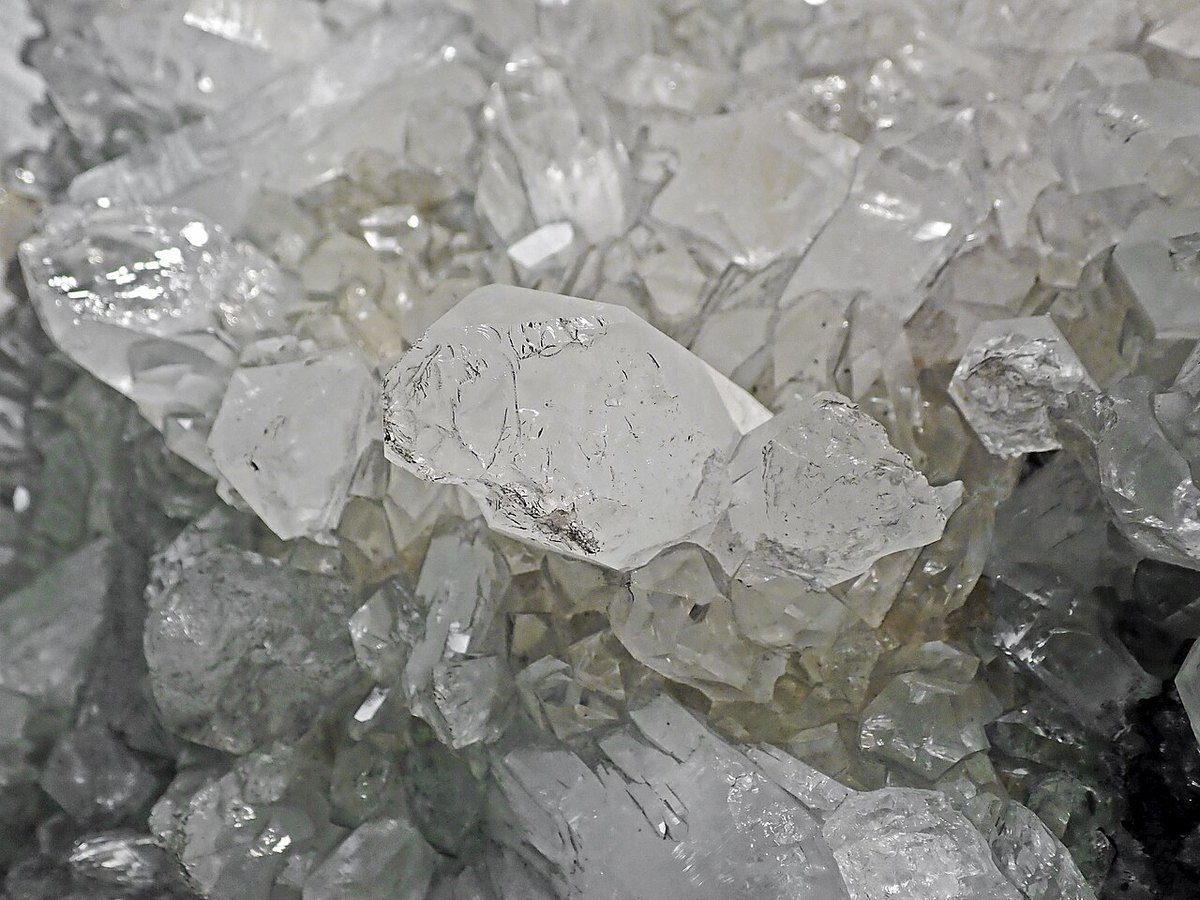
Where Burmese Sapphire Is Found
