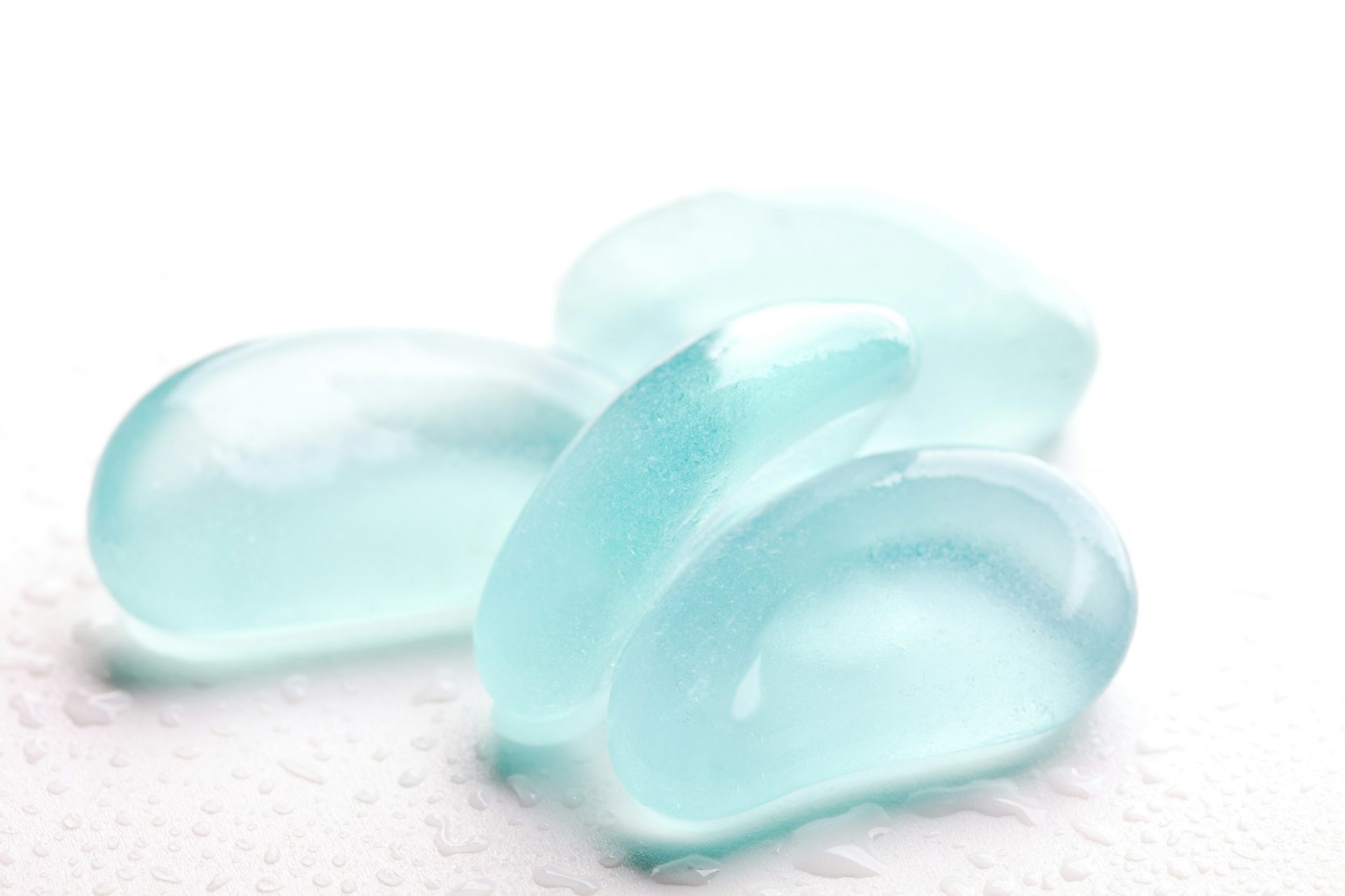
Cat’s Eye Aquamarine
Serene blue aquamarine with a silver eye gliding across its surface like reflected light on still ocean water
- The largest aquamarine ever found was the Dom Pedro aquamarine - 26 kg of gem-rough crystal from Brazil, now obelisk-cut and displayed at major natural history museums Institution.
- Aquamarine and emerald are both beryl - the same mineral species. Iron gives aquamarine its blue color; chromium gives emerald its green.
- Aquamarine's name comes from the Latin aqua marina meaning sea water, reflecting its signature ocean-blue color.
- Cat's eye beryl in green is called cat's eye chrysoberyl by some dealers - but chrysoberyl is a different mineral family entirely. True cat's eye beryl (aquamarine, heliodor) is distinct from chrysoberyl.
- Brazil's Minas Gerais state is the world's most productive beryl source, having yielded historic aquamarines exceeding 100 kg in rough crystal form.
- Aquamarine collectors seeking the rare chatoyant variety
- Throat and communication chakra healing work
- Blue chatoyant gem collectors wanting beryl species
- Serene, ocean-inspired jewelry with unusual optical depth
- March birthday gift with added rarity
- Budget gem buyers (choose blue topaz or blue lace agate for affordable blue)
- Those wanting the sharpest possible eye (choose chrysoberyl instead)
- Buyers expecting regular aquamarine's transparency (cat's eye material is translucent)
What Is Cat’s Eye Aquamarine?
Cat's Eye Aquamarine is a variety of aquamarine beryl displaying chatoyancy - the mobile band of silver reflected light that gives it the cat's eye name. It rates 7.5 - 8 on the Mohs hardness scale.
It occurs when densely packed parallel hollow tubes or fibrous inclusions align within the hexagonal aquamarine crystal, focusing reflected light into a single gliding band when cut as a cabochon.
The combination of aquamarine's signature ocean-blue color with a crisp chatoyant eye is genuinely rare - chatoyant beryl in any color represents a small fraction of beryl production, and blue aquamarine specimens showing good eye clarity and color are among the more unusual offerings in the chatoyant gem category.
Cat's eye aquamarine shares aquamarine's traditional associations with the sea, clear communication, and emotional calm, while the cat's eye quality adds themes of sharp perception and psychic awareness. It is cut exclusively as cabochons with carefully calibrated dome heights to center the eye.
How Cat's Eye Aquamarine Compares
| Property | Cat's Eye Aquamarine | Regular Aquamarine | Cat's Eye Chrysoberyl |
|---|---|---|---|
| Hardness | 7.5 - 8 | 7.5 - 8 | 8.5 |
| Price/ct | $ Budget | $ Budget | $$ Mid-range |
| Optical Effect | Chatoyancy | Transparency + brilliance | Chatoyancy |
| Best For | Blue cat eye collectors | Classic aquamarine jewelry | Benchmark cat eye |
Meaning and Symbolism
Cat's Eye Aquamarine carries aquamarine's deep traditional associations with water, clarity of communication, and emotional calm, amplified by the cat's eye's universal symbolism of sharp perception and protective watchfulness. Practitioners believe it combines the cleansing flow of water energy with a focused quality of seeing - feeling and seeing clearly simultaneously.
Many crystal workers link cat's eye aquamarine to the throat chakra's highest function: speaking truth from a place of genuine inner clarity rather than performance. The eye quality is said to help the bearer cut through confusion about what they actually think and feel before expressing it, preventing miscommunication.
The stone is also thought to carry protective properties typical of cat's eye gems while maintaining aquamarine's traditionally calming, anti-anxiety energy. It is said to be particularly supportive for sensitive people who struggle in environments with high emotional noise.
Historical Timeline
Healing Tradition
Emotional
Cat's eye aquamarine is traditionally associated with emotional clarity and the ability to express feelings with precision and calm. Practitioners believe aquamarine's soothing water energy helps prevent emotional overwhelm, while the cat's eye quality sharpens the bearer's awareness of what they actually feel beneath social conditioning or habitual patterns of response.
It is said to be particularly helpful for people who speak before fully processing their emotions, encouraging a pause that brings clarity before expression. Some crystal healers recommend it for those working through grief or emotional complexity that feels too tangled to articulate.
Spiritual
Spiritually, cat's eye aquamarine is thought to deepen meditative states by combining aquamarine's traditionally mind-quieting properties with the cat's eye's focused inner perception. Practitioners describe it as a stone that stills the surface of the mind - like a lake becoming calm enough to reflect clearly - and then sharpens what is visible in that stillness.
It is said to support clairvoyant work, particularly visions that come through water imagery, dreams, or reflective surfaces. Some traditions link aquamarine to the angelic realms and use it in prayer or devotional practices.
Physical
Aquamarine is traditionally associated with the throat, thyroid, and respiratory system in crystal healing frameworks, and cat's eye aquamarine carries these associations. Practitioners sometimes suggest it for relief of throat tension, hoarseness, or respiratory tightness - always as energetic support, not medical treatment.
Its water element association links it to kidney and lymphatic health in some folk traditions. Cat's eye aquamarine is not a medical treatment and does not replace professional healthcare.
Zodiac, Birthstone and Gifts
Pisces, aquamarine's traditional March birthstone sign, resonates deeply with both the stone's water element and the cat's eye's capacity for seeing through emotional complexity with compassionate clarity. Aquarius benefits from aquamarine's communication-enhancing properties, which support the sign's naturally expansive ideas in finding clear, accessible expression.
Gemini, associated with perception and communication, is thought to find cat's eye aquamarine amplifies their natural verbal clarity while the eye quality helps them see which of their many perspectives is most authentically their own.
Care and Cleansing
Cat's eye aquamarine is water-safe and can be rinsed or briefly soaked - beryl's 7.5 to 8 Mohs hardness and good chemical stability make water cleansing appropriate. Full moon exposure outdoors or on a windowsill is the most resonant cleansing method given aquamarine's lunar and water element associations.
Sound cleansing with a singing bowl tuned to the throat chakra frequency (approximately 741 Hz) is considered particularly aligned with aquamarine's communicative energy.
- DO store cat's eye aquamarine separately from diamonds and corundum that could scratch its 7.5 to 8 Mohs surface.
- DO NOT use heat treatments or intense steam cleaning as thermal shock can affect beryl's internal inclusions including the chatoyant tubes.
- DO NOT expose to strong acids or harsh chemicals that can attack beryl's surface.
- NOTE that some commercial aquamarine is heat-treated to enhance blue color; ask your dealer whether this applies to cat's eye specimens.
- DO NOT use ultrasonic cleaners if the stone shows visible fractures, liquid inclusions, or significant internal features beyond the chatoyant tubes.
Real vs Fake
Genuine cat's eye aquamarine shows a mobile chatoyant band combined with the characteristic aquamarine blue body color - the eye must move clearly under a single point light source. Aquamarine's RI of 1.577 to 1.583 is distinctive; blue glass or synthetic imitations test differently under a refractometer.
Blue-dyed chalcedony or glass cabochons may mimic body color but will not show genuine chatoyancy from internal beryl inclusion tubes. Under magnification, genuine cat's eye aquamarine shows the characteristic hollow tubes running parallel to the crystal's c-axis - the mechanism for chatoyancy.
Request a gemological report from gemological laboratories or AGL for significant purchases; confirming species as beryl (aquamarine) and natural origin of the chatoyancy is essential for investment-grade stones.
Cat’s Eye Aquamarine Jewelry & Gifts
Cat's eye aquamarine is a specialist gem; expect $40 to $200 per carat for quality material, with vivid blue color and sharp eyes commanding the upper end.
Eye quality and color saturation are the two primary value factors: a crisp well-centered eye in a rich ocean-blue body is the ideal combination.
The blue color in commercial aquamarine is often heat-enhanced; for cat's eye material, ask specifically about treatment and request stones that show natural color if that matters to you.
Brazilian aquamarine dominates the market; Zambian and Malagasy material may show slightly different blue tones and are worth comparing if you value color nuance.
Due to its relative rarity, fine cat's eye aquamarine is primarily found at specialist gem dealers, gem shows, and online collector markets rather than mainstream jewelry retailers.
Where to Buy Cat’s Eye Aquamarine
Affiliate disclosure: Some links below earn us a small commission at no extra cost to you. See our affiliate disclosure page.
Handmade, raw, and tumbled pieces from independent sellers worldwide.
Shop Cat’s Eye Aquamarine on Etsy →Accessories, tools, and specimen sets with fast Prime delivery.
Shop Cat’s Eye Aquamarine on Amazon →Certified loose gemstones graded and photographed for online buyers.
Shop Cat’s Eye Aquamarine on GemSelect →Pairs Well With


Where Cat’s Eye Aquamarine Is Found


