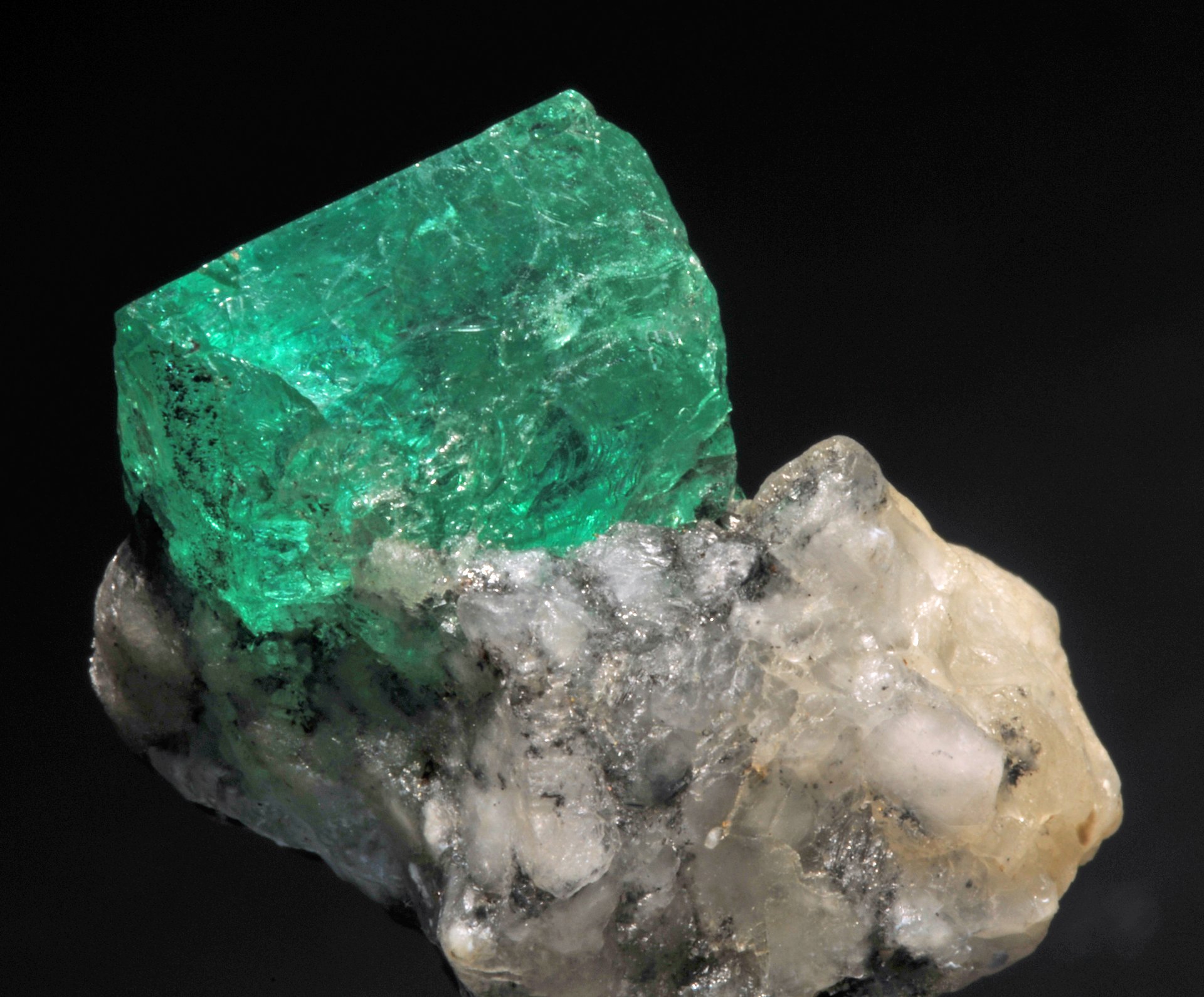
Green Beryl
Soft as a spring canopy and clear as mountain water, green beryl offers the emerald family's elegance without emerald's demanding price.
- The dividing line between emerald and green beryl depends on which element provides the green color - chromium and vanadium make emerald, iron makes green beryl.
- Beryl was ground into a fine powder and used as a topical medicine in ancient Rome, though no medicinal properties have been scientifically confirmed.
- Some of the largest gem-quality beryl crystals ever found weigh thousands of carats - beryl grows in exceptionally large, well-formed hexagonal prisms.
- Green beryl from Colombia often occurs in the same mining zones as emerald, separated only by the distribution of chromium through the rock.
- The word 'beryl' gave us the modern word 'brilliant' via Middle French and the Latin beryllus - reflecting how prized the stone's optical properties were.
- Those who love emerald's color but want better clarity and a lower price
- Jewelry wearers seeking a durable green stone for everyday rings or pendants
- Heart chakra practitioners wanting soft, steady green energy without intensity
- Taurus or Virgo individuals drawn to earthy, grounding green gemstones
- Collectors building a beryl family set alongside emerald, aquamarine, and heliodor
- Those wanting the prestige and deep color of true emerald - green beryl is notably paler
- Buyers seeking a rare collector's stone - green beryl is relatively common and affordable
- Those drawn to metaphysical intensity - green beryl's energy is gentle and steady rather than powerful
What Is Green Beryl?
Green beryl is the pale to medium green variety of the mineral *beryl* (Be3Al2Si6O18), colored by trace amounts of iron rather than the chromium and vanadium that give emerald its deep, saturated hue. It rates 7.5 - 8 on the Mohs hardness scale.
The distinction matters enormously in the gem trade: specimens with sufficient chromium or vanadium saturation are called emeralds, while those colored only by iron fall under the green beryl designation. The boundary is not always sharp, and gemological laboratories apply specific colorimetric standards to make the call.
Beryl is a hexagonal silicate mineral that forms in granitic pegmatites, metamorphic rocks, and hydrothermal veins. The green beryl variety typically grows in Brazil, Colombia, Pakistan, and Madagascar, often in the same geological zones that produce emerald - just from zones where chromium concentrations were too low to develop intense color.
Crystal clarity is often better in green beryl than in emerald because iron substitution generates fewer internal fractures.
**Hardness of 7.5 to 8** makes green beryl one of the more durable colored gemstones, well suited to rings and bracelets that see regular wear. Its pale, cool green evokes spring foliage and glacier water, appealing to those who prefer quiet elegance over dramatic color saturation.
Prices are accessible, making it a practical choice for quality faceted gemstones at everyday jewelry budgets.
How Green Beryl Compares
| Property | Green Beryl | Emerald | Peridot |
|---|---|---|---|
| Hardness | 7.5 - 8 | 7.5 - 8 | 6.5 - 7 |
| Price / carat | $ Budget | $$ Mid-range | $ Budget |
| Color | Pale - medium green | Deep, saturated green | Yellow-green |
| Best For | Budget green jewelry | Prestige, heirlooms | Casual green jewelry |
Meaning and Symbolism
Beryl has been cherished since antiquity - ancient Egyptians, Romans, and medieval Europeans all prized the mineral family for jewelry, scrying lenses, and ritual objects.
The green varieties, including early pale emerald material that would now be classified as green beryl, carried associations with growth, renewal, and the life-force of the natural world. Medieval herbalists and alchemists associated green stones with Venus and the heart.
Green beryl's softer hue separates it symbolically from the intense, almost charged quality of deep emerald. Many practitioners describe green beryl's energy as nurturing and steady rather than transformative, making it suitable for extended wear during periods of gradual healing or personal growth.
It carries the emerald family's Venusian associations - love, beauty, abundance - in a quieter register.
**In contemporary crystal healing**, green beryl is said to support emotional balance, compassionate communication, and patient growth. It is traditionally associated with the heart chakra and is used in practices aimed at opening to love without urgency or attachment.
Some texts describe it as particularly helpful for those in caregiving roles who need gentle replenishment of their own reserves.
Historical Timeline
Healing Tradition
Emotional
Practitioners associate green beryl with gentle, sustained emotional nourishment - a stone for those in recovery, caregiving, or gradual self-rebuilding rather than immediate transformation. It is said to encourage patience with one's own process, fostering self-compassion without bypassing the work of healing.
Many find its quiet green energy particularly calming during periods of chronic stress or emotional exhaustion. Crystal healing tradition suggests it helps the wearer maintain open-heartedness even when setting healthy boundaries requires strength.
Spiritual
In spiritual practice, green beryl is associated with the heart chakra's receptive, nurturing aspect - the capacity to give and receive love with equal ease. Practitioners believe it supports the kind of spiritual growth that happens slowly and deeply rather than in dramatic breakthroughs.
Some traditions connect it to Venus, the planet of beauty and relationships, making it a popular stone for practices focused on harmonious relationships and self-worth. It is said to encourage gratitude and an awareness of abundance in everyday life.
Physical
Crystal healing texts link green beryl to the heart, lungs, and the body's restorative systems. Practitioners sometimes use it in layouts supporting recovery, placing it at the chest or heart area. It is traditionally associated with physical endurance and the calm energy needed to sustain healing processes over time.
These are metaphysical associations based in crystal healing tradition and do not represent medical advice or treatment for any physical condition.
Zodiac, Birthstone and Gifts
Green beryl resonates naturally with Taurus, whose Venusian rulership aligns with the stone's soft green beauty and associations with love, growth, and natural abundance. Many Taurus practitioners appreciate green beryl as a grounded alternative to emerald - sharing the beryl family's May birthstone connection without the dramatic price.
Its steady, nourishing energy suits Taurus's patient approach to cultivating what matters.
Virgo connects to green beryl through its earth element and its tendency toward quiet, sustained nurturing of self and others. The stone's gentle heart chakra energy is said to soften Virgo's tendency toward self-criticism, encouraging a more compassionate inner relationship.
Both signs benefit from green beryl's traditional associations with growth, health, and the quiet power of consistent care.
Care and Cleansing
Green beryl tolerates water well, making a brief rinse under lukewarm running water a simple and effective cleansing routine. Beryl's hardness of 7.5 to 8 means it is not soluble and resists water damage at the surface level.
Dry thoroughly after rinsing, especially in set jewelry where water can accumulate beneath the stone.
Moonlight and indirect sunlight are both appropriate for green beryl, as the stone's color is iron-based and stable under light exposure. **Selenite charging plates** provide a gentle maintenance option between more active cleansing sessions.
Dry smudging with sage or sound cleansing with bells or singing bowls are suitable alternatives for those who prefer not to use water, particularly when working with antique or fragile settings.
- DO clean with mild soap, warm water, and a soft brush - rinse completely and dry thoroughly.
- DO NOT use ultrasonic cleaners if the stone has visible inclusions or fractures that could be extended by vibration.
- DO NOT store loose green beryl touching diamonds or harder abrasives that could scratch the surface over time.
- DO NOT apply household chemicals, bleach, or strong acids near green beryl jewelry - these can etch or damage the surface.
- NOTE: Unlike emerald, green beryl is rarely fracture-filled - standard care rules for hard silicate stones apply.
- DO check prong settings annually for wear, particularly in rings with daily use.
- DO NOT expose to sudden temperature extremes - thermal shock can cause fracturing in any beryl.
Real vs Fake
Green beryl is sometimes misrepresented as emerald - a more serious and common mislabeling than outright faking. The key test is colorant identity: true emerald gets its deep green from chromium or vanadium; green beryl is colored only by iron. A gemological spectrometer or laboratory report distinguishes the two definitively.
Visually, green beryl is almost always paler and cleaner than emerald, while emerald typically shows pronounced inclusions at the same magnification level.
Glass imitations exist for virtually all green stones, and green beryl is no exception. Glass fakes appear perfectly clean under magnification and may contain gas bubbles or swirl marks from the molten glass production process.
Natural green beryl shows characteristic beryl inclusions - two-phase liquid inclusions, needles, and growth tubes - that distinguish it from manufactured materials. The refractive index of 1.564 to 1.596 is measurable by a gemologist and separates beryl from glass or peridot.
**Synthetic beryl** has been produced since the mid-20th century, primarily for the emerald market but occasionally in pale green forms. Synthetic beryl is chemically identical to natural but shows different inclusion patterns under magnification - curved growth lines and chevron patterns rather than the irregular natural inclusions of mined material.
Laboratory reports from gemological laboratories, AGL, or Gübelin can confirm natural versus synthetic origin for any significant purchase.
Green Beryl Jewelry & Gifts
Green beryl is one of the more accessible fine gemstones, with eye-clean specimens in pale to medium green regularly available at $10 to $80 per carat.
Color preference is personal - some buyers want the palest, most translucent material reminiscent of glacial water, while others prefer a richer medium green that approaches emerald's territory. Both are legitimate green beryl; price differences reflect saturation, clarity, and size.
Clarity is generally excellent in green beryl compared to emerald, and eye-clean material is standard rather than exceptional. Prioritize stones with no visible inclusions to the naked eye for jewelry use.
Large faceted stones above 5 carats are available at reasonable prices - a meaningful advantage over emerald, where size multiplies price dramatically.
**Treatments** are minimal in green beryl compared to emerald. Most specimens are untreated and require no special disclosure. Confirm this with your dealer and avoid paying emerald prices for stones that gemological testing would classify as green beryl - a mislabeling that unfortunately occurs at all market levels.
Where to Buy Green Beryl
Affiliate disclosure: Some links below earn us a small commission at no extra cost to you. See our affiliate disclosure page.
Handmade, raw, and tumbled pieces from independent sellers worldwide.
Shop Green Beryl on Etsy →Accessories, tools, and specimen sets with fast Prime delivery.
Shop Green Beryl on Amazon →Certified loose gemstones graded and photographed for online buyers.
Shop Green Beryl on GemSelect →Pairs Well With


Where Green Beryl Is Found


