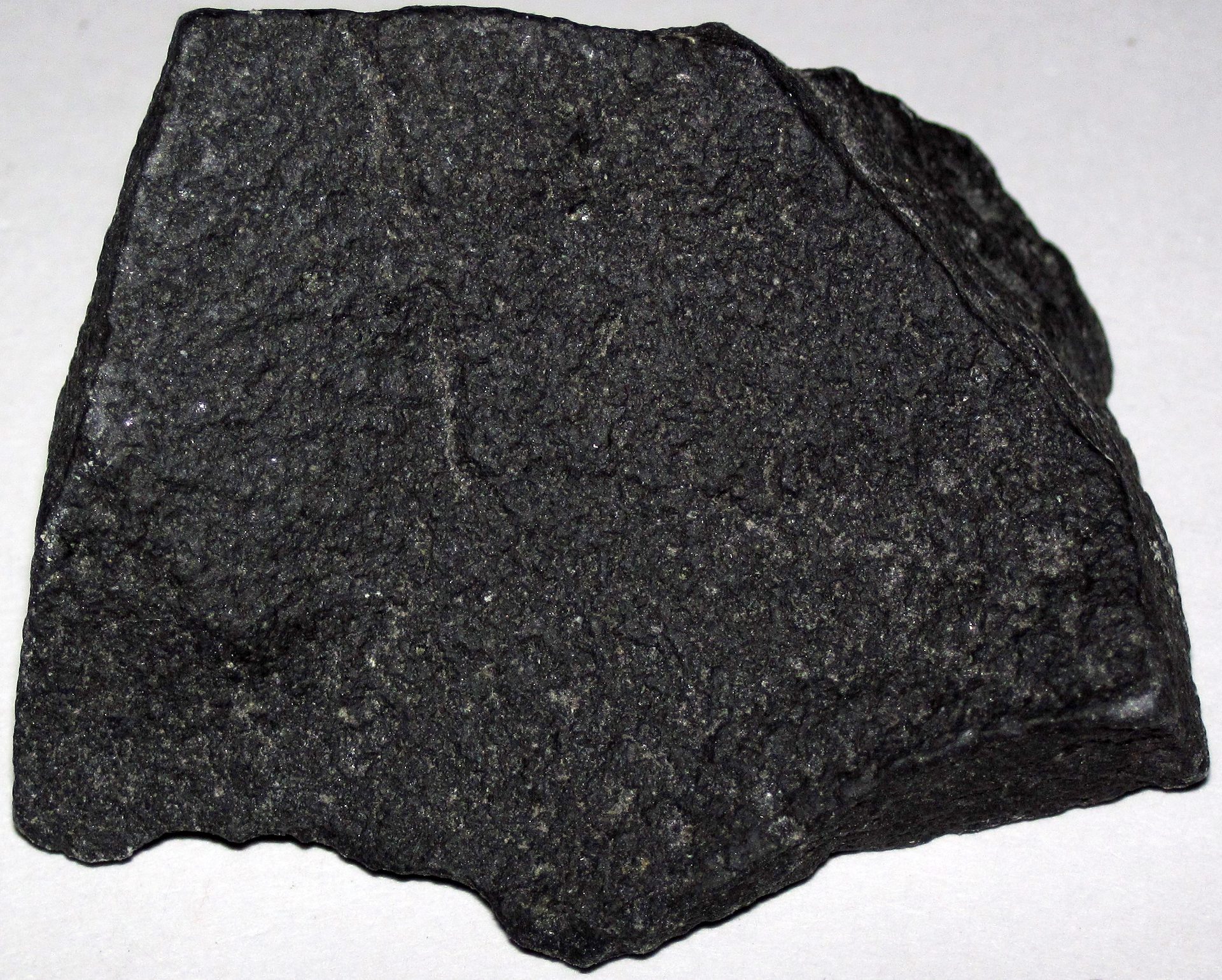
Lava Stone
Solidified from the earth's most primal fire, lava stone is a porous volcanic basalt that carries grounding earth energy and doubles as a.
- Lava stone is literally solidified fire - molten rock that cooled at the earth's surface, sometimes within hours of eruption.
- Most of the ocean floor is made of basalt - lava stone is the most abundant rock type on Earth's surface by volume.
- The porous texture of lava beads can hold essential oil fragrance for 4-8 hours after a few drops are applied - longer in cooler, less humid conditions.
- Hawaiian tradition discourages removing lava rocks from the islands - a cultural norm often described humorously as Pele's curse for those who do.
- Iceland is built almost entirely on basalt lava; the island sits directly on the Mid-Atlantic Ridge where two tectonic plates spread apart and produce continuous volcanism.
- Essential oil users who want a wearable, natural diffuser bracelet for aromatherapy
- Root chakra practitioners who want a grounding stone with fire element energy
- Aries, Scorpio, or Taurus placements looking for a volcanic, Mars-ruled stone
- Budget-conscious crystal buyers who want genuine natural stone jewelry at low cost
- Anyone who appreciates the geological story of holding literal solidified earth fire
- Those looking for mineralogical rarity or collector specimens - lava stone is extremely common
- Buyers wanting a polished, smooth stone surface (lava's porous texture is its characteristic feature)
- Pet owners who use essential oils - keep lava stone diffuser bracelets away from cats and small animals
What Is Lava Stone?
Lava stone is basalt - a dense, fine-grained volcanic rock formed when magma erupts at the earth's surface and cools rapidly. The characteristic porous texture of lava stone comes from gas bubbles trapped during cooling. It rates 3 - 3.5 on the Mohs hardness scale.
As the lava solidifies around these bubbles, the gas escapes and leaves a network of small voids that give the stone its rough, sponge-like surface.
Chemically, basalt is rich in silicate minerals including pyroxene, feldspar, and olivine, with significant iron and magnesium content giving it its characteristic dark color. It is the most abundant volcanic rock on Earth and covers much of the ocean floor.
Volcanic islands like Hawaii, Iceland, and the Canary Islands are largely built from basalt.
The porous structure that makes lava stone rough to the touch is also what makes it functional as a personal essential oil diffuser: the small voids absorb and slowly release aromatic oils applied to the surface.
A few drops of essential oil on a lava bead bracelet will scent the surrounding air for hours.
Lava stone beads used in jewelry are typically drilled through rounded or naturally shaped pieces of basalt, then strung on elastic or cord. The rough texture is a feature rather than a defect, though some commercial lava beads are smoothed by tumbling or coating.
How Lava Stone Compares
| Property | Lava Stone | Obsidian | Black Tourmaline |
|---|---|---|---|
| Oil diffuser? | Yes - porous | No | No |
| Hardness | 3 - 3.5 | 5 - 5.5 | 7 - 7.5 |
| Price range | $ Budget | $ Budget | $ Budget |
| Element | Fire, Earth | Earth, Water | Earth |
Meaning and Symbolism
Lava stone carries the most direct elemental symbolism of any common crystal - it is literally solidified fire from the earth's core. Where other stones form slowly in veins and pegmatites over millions of years, basalt can form within hours as lava cools.
This speed of formation is the geological opposite of slow crystal growth, and practitioners relate this to the stone's association with immediacy, courage, and the direct action of fire energy.
In crystal healing tradition, lava stone is associated with rebirth and the transformative power of fire. The metaphor is consistent: what was once molten, formless, and intensely hot has become solid, stable, and enduring.
Practitioners working with major life transitions - leaving old identities, burning away what no longer serves, starting again - often gravitate toward lava stone for its literal embodiment of transformation through heat.
The stone's connection to the root and sacral chakras through fire element energy gives it a different flavor than earth-element root stones like black tourmaline. Where tourmaline grounds and anchors, lava stone grounds and energizes - a volcanic combination of earth stability and fire vitality that practitioners describe as uniquely activating.
Many indigenous Hawaiian practitioners consider lava stone (pahoehoe basalt specifically) a sacred material connected to Pele, the goddess of volcanoes, and treat large lava formations with deep respect. The tradition of not removing lava rocks from Hawaii has been widely popularized, though it is a cultural norm rather than a governmental prohibition.
Historical Timeline
Healing Tradition
Emotional
Practitioners believe lava stone carries the courage of fire - the ability to move through fear, take decisive action, and embrace necessary change. In crystal healing tradition, lava stone is often recommended for people stuck in indecision, chronic hesitation, or patterns of fear-based avoidance.
The volcanic metaphor of pressure building until it erupts into transformation resonates with emotional states that have been suppressed for too long.
The essential oil component of lava stone jewelry adds a significant emotional dimension: aromatherapy is well-documented to influence mood and emotional state through olfactory pathways.
Choosing an oil that supports the intended emotional work - lavender for calm, bergamot for joy, frankincense for grounding - and applying it to a lava bracelet creates a combined stone and aromatherapy support tool.
Many readers use lava stone as their primary stone during periods of active change - job transitions, relationship endings, relocation - when fire energy is more supportive than the containing quality of earth-only grounding stones.
Spiritual
Lava stone's fire element connects it to the transformative dimension of spiritual practice - the burning away of illusion, the purification of what has calcified, and the making of space for new growth.
Practitioners working with fire ceremonies, candle magic, or sun salutation yoga often incorporate lava stone as a physical resonance object for fire energy.
In crystal healing tradition, lava stone is associated with Aries and the astrological houses governing action, initiation, and courage. Wearing lava stone during new beginnings - starting a practice, setting major intentions at a new moon, beginning a creative project - is said to channel fire energy into the new endeavor.
The stone's connection to volcanic origins connects it to chthonic traditions across multiple cultures: Pele in Hawaii, Vulcan in Roman tradition, the Nahua fire gods of Mesoamerica. Practitioners who work within earth-based spiritual traditions may find lava stone a natural fit for ceremonies honoring the fire element.
Physical
Crystal healing tradition associates lava stone with the physical adrenal system, muscles, and the body's capacity for energy generation and sustained action. The fire element correspondence connects to metabolism, heat production, and physical vitality in traditional systems of energetic medicine.
The practical physical application of lava stone in aromatherapy is the most tangible health-adjacent use. Essential oils chosen for physical support - peppermint for alertness, eucalyptus for respiratory awareness, ginger for warmth - provide real olfactory input through the lava diffuser bracelet mechanism. This is genuine aromatherapy, not metaphorical.
Practitioners working with physical energy and vitality often recommend lava stone alongside regular movement practice, treating the stone as a fire-element companion to aerobic activity rather than a passive meditative tool. The combination of movement, fire energy, and essential oil creates a multi-sensory vitality practice.
Zodiac, Birthstone and Gifts
Lava stone's Mars rulership and fire-earth composition connect it most naturally to Aries, the Mars-ruled fire sign of initiative and courage. Practitioners recommend lava stone to Aries placements as an amplifier of the sign's native fire energy - not to add more fire.
To ground the sign's impulses in the stability of volcanic earth so they can sustain rather than flare and extinguish.
For Scorpio, lava stone's transformation-through-fire symbolism resonates deeply with the sign's relationship to death, rebirth, and alchemical change. Scorpio practitioners often find lava stone's volcanic metaphor - pressure becoming heat becoming matter becoming solid earth - accurately describes the sign's characteristic emotional and psychological experience.
Taurus benefits from lava stone's fire element by contrast - it introduces the heat and activation energy the fixed earth sign sometimes needs to move through inertia. A small lava stone paired with Taurus's earth-nature stones creates a complementary pair of steadiness and spark.
Care and Cleansing
Lava stone should be cleansed regularly because the porous surface absorbs essential oils that change over time and can become unpleasant or conflicting with current intentions.
For essential oil reset, soak lava beads in plain water for 10-15 minutes to help flush the existing oil from the pores. Allow to dry completely in sunlight before applying a fresh oil. Smoke cleansing is particularly resonant for a fire-element stone. Pass through sage, cedar, or frankincense smoke for 30-60 seconds.
Sunlight charging and cleansing is safe and energetically appropriate for lava stone. A few hours in direct sun both cleanses energetically and helps evaporate residual oils from the pores. Sound cleansing with a singing bowl is safe and effective. Place lava beads inside or beside the bowl during a full resonance cycle.
- DO allow essential oils to fully absorb into lava beads (2-3 minutes) before wearing to avoid oil transfer to clothing.
- DO keep lava stone diffuser bracelets away from cats and small animals when wearing essential oils - some oils are toxic to pets.
- DO NOT use lava stone bracelets with ultrasonic jewelry cleaners - the vibration can crack porous bead material.
- DO periodically soak lava beads in water to flush and reset accumulated essential oil for cleaner scent application.
- DO replace elastic stringing on lava bracelets regularly - lava beads are heavier than typical bead jewelry and stress elastic more quickly.
- Note: lava stone's porous surface will accumulate skin oils and debris over time; occasional warm water wash with mild soap keeps beads hygienic.
Real vs Fake
Lava stone is so abundant and inexpensive that outright counterfeiting is economically impractical. The main market concern is dyed or coated basalt sold as natural lava stone, where the rough porous surface is painted or coated to appear colored (blue, purple, green) while still using genuine basalt as the substrate.
Natural lava stone is black to dark gray; any other color indicates surface treatment.
The most common fake is plastic beads with a textured surface designed to imitate lava stone's porous appearance. These are significantly lighter than genuine basalt, do not feel cool to the touch.
Do not absorb essential oils into their surface - the oil simply pools on the surface and runs off rather than being absorbed into pores.
Genuine lava/basalt beads are heavier than plastic for the same size, feel mineralic and slightly cool to the touch (even with the rough surface texture), and visibly absorb a drop of water or oil into their porous surface within seconds. Plastic beads repel liquid from the surface.
At the price points of standard lava bead bracelets ($5-$20), plastic imitation is the main concern. Paying slightly more for bracelets from mineral-focused sellers who clearly identify the material as basalt provides additional assurance of genuine stone.
Lava Stone Jewelry & Gifts
Lava stone bracelets and loose beads are among the most affordable crystal jewelry products available. A standard elastic bracelet with 8mm lava beads runs $5-$15. Larger 10-12mm bead bracelets cost $10-$25. Combination bracelets with lava beads and other stones (labradorite, howlite, tiger's eye) are popular in the $15-$35 range.
When evaluating lava beads, confirm they absorb liquid: dip a finger in water and touch a bead - genuine basalt will absorb the moisture visibly within a few seconds. Check that the beads feel mineralic and cool, not plasticky and warm.
Bead size affects oil-diffusing capacity: larger 10-12mm beads hold more oil and release it longer. For primary diffuser use, prioritize larger beads. For combination bracelets where diffusing is secondary to aesthetics, smaller 8mm beads are fine.
Lava stone is sourced from volcanic regions worldwide including Hawaii, Iceland, Turkey, and Indonesia. Origin rarely affects quality at standard commercial bead grade.
Where to Buy Lava Stone
Affiliate disclosure: Some links below earn us a small commission at no extra cost to you. See our affiliate disclosure page.
Handmade, raw, and tumbled pieces from independent sellers worldwide.
Shop Lava Stone on Etsy →Accessories, tools, and specimen sets with fast Prime delivery.
Shop Lava Stone on Amazon →Certified loose gemstones graded and photographed for online buyers.
Shop Lava Stone on GemSelect →Pairs Well With


Where Lava Stone Is Found


