
Orthoclase
Warm golden feldspar with a vitreous honey-yellow brilliance rarely seen outside serious gem collections
- Orthoclase is the reference mineral for hardness 6 on the Mohs scale - every gemologist uses it as the standard benchmark for that level.
- Moonstone and orthoclase are closely related: moonstone is an intergrowth of orthoclase and albite feldspar, while gem orthoclase is essentially the transparent single-phase version.
- Feldspar minerals make up approximately 60% of Earth's crust - orthoclase is one of the most abundant minerals on the planet, yet gem-quality transparent faceted material is genuinely rare.
- The largest known faceted orthoclase gem is a champagne-yellow stone over 250 carats, held in the collection of major natural history museums Institution in Washington, D.C.
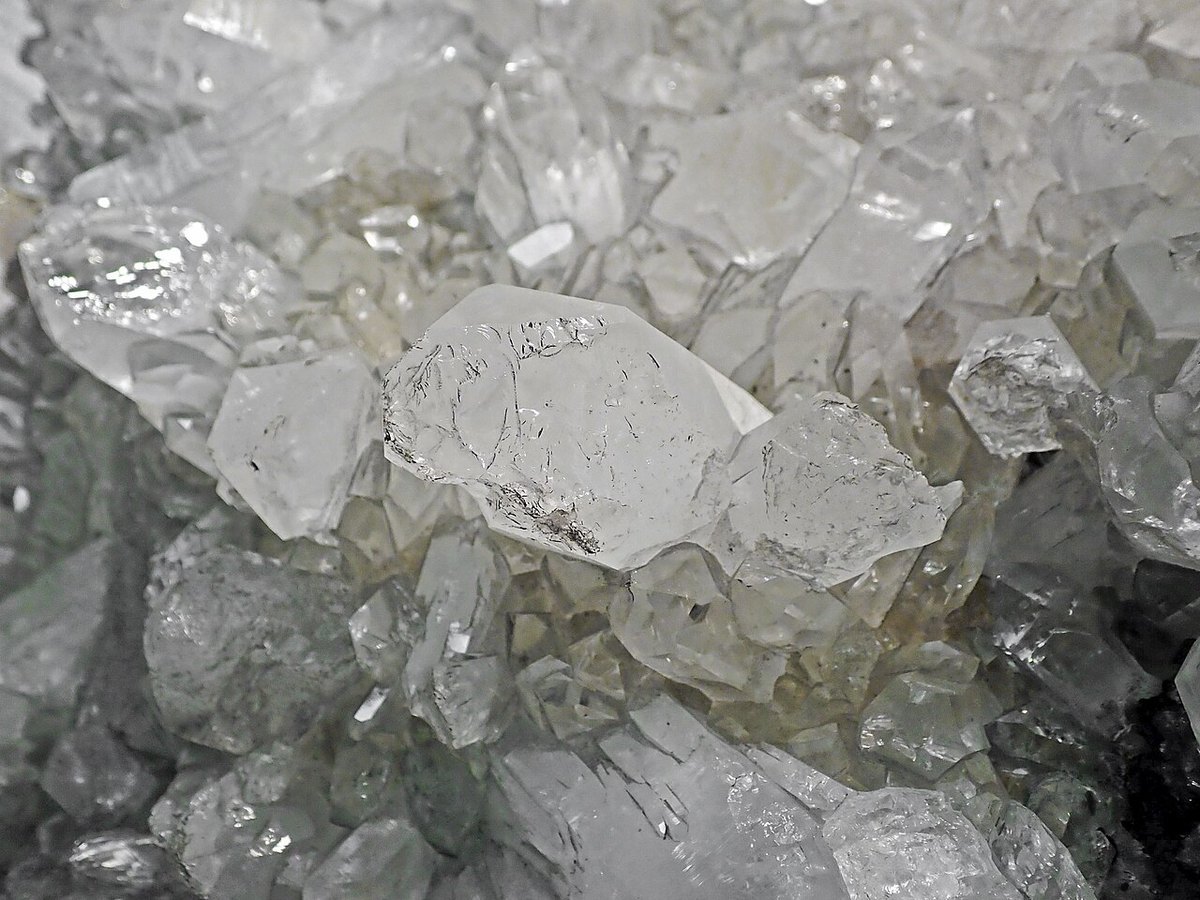
- Orthoclase's name comes from Greek 'orthos' (straight) and 'klasis' (breaking), referencing its two perfect cleavage planes that intersect at nearly 90 degrees.
- Serious gem collectors seeking unusual feldspars
- Those who love golden yellow stones beyond citrine and topaz
- Solar plexus confidence and clarity work
- Unique one-of-a-kind jewelry pieces
- Mineralogy enthusiasts drawn to the feldspar group
- Everyday ring wear (choose yellow sapphire or topaz for durability)
- Buyers wanting widely recognized gems (try citrine or golden topaz instead)
- Those unfamiliar with feldspar cleavage fragility (moonstone is a gentler introduction)
What Is Orthoclase?
Orthoclase is one of the most abundant minerals on Earth - a potassium feldspar that forms a major component of granite and many other igneous and metamorphic rocks. It rates 6 - 6.5 on the Mohs hardness scale.
As a gemstone, transparent yellow to champagne-colored orthoclase from Madagascar is cut into faceted gems, offering a warm golden brilliance rarely seen in mainstream jewelry.
Most people know orthoclase indirectly through its gem varieties: moonstone is an orthoclase-albite intergrowth displaying adularescence, while adularia is a colorless orthoclase variety from the Swiss Alps. Faceted yellow orthoclase is the same mineral species, simply transparent and lacking the distinctive optical phenomena of its famous relatives.
Madagascar produces the finest gem-quality orthoclase, with pale golden-yellow to champagne stones reaching up to 100 carats in exceptional rough. Myanmar is a secondary source. Faceted orthoclase is a genuine collector's stone - beautiful, affordable, but rarely seen in commercial jewelry.
How Orthoclase Compares
| Property | Orthoclase | Yellow Topaz | Citrine |
|---|---|---|---|
| Hardness | 6 - 6.5 | 8 | 7 |
| Price/ct | $ Budget | $ Budget | $ Budget |
| Rarity | Uncommon (gem grade) | Common | Very common |
| Best For | Collectors, unusual jewelry | Durable golden jewelry | Affordable yellow gems |
Meaning and Symbolism
Orthoclase is traditionally associated with clarity of purpose, personal power, and the courage to act on one's authentic truth. In crystal healing frameworks, its golden-yellow color links it to the solar plexus chakra, the energy center thought to govern confidence, will, and self-expression.
Practitioners believe orthoclase supports decision-making and forward momentum, helping the bearer align their choices with their deeper values rather than external expectations. It is said to have a clarifying quality that dissolves confusion and brings objectives into sharp focus.
Some traditions associate orthoclase with the energy of dawn - the moment of new light when intention becomes action. It is thought to be particularly supportive for those beginning significant new undertakings or navigating periods requiring strong personal agency.
Historical Timeline
Healing Tradition
Emotional
Orthoclase is traditionally associated with emotional clarity and the willingness to see oneself honestly without self-deception. Practitioners believe it gently dissolves patterns of avoidance or denial, helping the bearer face emotional truths with courage rather than resistance.
Its golden warmth is said to be encouraging rather than confrontational - supporting honest self-examination from a place of self-respect. Some crystal healers recommend orthoclase for people who have become disconnected from their personal values or who struggle to make decisions aligned with their authentic needs.
Spiritual
Spiritually, orthoclase is thought to strengthen personal sovereignty and the conscious direction of one's life path. Practitioners associate it with the solar plexus chakra's function of aligning will and action, but with a higher spiritual quality - helping the bearer act from inner truth rather than ego.
Some traditions link orthoclase to clarity in communication with guides, higher self, or spiritual support structures, describing it as a stone that strengthens the channel between intention and manifestation. Its lunar connection through moonstone also gives it a subtle reflective quality.
Physical
Orthoclase shares the feldspar group's traditional association with kidney and bladder function in folk healing traditions, reflecting historical beliefs about yellow stones and the body's filtration systems. Some crystal healing frameworks link it to liver support and the processing of toxins - physical counterparts to its emotional clarity associations.
Practitioners sometimes suggest it for digestive support and the relief of tension held in the solar plexus region. These are traditional and metaphysical associations only, not medical claims.
Zodiac, Birthstone and Gifts
Cancer benefits from orthoclase's clarifying energy alongside moonstone's emotional depth - together they support both feeling and thinking clearly. Leo, a sign associated with personal power and creative self-expression, resonates naturally with orthoclase's solar plexus activation and golden warmth.
Scorpio's transformative nature is thought to benefit from orthoclase's courage-supporting properties, helping the bearer move through intense periods of change with purposeful clarity rather than being paralyzed by intensity.
Care and Cleansing
Gentle cleansing under brief cool running water followed by immediate drying is acceptable; avoid prolonged soaking or salt water that can damage feldspar cleavage planes.
Sound cleansing with a singing bowl or tuning fork is an ideal non-contact option that poses zero risk to the stone's facets, cleavage, or surface polish.
Full moonlight exposure outdoors or on a windowsill is a traditional lunar cleansing method appropriate for orthoclase, connecting it to moonstone's deeper lunar heritage.
- DO store orthoclase separately from harder stones like topaz, sapphire, or diamond that can scratch its 6 to 6.5 Mohs surface.
- DO NOT use ultrasonic or steam cleaners - orthoclase has perfect cleavage in 2 directions and is prone to cleaving along those planes under vibration or thermal shock.
- DO NOT expose to salt water, acidic cleaners, or abrasive materials.
- NOTE that orthoclase's 2 perfect cleavage planes make faceted stones vulnerable to chipping from sharp blows - protective settings are essential for rings.
- DO NOT subject to sudden temperature changes as thermal shock can cause cleavage along internal planes.
Real vs Fake
Faceted yellow orthoclase has a characteristic warm champagne-yellow color with a vitreous luster and lower refractive index than citrine or topaz - a refractometer reading of 1.518 to 1.526 confirms orthoclase.
Glass imitations will lack the internal inclusions typical of natural orthoclase and may show gas bubbles under magnification; natural orthoclase often shows cleavage planes or two-phase inclusions.
Yellow topaz and citrine are the most common substitutes; topaz tests harder (8 on Mohs) while citrine is a quartz (hardness 7) - both read higher on a Mohs hardness test than orthoclase.
Genuine orthoclase typically shows two perfect cleavage directions at nearly 90 degrees when examined; this characteristic cleavage is not found in citrine or glass.
Request a gemological report for significant purchases; an experienced gemologist can distinguish orthoclase from yellow beryl, citrine, and topaz through RI, SG, and spectroscopic testing.
Orthoclase Jewelry & Gifts
Faceted gem orthoclase is a specialist purchase typically found at gem shows, mineral fairs, and specialist online dealers rather than mainstream jewelry retailers.
Prices range from $10 to $80 per carat for quality faceted stones; large, clean specimens over 20 carats may command premium prices from collectors.
Color ranges from pale champagne to warm golden-yellow; the most valued material shows a clean, warm golden color with good transparency and minimal inclusions. Madagascar is the primary source of faceted gem orthoclase - stones identified as Malagasy origin are considered the benchmark for quality.
Due to its perfect cleavage, orthoclase is best in protective settings - pendants, earrings, and bezel-set rings rather than prong-set rings or bracelets that receive frequent impact.
Where to Buy Orthoclase
Affiliate disclosure: Some links below earn us a small commission at no extra cost to you. See our affiliate disclosure page.
Handmade, raw, and tumbled pieces from independent sellers worldwide.
Shop Orthoclase on Etsy →Accessories, tools, and specimen sets with fast Prime delivery.
Shop Orthoclase on Amazon →Certified loose gemstones graded and photographed for online buyers.
Shop Orthoclase on GemSelect →Pairs Well With



Where Orthoclase Is Found


