Tektite
Cosmic glass forged by ancient meteorite impacts, tektites carry the energy of transformation and interstellar connection.
- The Australasian tektite event was so massive that it scattered impact glass across 10% of Earth's surface - the largest known strewn field on the planet.
- Tektites form in seconds: from meteorite impact to cooled glass in the atmosphere, the entire process takes under a minute.
- Scientists can determine which impact event produced a tektite by analyzing its trace element chemistry - each strewn field has a unique geochemical fingerprint.
- Tiny tektites called microtektites have been found in ocean sediment cores thousands of kilometers from the nearest strewn field, carried there by wind and water.
- Some tektites show an unusual double-layer structure, indicating they were partially melted twice - once on the way up and again on reentry.
- Spiritual practitioners seeking a grounding yet expansive cosmic stone for meditation
- Collectors interested in verifiable extraterrestrial-origin natural glass specimens
- Anyone exploring past-life work or inter-dimensional awareness in their practice
- Budget-conscious buyers wanting a genuine meteorite-related stone for under $20
- Those drawn to raw, unpolished specimens with authentic aerodynamic shapes
- Fine jewelry buyers who need a facetable, durable gemstone - consider black spinel instead
- Children under 8 without supervision - small specimens are a swallowing hazard
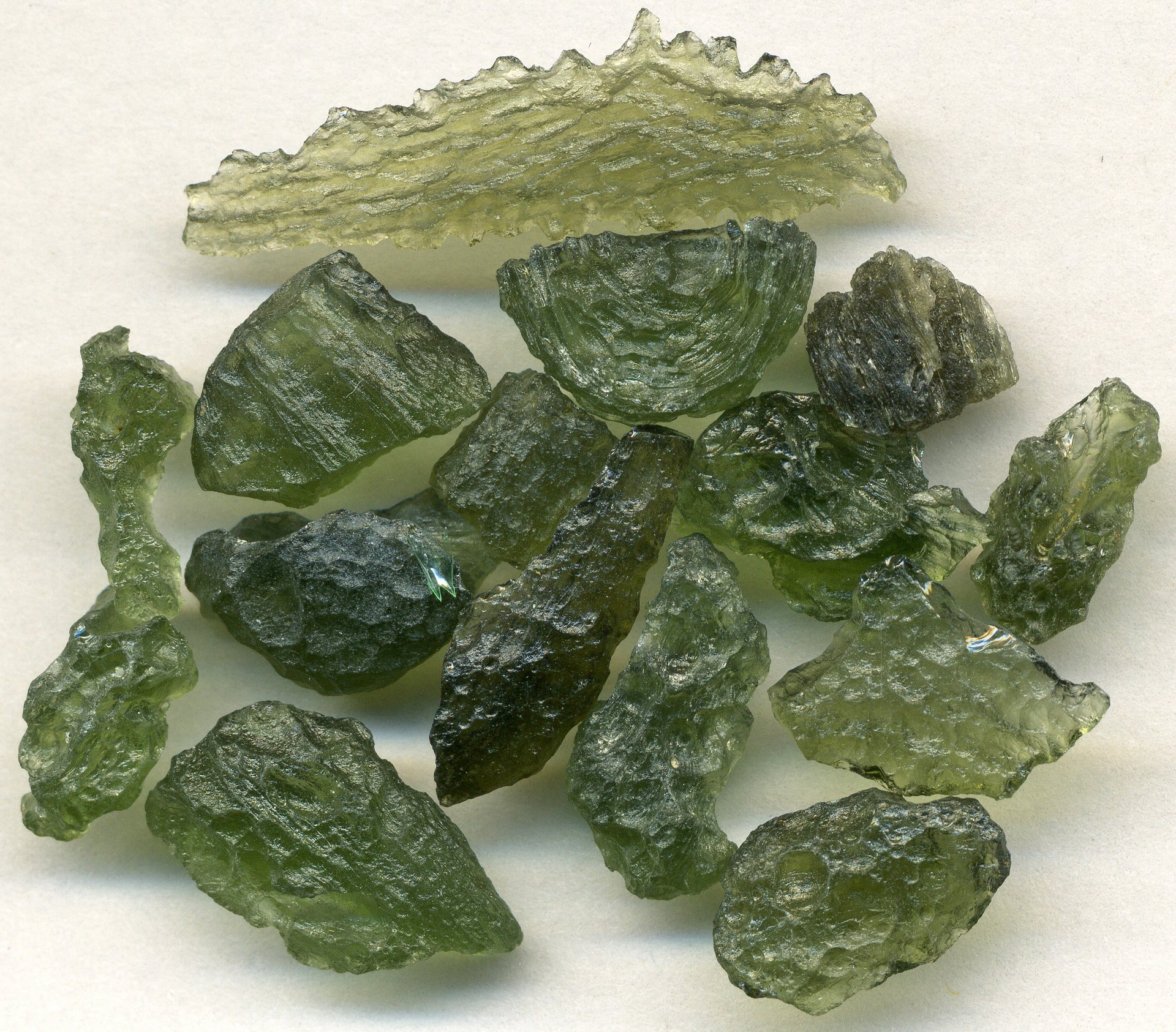
- Anyone looking specifically for Czech moldavite - tektites vary widely by type and origin
What Is Tektite?
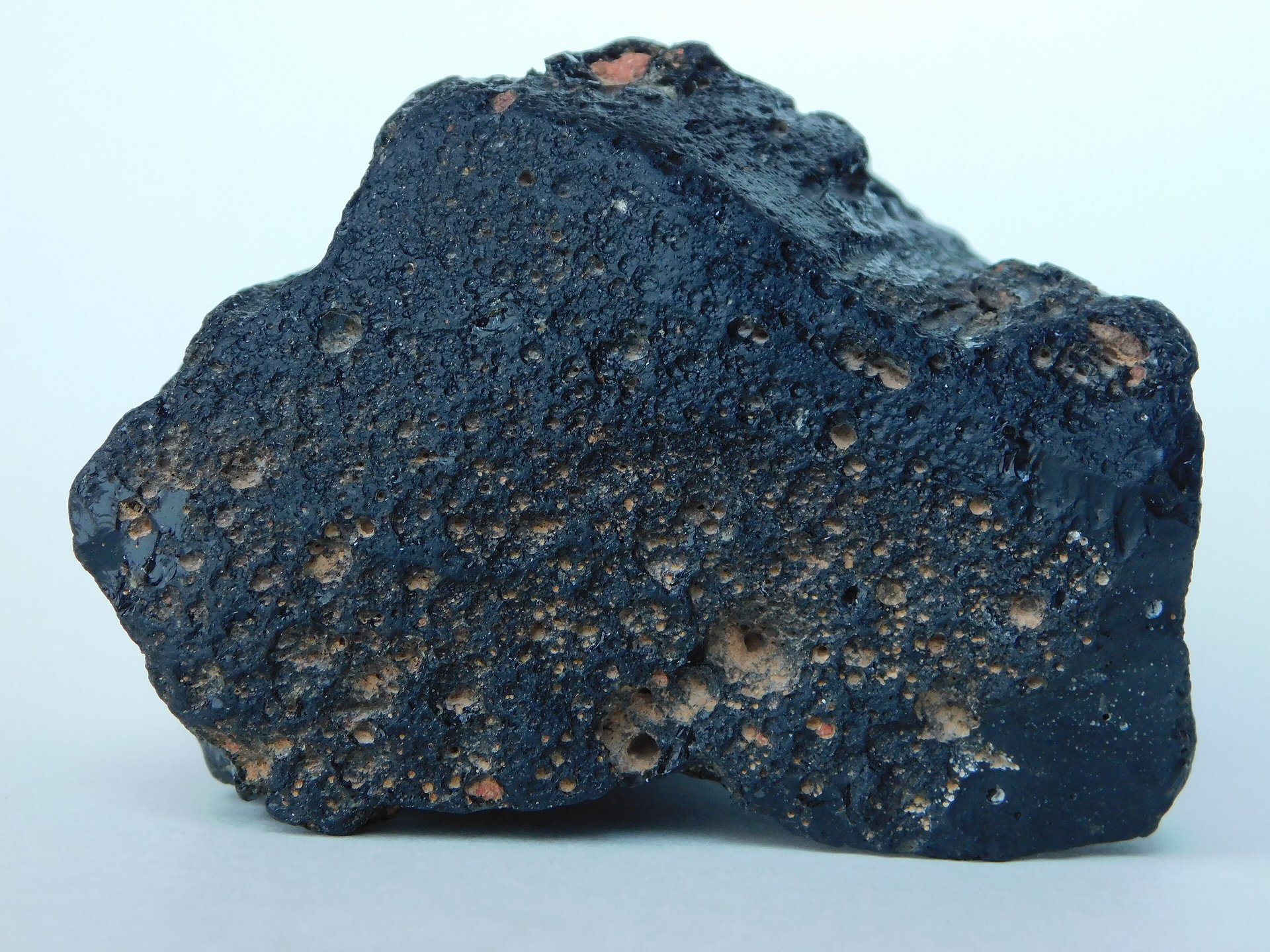
Tektites are naturally occurring silica glasses created when meteorite impacts vaporize terrestrial rock and propel molten droplets into the upper atmosphere. These droplets cool rapidly while traveling at high velocity, producing glassy objects in aerodynamic shapes including spheres, dumbbells, buttons, and teardrops. It rates 5 - 6 on the Mohs hardness scale.
The name comes from the Greek word “tektos,“ meaning molten or woven.
Four major tektite strewn fields exist on Earth: the Australasian field (Southeast Asia and Australia), the North American field (Bediasites in Texas), the Central European field (moldavite), and the Ivory Coast field (West Africa). Each field corresponds to a specific impact event and yields tektites with a slightly different chemical signature.
Indochinites from Southeast Asia are the most widely available and affordable type.
Most tektites are dark - black, dark brown, or dark olive green - and range from translucent to fully opaque. Their surfaces show characteristic aerodynamic flow lines, pitting, and occasionally splash forms, all created during atmospheric flight.
Unlike moldavite, most tektites have not been subjected to prolonged weathering and retain their original glassy luster.
How Tektite Compares
| Property | Tektite (Indochinite) | Moldavite | Obsidian |
|---|---|---|---|
| Hardness | 5 - 6 | 5 - 5.5 | 5 - 5.5 |
| Price | $ Budget | $ Budget | $ Budget |
| Color | Black, dark brown | Forest green | Black, banded |
| Best For | Meditation, collection | Spiritual transformation | Grounding, protection |
Meaning and Symbolism
Tektites have fascinated humans for thousands of years precisely because they look and feel alien - smooth, heavy for their size, and unlike any local rock. Indigenous peoples across Southeast Asia and Australia incorporated tektites into shamanic practice and protective amulets, recognizing them as stones that fell from the sky.
In many Southeast Asian traditions, tektites are considered powerful protective objects that bridge the earthly and celestial realms. Thai and Cambodian folk traditions held that tektites carried protective power against malevolent spirits and misfortune, and small specimens were often carried as personal talismans by travelers and warriors.
Modern crystal healing tradition builds on this cosmic heritage, with practitioners believing tektites facilitate access to higher wisdom and interdimensional awareness. Many find that working with tektites in meditation feels like tuning into a frequency beyond ordinary experience - a sense of expanded consciousness that crystal healers traditionally associate with the stone's extraterrestrial origin.
Historical Timeline
Healing Tradition
Emotional
Crystal healing tradition suggests tektites support emotional resilience and the ability to withstand rapid change without losing one's center. Practitioners believe the stone's cosmic origin lends it a perspective beyond ordinary human drama, helping the bearer maintain equanimity during turbulent emotional periods.
Many find that holding a tektite during difficult conversations or challenging life transitions brings a calming sense of broader perspective. Crystal healers often recommend tektite for those prone to getting lost in emotional overwhelm, suggesting it provides a subtle anchor to what they describe as “cosmic stability.” Regular meditation with tektite is said to gradually build emotional stamina and the capacity for detached observation.
Spiritual
Practitioners believe tektites are among the strongest stones for expanding psychic awareness and interdimensional perception. Crystal healing tradition associates them with opening channels to higher guidance, facilitating access to past-life memories, and heightening sensitivity to subtle energy fields.
Many find that tektite amplifies intuitive impressions during meditation and dreamwork, making it a popular choice for those developing clairvoyance or clairsentience. It is said to accelerate spiritual evolution in ways that feel less overwhelming than moldavite - a useful quality for practitioners who find moldavite too intense but still seek a cosmic accelerant for their path.
Placing a tektite at the crown or third eye during meditation is the most common practice.
Physical
In traditional crystal healing, tektites are associated with heightening the body's sensitivity to its own healing signals - not replacing medical treatment, but supporting awareness of subtle physical cues. Some practitioners believe working with tektite during breathwork or energy healing sessions helps clear energetic stagnation in the upper chakras.
It is traditionally associated with supporting the nervous system's adaptability and is sometimes recommended for those navigating chronic fatigue in an energetic context, though no scientific evidence supports these claims. As with all crystal healing practice, tektite should be used as a complement to, never a replacement for, qualified medical care.
Zodiac, Birthstone and Gifts
Aries resonates with tektite's fiery origin and catalytic energy - the stone mirrors the Ram's pioneering drive to break boundaries and forge new territory. Practitioners believe tektite amplifies Aries' natural courage and helps channel impulsive energy into focused, purposeful action.
For Cancer, the Moon-ruled sign with deep intuitive gifts, tektite is said to enhance emotional perception and psychic sensitivity while providing the cosmic perspective that keeps sensitive Cancerian natures from being overwhelmed by feeling.
Both signs benefit from tektite's reputation as a bridge between inner experience and outer cosmic reality. Crystal healers traditionally recommend Aries carry tektite when launching new ventures, and Cancer use it during introspective new-moon rituals to deepen self-knowledge and connect with ancestral wisdom.
Care and Cleansing
Tektites are relatively easy to cleanse - they tolerate brief rinsing under cool running water, sage or palo santo smudging, and moonlight charging without issue. Avoid extended saltwater soaks, which can affect surface texture over time, but a quick dry salt bed for an hour is generally fine.
Moonlight is the traditional preferred method, symbolically appropriate given the tektite's cosmic origin. Setting it outside or on a windowsill during a full moon overnight is widely recommended in crystal healing circles.
Sound cleansing with a singing bowl or tuning fork is another effective option that requires no direct contact with the stone.
- DO NOT use ultrasonic cleaners - vibration can fracture this brittle impact glass.
- DO store separately from harder gemstones (quartz, topaz) that can scratch tektite's surface.
- DO handle aerodynamic pieces carefully - thin flanges and points chip easily on impact.
- DO NOT soak in saltwater for extended periods - brief rinsing only.
- NOTE: Verify origin and type before purchase; many vendors mislabel synthetic glass as tektite.
- DO keep small tumbled specimens out of reach of young children who might swallow them.
Real vs Fake
Authentic tektites have a characteristic high-silica glass composition that creates a distinctive heft and surface texture - slightly waxy luster, aerodynamic shaping, and often visible surface pitting or flow lines from atmospheric flight.
Fakes are typically made from dyed bottle glass or slag glass and tend to be uniformly shaped, unnaturally black, and perfectly smooth.
Under a loupe or microscope, genuine tektites show elongated bubbles oriented in the direction of airflow, internal swirl structures from turbulent cooling, and occasionally small crystallite inclusions. Manufactured glass copies usually show round bubbles randomly distributed - a reliable indicator of a non-tektite origin.
Price is a useful filter: authentic Southeast Asian indochinites in small sizes typically cost $5 to $30 per piece from reputable mineral dealers. Any tektite-type specimen priced under $2 on a mass-market platform is almost certainly slag glass or dyed bottle glass.
Buy from established mineral dealers who provide locality information and can explain the strewn field of origin.
Tektite Jewelry & Gifts
Tektites span a wide price range depending on type and quality. Southeast Asian indochinites - the most common type - are very affordable at $5 to $30 per specimen for raw pieces. Texas bediasites are rarer and more expensive at $20 to $80 for quality specimens.
Ivory Coast ivorites are seldom available commercially.
For collectors, aerodynamic shapes - perfect spheres, dumbbells, and disc forms - command a significant premium over irregular fragments. Museum-grade pieces with complete surfaces and documented locality can reach hundreds of dollars. For spiritual use, any natural indochinite with good surface texture serves the purpose at very accessible prices.
Avoid purchasing tektites from generic “crystal packs” on mass-market sites without locality documentation. Reputable mineral dealers at gem shows or specialized online stores will confirm the strewn field of origin and distinguish between genuine tektites and look-alike materials like slag glass or basalt.
Where to Buy Tektite
Affiliate disclosure: Some links below earn us a small commission at no extra cost to you. See our affiliate disclosure page.
Handmade, raw, and tumbled pieces from independent sellers worldwide.
Shop Tektite on Etsy →Accessories, tools, and specimen sets with fast Prime delivery.
Shop Tektite on Amazon →Certified loose gemstones graded and photographed for online buyers.
Shop Tektite on GemSelect →Pairs Well With



Where Tektite Is Found


