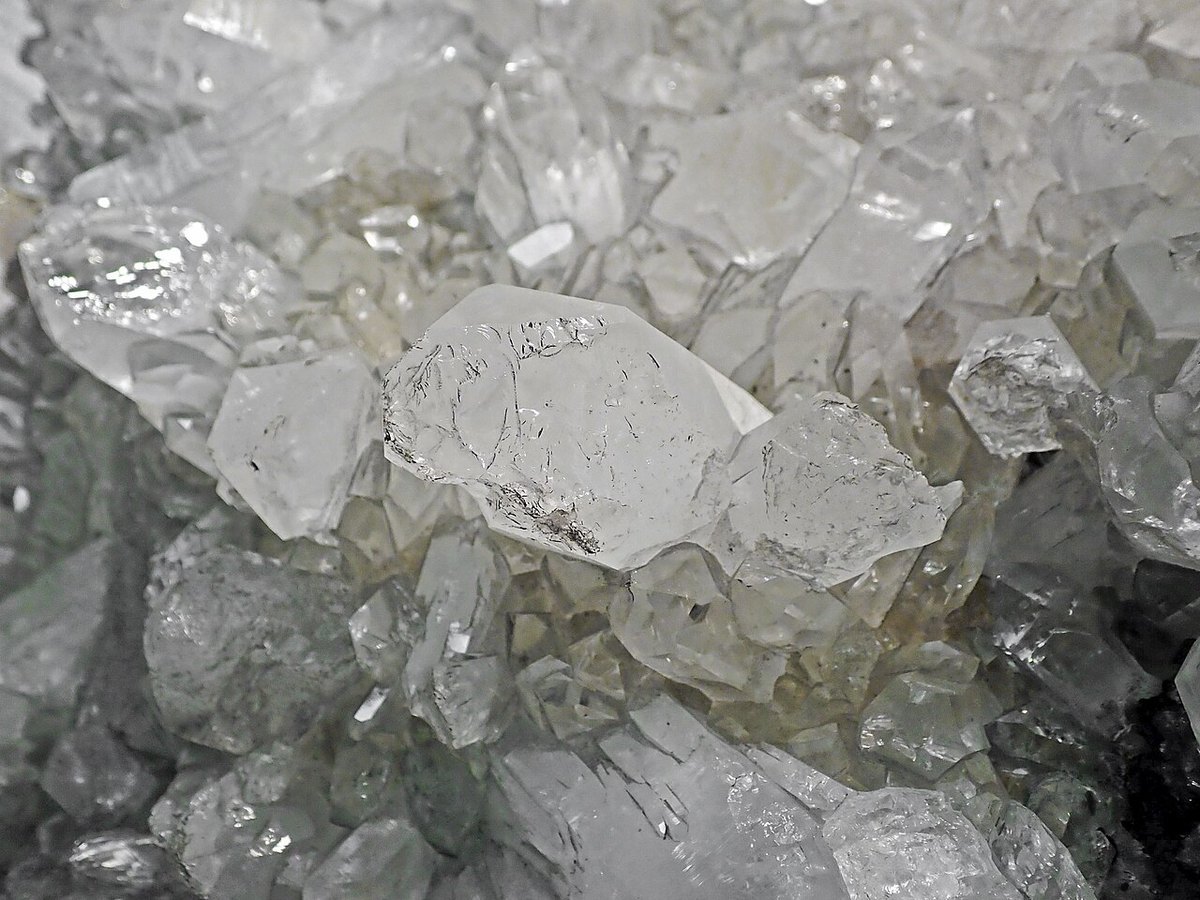
Blue Fluorite
Sky-blue calcium fluoride with a glassy clarity that practitioners associate with mental organization, focused study, and the clearing of mental fog
What Is Blue Fluorite?
Blue fluorite belongs to the halide mineral family, specifically calcium fluoride with the chemical formula CaF₂. Its striking blue coloration arises from radiation-induced color centers and trace element substitutions during crystal formation. This captivating hue distinguishes blue fluorite from its more common green and purple cousins among collectors worldwide.
This gemstone crystallizes in the cubic crystal system, displaying perfect octahedral cleavage in four directions. Blue fluorite rates 4 on the Mohs hardness scale, making it suitable for display but requiring careful handling. Its transparent to translucent appearance and vitreous luster showcase pale sky blue through deep navy tones beautifully.
Blue fluorite forms in hydrothermal environments within fluorite deposits found globally. Major sources include China, Mexico, and England, where specimens have been prized for centuries. The mineral's formation involves fluorine-rich fluids crystallizing under specific temperature and pressure conditions, creating the gem-quality specimens collectors treasure today.
Meaning and Symbolism
Romans carved fluorite into decorative vessels and prized blue-tinted examples particularly. Blue fluorite specimens from the Alston Moor mines of northern England became sought-after collector items in the nineteenth century, appearing in major natural history museum collections across Europe alongside other celebrated fluorite color varieties.
The mineral was formally named 'fluorite' in 1797 by Carlo Antonio Galeani Napione, derived from the Latin 'fluere' meaning to flow, because it served as a metallurgical flux. Blue varieties attracted Victorian mineralogists documenting their occurrence in Cornwall, Derbyshire, and the Swiss Alps alongside other fluorite colors.
In contemporary crystal traditions, blue fluorite is associated with the Throat and Third Eye chakras, a classification that emerged in Western metaphysical literature through the late twentieth century. Practitioners describe it as a stone for teachers and writers who work to communicate complex ideas with clarity.
Healing Tradition
Emotional
Practitioners believe blue fluorite calms an overactive, anxious mind and encourages patient, measured self-expression. It is said to gently dissolve the fear of speaking one's truth, supporting those who struggle to translate complex inner experience into words - particularly in professional settings, creative work, or difficult personal conversations requiring careful, honest communication.
Spiritual
Traditionally associated with the Throat and Third Eye chakras, blue fluorite is said to bridge inner knowing with authentic outward expression. Crystal healing tradition holds that it clears communication channels between higher perception and verbal articulation, helping practitioners speak from a place of genuine understanding rather than anxiety or performance, aligning word with spirit.
Physical
Some practitioners believe blue fluorite supports the respiratory system and may ease throat tension associated with suppressed communication. These associations are drawn from traditional crystal lore and are not medically verified. Blue fluorite is used in wellness settings as a complementary support during breathwork, throat singing practice, and vocal warm-up rituals - not as a replacement for medical care.
Where to Buy Blue Fluorite
Affiliate disclosure: Some links below earn us a small commission at no extra cost to you. See our affiliate disclosure page.
Handmade, raw, and tumbled pieces from independent sellers worldwide.
Shop Blue Fluorite on Etsy →Accessories, tools, and specimen sets with fast Prime delivery.
Shop Blue Fluorite on Amazon →Certified loose gemstones graded and photographed for online buyers.
Shop Blue Fluorite on GemSelect →Pairs Well With