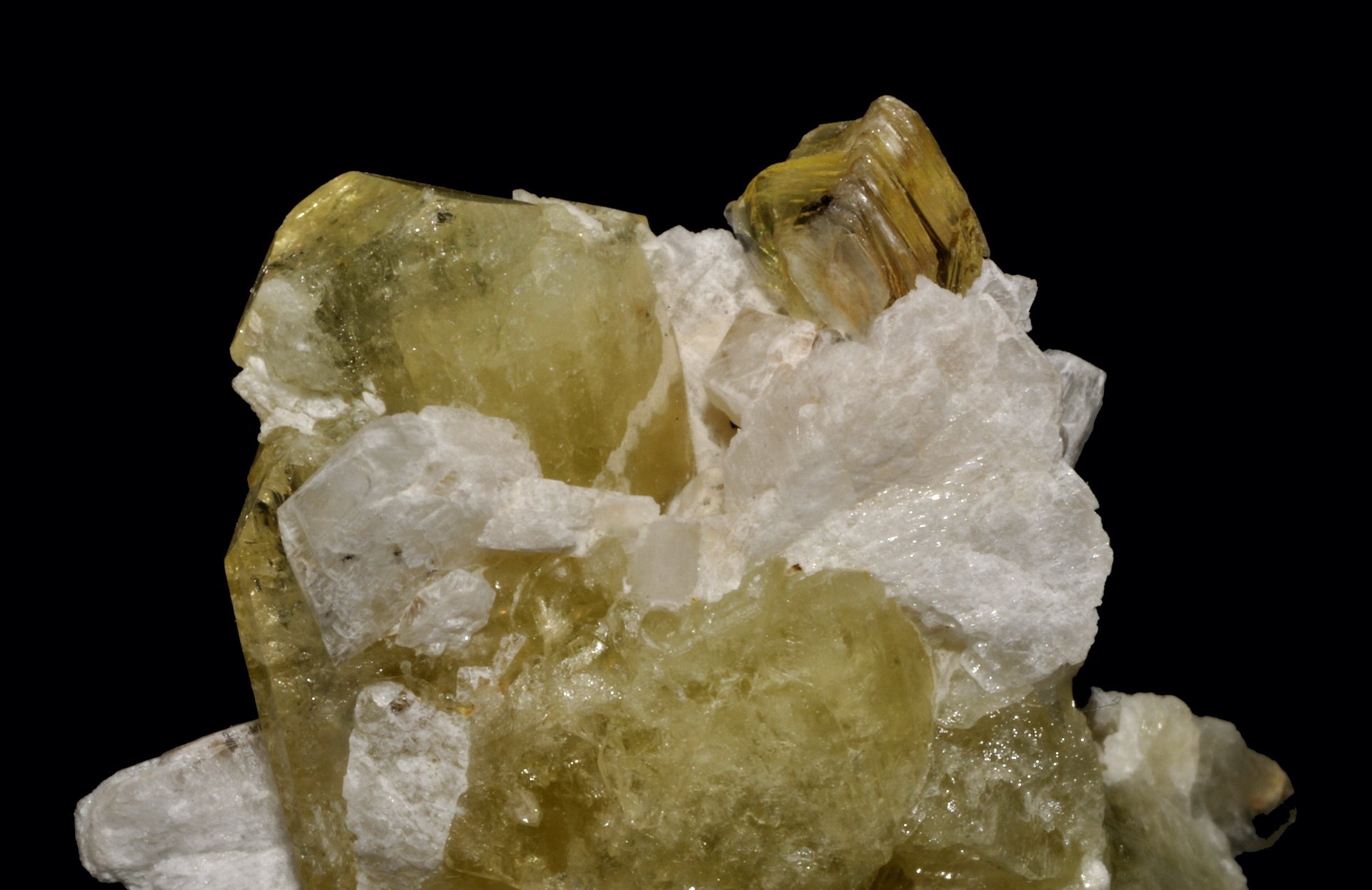
Brazilianite
Brazilianite is a rare sodium aluminum phosphate forming brilliant yellow-green gem crystals discovered in Brazil in 1944 and named for its.
- Brazilianite was initially mistaken for chrysoberyl when first found in 1944 - a misidentification that led to its formal mineral species description as a new phosphate.
- Despite being named after Brazil, the only confirmed second locality is the Palermo Mine in New Hampshire - making it one of the most geographically restricted gem minerals.
- Brazilianite was described in 1944 by Frederick Pough, a gemologist who also wrote one of the most widely used field guides to minerals in the English language.
- The yellow-green color of brazilianite comes from iron in the phosphate structure - the same element that gives many yellow and green minerals their distinctive colors.
- Despite Mohs 5.5 hardness, some exceptionally clear brazilianite crystals have been successfully faceted into collector gems of extraordinary brilliance.
- Serious mineral and gem collectors who specifically seek rare species discovered in the 20th century
- Solar plexus and heart chakra practitioners wanting an exceptionally rare yellow-green gem stone
- Those interested in the phosphate mineral family and Brazil's extraordinary gem mineral diversity
- Gift givers marking extraordinary occasions with a truly museum-quality rare mineral gift
- Gemologists and students wanting examples of the rare monoclinic phosphate gem family
- Budget collectors - brazilianite is a genuinely rare mineral and fine specimens command premium prices
- Jewelry wearers needing daily durability - Mohs 5.5 limits brazilianite to protected pendant and collector settings
- Those wanting common or widely recognized stones - brazilianite is among the most niche of collector gems
What Is Brazilianite?
Brazilianite is a rare sodium aluminum phosphate mineral (NaAl3(PO4)2(OH)4) first described in 1944 from the Conselheiro Pena and Governador Valadares areas of Minas Gerais, Brazil. It rates 5.5 on the Mohs hardness scale.
It was initially mistaken for chrysoberyl by the Brazilian miners who found it, and its eventual identification as a new mineral species - named for its country of discovery - was considered a significant mid-20th century mineralogical finding.
The species is unusual for forming gem-quality transparent crystals of collector interest in a mineral family (phosphates) that rarely produces facetable material.
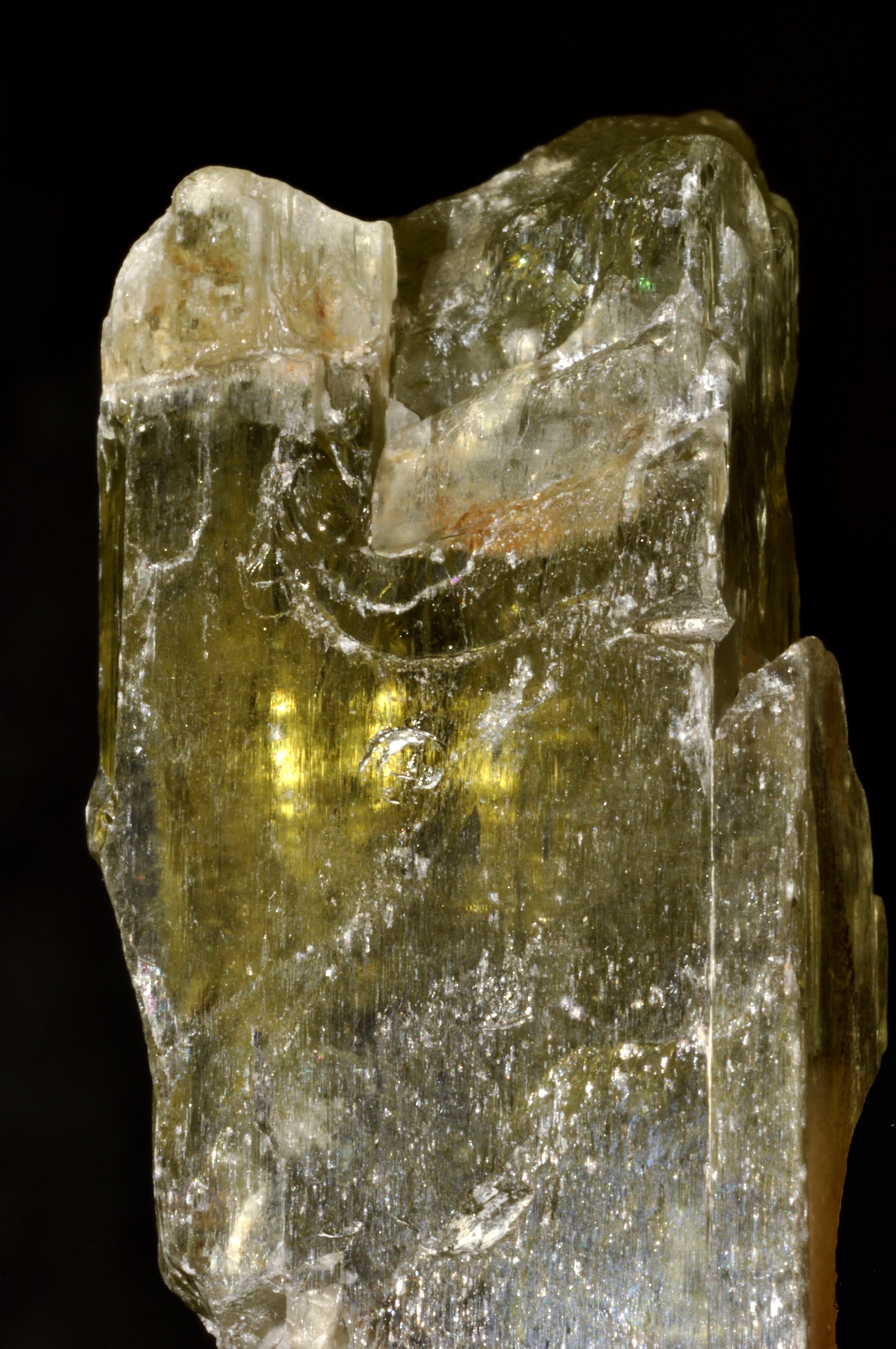
Brazilianite forms monoclinic crystals with a brilliant vitreous luster, typically prismatic with wedge-shaped or spear-like terminations. Color ranges from pale yellow through chartreuse to yellow-green, the result of iron traces within the phosphate structure. Mohs hardness of 5.5 limits its use in jewelry but the exceptional crystal quality of the best specimens makes them prized faceted collector gems.
Specific gravity of 2.98 and refractive index of 1.602 to 1.621 contribute to good light return in faceted stones.
Brazilianite occurs in lithium-bearing granitic pegmatites alongside tourmaline, apatite, albite, and muscovite. Its restricted primary occurrence in Brazil's Minas Gerais state makes it one of the most geographically limited gem minerals commercially encountered.
Occasional specimens appear from New Hampshire, USA, but Brazilian material represents the vast majority of collector and gem-grade brazilianite worldwide.
How Brazilianite Compares
| Property | Brazilianite | Chrysoberyl | Yellow-Green Tourmaline |
|---|---|---|---|
| Hardness | 5.5 | 8.5 | 7 - 7.5 |
| Price / carat | $$ Mid-range | $$ Mid-range | $ Budget |
| Rarity | Very Rare | Uncommon | Uncommon |
| Best For | Collecting, rare gem | Jewelry, cat's eye | Jewelry, collecting |
Meaning and Symbolism
Brazilianite's metaphysical tradition is recent and relatively undeveloped compared to ancient stones - as a mineral species discovered in 1944, it has only had eight decades to accumulate spiritual associations.
Practitioners who work with it draw primarily from its color energetics (yellow-green connecting solar plexus and heart chakras), its origin in Brazil's extraordinary mineral abundance, and its quality of crystalline clarity and light.
Yellow-green in crystal healing is associated with the transition zone between solar plexus (personal power, will, vitality) and heart chakra (compassion, connection, love). Stones in this color range are said to support the integration of confident self-expression with genuine care for others - the quality that makes authentic leadership rather than mere power.
Practitioners describe brazilianite as amplifying this quality of warm personal authority.
The mineral's origin in lithium-rich pegmatites alongside tourmaline and other high-vibration gems from Brazil's Minas Gerais gives it an energetic context associated with some of the most potent gem energies in the metaphysical world.
Practitioners who work with Brazilian mineral energetics describe brazilianite as a refined, rare note within Minas Gerais's extraordinary gemological symphony.
Historical Timeline
Healing Tradition
Emotional
Practitioners believe brazilianite supports the integration of personal power with compassionate awareness - the emotional quality that allows individuals to lead from genuine strength rather than insecurity or aggression.
It is said to activate confident self-expression while keeping the heart open to others' perspectives, creating what many practitioners describe as the optimal emotional state for authentic leadership. The yellow component energizes and motivates; the green component keeps this energy warm and empathetic.
Many crystal workers use brazilianite with clients in positions of authority who struggle with either over-control (too much solar plexus without heart) or inability to assert boundaries (too much heart without solar plexus). The stone is said to support the integration point between these polarities.
Spiritual
In crystal healing tradition, brazilianite bridges the solar plexus chakra and the heart chakra with an energy practitioners describe as refining will into wisdom.
It is used in practices focused on conscious leadership, intentional creativity, and the development of spiritual authority - the quality of someone who leads through genuine inner knowing rather than through externally imposed power.
Brazil's extraordinary mineral tradition adds a dimension of gemological lineage - the stone comes from the same geological matrix that produced the tourmalines, aquamarines, and imperial topaz of the world's most gem-productive region.
Practitioners who work with Brazilian mineral energy describe brazilianite as accessing the most refined frequency of Minas Gerais's crystalline intelligence.
Physical
Crystal wellness practitioners position brazilianite between the solar plexus and heart center in crystal body layouts, using it to facilitate energy flow between these two major centers. It is said to support the physical experience of integrated will and warmth - the bodily sense of confident relaxation rather than tense striving.
The stone's rarity and beauty make it a powerful meditative object regardless of specific placement. Some practitioners use the clarity of gem-quality brazilianite as a contemplation focal point for practices focused on clarity of purpose and the quality of attention that comes from genuine engagement.
Zodiac, Birthstone and Gifts
Leo's solar nature and association with authentic leadership, creative self-expression, and warm personal authority align closely with brazilianite's solar plexus-heart chakra bridge. Practitioners describe brazilianite as a stone that elevates Leo's natural leadership capacity by ensuring it remains heart-centered rather than ego-driven.
The solar yellow of the stone resonates with Leo's ruling Sun.
Gemini's dual nature - the intellect and the heart in constant dialogue - finds a resonant template in brazilianite's yellow-green integration of solar plexus and heart. Practitioners suggest the stone supports Gemini's capacity for warm, brilliant communication by keeping both mental clarity and genuine feeling active simultaneously.
Care and Cleansing
Brazilianite is safe for water, salt, sunlight, and sound cleansing given its phosphate chemistry and Mohs 5.5 hardness. Brief water rinsing under cool water is appropriate for regular cleansing.
Dry gently with a soft cloth. Handle crystal specimens with special care - the brilliant vitreous crystal faces are the most collectible aspect and surface scratches are irreversible.
Sound cleansing with a singing bowl is the preferred method for fine crystal specimens, avoiding any physical contact. Sunlight is safe and resonant with brazilianite's solar plexus and solar energy associations. Selenite charging plates work well for regular maintenance cleansing between uses.
Moonlight is less aligned energetically for this solar stone but is fully safe.
- DO handle crystal specimens with clean, dry hands and place on padded surfaces to protect prismatic crystal faces.
- DO store in a padded display case away from harder minerals that will scratch the Mohs 5.5 surface.
- DO NOT expose to ultrasonic cleaners - the physical vibrations can fracture gem-quality phosphate crystals.
- DO NOT use steam cleaning - thermal stress can crack transparent crystals along internal cleavage planes.
- DO use a soft cloth for any surface cleaning and avoid abrasive materials.
- NOTE: due to rarity and value, significant brazilianite specimens should be photographed and documented for insurance purposes.
Real vs Fake
Genuine brazilianite has a distinctive yellow to yellow-green color with excellent transparency in quality specimens. Crystal form is monoclinic-prismatic with characteristic spear-like or wedge terminations. The vitreous luster on fresh crystal faces is exceptionally brilliant for a phosphate mineral.
A refractometer reading of 1.602 to 1.621 and specific gravity near 2.98 confirms identity.
Misidentification with chrysoberyl was the original discovery issue, and this remains possible for non-specialist buyers. Chrysoberyl (Mohs 8.5) is significantly harder than brazilianite (5.5) and shows different crystal habit. Yellow apatite (Mohs 5) is somewhat similar in appearance and hardness but has hexagonal crystal form and different specific gravity.
Yellow tourmaline is harder and has trigonal crystal form.
The most reliable approach is purchase from established mineral dealers who can provide locality documentation for Brazilian material. Crystals from Conselheiro Pena or Governador Valadares in Minas Gerais are the documented standard. Request a dealer's written confirmation of species identification, origin, and any gemological testing for significant purchases.
Brazilianite Jewelry & Gifts
Brazilianite is a premium rarity mineral whose pricing reflects genuine scarcity and restricted origin. Small crystal specimens on matrix start at approximately $50 to $150. Quality specimens with well-formed prismatic crystals and good yellow-green color run $150 to $500.
Exceptional gem-quality crystals or faceted stones from notable localities can reach $500 to several thousand dollars at major mineral auctions.
Crystal quality, color saturation, and size are the primary value factors. The most desirable specimens show clear, vivid yellow-green color throughout without color zoning or cloudiness, with well-defined prismatic crystal form and minimal matrix. Gem-quality faceted brazilianite is among the rarest faceted collector stones in the market and commands significant premium.
Purchase exclusively from established mineral dealers, gem and mineral auction platforms, or specialist Brazilian mineral importers who can document Minas Gerais origin. Brazilianite's rarity means it rarely appears in standard crystal shops; look for dealers who specifically handle Brazilian phosphate minerals. New Hampshire material is occasionally available through specialist US collectors.
Where to Buy Brazilianite
Affiliate disclosure: Some links below earn us a small commission at no extra cost to you. See our affiliate disclosure page.
Handmade, raw, and tumbled pieces from independent sellers worldwide.
Shop Brazilianite on Etsy →Accessories, tools, and specimen sets with fast Prime delivery.
Shop Brazilianite on Amazon →Certified loose gemstones graded and photographed for online buyers.
Shop Brazilianite on GemSelect →Pairs Well With



Where Brazilianite Is Found

