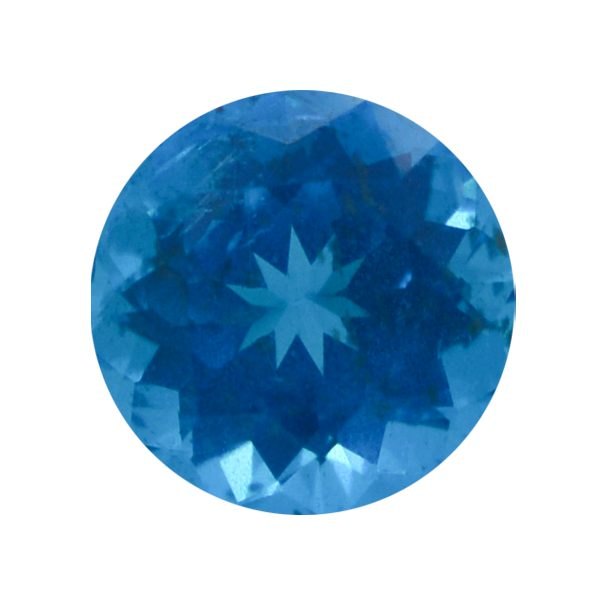
Apatite
Named from the Greek for deceit because it was so often mistaken for other gems, apatite now dazzles with neon-blue Madagascar brilliance.
- Apatite is the primary mineral in human tooth enamel, making it the hardest mineral naturally produced by your body.
- The name apatite comes from the Greek word for deceit because of how often it was confused with other gems.
- Some apatite fluoresces bright yellow or pink under longwave UV light.
- Blue apatite from Madagascar rivals Paraiba tourmaline in color at roughly 5 to 10 percent of the price.
- Apatite is the global source of phosphorus used in agricultural fertilizers.
- Buyers seeking Paraiba-like electric blue at mid-market prices
- Collectors of the phosphate mineral family and unusual fluorescence
- Practitioners working with throat chakra communication
- Readers drawn to neon colors (blue, teal, green, yellow, violet)
- Gift givers looking for a distinctive pendant or earring stone
- Daily-wear ring buyers (apatite is soft; consider sapphire)
- Those who want a robust stone for travel (consider topaz)
- Buyers avoiding fluorescence variation (consider aquamarine)
What Is Apatite?
Apatite is a group of phosphate minerals, the most common of which is fluorapatite. It is the same mineral family that makes up human tooth enamel and bones. It rates 5 on the Mohs hardness scale.
The name comes from the Greek apatao, meaning to deceive, because apatite was historically confused with many other gems, including tourmaline, beryl, topaz, and fluorite.
At Mohs 5, apatite is softer than most gems used in daily jewelry, which is one of the reasons it has historically been overlooked despite its beautiful colors. The stone forms in igneous and metamorphic environments and is found in pegmatites, marbles, and volcanic flows worldwide.
The most famous modern apatite is the neon blue variety from Madagascar, discovered in the 1990s, which rivals Paraiba tourmaline in color at a fraction of the price. Other important commercial varieties include green (Brazil and Myanmar), yellow-green asparagus stone, and rare violet and pink material.
Most gem apatite is untreated, but some stones are gently heated to improve clarity. Apatite often shows strong pleochroism, a color shift between different viewing angles, and some specimens fluoresce under UV light. Cat's-eye apatite showing a sharp chatoyant band is a collector favorite.
How Apatite Compares
| Property | Apatite | Paraiba Tourmaline | Aquamarine |
|---|---|---|---|
| Hardness | 5 | 7 - 7.5 | 7.5 - 8 |
| Price / carat | $ Budget | $$$$ Luxury | $$ Mid-range |
| Color | Neon blue/teal | Electric neon blue | Pale sea blue |
| Best For | Pendants, earrings | Investment rings | Daily-wear rings |
Meaning and Symbolism
Apatite was first named by German mineralogist Abraham Gottlob Werner in 1786, from the Greek word meaning to deceive, because the mineral had been mistaken for so many other gemstones over the centuries.
Despite this long-standing recognition as a mineral species, apatite did not become a commercially important gem until the late twentieth century, when Madagascar began producing its signature neon blue and teal material.
Apatite has significance well beyond gemology. It is the primary mineral in bones and teeth of vertebrate animals, including humans, and it is the largest commercial source of phosphorus used in fertilizers.
The gem market is a tiny fraction of the global apatite industry, which is measured in hundreds of millions of tons per year for agricultural use. In crystal healing tradition, apatite is associated with honest communication, clear thinking about personal growth, and what practitioners call manifestation of sustained goals.
Blue apatite specifically is traditionally linked with the throat chakra and with weight loss or physical transformation work, a connection that may trace back to the mineral's natural role in bone structure.
Practitioners often pair apatite with clear quartz for amplification in intention grids, and with amethyst for combined throat and third eye work.
Historical Timeline
Healing Tradition
Emotional
Practitioners believe apatite supports emotional clarity about long-term personal goals. In crystal healing tradition, it is often recommended for people working on health changes, creative commitments, or career direction, because its reputation is focused on sustained transformation rather than dramatic emotional shift.
Many readers wear blue apatite jewelry during extended goal-setting periods, and practitioners sometimes describe the stone as a visual anchor for commitment.
Practitioners pair apatite with citrine when the work involves confidence, or with rose quartz when the goal involves relationships or self-acceptance. Because its reputation is motivational rather than soothing, apatite is often described as a working stone for active life phases rather than restful ones.
Readers sometimes describe apatite as helpful for public speaking preparation and honest self-expression in professional settings.
Spiritual
Apatite is traditionally associated with the throat chakra and with what crystal workers call inspired speech and teaching. Practitioners often recommend blue apatite to teachers, writers, coaches, and public speakers for clear articulate expression. In modern metaphysical tradition, apatite is sometimes linked with past-life memory and with clearing confusion around life purpose.
Many readers keep a tumbled apatite on the writing desk or meditation altar during periods of vocational discernment, and some practitioners use small pieces in grids focused on teaching or public platform work.
It pairs readily with clear quartz and amethyst for combined wisdom and expression practice. The stone is said to activate rather than calm, which is why it is typically not recommended for evening or sleep-focused work.
Physical
Practitioners believe apatite supports what they describe as bone and tooth health in folk crystal tradition. This association may come from the mineral's actual role as the primary component of vertebrate bone, which is a connection often noted in modern metaphysical texts.
In modern crystal healing practice, apatite is also associated with appetite regulation and with motivation for physical exercise.
Some readers wear blue apatite during periods of dietary change or physical-training commitment, and practitioners describe the stone as helpful for maintaining focus on long-term wellness goals.
It is not a substitute for medical care, and practitioners frame its role as supportive alongside proper treatment. Because apatite is soft, it is best worn as pendant or earring jewelry rather than as a ring subject to daily wear.
Zodiac, Birthstone and Gifts
Apatite is traditionally associated with Gemini because the sign's Mercury rulership emphasizes communication and teaching, qualities practitioners link with blue apatite's throat-chakra associations. For Libra, apatite is recommended as a supporting stone for articulate diplomatic speech and for sustained commitment to partnership and professional goals.
Although apatite is not a formal US birthstone, it is sometimes offered as a birthday alternative for May and June Geminis because of its vivid blue and teal colors. In Vedic tradition, apatite is occasionally used as a substitute for Paraiba tourmaline when that stone is unavailable or outside budget.
Care and Cleansing
Apatite is sensitive to heat, prolonged water exposure, and harsh chemicals. Dry methods are preferred.
Smoke cleansing with sage, cedar, or palo santo is the traditional favorite and carries no risk of damage. Sound cleansing with a singing bowl is also safe, as is a short session of moonlight on a windowsill.
A brief rinse under lukewarm running water is acceptable for occasional refresh, but prolonged soaking should be avoided. Salt, saltwater soaks, ultrasonic cleaners, and steam cleaners should all be avoided because apatite is soft and can crack under sudden thermal shock.
Prolonged direct sunlight can fade some apatite colors, particularly blue and yellow varieties.
Many readers place apatite on a selenite plate overnight for routine refresh because selenite is considered self-cleansing and transfers no moisture to the softer stone. Apatite is often cleansed more frequently than harder gems because its motivational use invites energetic reset between goals.
- DO NOT soak apatite in water, saltwater, or harsh cleaners.
- DO store apatite out of prolonged direct sunlight to preserve color.
- DO NOT use ultrasonic or steam cleaners on apatite.
- DO remove apatite jewelry before exercise, swimming, and rough work.
- DO store apatite separately from harder stones to prevent scratches.
- DO wipe apatite with a soft cloth after wearing to preserve polish.
- Note: apatite is slightly brittle; avoid impact on faceted edges.
Real vs Fake
Genuine apatite typically shows strong pleochroism (color shift between viewing angles) and some specimens fluoresce under UV light. The stone has a refractive index of around 1.634 to 1.638, slightly higher than quartz but lower than tourmaline.
Neon blue Madagascar apatite often contains small natural inclusions and color zoning under 10x magnification. Stones that appear perfectly uniform may be synthetic or imitation.
Common imitations include glass (cold to touch, shows gas bubbles), synthetic spinel in neon blue (different RI), and Paraiba tourmaline sold at confused pricing.
The most important distinction for buyers is apatite versus Paraiba tourmaline because the colors can look similar but the prices differ by a factor of twenty or more. A refractometer test quickly separates apatite from tourmaline, and laboratory reports confirm origin for significant stones.
Reputable sellers disclose when a stone is apatite rather than Paraiba tourmaline, and any seller offering neon blue stones at rock-bottom prices is likely selling apatite, synthetic spinel, or glass rather than genuine Paraiba tourmaline.
For high-value purchases, insist on laboratory testing. Because apatite is softer than most common fakes, a simple hardness test against quartz (Mohs 7) can sometimes rule out harder imitations: apatite will be scratched by quartz, while many synthetic gems will not be.
Apatite Jewelry & Gifts
Apatite prices range from $30 per carat for small green or yellow commercial stones to over $400 per carat for top Madagascar neon blue material.
Standard faceted blue apatite in 1-2 carat sizes typically runs $40 to $120 per carat. Neon blue or electric teal Madagascar stones in 2+ carat sizes reach $200 to $400 per carat, with record specimens approaching $600 per carat.
Green apatite is typically less expensive, $30 to $80 per carat, while rare violet and pink material can reach $150 to $300 per carat. Treatments are minimal in the apatite market. Gentle heat is occasionally used to improve clarity or color, and this should be disclosed.
When buying, look at color saturation in daylight and under incandescent light to assess pleochroism, examine under a 10x loupe for inclusions, and choose a cut that maximizes color face-up.
Oval and cushion cuts are traditional favorites. For significant purchases, ask for origin documentation. Madagascar provenance carries the highest premium for neon blue material, and a laboratory report confirming natural color is valuable for any stone over $500.
Where to Buy Apatite
Affiliate disclosure: Some links below earn us a small commission at no extra cost to you. See our affiliate disclosure page.
Handmade, raw, and tumbled pieces from independent sellers worldwide.
Shop Apatite on Etsy →Accessories, tools, and specimen sets with fast Prime delivery.
Shop Apatite on Amazon →Certified loose gemstones graded and photographed for online buyers.
Shop Apatite on GemSelect →Pairs Well With

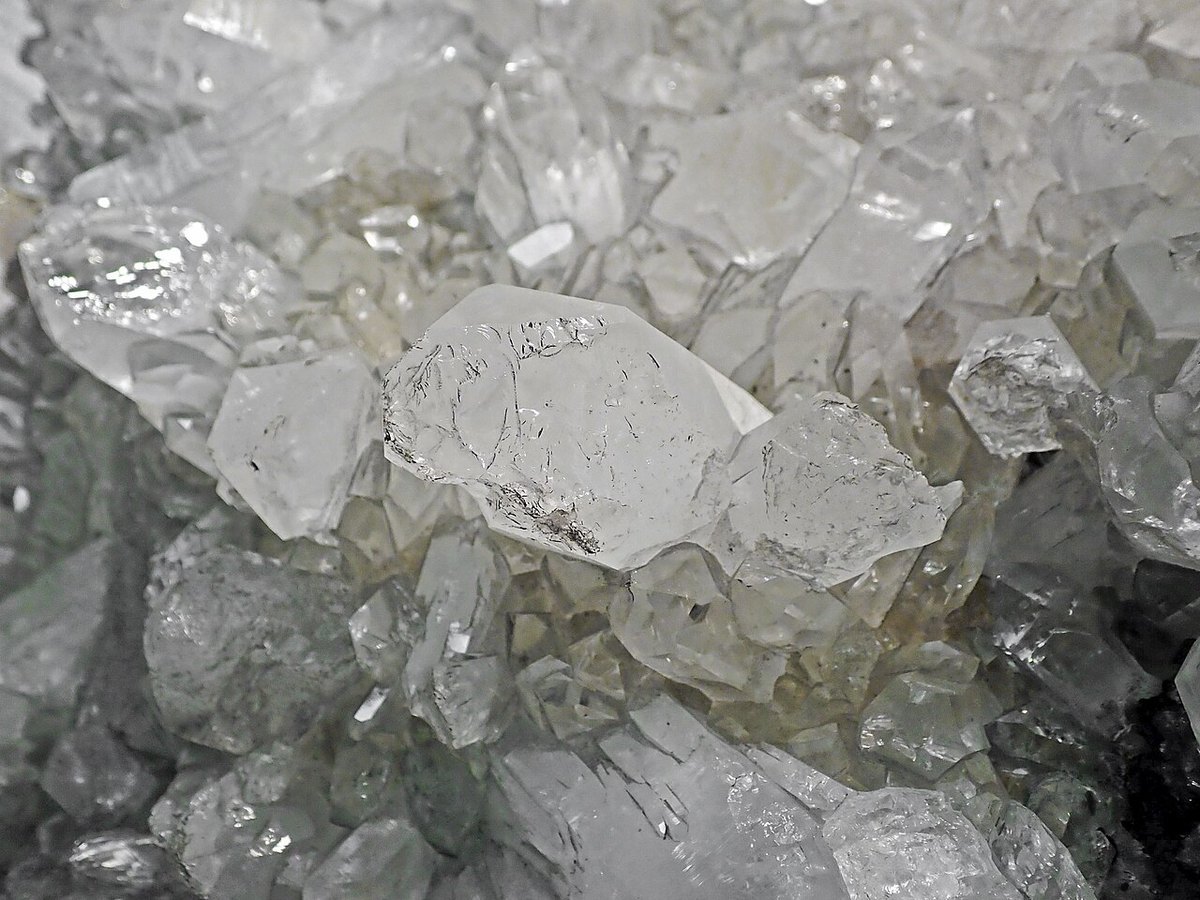

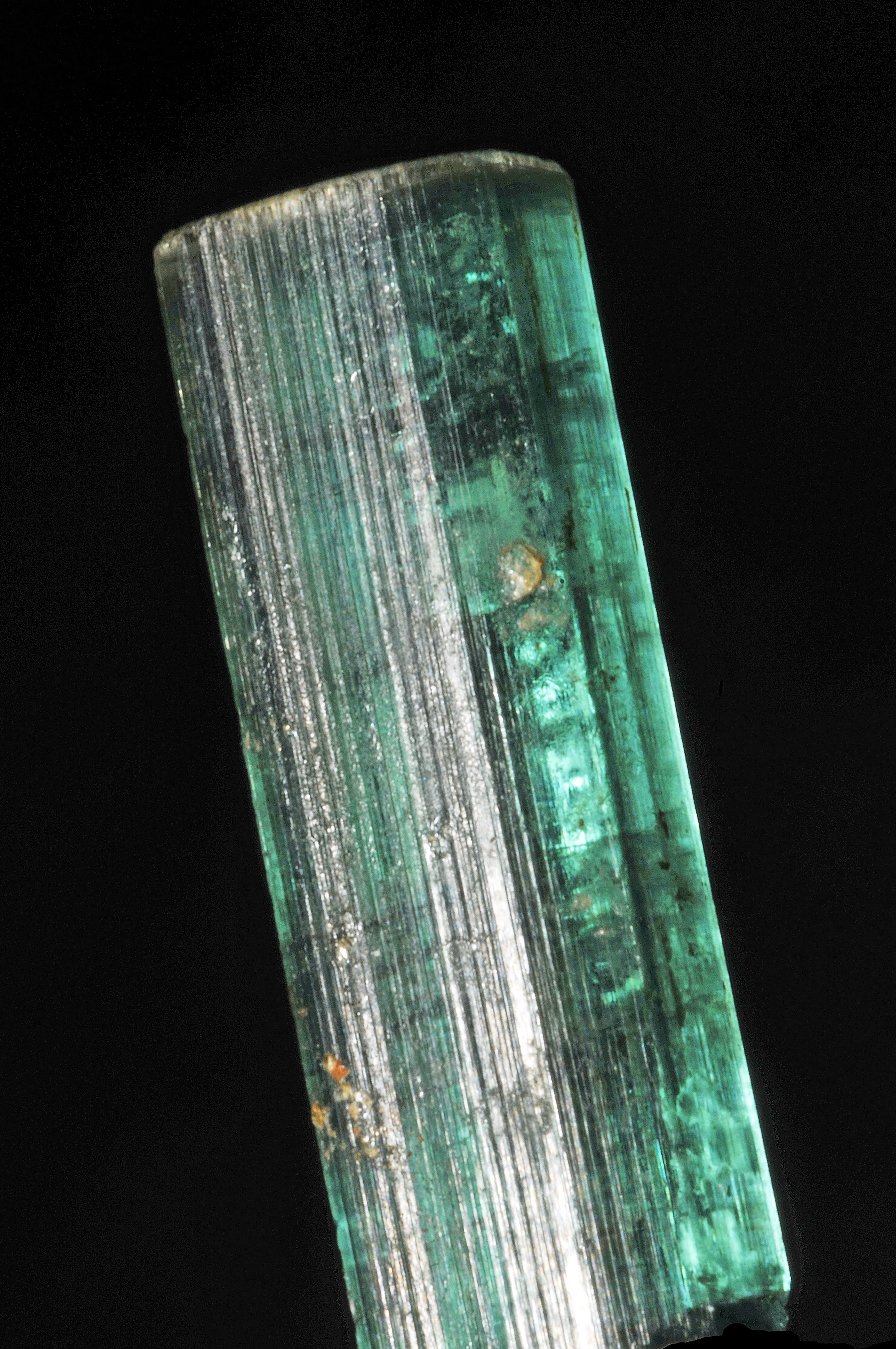


Where Apatite Is Found


