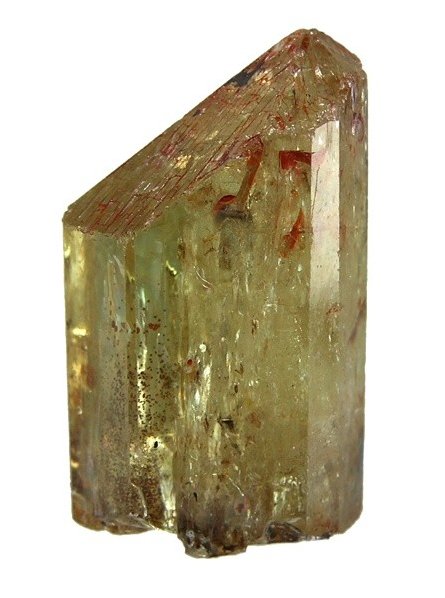
Green Apatite
Vivid chartreuse to forest green apatite with an almost electric quality that nature rarely puts in a single stone
- Mexico's Durango apatite crystals are among the most recognizable mineral specimens in the world - vivid yellow-green hexagonal prisms standing up from snow-white calcite.
- Green apatite's color can range from almost neon yellow-green in Mexican specimens to a rich forest green in some Madagascar material - the same mineral, dramatically different appearances.
- Apatite is chemically identical to the mineral in human tooth enamel - the stone you hold is the same compound as what gives your teeth their hardness.
- Some green apatite from Mexico fluoresces an intense yellow under short-wave UV light - a completely different appearance than the stone shows in daylight.
- The name apatite comes from the Greek for deception - it was one of the most frequently misidentified minerals before modern gemological testing.
- Heart chakra work with vivid green energy
- Affordable green gem alternative to peridot or tourmaline
- Nature-inspired jewelry with unusual color
- Collectors expanding apatite variety collections
- Earth element and growth-intention crystal work
- Everyday ring wear (choose tsavorite or peridot for wearable green)
- High-impact outdoor jewelry
- Buyers wanting deep forest green versus chartreuse (green apatite tends yellow-green)
What Is Green Apatite?
Green Apatite encompasses various apatite specimens displaying green body color, ranging from pale chartreuse and lime green to deeper forest and olive tones. The color comes from trace elements including rare earths and iron within the hexagonal calcium phosphate crystal structure. It rates 5 on the Mohs hardness scale.
Mexico's Durango state is the most famous source, producing prismatic hexagonal crystals with vivid yellow-green color on white calcite matrix - among the most photogenic mineral specimens in the apatite family. Madagascar also produces facet-grade green apatite in more saturated tones.
Green apatite is frequently available as both faceted gems and natural crystals in matrix. As with all apatite, its Mohs 5 hardness limits everyday jewelry use but makes it accessible for pendant, earring, and display applications.
How Green Apatite Compares
| Property | Green Apatite | Peridot | Tsavorite Garnet |
|---|---|---|---|
| Hardness | 5 | 6.5 - 7 | 7 - 7.5 |
| Price/ct | $ Budget | $ Budget | $$ Mid-range |
| Color | Yellow-green to forest | Lime to olive green | Pure vivid green |
| Best For | Affordable vivid green | Classic lime green | Premium green |
Meaning and Symbolism
Green Apatite is traditionally associated with growth, renewal, and the nurturing energy of the natural world. Its vibrant green color links it directly to the heart chakra, where practitioners believe it encourages openness, generosity, and the willingness to grow beyond old patterns.
The stone is also associated with abundance and manifestation of material goals - particularly those related to careers, creative projects, or ventures that require steady, patient growth rather than sudden dramatic change. It is said to support the long work of building something meaningful.
Some crystal workers link green apatite specifically to ecological and environmental awareness - a stone that deepens connection to the living green world and inspires stewardship of natural systems.
Historical Timeline
Healing Tradition
Emotional
Green apatite is traditionally associated with emotional growth, the healing of heartbreak through gradual renewal, and the willingness to remain open to new experiences after disappointment. Practitioners believe its heart chakra energy supports the slow, patient rebuilding of trust and hope rather than forcing premature recovery.
It is said to be particularly supportive for those in transition periods - career changes, relationship endings, or life chapters that require releasing the old before the new is visible. Some crystal healers describe green apatite as permission to take the time healing actually requires.
Spiritual
Spiritually, green apatite is thought to strengthen connection to the natural world's wisdom and to earth-based spiritual traditions. Practitioners describe it as a stone that calls the bearer back to simplicity and presence - particularly helpful for those who have become overly intellectual in their spiritual practice at the expense of felt embodied experience.
Some traditions link green apatite to plant consciousness and the wisdom of growing things, using it in garden blessing ceremonies or practices honoring earth's abundance. It is also associated with the practical manifestation of spiritual intentions through patient sustained effort.
Physical
Green apatite carries apatite's traditional associations with physical health and particularly with the health of the musculoskeletal system in crystal healing frameworks. Its green color adds heart and circulatory associations typical of green gems in folk traditions.
Practitioners sometimes suggest it for supporting recovery from physical depletion, believing its growth and renewal energy translates to the physical body's repair processes. These are traditional and metaphysical beliefs only.
Zodiac, Birthstone and Gifts
Gemini benefits from green apatite's grounding heart energy, which balances the sign's natural mental agility with emotional presence and warmth. Virgo, as an earth sign associated with growth, health, and practical service, resonates naturally with green apatite's renewal and nature-connection energy.
Capricorn's patient, steady-building nature aligns with green apatite's traditionally slow-growth abundance associations - a stone that supports the long, disciplined journey toward meaningful goals.
Care and Cleansing
Sound cleansing with a singing bowl is the safest method for green apatite given its soft Mohs 5 surface. Placing green apatite among fresh herbs, plants, or soil overnight is a resonant earth-element cleansing method aligned with the stone's nature associations.
A brief cool water rinse is acceptable; dry immediately and avoid salt water, acidic cleaners, or prolonged soaking.
- DO store green apatite in a separate soft pouch - at Mohs 5, virtually every other gemstone will scratch it.
- DO NOT use ultrasonic or steam cleaners; apatite's softness makes it vulnerable.
- DO NOT expose to acidic cleaners or salt water.
- NOTE green apatite is not suitable for everyday ring wear; pendants, earrings, and display pieces are the recommended applications.
- DO NOT expose crystal specimens on calcite matrix to any water - calcite dissolves readily in even slightly acidic water.
Real vs Fake
Genuine green apatite has a characteristic yellow-green to lime color with apatite's natural vitreous luster - not the artificial brightness of dyed glass or resin. Apatite's RI of 1.628 to 1.649 distinguishes it from green glass, synthetic material, and other green gems under refractometer testing.
At Mohs 5, genuine green apatite will be scratched by a steel knife (approximately 5.5 Mohs); this simple field test helps identify soft apatite from harder green gem impostors.
Green apatite crystal specimens should show the characteristic hexagonal crystal form of the apatite species; irregularly shaped 'crystals' on matrix may be fabricated composites.
Dyed green chalcedony or glass may be sold as green apatite; chalcedony tests at lower RI (1.535 to 1.539) and shows different luster under gemological examination.
Green Apatite Jewelry & Gifts
Green apatite is an affordable gem; expect $5 to $35 per carat for quality faceted stones, with vivid saturated color and good clarity commanding higher prices.
Mexican crystal specimens on calcite matrix are sold by specimen rather than per carat; expect $10 to $80 for quality display pieces depending on size and color vibrancy.
Color is the primary value factor: vivid, saturated green without brownish or grayish tones is most desirable; pale or washed-out material is worth significantly less. Madagascar material tends toward facet-grade clarity while Mexican material is more commonly available as crystal specimens; both are legitimate and beautiful.
Inspect surface quality carefully before purchasing faceted stones - scratches accumulate quickly on Mohs 5 material and cannot be removed without repolishing.
Where to Buy Green Apatite
Affiliate disclosure: Some links below earn us a small commission at no extra cost to you. See our affiliate disclosure page.
Handmade, raw, and tumbled pieces from independent sellers worldwide.
Shop Green Apatite on Etsy →Accessories, tools, and specimen sets with fast Prime delivery.
Shop Green Apatite on Amazon →Certified loose gemstones graded and photographed for online buyers.
Shop Green Apatite on GemSelect →Pairs Well With


Where Green Apatite Is Found


