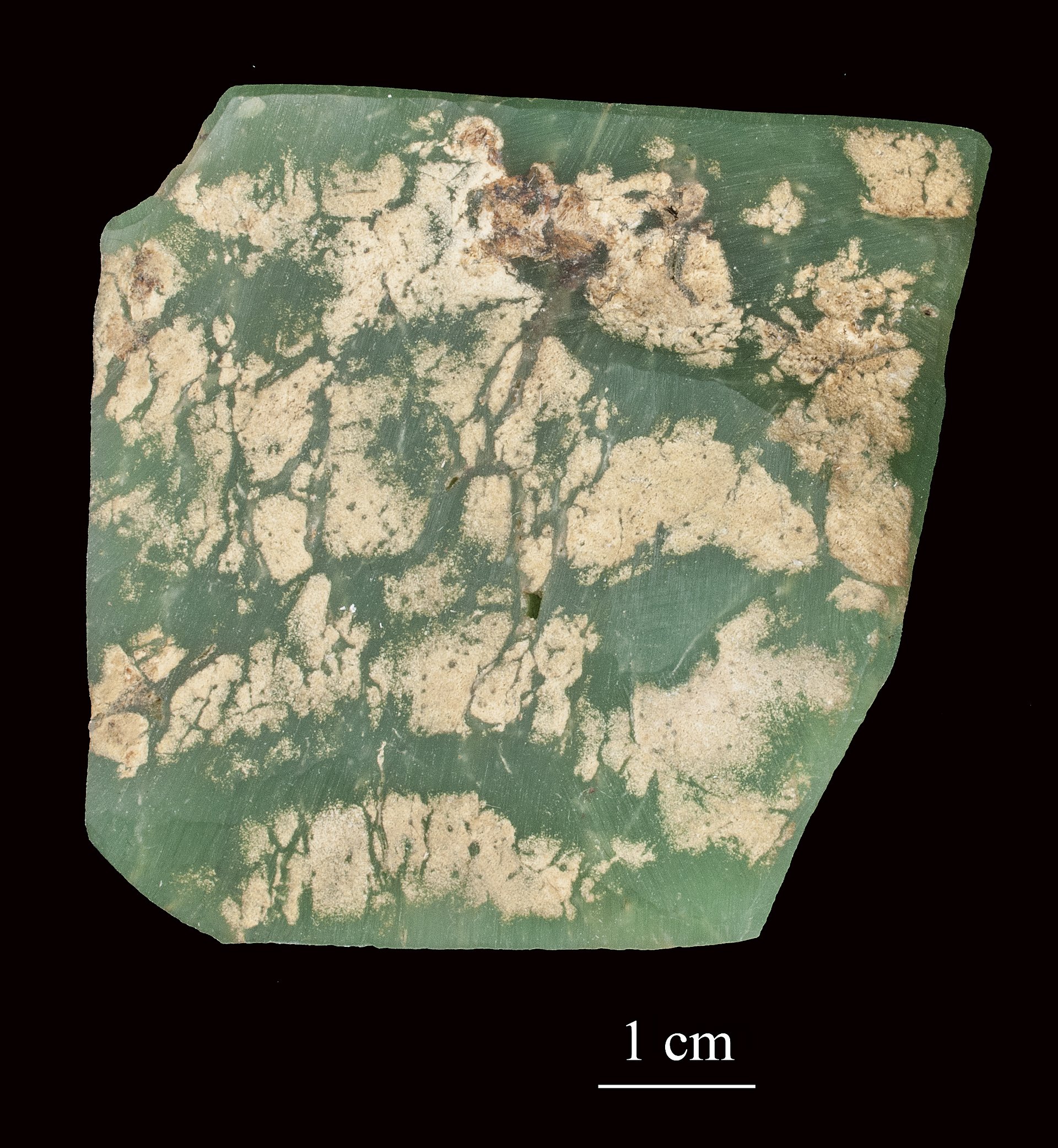
Green Chalcedony
Fresh spring light in stone - green chalcedony for healing growth, renewal, and heart-centered clarity
- Ancient Egyptian amulets included green chalcedony alongside malachite and turquoise, all associated with the life-giving green color of Osiris, god of resurrection and renewal.
- The difference between green chalcedony and chrysoprase is the color-causing element: green chalcedony uses chromium or iron; chrysoprase uses nickel, giving it a characteristically apple-green hue.
- Green chalcedony was favored by ancient seal-carvers because its waxy, even texture holds fine detail exceptionally well - better than crystalline stones that can chip along cleavage planes.
- Some green chalcedony from Oregon's Blue Mountains shows natural color-banding transitions from white to green - these border on agate classification and are prized for their layered visual complexity.
- Turkish green chalcedony was traded extensively along Silk Road routes to Central Asia and China, where it was often mistaken for nephrite jade and used in similar ritual and decorative contexts.
- those seeking heart healing and renewal
- practitioners working with spring or growth energies
- nature lovers and gardeners
- those drawn to minty green aesthetics
- anyone recovering from loss and seeking fresh beginnings
- collectors seeking gem-quality brilliance
- buyers wanting rare high-value specimens
- those preferring deep, saturated greens
What Is Green Chalcedony?
Green Chalcedony is a microcrystalline quartz with fresh mint to sage-green coloration, caused by trace amounts of chromium or iron within its densely interlocked microscopic crystal structure. The characteristic waxy luster and translucency give green chalcedony a distinctive quality - not the sparkle of faceted gems but a soft, glowing inner light.
The finest specimens come from Turkey's Izmir region and Namibia's Kalahari Desert, where the combination of silica-rich groundwater and trace mineral chemistry creates exceptionally translucent, evenly-colored material. Turkish green chalcedony is sometimes cut for fine jewelry as an alternative to more expensive chrysoprase.
Green chalcedony sits between blue chalcedony and chrysoprase in the chalcedony color spectrum. Chrysoprase is technically also a green chalcedony but is distinguished by its nickel-based coloring (giving a more apple-green tone) versus the chrome or iron-based greens typical of what is commercially sold as green chalcedony.
Green Chalcedony vs. Similar Green Stones
| Property | Green Chalcedony | Chrysoprase | Green Aventurine |
|---|---|---|---|
| Hardness | 6.5-7 | 6.5-7 | 6.5-7 |
| Price/lb | $ Budget | $ Budget | $ Budget |
| Rarity | Uncommon | Uncommon | Common |
| Best For | Heart, renewal | Joy, grace, luck | Prosperity, luck |
Meaning and Symbolism
Green chalcedony has historically carried meanings of new beginnings, hope, and the regenerative power of spring. Ancient sailors reportedly carried it for safe voyages and new departures - associating its fresh green color with the promise of arrival at new shores, both literal and metaphorical.
In crystal traditions, green chalcedony is a heart chakra stone with a particular affinity for emotional renewal rather than just heart opening. Practitioners describe it as especially supportive after endings - loss, breakups, relocations, career changes - helping the heart move through grief toward genuine new growth rather than bypassing loss.
The stone is also traditionally linked to communication and community - connecting heart feeling with social expression. Many practitioners use it for those who have withdrawn socially due to past hurt, believing it gently draws the energy outward again toward healthy connection and belonging.
Historical Timeline
Healing Tradition
Emotional
Practitioners describe Green Chalcedony as especially healing for emotional states involving stagnation, inability to move forward after loss, and the quiet grief of life transitions. The stone is said to carry a spring-like energy - not forcing growth but creating the conditions in which new growth becomes possible.
Many crystal healers recommend it for those in transition periods: after breakups, job losses, or moves, when the heart needs both acknowledgment of what was and encouragement toward what can be. It is traditionally associated with softening grief without rushing it.
Spiritual
In spiritual practice, green chalcedony is associated with the heart chakra's forward-facing quality - the ability to stay open to life and community even after experiencing pain. Practitioners use it in ceremonies of new beginnings, fresh-start intentions, and the release of outdated identities or patterns that no longer serve growth.
The stone is said to align spiritual development with natural cycles - the inevitable movement from winter through spring that requires trust more than effort. Some traditions connect it with ancestral healing, helping lines of family grief transform into renewed vitality.
Physical
Some crystal wellness practitioners associate Green Chalcedony with the immune system, skin health, and the lymphatic system's role in clearing metabolic waste and supporting renewal. It is traditionally used in placement over the heart and upper chest during energy healing sessions. No scientific evidence supports these associations.
Always consult a qualified healthcare provider for any health concerns.
Zodiac, Birthstone and Gifts
Taurus's connection to spring, growth, and sensory pleasure aligns naturally with green chalcedony's renewal and nature-connection energies. Virgo's health-conscious, improvement-oriented nature resonates with the stone's traditional associations with physical and emotional healing - both signs are said to find green chalcedony deeply supportive during periods of transition and growth.
Care and Cleansing
Green chalcedony has a natural affinity with earth and water - briefly rinsing under cool running water while holding a renewal intention is both practically effective and symbolically resonant. Dry thoroughly after.
Earth burial overnight in a pot of clean garden soil returns the stone to its elemental home and is said to recharge its connection to life-force energy. This method is especially suited to green chalcedony used in growth and renewal work.
Moonlight cleansing under a new moon - the traditional time for new beginnings - is particularly aligned with this stone's renewal energy and is widely preferred by practitioners using it for fresh-start intentions.
- DO store in indirect light as prolonged UV exposure may fade the green color over time.
- DO NOT use abrasive materials for cleaning - the 6.5-7 hardness is moderate and can show surface wear.
- DO NOT soak in water for extended periods as the porous microcrystalline structure may absorb minerals.
- NOTE that dyed white chalcedony is often sold as green chalcedony - verify natural color with reputable sources.
- DO NOT store with harder minerals including quartz, topaz, or corundum that could scratch the polished surface.
Real vs Fake
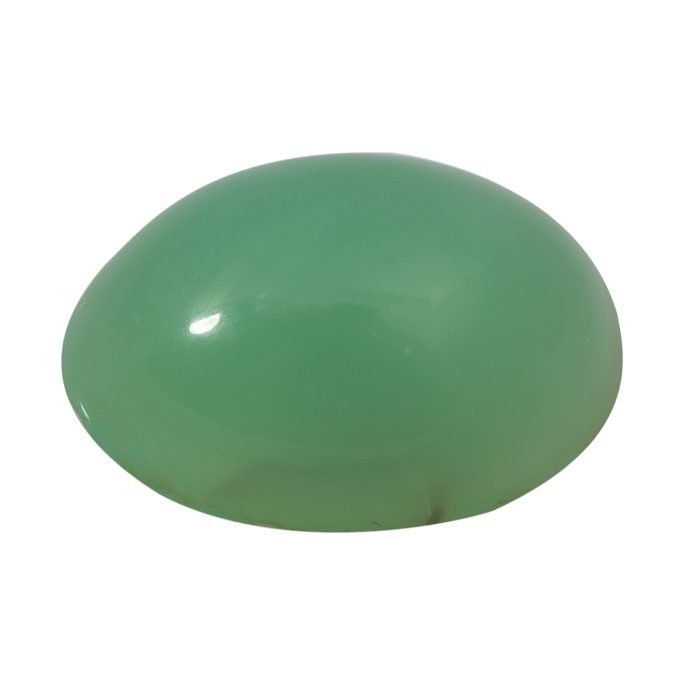
Natural green chalcedony has a waxy, slightly silky luster and a soft, slightly muted mint to sage green color with natural internal variation. The color appears to be within the stone rather than coating it.
Dyed white chalcedony shows color concentrated in natural surface crevices and features under magnification, and may show slight color bleed when briefly soaked in water. The green is often too even and too saturated for natural material.
Glass fakes are too perfectly transparent and warm quickly in the hand. Real green chalcedony maintains cool temperature and shows the characteristic opaque-to-translucent quality with no visible air bubbles.
Chrysoprase (a related green chalcedony colored by nickel) is sometimes sold as or confused with green chalcedony. Chrysoprase is typically a brighter, more apple-green or vivid green; green chalcedony tends toward sage, mint, or sea-green tones.
Ask for locality information - Turkish (Izmir region) and Namibian green chalcedony from reputable mineral dealers with natural color disclosure is the most reliable sourcing approach.
Green Chalcedony Jewelry & Gifts
Green chalcedony tumbles are available in the $5-$20 range; carved pieces $15-$60; cabochons for jewelry $10-$50 depending on color quality. It is generally accessible and affordable.
Turkish green chalcedony is considered premium quality - look for translucent pieces with consistent mint to sage green color and a glowing internal quality when held to light. These pieces command slight premiums but are the benchmark for quality.
Namibian green chalcedony offers excellent color and translucency at competitive prices and is increasingly available through specialty mineral dealers. Pacific Northwest (Oregon) specimens are prized by North American collectors.
For carved pieces and tumbles, prioritize consistent color, good polish without visible surface pitting, and natural-feeling color distribution. Avoid pieces with color concentrated at edges or visibly uneven coating under examination.
For jewelry use, look for cabochons with even color, good translucency, and smooth dome surfaces without pitting. Cabochon-cut green chalcedony set in silver makes an elegant, affordable alternative to chrysoprase or jade jewelry.
Where to Buy Green Chalcedony
Affiliate disclosure: Some links below earn us a small commission at no extra cost to you. See our affiliate disclosure page.
Handmade, raw, and tumbled pieces from independent sellers worldwide.
Shop Green Chalcedony on Etsy →Accessories, tools, and specimen sets with fast Prime delivery.
Shop Green Chalcedony on Amazon →Certified loose gemstones graded and photographed for online buyers.
Shop Green Chalcedony on GemSelect →Pairs Well With



Where Green Chalcedony Is Found


