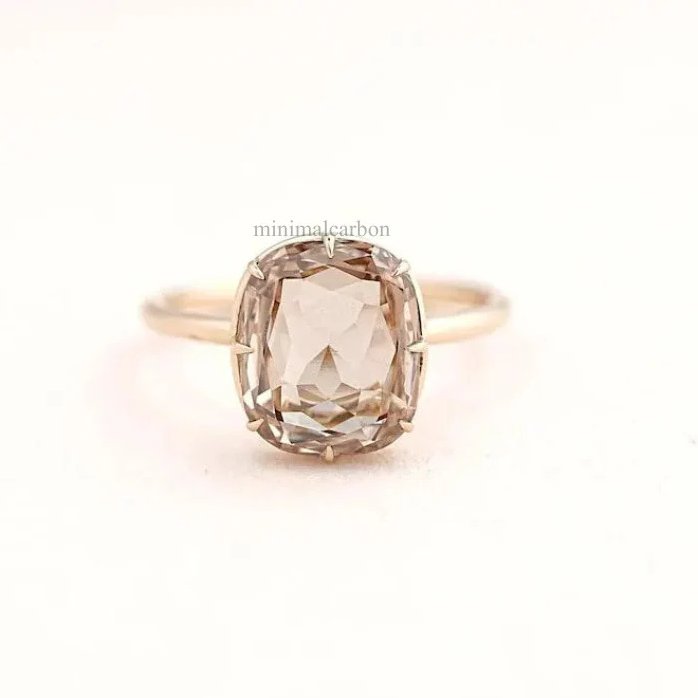
Brown Diamond
From warm champagne to deep cognac, brown diamond is the most affordable natural diamond color - real Mohs 10 hardness.
- Brown is the most common fancy color diamond, comprising approximately 15 percent of all gem-quality diamonds produced globally.
- The Argyle mine in Australia, which closed in 2020 after 35 years, was the among the largest known diamond producer by volume - predominantly producing brown and pink diamonds.
- Le Vian's chocolate diamond brand requires stones to meet specific C4 to C7 color intensity standards on gemological laboratories brown diamond scale to qualify for the brand name.
- Brown diamond owes its color to a combination of nitrogen aggregations and structural plastic deformation of the crystal lattice.
- Before rebranding, many of today's prized cognac diamonds were literally being used as industrial abrasive grit in the 1970s.
- Buyers who want a real diamond with maximum durability at lower cost than colorless or other fancy colors
- Warm-tone jewelry lovers who prefer cognac, champagne, and chocolate hues over traditional icy white
- April birthstone shoppers who want genuine diamond on a budget
- Engagement ring buyers wanting diamond's Mohs 10 hardness in an earthy, warm aesthetic
- Collectors interested in fancy color diamonds who want the most accessible entry point
- Buyers who want investment-grade diamond - brown is the least valuable diamond color; white or other fancy colors are better investments
- Anyone who prefers cool, icy aesthetics - cognac and champagne tones are distinctly warm
- Shoppers who feel the Le Vian marketing premium is unjustified - generic brown diamonds at the same quality are significantly less expensive
What Is Brown Diamond?
Brown diamond is pure crystalline carbon (C) in the diamond crystal structure, colored by nitrogen aggregations and structural lattice defects that absorb blue and violet light, leaving warm brown, yellow-brown, and orange-brown tones. It rates 10 on the Mohs hardness scale.
Brown is the most common color of fancy diamond - approximately 15 percent of all gem diamonds show some degree of brown coloration, making it significantly more abundant than colorless material of equivalent carat weight.
The color range within brown diamond is wide: from very pale champagne (a hint of warm yellow-brown) to medium cognac (deep amber-brown) to dark chocolate (dense, rich brown). The trade has adopted evocative names - champagne, cognac, chocolate, cognac, mocha - to market what was once considered a lower-grade industrial diamond.
The shift began in the 1980s when the Argyle mine in Australia began actively promoting their large brown diamond production, and accelerated in the 2000s with Le Vian's chocolate diamond branded collection.
What changed in brown diamond's commercial story is naming, not mineralogy. A chocolate diamond is chemically and physically identical to a brown diamond at any price point - both are pure carbon at Mohs 10, with the same thermal conductivity, optical refractive index (2.417), and brilliance potential when well cut.
The choice of warm earth-tone diamond versus colorless or other fancy colors is purely aesthetic preference backed by one of the most durable gemstones on Earth.
Brown Diamond vs Colorless Diamond vs Champagne Topaz
| Property | Brown Diamond | Colorless Diamond (G-H) | Champagne Topaz |
|---|---|---|---|
| Chemistry | C (pure carbon) | C (pure carbon) | Al2SiO4(F,OH)2 |
| Hardness | 10 | 10 | 8 |
| Price / carat | $$$ Premium | $$$$ Luxury | $ Budget |
| Color | Warm brown, cognac, champagne | White to faint yellow | Yellow-brown |
| Best For | Warm-tone ring, budget diamond | Classic fine jewelry | Budget warm tones |
Meaning and Symbolism
Diamond carries the most universal symbolic weight of any gemstone - eternal love, invincibility, and the ultimate commitment. These associations attach equally to brown diamond since the mineral is identical.
Brown diamond adds its own layer of symbolic meaning through its earth-tone color: grounding, stability, connection to the natural world, and the warmth of organic beauty unmediated by the human preference for colorless purity.
In crystal healing tradition, diamond is associated with clarity, amplification, and the strengthening of whatever intention the wearer holds. Brown diamond specifically is linked to Root and Sacral chakras - grounding energy and the activation of creative, sensual life force.
Practitioners believe the brown color adds an earthy, stabilizing quality to diamond's amplifying power, making it particularly effective for grounding intentions into physical reality rather than leaving them in the realm of aspiration.
The cultural reclamation of brown diamond from industrial byproduct to luxury jewelry symbol is itself a meaningful story for many buyers. Brown diamond represents the recognition that conventional standards of beauty are arbitrary - that warmth, depth, and earth-connection are as genuinely beautiful as colorless ice.
Many buyers choose brown diamond specifically because they resist the marketing story that only colorless is precious, preferring a stone whose beauty is genuine and whose price reflects actual supply rather than manufactured prestige.
Historical Timeline
Healing Tradition
Emotional
Practitioners believe brown diamond amplifies whatever emotional intention the wearer holds while adding an earthy, grounding quality that helps root aspirations in practical reality.
Many who work with diamonds in crystal wellness find brown specimens particularly helpful for people who are highly visionary but struggle to ground their ideas and feelings into tangible action.
Is said to support the patient, steady cultivation of emotional stability - not dramatic transformation, but the reliable, warm presence of a stone that has survived billions of years of geological pressure. Many describe it as a stone of emotional resilience and quiet confidence.
Spiritual
In crystal healing tradition, all diamonds are considered powerful amplifiers of spiritual intention. Brown diamond adds Root and Sacral chakra activation to diamond's general amplifying properties, supporting practitioners who want to bring their spiritual aspirations into embodied, practical expression.
Is said to help ground meditation insights into daily behavior - the difficult, essential work of living one's spiritual values rather than only realizing them in contemplative states.
Many practitioners use brown diamond during periods of building or manifestation, when the practical translation of spiritual vision into material form requires sustained, grounded effort.
Physical
While no gemstone replaces medical care, diamond is traditionally associated in multiple healing traditions with invincibility, strength, and physical vitality.
Practitioners link brown diamond specifically to the body's foundational systems - bones, joints, connective tissue - through its Root chakra association with earth and physical structure. Many who work with diamonds in wellness contexts describe wearing brown diamond as creating a felt sense of physical robustness and capability.
In traditional Vedic gem therapy, diamond is associated with Venus and is used to support the reproductive and endocrine systems, with specific protocols best followed under guidance of an experienced practitioner.
Zodiac, Birthstone and Gifts
Diamond is the April birthstone, connecting it to Aries (March 21 - April 19). Brown diamond's earthy, warm character resonates particularly with the fire signs Aries and Leo, adding a grounding quality to their natural intensity and passion.
Taurus, the earth sign associated with beauty, permanence, and sensory pleasure, connects to brown diamond through its warm tones and the stone's associations with physical abundance and material manifestation.
Many astrology practitioners specifically recommend brown diamond for Taurus birthdays, arguing that its earthy champagne-to-cognac color mirrors the sign's love of the natural world and its appreciation for unforced, organic beauty.
Brown diamond is also the most budget-accessible way to gift an April birthstone in genuine diamond form - a practical consideration that aligns with Taurus's characteristic preference for value.
Care and Cleansing
Brown diamond is the most durable of all gemstones and withstands any physical cleansing method safely. Mild soap and warm water with a soft brush is the standard professional cleaning method. Ultrasonic and steam cleaning are both safe for unfractured brown diamonds.
The stone's carbon chemistry makes it completely water-stable and chemical-resistant in normal household conditions.
For energetic cleansing, any method works safely with brown diamond. Moonlight, sunlight, running water, selenite plate, and sound cleansing are all appropriate. Many practitioners favor burying brown diamond briefly in clean earth - an appropriate method for a deeply Root-chakra stone that resonates with the grounding power of the earth itself.
After burial cleansing, rinse thoroughly with water and dry before wearing.
- DO clean regularly - diamond's brilliance diminishes quickly with skin oil and lotion buildup; weekly cleaning maintains maximum fire.
- DO NOT store multiple diamonds together without protection - diamond is the only gem that can scratch another diamond.
- DO insure brown diamond jewelry for replacement value; even affordable brown diamonds represent significant investment in jewelry form.
- DO NOT confuse brown diamond durability with indestructibility - though extremely hard, diamond can cleave along crystal planes if struck with a sharp blow.
- DO ask for professional grading if purchasing significant brown diamond; gemological laboratories fancy color grading scale (C1-C7) is the standard reference for brown color intensity.
- DO compare generic brown diamond prices with branded chocolate diamond prices before purchase - the same stone may cost significantly more under a brand name.
Real vs Fake
Distinguishing genuine brown diamond from simulants is straightforward for experienced buyers but requires testing for newcomers. Brown cubic zirconia, brown topaz, and brown sapphire are common simulants. Diamond's thermal conductivity is unique - a diamond tester (thermal conductivity probe) immediately distinguishes real diamond from all simulants.
This $20 to $50 testing device is worthwhile for any significant purchase.
Under magnification, genuine diamond shows characteristic inclusions - crystals, clouds, feathers, or pinpoints - unless the stone is internally flawless. Completely flawless brown diamonds exist but are rare; a very clean stone at an unusually low price warrants additional testing.
Diamond's refractive index of 2.417 creates a distinctive brilliance and fire pattern that differs from lower-RI simulants, though visual comparison requires training.
Brown topaz at Mohs 8 and brown sapphire at Mohs 9 can both fool visual inspection. The thermal conductivity test distinguishes all of these from diamond instantly. For investment-grade brown diamonds, a gemological certificate specifying diamond species and color grade is the definitive authentication.
Generic brown diamond sold without gemological laboratories documentation at very low prices may be synthetic or misidentified simulant material.
Brown Diamond Jewelry & Gifts
Brown diamond prices range from $500 to $5,000 per carat depending on color intensity, clarity, and cut. Light champagne browns (C1-C3 on gemological laboratories scale) are least expensive; deep cognac and chocolate (C4-C7) command higher prices.
The marketing premium for branded chocolate diamond (Le Vian and similar) can add 30 to 100 percent to the price of equivalent quality stones sold generically.
For the best value, purchase generic brown diamond in cognac or champagne color grades with SI1-VS2 clarity and excellent to very good cut from an independent jeweler or online retailer using laboratory-certified stones. Compare prices across several sources before buying.
The warm color makes minor inclusions less visible than in colorless diamonds, so SI clarity represents excellent value in brown. Rose gold settings in oval or cushion cuts maximize the warm aesthetic.
Where to Buy Brown Diamond
Affiliate disclosure: Some links below earn us a small commission at no extra cost to you. See our affiliate disclosure page.
Handmade, raw, and tumbled pieces from independent sellers worldwide.
Shop Brown Diamond on Etsy →Accessories, tools, and specimen sets with fast Prime delivery.
Shop Brown Diamond on Amazon →Certified loose gemstones graded and photographed for online buyers.
Shop Brown Diamond on GemSelect →Pairs Well With


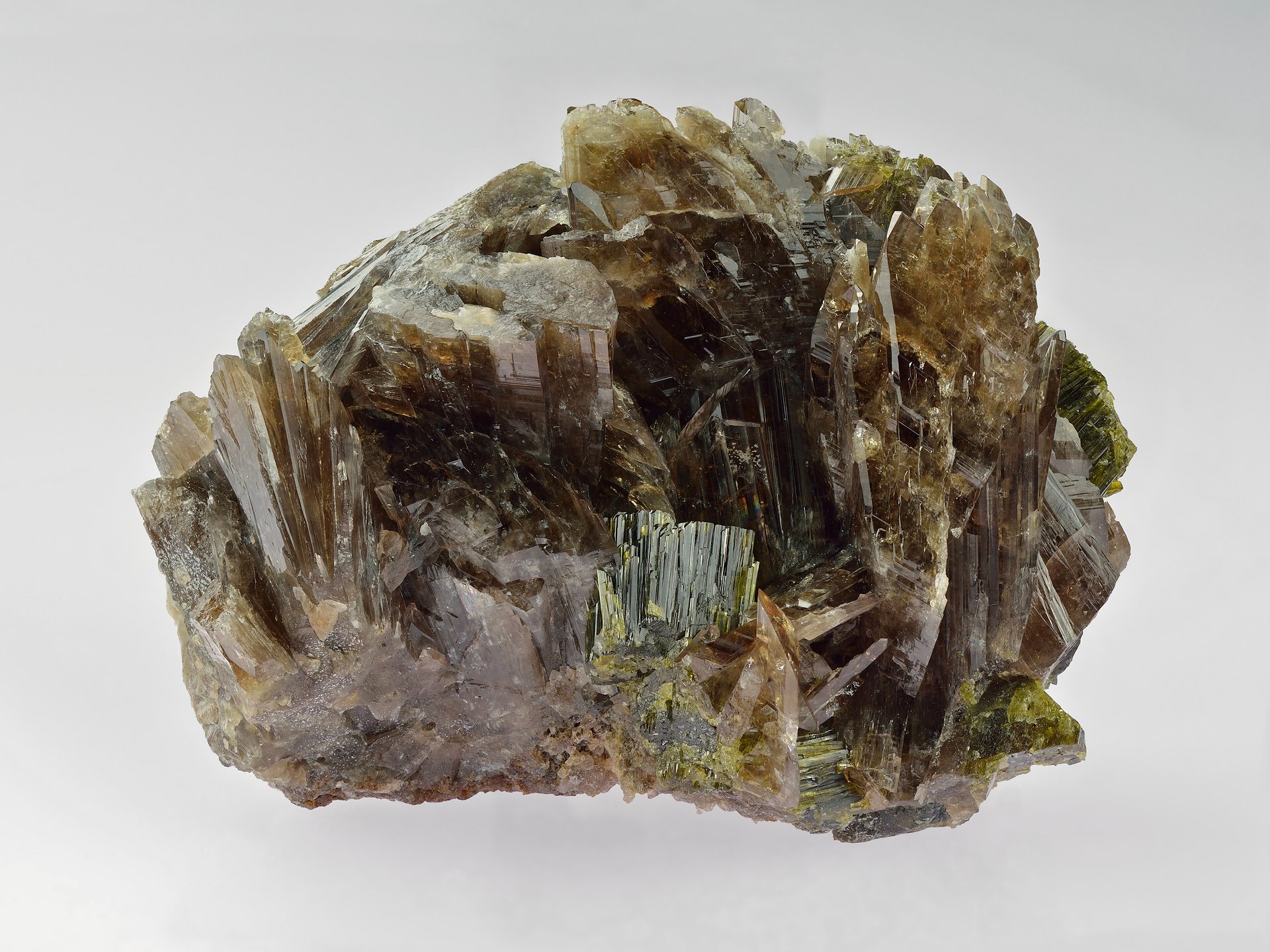
Where Brown Diamond Is Found


