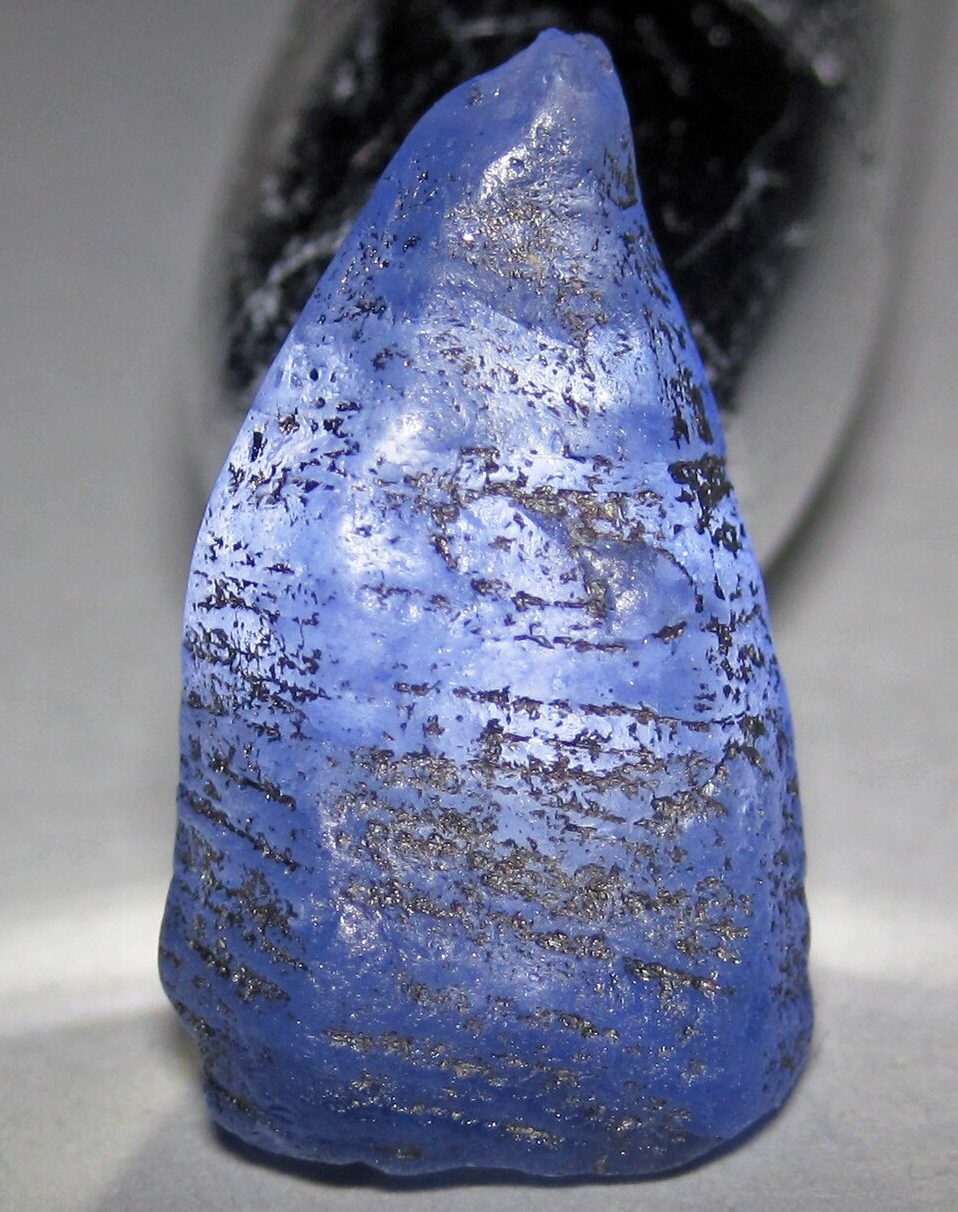
Ceylon Sapphire
Sri Lanka's gem-rich island has yielded sapphires for over 2,500 years - the same cornflower blue origin as Princess Diana's iconic.
- Princess Diana's iconic engagement ring - now worn by Princess Catherine - is a 12-carat oval Ceylon sapphire surrounded by 14 diamonds.
- The Star of India, one of the among the largest known blue star sapphires at 563 carats, came from Sri Lanka.
- Ratnapura means City of Gems in Sinhala - the entire region was named after its gemstone wealth.
- Ceylon is one of the very few sapphire origins that also produces padparadscha - the ultra-rare pink-orange sapphire variety.
- Sri Lanka produces sapphires in nearly every color including blue, pink, yellow, orange, green, violet, and colorless (white sapphire).
- Engagement ring buyers inspired by Princess Diana's famous 12-carat oval blue sapphire
- September birthday gift shoppers wanting the most recognizable blue sapphire origin
- Collectors seeking documented Sri Lankan origin certificates for light, bright cornflower blue
- Fine jewelry buyers wanting top-tier durability (Mohs 9) in a classic blue stone
- Spiritual practitioners working with Throat and Third Eye chakras who want quality and provenance
- Buyers wanting the deepest, darkest royal blue - Burmese Mogok material achieves deeper saturation
- Budget shoppers - genuine certified Ceylon sapphire starts at $200 per carat for commercial grades
- Anyone unfamiliar with heat treatment norms - virtually all commercial Ceylon sapphire is heated
What Is Ceylon Sapphire?
Ceylon sapphire is corundum (Al2O3) mined in Sri Lanka, an island nation historically known as Ceylon until 1972. The gem trade still uses the name Ceylon as a quality and origin designation because Sri Lankan sapphires are among the world's most consistently beautiful, with a characteristic cornflower to medium-light blue that remains the most popular sapphire color for engagement rings globally.
Sri Lanka's gem deposits occur in gem gravels (illam) in the country's southwestern gem district around Ratnapura - whose name literally means City of Gems in Sinhala. The sapphires form in metamorphic rocks and are released by weathering into secondary alluvial deposits worked by traditional hand-mining methods.
The island also produces pink, yellow, orange, and padparadscha sapphires, but blue remains the primary export.
Princess Diana's 12-carat oval blue sapphire engagement ring, now worn by Princess Catherine, is not Burmese but Ceylon - a distinction that made the stone famous and drove a global surge of demand for Ceylon sapphire engagement rings.
The ring's characteristic medium-bright blue, surrounded by diamonds, represents the aesthetic ideal most buyers associate with sapphire jewelry. Ceylon sapphires are also notable for producing padparadscha specimens - the ultra-rare pink-orange variety that commands its own record prices.
Ceylon Sapphire vs Burmese Sapphire vs Australian Sapphire
| Property | Ceylon Sapphire | Burmese Sapphire | Australian Sapphire |
|---|---|---|---|
| Color | Cornflower blue, bright medium | Royal blue, velvet deep | Dark blue, sometimes inky |
| Hardness | 9 | 9 | 9 |
| Price / carat | $$ Mid-range | $$$ Premium | $$ Mid-range |
| Heat treatment | Usually heated | Unheated most prized | Usually heated |
| Best For | Engagement ring, gifts, investment | Investment, collector, heirloom | Affordable fine jewelry |
Meaning and Symbolism
Sapphire has served as a symbol of heaven, wisdom, and loyalty across cultures for more than 3,000 years. In ancient Sri Lanka, the island was known as Ratna-Dwipa - Island of Gems - and sapphires were traded across the ancient world via Arab merchants long before European contact.
Marco Polo described Ceylon in 1292 as producing the finest rubies and sapphires in the world.
In Vedic astrology, blue sapphire (neelam) is the most powerful of the nine planetary gemstones, associated with Saturn and said to bring both great fortune and great challenges. Sri Lankan astrologers have practiced gem therapy using native sapphires for centuries, with elaborate rituals for testing compatibility before wearing the stone.
Practitioners believe that a Saturn-aligned person wearing an authentic Ceylon sapphire experiences rapid positive transformation in career, discipline, and material fortune.
In Western tradition, sapphire represents fidelity, sincerity, and the enduring nature of love - associations that make it historically the second most popular engagement ring gemstone after diamond.
Princess Diana's ring elevated the symbolic power of Ceylon sapphire specifically, and today it remains the most emotionally resonant origin story in the engagement ring market. Practitioners believe the stone supports honest, loving communication between partners.
Historical Timeline
Healing Tradition
Emotional
Practitioners believe Ceylon sapphire supports emotional clarity and the release of confusion and indecision - qualities associated with the stone across Vedic and Western healing traditions. Many who work with sapphire in crystal wellness find it helpful for building emotional steadiness during times of uncertainty or major life decisions.
Is said to support the process of seeing situations clearly and responding from wisdom rather than reactivity. The stone is traditionally associated with loyalty and fidelity, making it a favored choice for practitioners working on trust, commitment, and relationship healing.
Spiritual
In Vedic gem therapy, blue sapphire is the most powerful planetary stone, associated with Saturn's energy of discipline, karmic order, and accelerated spiritual growth. Practitioners believe Ceylon sapphire activates the Throat and Third Eye chakras simultaneously, supporting both honest expression and deeper inner knowing.
Is said to be particularly powerful for those in meditation, teaching, or spiritual leadership roles where clear communication aligned with authentic wisdom is essential. Many traditions recommend careful introduction of sapphire energy - starting with brief wear rather than constant contact.
Physical
While no gemstone replaces medical care, Vedic tradition links blue sapphire to Saturn-governed body systems including bones, teeth, and the neurological system. Practitioners traditionally use sapphire in proximity to the head, throat, and upper body to support mental focus, concentration, and relief from mental fatigue.
Many describe a felt sense of cooling mental clarity when working with blue sapphires in meditation. Is said to support the nervous system's capacity for sustained focus and ordered thinking - consistent with its historical use by scholars, clergy, and rulers.
Zodiac, Birthstone and Gifts
Ceylon sapphire is the traditional September birthstone, aligning it with Virgo (August 23 - September 22). Virgo's qualities of discernment, precision, and service mirror sapphire's traditional associations with wisdom and truth.
Libra (September 23 - October 22) also connects deeply with sapphire through themes of justice, aesthetic refinement, and balanced partnership - making it a particularly meaningful stone for Libra engagement and anniversary gifts.
In Vedic astrology, sapphire is especially linked to Taurus and Capricorn as stones that help Saturn-influenced signs harness the planet's disciplining, growth-enabling energy. Many astrology practitioners choose Ceylon sapphire specifically for Virgo birthdays because the cornflower blue color, bright and precise, mirrors Virgo's clear-minded analytical nature.
Care and Cleansing
Ceylon sapphire is extremely durable and safe for all standard cleansing methods. Warm water with mild dish soap and a soft brush is the simplest effective physical cleaning method. Ultrasonic cleaning is safe for unfractured sapphires not treated with fracture-filling, but consult a jeweler for heirloom or fine pieces.
Moonlight and selenite plate cleansing are preferred by many practitioners for fine sapphires to avoid any risk to settings from water or mechanical stress. Running water and brief sunlight are fully safe for the stone itself.
Sound cleansing with a singing bowl is a gentle, effective method well-suited to regular practice without removing the stone from its setting.
- DO have Ceylon sapphire professionally inspected and cleaned annually, especially prong-set engagement rings where buildup undermines brilliance.
- DO store separately - though sapphire is Mohs 9, contact with other sapphires or diamonds in jewelry boxes causes surface scratching.
- DO NOT use ultrasonic cleaners on sapphires with beryllium or glass-filled fracture treatments.
- DO keep your gemological laboratories origin certificate and treatment report - these documents significantly affect resale value.
- DO insure Ceylon sapphire jewelry for current market replacement value; the market has appreciated substantially over 20 years.
- DO NOT clean with steam cleaners if the stone is set using adhesive or has inclusions reaching the surface.
Real vs Fake
Confirming Ceylon origin requires a laboratory certificate from gemological laboratories, Gubelin, or SSEF - no visual inspection or dealer attestation is sufficient for high-value stones. These laboratories use trace element analysis and inclusion identification to confirm Sri Lankan origin. For stones above $500 per carat, a certificate is essential rather than optional.
Common simulants for Ceylon sapphire include blue synthetic corundum, blue topaz, aquamarine, and blue glass. Blue topaz is hardness Mohs 8 and shows different refractive indices. Aquamarine is Mohs 7.5 to 8 and distinctly less brilliant. Blue glass shows characteristic bubbles and low hardness (Mohs 5 to 6).
Lab-created sapphire has identical chemistry but no natural inclusions and curved growth striae under magnification.
The most reliable field test is hardness - sapphire at Mohs 9 scratches any common simulant except diamond. A refractometer reading of 1.762 to 1.770 with strong double refraction confirms corundum. For origin determination between natural sapphire sources (Ceylon vs Burma vs Australia), laboratory spectroscopic analysis is the only reliable method.
Ceylon Sapphire Jewelry & Gifts
Ceylon sapphire pricing ranges from $200 to $5,000 per carat for fine quality stones, with exceptional large unheated specimens reaching higher. Color is the primary driver: bright cornflower blue to medium-intense blue without gray or green modifiers is most desirable.
Heat treatment is standard and acceptable for commercial Ceylon sapphire - unheated Ceylon material commands a 30 to 100 percent premium.
For engagement rings, oval and cushion cuts in 1 to 3 carat sizes represent the best value-to-beauty ratio. Always request gemological laboratories or equivalent origin certification for fine investments. Ask specifically about heat treatment status - your gemologist should disclose this in writing.
Calibrated commercial Ceylon sapphires in standard sizes offer excellent value for jewelry buyers who prioritize appearance over origin premium.
Where to Buy Ceylon Sapphire
Affiliate disclosure: Some links below earn us a small commission at no extra cost to you. See our affiliate disclosure page.
Handmade, raw, and tumbled pieces from independent sellers worldwide.
Shop Ceylon Sapphire on Etsy →Accessories, tools, and specimen sets with fast Prime delivery.
Shop Ceylon Sapphire on Amazon →Certified loose gemstones graded and photographed for online buyers.
Shop Ceylon Sapphire on GemSelect →Pairs Well With


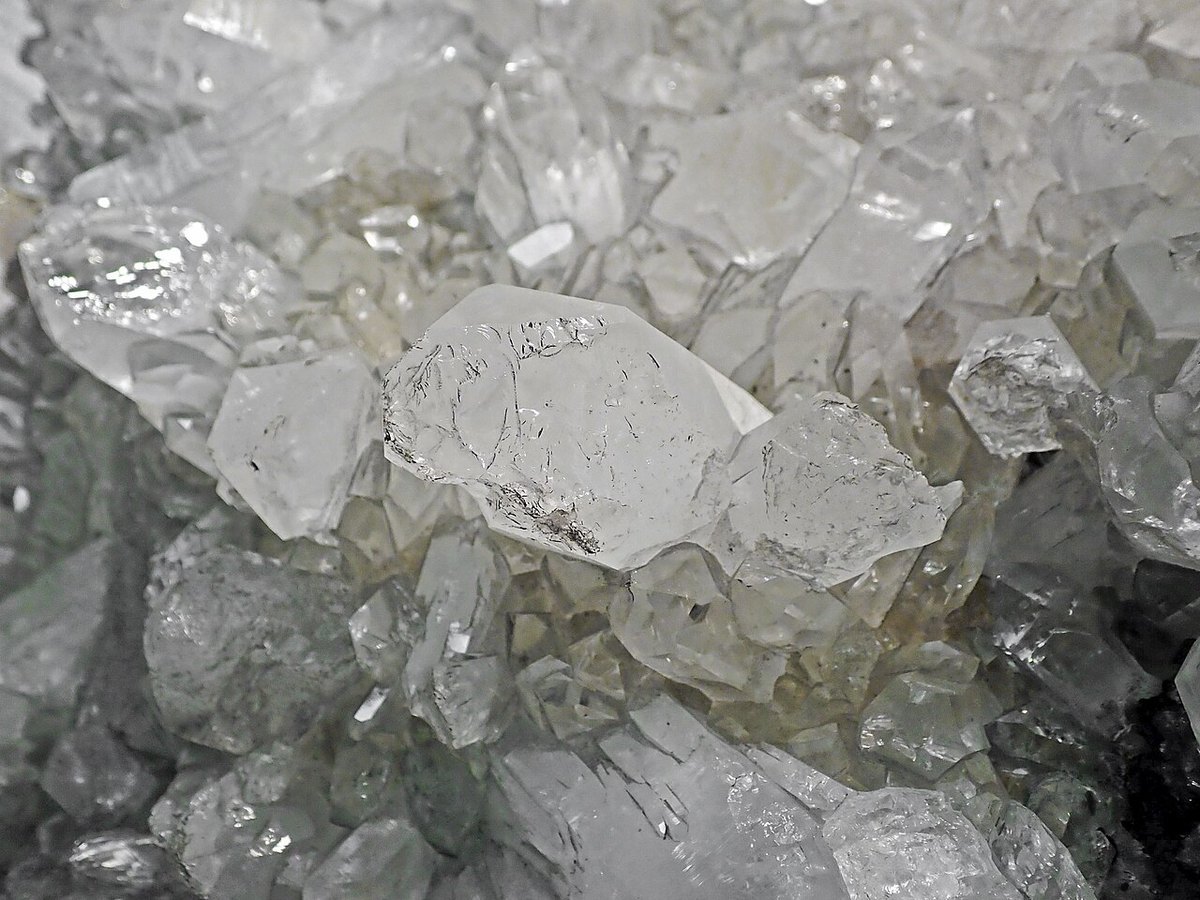
Where Ceylon Sapphire Is Found
