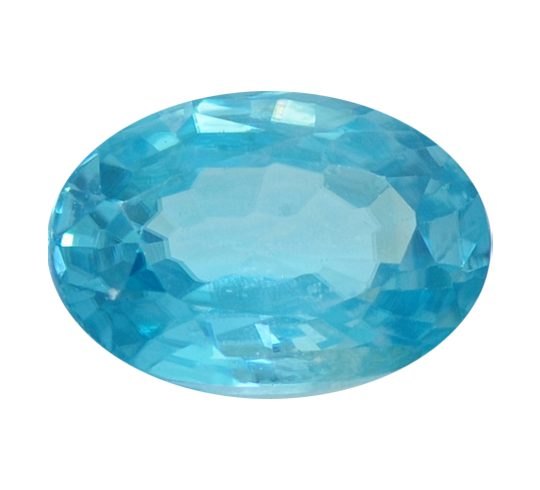
Champagne Diamond
A warm brown-to-gold fancy color diamond from Australian and African mines, champagne diamond brings earthy elegance to fine jewelry.
- Champagne diamonds were considered industrial grade until the Argyle mine's 1980s rebranding made them desirable.
- Australia's Argyle mine produced about 80 percent of the world's natural brown diamonds during its operating life.
- The C1 to C7 grading scale separates light champagne from medium champagne and cognac diamond categories.
- Champagne color comes from microscopic lattice distortions formed deep in the Earth's mantle during diamond growth.
- Despite the warm color, champagne diamonds share all the durability and brilliance of colorless diamonds at Mohs 10.
- Engagement ring buyers wanting a warm earthy diamond at lower price than colorless
- April birthstone seekers exploring fancy color diamond options
- Designers wanting earth-toned brilliance for vintage or rustic settings
- Buyers prioritizing durability for daily-wear stones
- Practitioners working with grounded fire energy through diamond's amplifier reputation
What Is Champagne Diamond?
Champagne diamond is a fancy color diamond ranging from light golden brown to deep cognac. Like all diamonds, it is pure crystallized carbon (Mohs 10, the hardest natural substance), but the warm color comes from microscopic distortions in the crystal lattice produced during diamond formation deep in the Earth's mantle.
These distortions absorb part of the visible light spectrum, leaving the warm brown tones that reach the eye.
The Gemological Industry uses the C1 to C7 scale to grade champagne diamond color from light champagne (C1-C2) through medium champagne (C3-C4) to cognac (C5-C7). The lighter tones look pale gold under sunlight, while deeper cognac tones can appear nearly orange-brown.
Coloration is generally stable and not the result of treatment, though treated brown diamonds also exist in the market.
Champagne diamonds were a minor presence in the trade until the 1980s, when Australia's Argyle mine in the Kimberley region began producing massive quantities of brown diamonds alongside its famous pink diamonds. Argyle alone supplied roughly 80 percent of the world's natural brown diamonds during its operating life.
The mine closed in 2020, ending a major source. Today, champagne diamonds come from South Africa, Russia, Botswana, Canada, and ongoing smaller Australian production. As supply tightens, prices for fine champagne diamonds have begun creeping upward.
How Champagne Diamond Compares
| Property | Champagne Diamond | Colorless Diamond | Yellow Sapphire |
|---|---|---|---|
| Hardness | 10 | 10 | 9 |
| Price / carat | $$$$ Luxury | $$$$ Luxury | $$ Mid-range |
| Color | Light gold to cognac | White | Yellow |
| Best For | Warm earth-tone engagement | Classic engagement | Affordable warm stone |
Meaning and Symbolism
Champagne diamond carries the long symbolic lineage of all diamonds (associated with strength, clarity, and unbreakable commitment) combined with the warmer modern reputation of fancy color diamonds.
The word diamond comes from the Greek adamas, meaning unconquerable, a reference to the stone's extreme hardness and historical role as a symbol of enduring bonds. Brown diamonds were not historically valued in classical traditions; they were considered industrial-grade until 20th-century marketing reframed them as champagne and cognac.
The trade names champagne and cognac were popularized in the 1980s by Australian marketing of Argyle diamonds. Before this rebrand, brown diamonds were heavily discounted in the global trade.
Modern marketing successfully repositioned them as warm earth-toned alternatives to colorless diamonds, particularly for buyers seeking distinctive color at a lower price point than classic white stones.
In modern crystal healing tradition, champagne diamond is associated with grounded fire energy, sustained physical endurance, and what practitioners describe as warmth that does not burn out. Practitioners believe it supports the root and sacral chakras, distinct from the crown association of classic colorless diamond.
Many find champagne diamond well-suited to readers seeking an engagement stone or daily-wear ring that symbolizes earthy enduring love rather than purely radiant idealism. Champagne diamond is also commonly recommended in modern crystal practice for grounded prosperity work, since the warm color combines diamond's traditional amplifier reputation with earth-element associations.
Historical Timeline
Healing Tradition
Emotional
Practitioners believe champagne diamond supports steady warm emotional presence, particularly in long-term commitments and family relationships. In crystal healing tradition, it is said to symbolize enduring warmth without dramatic intensity, making it well-suited to readers building lifetime partnerships, raising children through demanding seasons, or sustaining creative work over decades.
Many find champagne diamond useful as an engagement or anniversary stone that signifies earthy enduring love rather than purely radiant idealism. The stone is often paired with rose quartz for soft heart practice and with citrine for grounded confidence in receiving.
Because champagne diamond carries warm brown-gold tones, practitioners sometimes pair it with cooling stones like aquamarine when emotional steadiness needs balancing with refreshment. It is rarely described as a stone for catharsis or rapid mood shift; its reputation is structural, slow, and oriented toward the long work of building enduring emotional commitments.
Spiritual
In crystal healing tradition, champagne diamond is associated with the root and sacral chakras, distinct from the crown association of classic colorless diamond. Practitioners believe its warm color carries diamond's traditional amplifier reputation while channeling the energy through the lower chakras for grounded embodied work.
The stone is widely used in modern crystal practice for prosperity work that emphasizes earthy sustainability rather than rapid manifestation.
Many practitioners use champagne diamond as a daily-wear engagement or commitment stone, treating the constant presence as an anchor for ongoing intention work. The stone pairs naturally with clear quartz for additional amplification, with citrine for combined warmth and confidence, and with black tourmaline for protective grounding during demanding work.
Its traditional Sun and Earth associations emphasize radiant warmth grounded in physical reality.
Physical
Practitioners believe champagne diamond's warm earth-toned amplifier energy supports what traditions describe as physical endurance, circulation, and the kind of steady vitality required for long-term effort. Diamond more broadly has a long folklore tradition as a stone of strength and protection in physical work.
Champagne diamond is not a substitute for medical care, and crystal traditions frame it as supportive rather than curative.
Many readers wear champagne diamond engagement rings or pendants daily, framing the constant presence as a tangible reminder of grounded warmth in their physical lives. Practitioners sometimes pair champagne diamond with carnelian for fuller sacral warmth and with hematite for additional grounding.
The stone's extreme hardness (Mohs 10) makes it the safest diamond choice for active daily wear, including in sports, manual work, and outdoor activities.
Zodiac, Birthstone and Gifts
Champagne diamond is a variant of the broader diamond category and qualifies as an April birthstone. Modern crystal writers often suggest the warm variety specifically for Taurus readers wanting durable beauty with earthy character, and for Leo readers who want diamond's brilliance in a warmer palette.
Capricorn readers also respond well to champagne diamond for its long-term commitment and earthy structure themes. Earth signs broadly find the warm color grounding compared to classic colorless diamond. Water and fire signs sometimes prefer the cooler brilliance of colorless or fancy color diamonds in pinks and yellows.
Care and Cleansing
Champagne diamond is one of the easiest stones to cleanse because it is chemically stable and the hardest natural substance. Lukewarm soapy water with a soft brush removes grime and skin oils safely; rinse and dry with a soft cloth.
Ultrasonic and steam cleaners are generally safe for clean champagne diamond without significant fractures.
Sunlight, moonlight, and dry smoke cleansing (sage, palo santo, cedar) are all considered safe and traditional methods. Many practitioners treat the daily wear of an engagement ring as continuous cleansing through movement and skin contact, with periodic deeper cleansing through soapy water and smoke.
Recharging on a clear quartz cluster overnight is standard between major life milestones.
- DO clean champagne diamond in lukewarm soapy water with a soft brush; rinse and dry with a soft cloth.
- DO NOT use ultrasonic cleaners on stones with visible inclusions or fracture-filling treatments.
- DO store champagne diamond separately from softer stones; diamond will scratch any other gem or metal.
- DO NOT subject diamond to extreme thermal shock; sudden temperature changes can crack inclusions.
- DO request disclosure of any treatments, including HPHT or color enhancement, at point of purchase.
- DO have prongs and settings checked annually by a jeweler for daily-wear rings.
- Note: lab-grown champagne diamonds exist and should be disclosed; they are physically identical but priced differently.
Real vs Fake
Genuine champagne diamond shows extraordinary brilliance and dispersion (the rainbow flashes called fire) that no other natural or synthetic gem fully matches. Moissanite is the closest visual substitute and shows even more fire than diamond, often used as a budget alternative.
Cubic zirconia, glass, and synthetic spinel lack the brilliance, hardness, and density of real diamond and are usually distinguishable by experienced jewelers.
Color and lab certification are the key checks for champagne specifically. Real natural champagne diamond shows warm brown-gold color caused by lattice distortions, with the C1-C7 grading scale defining intensity. Treated brown diamonds (HPHT-altered or irradiated) are visually similar but should be disclosed and priced accordingly.
A lab report from an independent gemological lab confirms natural origin, color grade, and any treatments.
At home, you can test breath-fog (real diamond clears almost instantly; substitutes hold fog longer), check for the high-luster adamantine sparkle, and look for inclusions under 10x magnification (real diamonds typically show some natural inclusions; perfectly clean stones at low prices are suspicious).
A diamond tester (electronic conductivity probe) distinguishes diamond from most simulants but cannot separate natural from lab-grown.
For any champagne diamond above 0.50 carat, request a lab report covering natural-versus-synthetic origin, color grade, clarity, and treatment status. This is essential for engagement-ring purchases and provides insurance documentation.
Champagne Diamond Jewelry & Gifts
Champagne diamond pricing depends heavily on color intensity, clarity, and carat weight. Light champagne diamonds (C1-C2) start around $800 to $2,500 per carat for one-carat stones with good clarity. Medium champagne diamonds (C3-C4) run $1,500 to $4,000 per carat at one-carat sizes.
Cognac diamonds (C5-C7) can reach $3,000 to $8,000 per carat for top-color stones with excellent clarity.
Pricing is meaningfully lower than colorless diamonds of the same carat and clarity, which is part of the appeal: a one-carat champagne diamond often costs 30 to 60 percent less than an equivalent colorless stone. Argyle-origin stones command modest premiums following the mine's 2020 closure.
Treatments are an important disclosure issue. Some brown diamonds are HPHT-treated or irradiated to enhance color, particularly to deepen pale stones into more saturated cognac. Always request a lab report covering both natural-versus-synthetic origin and any color enhancement.
Lab-grown champagne diamonds are increasingly available at significantly lower prices and should always be disclosed.
Where to Buy Champagne Diamond
Affiliate disclosure: Some links below earn us a small commission at no extra cost to you. See our affiliate disclosure page.
Handmade, raw, and tumbled pieces from independent sellers worldwide.
Shop Champagne Diamond on Etsy →Accessories, tools, and specimen sets with fast Prime delivery.
Shop Champagne Diamond on Amazon →Certified loose gemstones graded and photographed for online buyers.
Shop Champagne Diamond on GemSelect →Pairs Well With


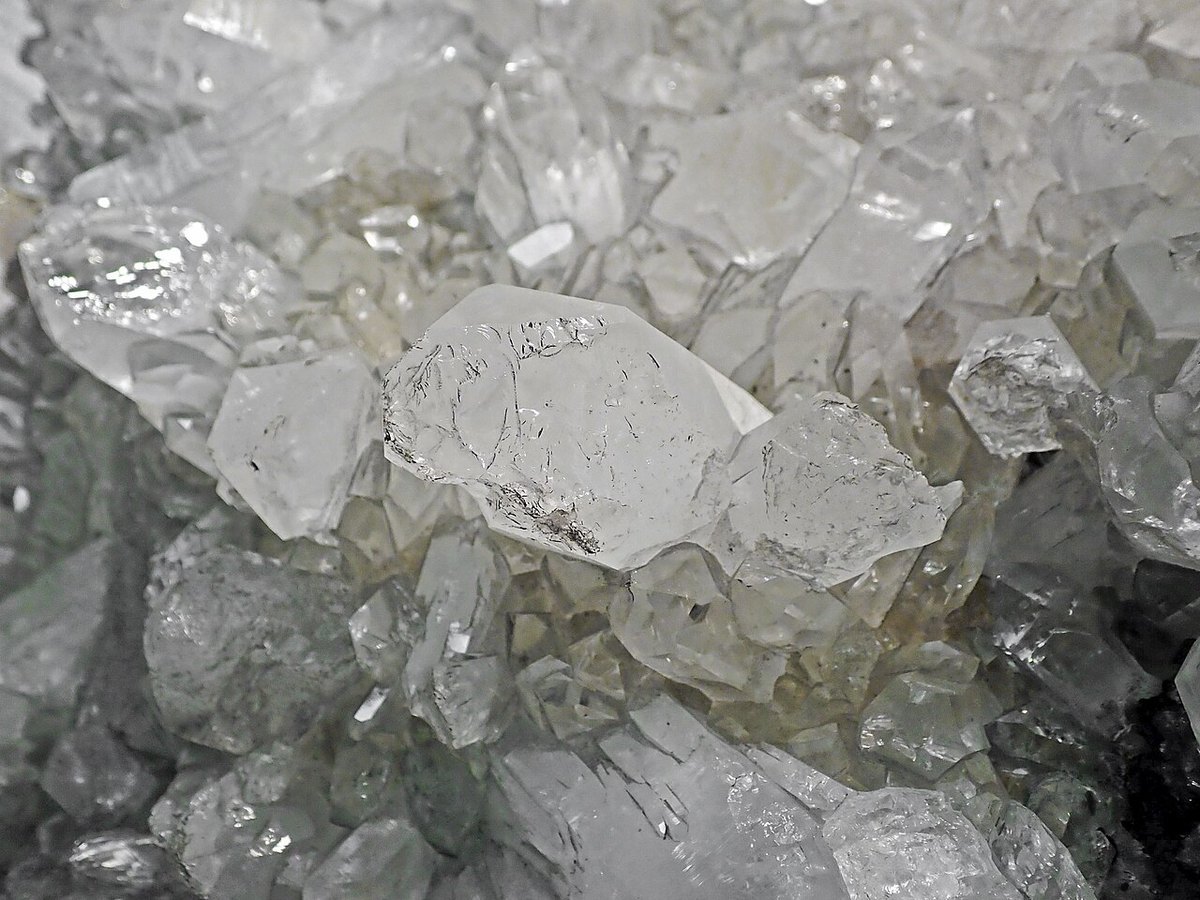


Where Champagne Diamond Is Found


