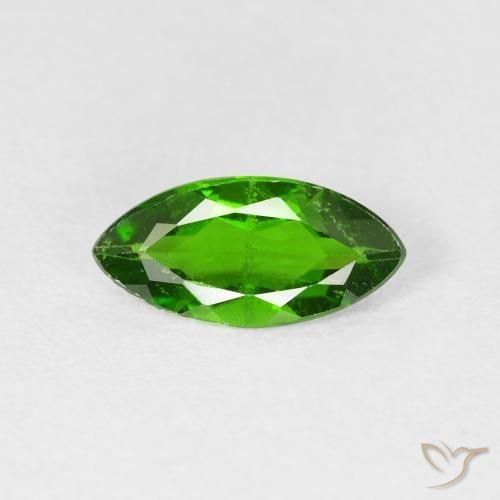
Chrome Diopside
Born in Siberian kimberlite, chrome diopside is the vivid forest-green gem often called Siberian emerald.
- Chrome diopside gets its vivid green from trace chromium, the same element that colors emerald and ruby.
- Most commercial chrome diopside comes from the Inagli kimberlite pipe in Siberian Russia, a short-season mine.
- Chrome diopside is sometimes called Siberian emerald in the trade, though reputable dealers avoid the name.
- Diopside shows strong pleochroism, moving between yellow-green and blue-green when tilted.
- The stone is typically untreated, setting it apart from the heavily treated emerald market.
- Emerald lovers seeking saturated green color at accessible prices
- Jewelry buyers willing to use protective settings for a slightly softer stone
- Pendant and earring shoppers who want vivid green for occasional wear
- Practitioners working with heart chakra in an earthy, forest-green tone
- Collectors of stones from Siberian kimberlite deposits
- Buyers who want daily-wear ring stones without protective settings
- Investment shoppers seeking appreciation-grade gems (chrome diopside is affordable)
- Readers who want sapphire-level hardness in a green stone (try tsavorite or chrome tourmaline)
What Is Chrome Diopside?
Chrome diopside is a chromium-colored variety of the mineral diopside, a calcium-magnesium silicate from the pyroxene group. The chromium content (typically less than 2 percent) produces a vivid saturated green that rivals fine emerald and tsavorite garnet at a small fraction of the price. It rates 5.5 - 6 on the Mohs hardness scale.
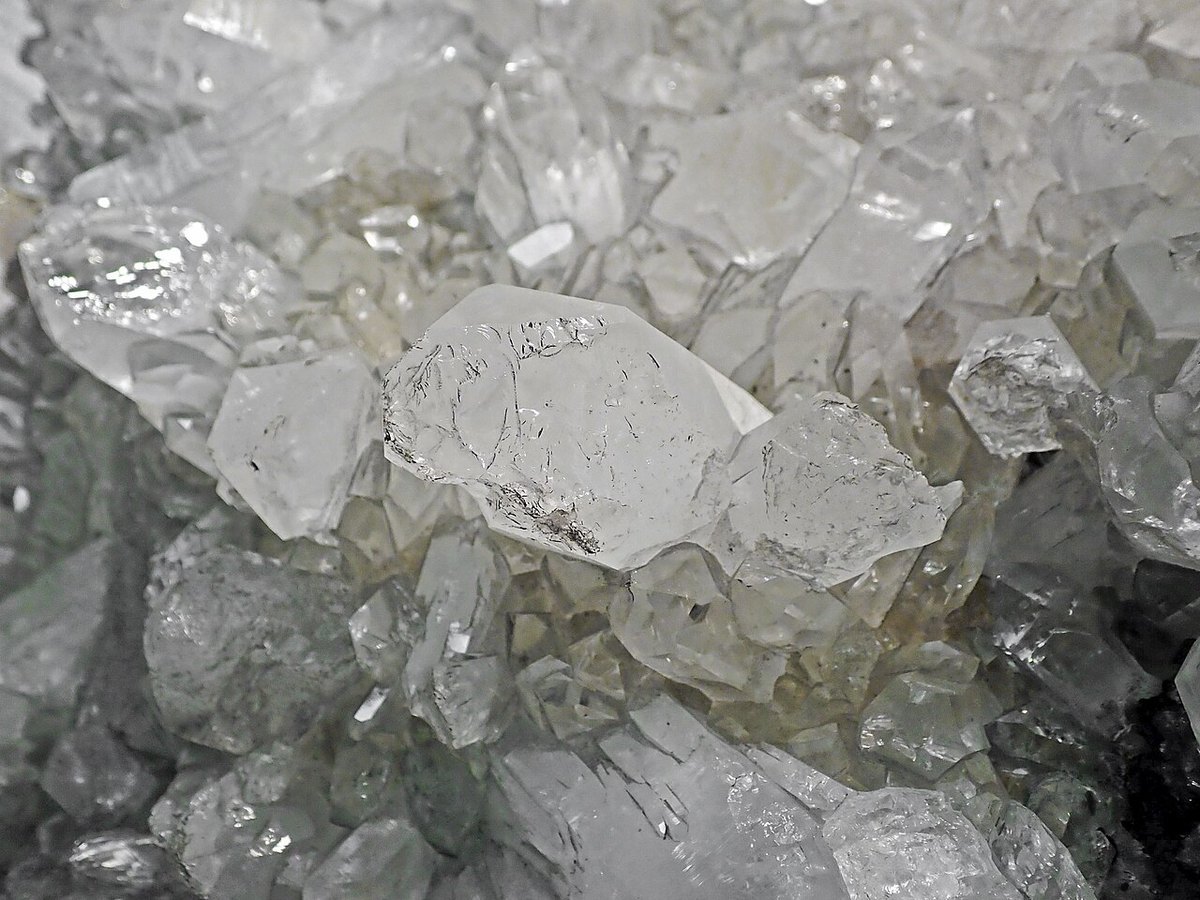
Most commercial chrome diopside comes from the Inagli deposit in Sakha (Yakutia), Siberian Russia, where the stone occurs in kimberlite pipes associated with diamond mining. Secondary sources include Pakistan, Kenya, Italy, and trace occurrences in Canada and the United States.
Mineralogically, diopside crystallizes in the monoclinic system and is found in a wide variety of metamorphic and igneous rocks. The IMA symbol is Di. Chrome diopside has a refractive index of 1.664 to 1.730 (noticeably higher than emerald's 1.565 to 1.602) and specific gravity of 3.25 to 3.55.
Hardness is 5.5 to 6 on the Mohs scale, softer than emerald (7.5 to 8) and therefore more vulnerable to scratching in daily-wear ring settings.
The stone is typically untreated and sold as natural color, which is a significant selling point over the commonly oiled or resin-filled emerald market.
Faceted chrome diopside shows the strong pleochroism of pyroxenes, moving between yellow-green and blue-green as the stone is tilted, and well-cut stones display good brilliance despite the softer hardness. Because the Siberian mines are accessible only during a short summer window each year, supply is seasonal and can affect pricing.
How Chrome Diopside Compares
| Property | Chrome Diopside | Emerald | Tsavorite |
|---|---|---|---|
| Hardness | 5.5 - 6 | 7.5 - 8 | 7 - 7.5 |
| Price / carat | $ Budget | $$$ Premium | $$$ Premium |
| Rarity | Moderate | Rare (fine color) | Rare |
| Best For | Pendants, earrings, budget green | Heirloom jewelry | Collector green |
Meaning and Symbolism
Diopside has been known mineralogically since 1800, when it was described and named from the Greek words dis (double) and opsis (vision), referring to the stone's strong pleochroism.
Chrome diopside as a distinct gem variety emerged commercially only in the late 1980s, when Soviet-era Russian mining operations at Inagli began producing faceted chrome diopside in significant quantities.
The stone's entry into Western gem culture is therefore modern, tied specifically to the geological accident of green diopside occurring in diamond-bearing kimberlite pipes.
Because chrome diopside lacks ancient tradition, its meaning has been shaped by contemporary crystal writers who adopted the vivid green tone into heart-chakra work in the 1990s.
Practitioners typically describe chrome diopside as an earthy heart stone, less romantic than rose quartz and less intense than emerald, with a reputation as a grounded, forest-floor green energy rather than a sparkling or dramatic one.
Many readers frame the stone as a companion for quiet heart-centered work during long, steady projects rather than for breakthrough moments.
The trade name Siberian emerald is sometimes used loosely to describe chrome diopside, though reputable dealers avoid this framing because it can mislead buyers about species.
The Siberian association has given chrome diopside a minor collector mystique: the mines operate during a short summer window, the material comes from kimberlite associated with diamond deposits, and the Inagli location has become a recognizable provenance stamp.
Modern crystal culture has adopted chrome diopside as a budget-friendly heart stone with specific geographical character.
Historical Timeline
Healing Tradition
Emotional
Practitioners believe chrome diopside is a stone of quiet, steady heart-centered work. In crystal healing tradition, it is said to support a wearer during slow emotional seasons, caregiving responsibilities, or long relational healing rather than dramatic emotional shifts.
Many find chrome diopside a useful companion during grief work, family caretaking, or reflective periods of personal growth where heart-chakra softness must keep pace with ordinary daily demands.
Chrome diopside is often paired with rose quartz when self-compassion is the primary aim, with smoky quartz when old heart-related grief needs grounding, and with clear quartz when amplifying specific intentions tied to love or care.
Practitioners tend to describe chrome diopside as forest-floor steady rather than bright, which is part of why it suits long-term heart work.
Spiritual
In crystal healing tradition, chrome diopside is said to anchor the heart chakra with an earthy, embodied green energy. Practitioners believe the stone supports readers whose spiritual path emphasizes embodied presence, steady compassion, and the long practice of loving well rather than dramatic mystical experiences.
Because chrome diopside is a modern stone, it has no classical planetary assignment; contemporary practitioners often associate it with the earth element and with Venus for its heart themes. The Siberian origin has given the stone a quieter, winter-forest quality in crystal literature, which matches its reputation for patient care.
Many readers keep a chrome diopside pendant for daily wear during caregiving seasons and pair it with regular meditation on steady heart-centered presence.
Physical
Practitioners believe chrome diopside supports what they describe as steady cardiac rhythm, gentle detoxification, and lymphatic balance, folklore that draws on the stone's heart-chakra green color and general gemstone tradition. Crystal healing tradition associates chrome diopside with the heart as a physical organ in gentle metaphorical terms rather than clinical senses.
Many find wearing a chrome diopside pendant comforting during long demanding work weeks, caregiving periods, or convalescent recoveries. Chrome diopside is not a substitute for medical care, and practitioners frame its role as supportive rather than curative.
Readers with cardiac concerns, chronic stress, or hormonal imbalances are encouraged to rely on qualified medical guidance and treat crystal practice as one piece of a broader routine.
Zodiac, Birthstone and Gifts
Chrome diopside has no traditional birthstone role and is adopted in contemporary astrology based on color and temperament. Many astrologers suggest chrome diopside for Taureans drawn to earthy, grounded, patient heart stones, and for Virgos with an affinity for stones that support steady daily practice rather than dramatic experience.
Modern Western astrology associates chrome diopside with the earth element and with Venus for its heart themes. Because chrome diopside is a modern commercial stone, Vedic astrology (Jyotish) does not include it among classical gem prescriptions.
Vedic tradition uses emerald (panna) for chromium-colored green stones, and chrome diopside is sometimes adopted on an intention basis as a budget alternative by contemporary practitioners.
Care and Cleansing
Chrome diopside cleanses gently. Lukewarm soapy water and a soft brush handle daily maintenance, with short rinses safe for loose stones. Avoid ultrasonic cleaners, which can stress the stone's cleavage and soft hardness, and avoid steam cleaners for the same reason.
Saltwater soaks should be avoided because of the softness and potential for metal-setting corrosion; brief salt-adjacent cleansing (such as dry salt placement for a few hours) is acceptable.
Moonlight is traditionally recommended for chrome diopside. Short sunlight exposure is safe since the color is stable. Smoke cleansing with palo santo or sage is common, as is sound cleansing with a singing bowl.
Many practitioners recharge chrome diopside overnight on a clear quartz cluster or selenite slab between uses, a passive method that avoids any risk to the softer stone. Because the Siberian heritage of the material carries a winter-forest symbolism, some practitioners specifically cleanse chrome diopside under fresh snowfall when that option is available.
- DO rinse chrome diopside in lukewarm soapy water and dry with a soft cloth.
- DO NOT use ultrasonic or steam cleaners on chrome diopside.
- DO store chrome diopside separately to protect from harder stones.
- DO NOT soak chrome diopside in saltwater or strong household cleaners.
- DO remove chrome diopside rings during sports and heavy housework.
- DO choose bezel settings over prong settings to protect the softer stone.
- Note: chrome diopside is typically untreated; disclose any clarity enhancement at the point of sale.
Real vs Fake
Genuine chrome diopside shows vivid saturated green color with strong pleochroism (shifting between yellow-green and blue-green when tilted) and the specific gravity and refractive index of diopside. Common substitutes include synthetic green glass, dyed quartz, green cubic zirconia, tsavorite garnet, chrome tourmaline, and occasionally emerald sold at chrome diopside prices.
Because chrome diopside is inexpensive, outright forgery is less common than confusion with other green gems.
Under a gemological refractometer, chrome diopside reads approximately 1.664 to 1.730, distinct from emerald (1.565 to 1.602), tsavorite (1.740 to 1.760), chrome tourmaline (1.624 to 1.644), and green glass (1.50 to 1.52). Specific gravity of 3.25 to 3.55 also helps distinguish it from lighter substitutes.
Under magnification, natural chrome diopside shows characteristic pyroxene cleavage traces and occasional growth lines, while synthetic and dyed substitutes show dye concentration or curved growth patterns.
Practical at-home clues include observing the stone's pleochroism (real chrome diopside shows clear color shift when viewed from different angles), checking the scratch hardness (it should scratch apatite at Mohs 5 but not feldspar at Mohs 6). Comparing the weight in hand (diopside is denser than emerald or tourmaline at similar size).
A reputable gem lab report from GIA, Mindat, and USGS or similar can confirm species and treatment, though for chrome diopside the cost of the report is often comparable to the cost of a modest stone, so most buyers rely on reputable dealers rather than lab documentation.
Chrome Diopside Jewelry & Gifts
Chrome diopside pricing is excellent for the color intensity. Small stones under one carat run $20 to $50 per carat. One to two carat stones with good saturated green color typically run $50 to $150 per carat.
Larger clean stones above three carats reach $150 to $300 per carat for the best material, and exceptional specimens above five carats with pure saturated green color can reach $400 per carat in collector channels. Cabochons, beads, and tumbled stones sell for $5 to $50 each.
Russian Siberian material from the Inagli deposit is the benchmark source, typically offering the most saturated green color and largest gem-quality rough. Pakistani material from the Kaghan Valley supplies secondary commercial material, and Kenyan and Italian chrome diopside are less common in the commercial market.
Treatments are uncommon; most chrome diopside is sold untreated, and buyers should question any stone whose treatment is not disclosed. Because the stone is inexpensive and typically natural, a lab report is optional for most purchases below one carat.
For larger specimens or those priced above $200 per carat, a reputable lab report adds meaningful confidence.
Where to Buy Chrome Diopside
Affiliate disclosure: Some links below earn us a small commission at no extra cost to you. See our affiliate disclosure page.
Handmade, raw, and tumbled pieces from independent sellers worldwide.
Shop Chrome Diopside on Etsy →Accessories, tools, and specimen sets with fast Prime delivery.
Shop Chrome Diopside on Amazon →Certified loose gemstones graded and photographed for online buyers.
Shop Chrome Diopside on GemSelect →Pairs Well With




Where Chrome Diopside Is Found


