
Cintamani Stone
The legendary wish-fulfilling jewel of Buddhist and Hindu traditions, cintamani stone is associated with enlightenment, compassion, and the highest spiritual aspiration
- Practitioners in the contemporary cintamani or Pleiadian spiritual tradition
- Collectors of tektites, impact glasses, and extraterrestrial minerals
- Those drawn to genuine meteoritic or impact-origin natural materials
- Buyers who approach spiritual claims with informed curiosity
- Buyers who take all seller claims at face value without research
- Those expecting guaranteed spiritual transformation from a purchase
- Budget buyers — high prices in this market are often speculative
What Is Cintamani Stone?
The cintamani stone occupies a unique space at the intersection of ancient mythology, spiritual tradition, and modern market controversy. In Buddhist and Hindu cosmology, the Cintamani is a legendary wish-fulfilling jewel associated with enlightenment and divine power. Nicholas Roerich brought a sacred stone to the West in the early 20th century, claiming it was a fragment of a meteorite with cosmic significance. This narrative has been absorbed into contemporary New Age belief systems where the cintamani stone is described as an extraterrestrial spiritual catalyst.
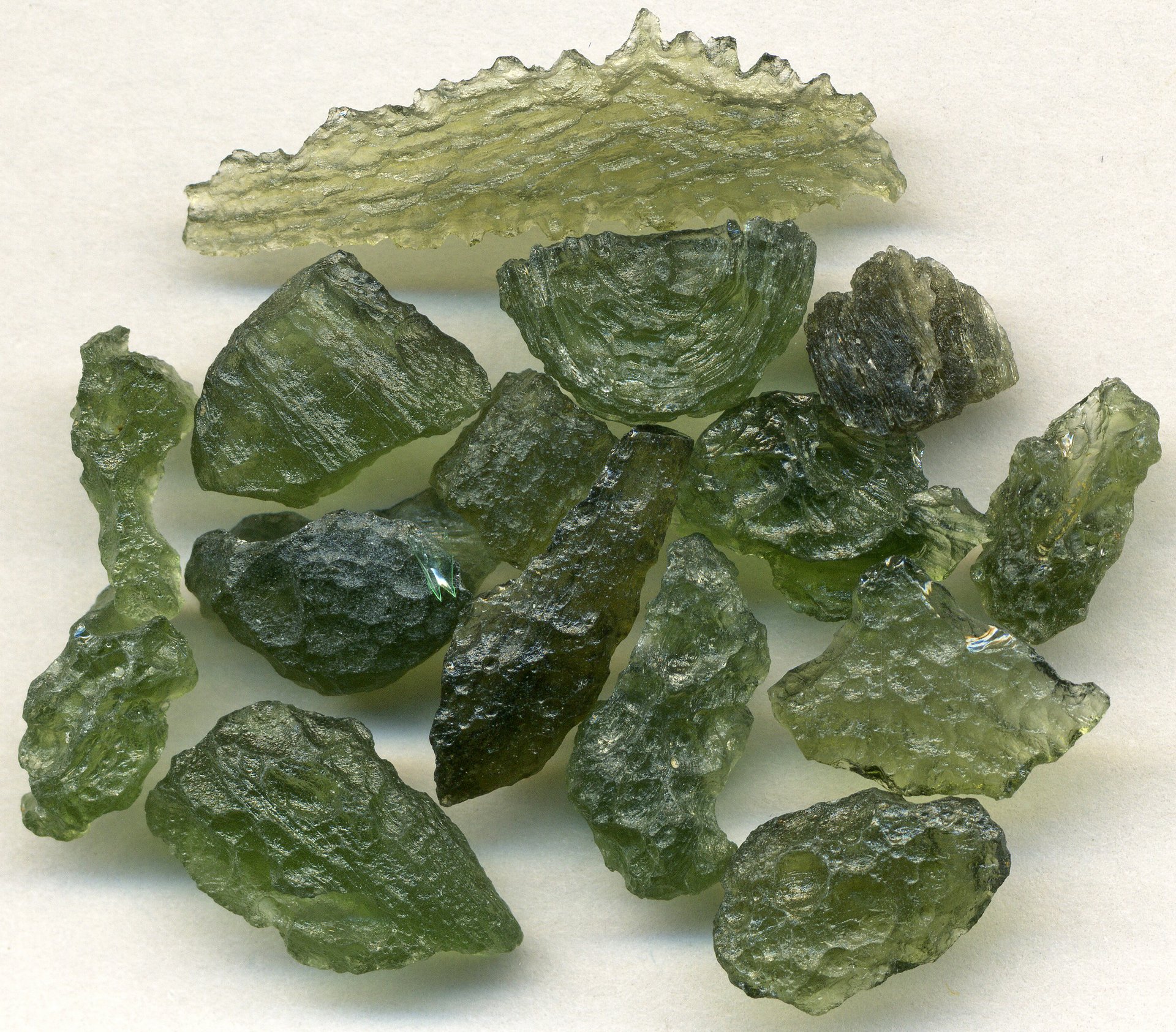
Scientifically, the stones sold today as cintamani are almost always Libyan desert glass (LDG) — a natural silica glass found in the western Egyptian desert and formed approximately 29 million years ago, almost certainly by a meteorite impact or airburst event. LDG is genuinely extraterrestrial in origin: it is made from local desert sand melted by an impact event. A piece of Libyan desert glass appeared in ancient Egyptian jewelry — Tutankhamun's pectoral brooch features a carved LDG scarab. So the connection to something ancient and cosmically significant is real, if different from the narrative sold alongside it.
The cintamani market is heated and claims are frequently exaggerated. Sellers describe specific spiritual effects, high-vibration frequencies, galactic consciousness activation, and contact with extraterrestrial intelligences. None of these claims have scientific basis. Some sellers charge hundreds of dollars for gram-sized pieces of what is geologically identified as Libyan desert glass. Buyers should understand what they are actually purchasing: a beautiful, genuinely rare silica glass with a real meteoritic impact origin and a rich overlay of spiritual narrative.
Meaning and Symbolism
In the contemporary spiritual tradition that has formed around cintamani stones, they are described as high-frequency cosmic catalysts that accelerate spiritual evolution, open galactic consciousness, and activate light-body processes. Practitioners report intense experiences during meditation with the stone, including visions, sensations of expanded awareness, and feelings of cosmic connection. These are genuine subjective experiences reported sincerely by practitioners.
From a historical standpoint, the Cintamani jewel of Buddhist cosmology represents the ultimate attainment of wisdom and compassion — a symbol of enlightenment achieved, not a physical object to be purchased. The convergence of this ancient concept with Libyan desert glass in the modern market is largely a 20th-century construction. What is unambiguously real: Libyan desert glass has a genuine extraterrestrial impact origin, appears in one of the world's most famous ancient artifacts, and is found in one of Earth's most remote deserts. That is extraordinary enough without embellishment.
Buyers who connect deeply with the spiritual narrative of cintamani stones are working within a sincere contemporary tradition. Buyers who want the geological reality get a scientifically remarkable natural glass. Both are valid reasons to own a piece; the key is knowing what you are buying and not paying prices inflated by extravagant unverifiable claims.
Healing Tradition
Emotional
Practitioners in the cintamani tradition associate the stone with releasing deep emotional patterns, expanding compassion, and aligning with higher purpose. Experiences vary significantly between individuals.
Spiritual
Described in contemporary crystal culture as a cosmic activator and galactic consciousness catalyst. In the Buddhist tradition the Cintamani represents enlightened wisdom itself rather than a tool toward it.
Physical
No physical healing properties have scientific support. Libyan desert glass is physically safe to handle and poses no toxicity concerns.
Where to Buy Cintamani Stone
Affiliate disclosure: Some links below earn us a small commission at no extra cost to you. See our affiliate disclosure page.
Handmade, raw, and tumbled pieces from independent sellers worldwide.
Shop Cintamani Stone on Etsy →Accessories, tools, and specimen sets with fast Prime delivery.
Shop Cintamani Stone on Amazon →Certified loose gemstones graded and photographed for online buyers.
Shop Cintamani Stone on GemSelect →Pairs Well With
Where Cintamani Stone Is Found

