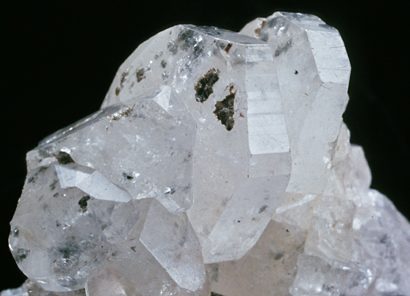
Phenacite
One of the highest-vibration stones in the mineral kingdom - colorless to pale phenacite is reserved by advanced crystal workers for deep meditation and third-eye activation
- Advanced crystal practitioners working with high-vibration energy systems
- Collectors specializing in rare beryllium silicates and clarity minerals
- Buyers drawn to mineralogical rarity with gemological interest
- Meditators seeking the upper tier of the crystal wellness market
- Beginners seeking a gentle introductory crystal experience
- Buyers expecting scientific validation of high-vibration claims
- Those on tight budgets — genuine phenacite commands high prices
What Is Phenacite?
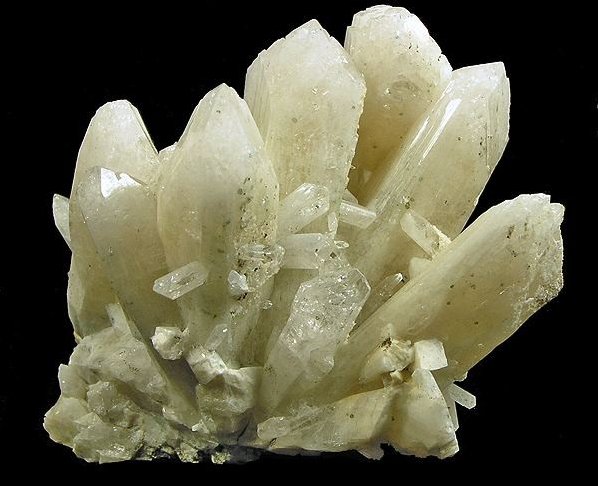
Phenacite (also spelled phenakite) is a beryllium silicate mineral (Be2SiO4) forming well-developed rhombohedral or prismatic crystals that are typically colorless to pale pink, honey, or pale yellow. Its hardness of 7.5 to 8 Mohs and bright vitreous luster give cut stones a diamond-like clarity. The name comes from the Greek word for deceiver, because it was historically confused with quartz, an identification challenge explored at the International Gem Society.
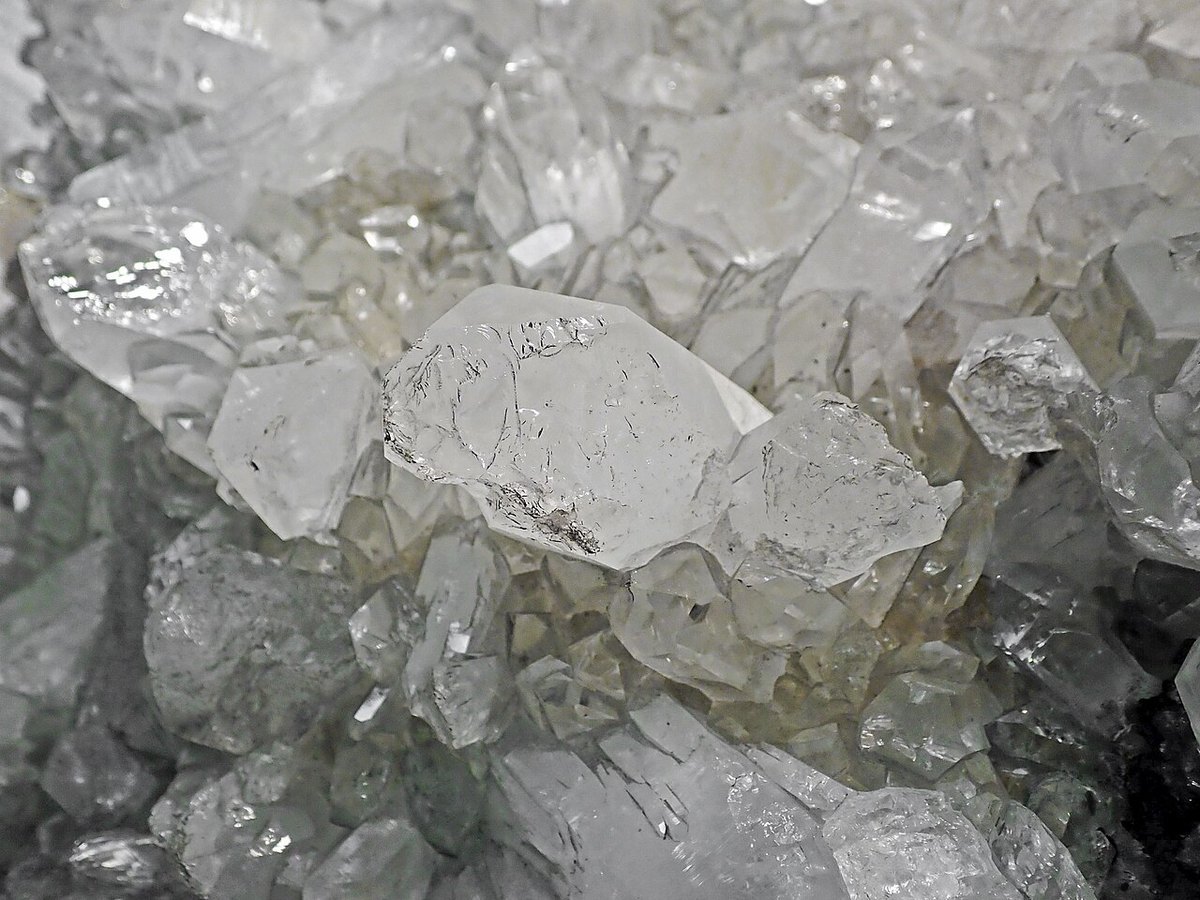
Gem-quality phenacite is genuinely rare and found in small quantities in a handful of locations: the Ural Mountains of Russia, Tanzania, Colorado, Brazil, Norway, and Zimbabwe. Russian material from the emerald and alexandrite mines near Malyshevo is the most celebrated, with crystals prized for size and clarity. Brazilian crystals from Minas Gerais occasionally reach larger sizes. Most faceted phenacite is under 5 carats.
In contemporary crystal healing culture, phenacite occupies the top tier of what practitioners call "high-vibration" stones. It is frequently described as one of the most intensely energetic crystals available, capable of activating the third eye and crown chakra and facilitating communication with higher-dimensional beings. These claims are sincere beliefs within the crystal community; no scientific evidence supports them. The stone is genuinely beautiful, rare, and mineralogically distinct regardless of metaphysical attribution.
Meaning and Symbolism
Phenacite is described in crystal healing literature as one of the highest-frequency minerals available to practitioners. It is said to rapidly open the third eye and crown chakra, facilitate journeys into non-ordinary states of consciousness, and assist with receiving guidance from higher-dimensional sources. Practitioners often report that working with phenacite is more immediately intense than working with other stones.
These associations are central to a sincere and active spiritual community. The belief system surrounding high-vibration stones like phenacite, moldavite, danburite, and cintamani represents a contemporary spiritual tradition with its own internal logic. From a scientific perspective these are subjective experiences with no verified mechanism; from a practitioner perspective they are genuine transformative encounters. Buyers should understand which framework they are operating within.
Beyond metaphysical attribution, phenacite is a genuinely rare and beautiful mineral with a hardness exceeding most common gemstones. Its crystallographic perfection and clarity make it compelling as both a collector specimen and a faceted gem.
Healing Tradition
Emotional
Practitioners describe phenacite as intensifying emotional processing, bringing buried patterns quickly to the surface for release. It is said to accelerate rather than soothe.
Spiritual
Widely used in third-eye and crown chakra activation practices; described in crystal traditions as a portal stone for accessing higher-dimensional guidance and expanded consciousness.
Physical
Note: phenacite contains beryllium, which is toxic in dust form. Finished polished stones are safe. No physical healing properties have scientific validation.
Where to Buy Phenacite
Affiliate disclosure: Some links below earn us a small commission at no extra cost to you. See our affiliate disclosure page.
Handmade, raw, and tumbled pieces from independent sellers worldwide.
Shop Phenacite on Etsy →Accessories, tools, and specimen sets with fast Prime delivery.
Shop Phenacite on Amazon →Certified loose gemstones graded and photographed for online buyers.
Shop Phenacite on GemSelect →Pairs Well With
Where Phenacite Is Found


