Gaspeite
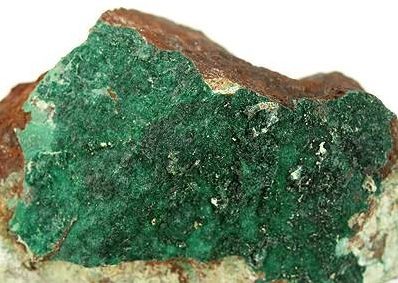
Vivid apple-green nickel carbonate from Western Australia, gaspeite is a rare collector mineral associated with heart chakra vitality and grounding earth energy
- Gaspeite is named after the Gaspe Peninsula in Quebec, Canada - one of the few minerals named after a geographic feature that is itself named after an Indigenous word meaning 'land's end.'
- Gaspeite's vivid apple-green color comes entirely from nickel - the same element that causes nickel allergies in sensitive individuals.
- Australian Aboriginal communities near Western Australian nickel deposits have used gaspeite in decorative arts, giving the stone cultural significance beyond its geological rarity.
What Is Gaspeite?
Gaspeite is a nickel-magnesium iron carbonate mineral belonging to the calcite group. It crystallizes in the trigonal crystal system with perfect rhombohedral cleavage. Its chemical formula, (Ni,Mg,Fe)CO3, reflects the nickel content that gives gaspeite its distinctive bright apple-green hue and rarity among collectors.
This gemstone ranges from translucent to opaque with a vitreous to waxy luster. Gaspeite rates 4.5 to 5 on the Mohs hardness scale, making it moderately soft for jewelry. Its refractive index spans 1.610 to 1.830, while its specific gravity averages 3.68 to 3.71, typical of carbonate minerals.
Gaspeite forms in nickel-rich hydrothermal environments, particularly within weathered nickel ore deposits. Major localities include Canada's Gaspe Peninsula in Quebec, Western Australia, and New Caledonia. Its rarity and vivid green color make it highly sought after by mineral collectors worldwide seeking distinctive cabinet specimens.
Meaning and Symbolism
Gaspeite was first described in 1966 from specimens collected in the Gaspe Peninsula of Quebec, which gives the mineral its name. The Gaspe region's ancient Precambrian and Paleozoic rocks were exposed during the Acadian orogeny, creating the geological conditions for nickel-rich carbonate mineral formation in metamorphic environments.
Australian deposits in Western Australia and South Australia proved more commercially significant than the Canadian type locality, producing most gaspeite that entered the gem and collector market. The stone gained recognition among Australian buyers partly because its apple-green color appeared occasionally in Aboriginal dot painting traditions as a decorative material.
Gaspeite remains obscure outside specialist collector circles due to its limited supply from only a handful of global localities. Its vivid green color - caused by nickel within the carbonate structure - makes it visually striking and occasionally confused with chrysoprase or variscite by non-specialists.
Historical Timeline
Healing Tradition
Emotional
Practitioners believe gaspeite's vivid green encourages hope, renewal, and a fresh emotional perspective during periods of transition or stagnation. It is said to gently clear emotional residue accumulated from past disappointments, supporting an open, forward-looking orientation to life and the genuine willingness to embrace new possibilities without the weight of unresolved emotional history.
Spiritual
Traditionally associated with the heart chakra in crystal healing practice, gaspeite is said to connect practitioners to the vitality and renewal of the natural world. Crystal healing tradition holds that its vivid earth-green color carries the regenerative energy of new growth, supporting spiritual practices centered on healing, abundance, and genuine reconnection with the living natural world.
Physical
Some practitioners believe gaspeite supports digestive health and the body's natural vitality, associations drawn from its green color and heart chakra attribution in crystal lore. These claims are not medically verified and should not replace professional medical advice. Gaspeite is used in wellness settings as a companion stone during nature-focused healing practices and outdoor mindfulness exercises.
Care and Cleansing
- Contains nickel - those with nickel allergies should avoid extended skin contact.
- Do not use water or salt cleansing - nickel carbonate can be affected by moisture and acidic solutions over time.
- Hardness 4.5 to 5 means it scratches easily; store separately from harder stones.
- Keep away from children and pets who might mouth the stone.
- Wipe clean with a soft dry cloth only; avoid any chemical cleaners.
Where to Buy Gaspeite
Affiliate disclosure: Some links below earn us a small commission at no extra cost to you. See our affiliate disclosure page.
Handmade, raw, and tumbled pieces from independent sellers worldwide.
Shop Gaspeite on Etsy →Accessories, tools, and specimen sets with fast Prime delivery.
Shop Gaspeite on Amazon →Certified loose gemstones graded and photographed for online buyers.
Shop Gaspeite on GemSelect →Pairs Well With