Green Amber
The forest-toned face of ancient resin - rare in nature, beautiful in jewelry, and worth knowing how to identify.
- Truly natural green amber - where the color occurred without any treatment - represents less than 2 percent of all amber mined globally.
- The green color in treated amber is created by heating amber in an autoclave under specific pressure and temperature conditions that trigger oxidation in the outer layers of the resin.
- Some green Dominican amber specimens glow a different shade of blue-green under UV light compared to yellow Dominican amber - the green body color shifts the fluorescence slightly.
What Is Green Amber?
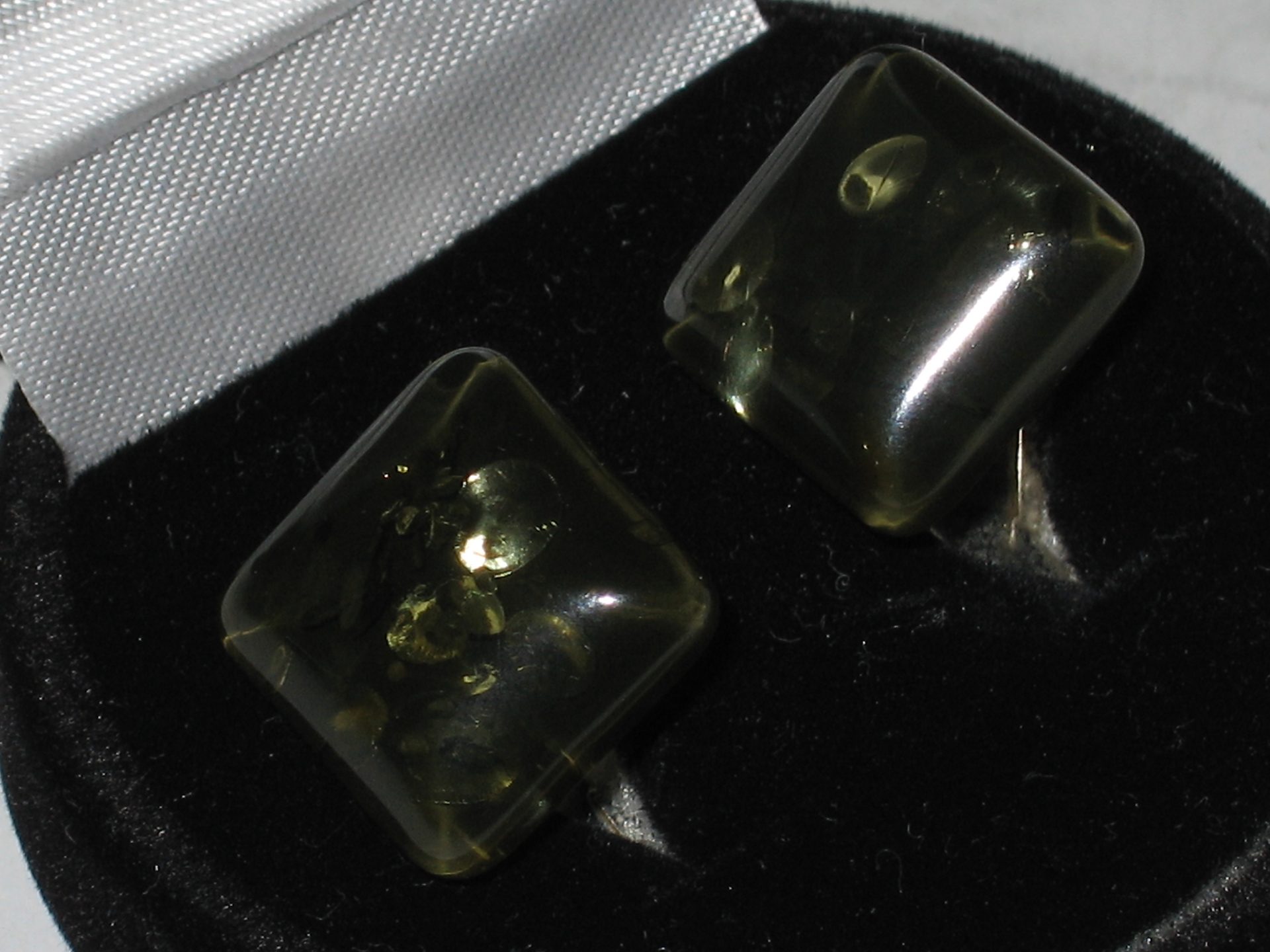
Green Amber is fossil resin that displays a green to olive-green body color, ranging from soft sage to deep forest green. Some specimens are naturally green due to oxidation or trapped plant matter; many commercially available green ambers have been heat-treated to develop or enhance the color.
*Natural green amber* forms when the original resin contained chlorophyll-rich plant material or when specific oxidation occurred during fossilization. It is genuinely rare in the wild. **Most green amber on the market today is Baltic amber that has been autoclaved or pressed** - a legitimate treatment, but one that should be disclosed.
Green amber retains all of amber's fundamental properties - the warm organic feel, the lightweight comfort for jewelry, the prehistoric inclusions that can still be present - while offering a nature-forward color palette that golden amber cannot.
Meaning and Symbolism
Green Amber carries the meaning of growth, renewal, and the deep patience of nature. Its forest-green color connects it symbolically to the heart of the plant world from which it originally came.
Many practitioners work with green amber for abundance and prosperity work, associating its earthy green with the energy of fertile soil and flourishing life. **It is sometimes called 'the amber of new beginnings'** in modern crystal traditions.
Green amber is said to bridge the solar plexus and heart chakras, combining amber's ancient protective warmth with the heart-opening qualities associated with green stones generally. It is considered by practitioners to be gentle, nurturing, and patient.
Historical Timeline
Healing Tradition
Emotional
Green amber is said by practitioners to calm envy and resentment, replacing those feelings with a sense of abundance and appreciation for one's own growth journey.
Spiritual
Many find green amber useful in nature-based spiritual practices, meditation on growth, and work focused on the heart chakra and compassion.
Physical
Traditional amber healing attributes - associated with the immune and nervous systems in folk medicine - are extended to green amber, with practitioners additionally associating it with physical vitality and the body's regenerative processes.
Zodiac, Birthstone and Gifts
Taurus connects deeply with green amber's earthy patience and the ancient, slow processes of nature. **Green amber is considered a grounding stone for Taurus** that reinforces the Bull's steadiness without adding rigidity.
Virgo's analytical mind finds reassurance in green amber's quiet constancy - this is a stone that took millions of years to form, a reminder for Virgo to trust in the gradual accumulation of careful effort.
Care and Cleansing
Smoke cleansing with sage or palo santo is the recommended method for green amber. Pass the stone through the smoke for 30 seconds and wipe gently with a dry cloth. **Avoid salt, water, and crystal bowls** entirely. Green amber's resin surface is easily damaged by moisture and abrasion from other crystals.
For recharging, place green amber on a bed of dried herbs such as rosemary or dried moss overnight - many practitioners find this nature-based charging especially appropriate for a stone of organic origin.
- Green amber shares amber's signature vulnerability: it is softer than a fingernail (Mohs 2–2.5) and scratches easily. **Always store it separately**, wrapped in soft fabric, away from all other jewelry.
- Heat-treated green amber may gradually shift back toward orange-yellow tones if repeatedly exposed to high heat (steam cleaning, autoclave-level conditions, prolonged direct sunlight on hot surfaces). Normal indoor wear and ambient sunlight are safe.
Real vs Fake
The first question with green amber is not fake vs. real but treated vs. natural. Both are genuine amber - the question is whether the green color formed naturally or through heat treatment. Natural green is far rarer and more valuable; treated green is common and should be priced accordingly.
Under UV light, genuine amber (green or otherwise) typically fluoresces blue or blue-green. Green-dyed glass or plastic shows no fluorescence or an unnatural glow.
**The saltwater float test** applies: genuine amber floats in saturated saltwater (8 tablespoons per cup). Glass sinks. Most plastic sinks. If the green piece floats, it is at minimum organic.
Look for *flow patterns* in the interior under magnification - the gentle laminar waves of ancient resin movement. Fakes have uniform interiors; genuine amber always shows subtle flow variation.
Press a hot needle to an inconspicuous surface. Genuine amber smells faintly of pine resin and resin-smoke; plastic smells acrid. This is a destructive test - use it only when other methods are inconclusive and on a spot that will not be visible.
Green Amber Jewelry & Gifts
Always ask whether green amber has been heat-treated. Ethical dealers disclose this readily. Treated green amber is beautiful and legitimate, but it should be priced below rare, naturally green specimens.
**Natural green amber from the Dominican Republic** - where green coloration sometimes occurs without treatment - is the most valuable variety. Expect to pay a significant premium over Baltic heat-treated green amber.
For jewelry-grade green amber, look for stones with good translucency and even green distribution. Cloudy, patchy coloring may indicate poor-quality treatment or a naturally lower-grade piece.
Inclusions in green amber still carry the same value premium as in any Dominican amber. A green specimen with a visible insect is exceptionally rare and correspondingly expensive.
Buy from dealers who describe the amber's origin (Baltic vs. Dominican) and treatment status. Avoid 'green amber' listings with no provenance information, as copal, glass, and plastic are routinely sold as amber online.
Where to Buy Green Amber
Affiliate disclosure: Some links below earn us a small commission at no extra cost to you. See our affiliate disclosure page.
Handmade, raw, and tumbled pieces from independent sellers worldwide.
Shop Green Amber on Etsy →Accessories, tools, and specimen sets with fast Prime delivery.
Shop Green Amber on Amazon →Certified loose gemstones graded and photographed for online buyers.
Shop Green Amber on GemSelect →Pairs Well With