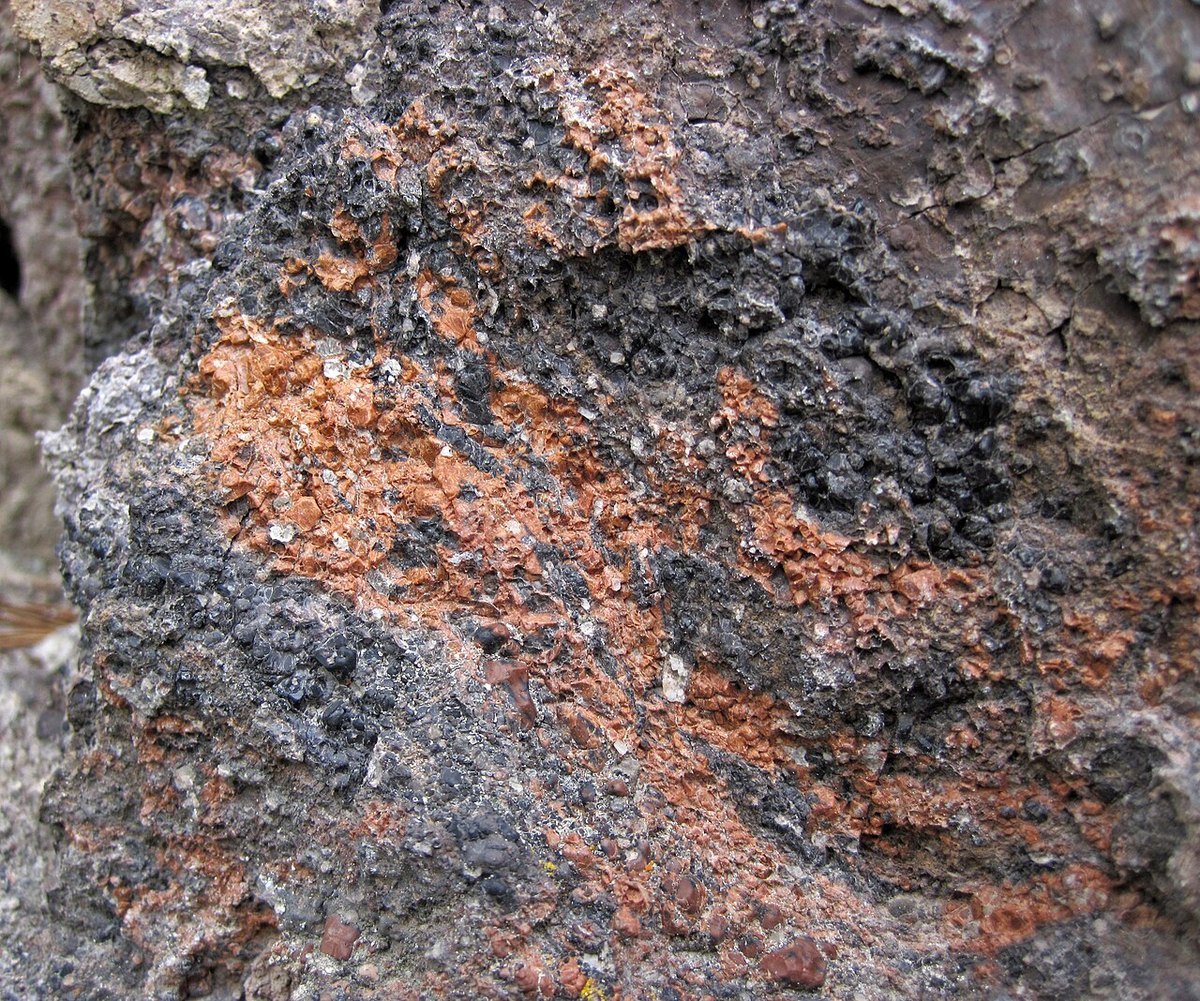
Mahogany Obsidian
A rich red-brown volcanic glass colored by iron inclusions, mahogany obsidian is a grounding shadow worker associated with quiet strength.
- Mahogany obsidian gets its color from iron oxide inclusions distributed in patterns through dark volcanic glass.
- Like all obsidian, mahogany cools so rapidly from lava that no crystals form, leaving a noncrystalline glass.
- Mesoamerican peoples used obsidian for over 10,000 years; the mahogany variety was knapped alongside black material.
- The conchoidal fracture pattern of obsidian produces edges sharper than steel, used by Aztec lapidaries for ceremonial knives.
- Modern surgeons sometimes use obsidian scalpel blades because the molecular edge can be sharper than steel surgical tools.
- Practitioners working with grounded shadow integration and quiet strength
- Cabochon collectors drawn to red-brown volcanic glass patterns
- Crystal carriers seeking gentler shadow work than pure black obsidian
- Daily-wear pendant buyers wanting affordable warm grounding material
- Beginner shadow workers wanting an accessible introduction to obsidian energy
- Buyers wanting pure black obsidian (try obsidian or snowflake obsidian)
- Practitioners seeking dramatic transformative work (try labradorite)
- Daily-wear ring buyers (too soft and brittle for ring use)
What Is Mahogany Obsidian?
Mahogany obsidian is a naturally occurring volcanic glass with rich red-brown color caused by iron oxide inclusions distributed through the silica matrix. Like all obsidian, it forms when high-silica volcanic lava cools so rapidly that crystal structures cannot organize, leaving an amorphous glass instead. It rates 5 - 5.5 on the Mohs hardness scale.
The mahogany variety gets its distinctive coloring from iron-rich inclusions that scatter through the otherwise dark glass.
Geologically, mahogany obsidian is associated with rhyolitic volcanism and forms in the same settings as classic black obsidian. The iron content concentrates in patches, ribbons, or veined patterns within the dark base, producing the warm mahogany tones that distinguish it visually.
Each piece shows unique distribution of the red-brown coloring, with some pieces showing distinct patterns of light brown ribbons against deep brown body.
Most commercial mahogany obsidian comes from Mexico (particularly Jalisco state), the western USA (Arizona, Nevada, Oregon), Iceland, and Armenia. The stone is moderately durable (Mohs 5 to 5.5) but brittle like all obsidian, with sharp conchoidal fractures when broken.
Mahogany obsidian is widely used for cabochons, palm stones, beads, tumbled pieces, and small carvings. It takes a high glassy polish that brings out the warm color contrast. Like all obsidians, it is too brittle for daily-wear rings but works well for pendants, earrings, and decorative carvings.
How Mahogany Obsidian Compares
| Property | Mahogany Obsidian | Black Obsidian | Smoky Quartz |
|---|---|---|---|
| Hardness | 5 - 5.5 | 5 - 5.5 | 7 |
| Price / piece | $ Budget | $ Budget | $ Budget |
| Color | Red-brown with patterns | Pure dark black | Translucent gray-brown |
| Best For | Gentle shadow grounding | Deep shadow work | Light grounding |
Meaning and Symbolism
Mahogany obsidian carries meaning shaped by both its volcanic origin and modern crystal practice. Obsidian broadly has been used by human cultures for over 10,000 years for tool-making, ritual practice, and protection.
Mesoamerican civilizations including the Aztec and Maya used black obsidian extensively for ceremonial knives, mirror scrying, and weaponry. The Aztec god Tezcatlipoca was associated with obsidian mirrors and the dark side of consciousness.
Mahogany obsidian as a specific named variety in the modern crystal trade entered popular use in the 20th century, distinguished from pure black obsidian by its warm red-brown coloring.
Modern crystal tradition treats the warm color as bringing a gentler quality to obsidian's traditional shadow-work reputation, making mahogany obsidian particularly suited for readers new to obsidian energy. Practitioners often describe it as obsidian with a kinder face.
Practitioners believe mahogany obsidian supports the root and sacral chakras with grounded warmth that channels the protective shadow-work qualities of pure obsidian through earthier physical embodiment. Many find the stone useful during periods of slow inner work, recovery from challenging emotional cycles, or steady self-development that requires grounded patience.
Mahogany obsidian is commonly recommended as a gentler introduction to obsidian energy for sensitive readers, beginner shadow workers, and anyone seeking quiet strength rather than dramatic transformation. The stone is also valued for its protective associations carried over from broader obsidian tradition.
Historical Timeline
Healing Tradition
Emotional
Practitioners believe mahogany obsidian supports gentle grounded shadow work and patient emotional integration. In crystal healing tradition, it is said to ease readers into dark or buried emotional material with warmth and physical embodiment, rather than the more confrontational energy of pure black obsidian.
Many find mahogany obsidian useful during slow self-development cycles, gentle therapy work, or periods that require steady patient confrontation with old patterns. The stone is often recommended for sensitive readers who want shadow work done at a slower pace.
Because mahogany obsidian carries warm earthy red-brown tones, practitioners often pair it with brighter stones like citrine when shadow work needs balancing with renewed solar warmth.
It is rarely described as a stone for catharsis or rapid transformation; its reputation is patient, observational, and oriented toward the long quiet work of integrating difficult material. Many readers describe mahogany obsidian as a stone that holds them gently while difficult work unfolds.
Spiritual
In crystal healing tradition, mahogany obsidian is one of the gentler shadow-work stones associated with the root and sacral chakras. Practitioners believe its warm red-brown color combines obsidian's traditional protective shadow-mirror reputation with grounded physical embodiment, supporting meditation focused on body-based healing and slow integration.
The stone is widely used in modern crystal practice for readers approaching shadow work for the first time.
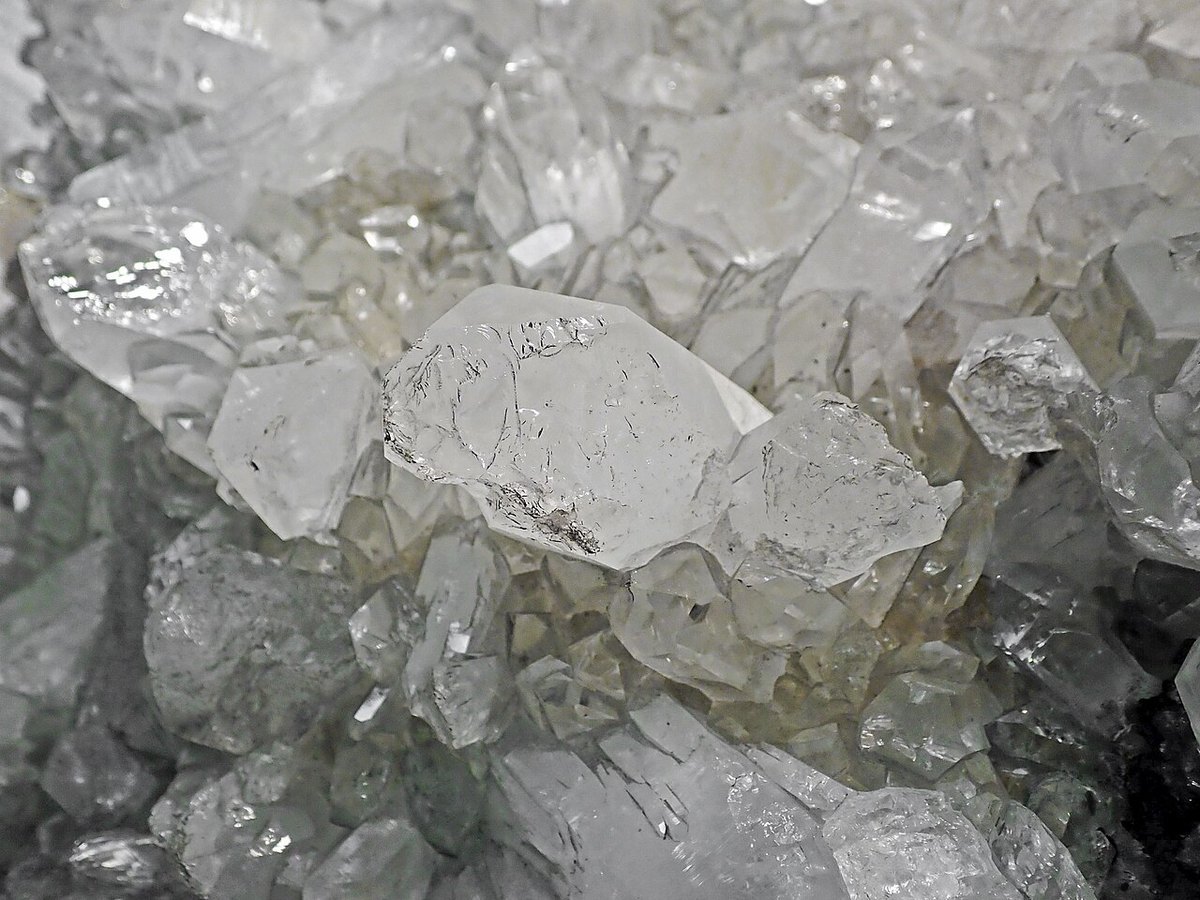
Many practitioners use mahogany obsidian during evening meditation, journaling sessions focused on inner patterns, or sustained cycles tied to therapy or recovery work. The stone pairs naturally with clear quartz for amplification, with smoky quartz for layered grounding, and with black tourmaline for protective practice.
Its traditional Mars and Saturn associations emphasize disciplined embodied work and steady protective grounding.
Physical
Practitioners believe mahogany obsidian supports what traditions describe as physical grounding, circulation, and the kind of body-centered awareness that supports recovery from chronic stress or trauma patterns. Most physical correspondences are 20th-century in origin since mahogany obsidian as a specific named variety is a modern lapidary tradition.
Mahogany obsidian is not a substitute for medical care, and crystal traditions frame it as supportive rather than curative.
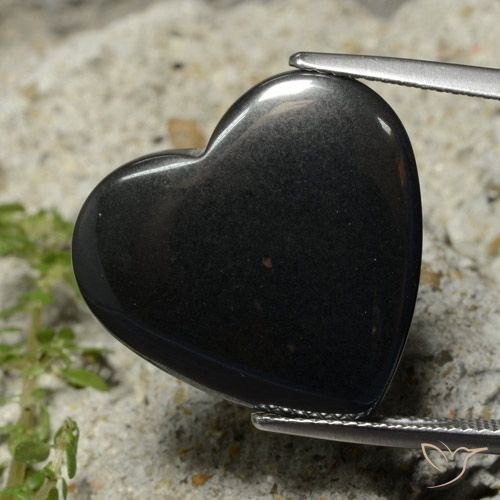
Many readers wear mahogany obsidian pendants during therapy intensives, body-focused practice, or recovery cycles requiring gentle grounded patience. Practitioners sometimes pair mahogany obsidian with red jasper for fuller root chakra warmth and with hematite for additional iron-energy grounding. In contemporary gem therapy, mahogany obsidian is sometimes recommended for somatic-focused healing modalities.
Zodiac, Birthstone and Gifts
Mahogany obsidian is not a classical birthstone, but modern crystal writers often suggest it for Scorpio readers undertaking gentle shadow work and for Capricorn readers committed to long-term disciplined integration. Astrologers traditionally associate the stone with Mars and Saturn for its embodied protective quality.
Earth signs broadly find mahogany obsidian grounding without the heaviness of pure black obsidian; Taurus readers in particular respond to its warm sensual character. Fire signs sometimes use mahogany obsidian as a balancing companion for their natural intensity, channeling the fire through grounded earth-element practice.
Care and Cleansing
Mahogany obsidian is one of the easiest stones to cleanse because it is chemically stable. Lukewarm soapy water with a soft cloth removes grime safely; rinse and dry with a soft lint-free cloth.
Avoid ultrasonic and steam cleaners because the brittle glass can fracture under vibration. Skip prolonged saltwater soaking to preserve any metal setting.
Smoke cleansing with sage, palo santo, cedar, or frankincense is the safest method for mahogany obsidian. Sound cleansing with a singing bowl is also fine. Brief moonlight exposure is the traditional recharging approach.
Mahogany obsidian tolerates sunlight without fading but practitioners often favor evening or moonlight cleansing for energetic reasons. Recharging on a clear quartz cluster overnight is standard practice between major shadow-work cycles.
- DO clean mahogany obsidian with lukewarm soapy water and a soft cloth.
- DO NOT use ultrasonic or steam cleaners on obsidian; the brittle glass can fracture.
- DO store mahogany obsidian separately from harder stones to avoid surface scratches.
- DO NOT subject mahogany obsidian to sudden temperature changes; thermal shock can cause cracks.
- DO use protective bezel settings for ring wear since the stone has only fair toughness.
- DO handle palm stones carefully; obsidian conchoidal fractures produce sharp edges if dropped.
- Note: clean breaks in obsidian leave razor-sharp edges; handle broken pieces carefully.
Real vs Fake
Genuine mahogany obsidian shows warm red-brown coloring distributed in patterns through dark volcanic glass body. The iron-oxide inclusions create natural irregular distributions of color, and each piece shows unique pattern density and arrangement.
Imitations made from dyed glass or printed resin show suspiciously regular color uniformity, lack the natural conchoidal fracture pattern, and often have visible bubbles or seams not found in real volcanic glass.
Color and texture are key checks. Real mahogany obsidian shows warm earthy red-brown tones with dark base body color; bright orange-red or perfectly uniform color suggests dyed substitute material. The stone should feel slightly cool to the touch and dense in the hand, lighter than dense crystal stones but heavier than plastic.
At home, you can examine the surface for natural conchoidal fracture patterns (real obsidian shows distinct concentric ripple patterns when chipped), test hardness gently (mahogany obsidian scratches glass easily but is scratched by quartz only with effort), and look at the color distribution under bright light to confirm natural irregular patterns.
Be cautious of dyed or coated material that lifts color with acetone on a cotton swab applied to an inconspicuous area.
For higher-priced larger pieces above 8cm, request locality information; Mexican Jalisco provenance is the standard, and significant deviations should be documented. Glass imitations are common in budget markets and easily distinguished by manufacturing artifacts visible under 10x magnification.
Mahogany Obsidian Jewelry & Gifts
Mahogany obsidian is one of the most affordable obsidian varieties. Small tumbled pieces run $2 to $10 each. Cabochons in 20mm to 40mm sizes with strong red-brown patterns and good polish run $5 to $30.
Larger statement cabochons and slabs above 50mm with dramatic patterns can reach $30 to $100 for fine pieces.
Carved figures and small sculptures of mahogany obsidian vary by craftsmanship and size, often falling between $20 and $200. Bead bracelets in standard 8mm bead size typically run $10 to $30, with high-quality matching strands reaching $60 for premium pieces. Palm stones are popular at $10 to $40.
Mahogany obsidian is generally untreated. Some lower-grade material is heat-treated to deepen colors, particularly for budget bead production. Always ask about treatment, especially for stones with unusually saturated colors or perfectly uniform patterns.
Buy from established crystal dealers or Mexican lapidary importers for consistent quality, and request locality information for any stone marketed as Jalisco material above $50.
Where to Buy Mahogany Obsidian
Affiliate disclosure: Some links below earn us a small commission at no extra cost to you. See our affiliate disclosure page.
Handmade, raw, and tumbled pieces from independent sellers worldwide.
Shop Mahogany Obsidian on Etsy →Accessories, tools, and specimen sets with fast Prime delivery.
Shop Mahogany Obsidian on Amazon →Certified loose gemstones graded and photographed for online buyers.
Shop Mahogany Obsidian on GemSelect →Pairs Well With




Where Mahogany Obsidian Is Found


