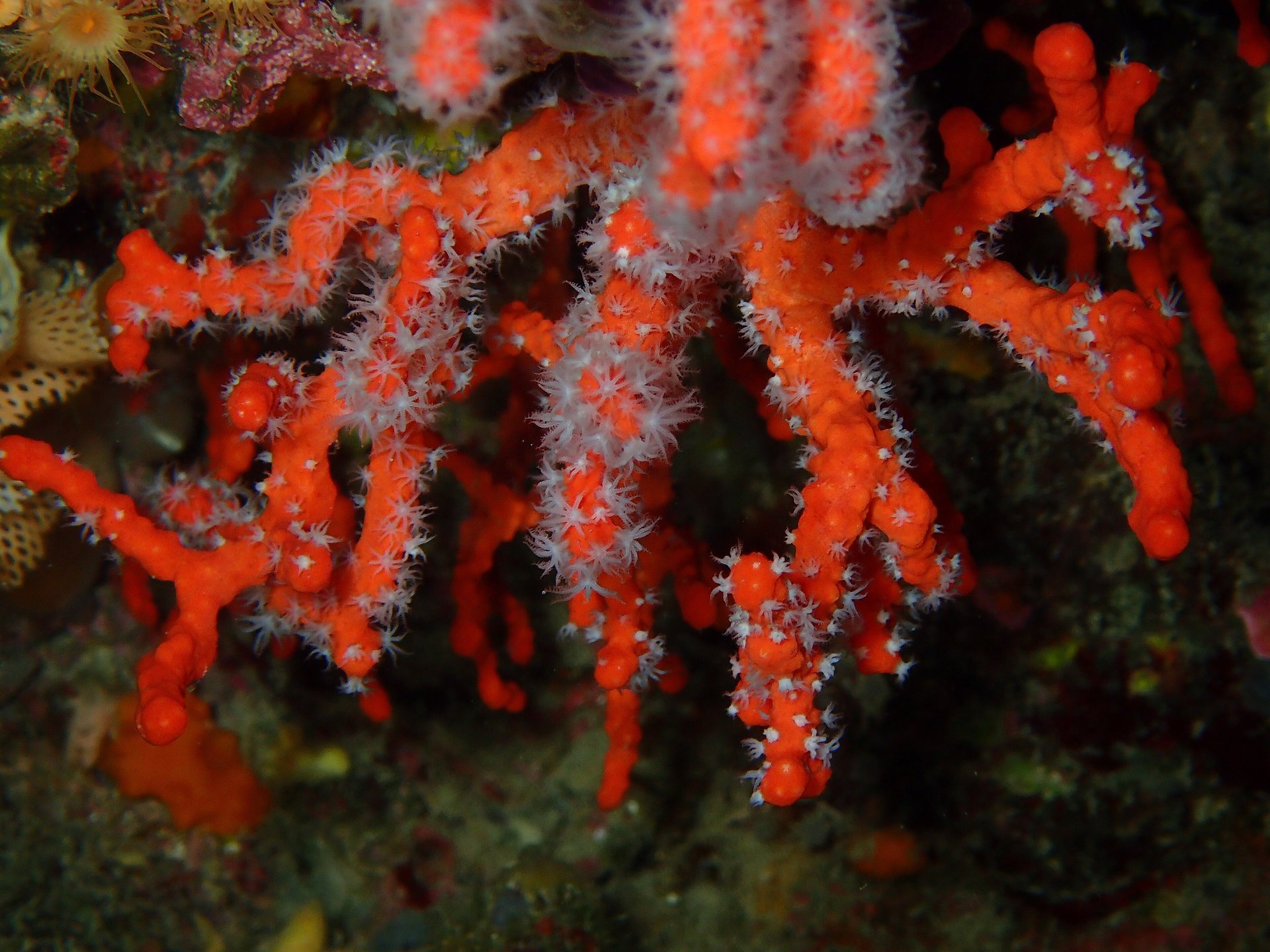
Pink Coral
The ocean's most tender gift - pink coral for gentle warmth, ancestral love, and the heart's deep nurturing
- Angel skin coral (peau d'ange) - the most prized pink coral variety - was historically reserved for aristocratic jewelry in Europe and Asia. Its price has actually increased in recent decades as natural reef material becomes scarcer.
- The pale pink color of precious coral comes from carotenoid pigments in the living polyps - the same family of pigments that make flamingos pink and salmon pink.
- Japanese kokecho (red-pink coral) has been a national treasure material in Japan for centuries, used in imperial ornaments, Buddhist altar objects, and traditional feminine jewelry.
- Coral grows very slowly - about 1 inch per year for precious coral species. A 3-inch branch of precious coral can represent over 300 years of continuous growth, giving all coral gemstones a profound time depth.
- The ancient Greeks believed coral was formed from the blood of Medusa, whose severed head dripped onto seaweed as Perseus carried it over the ocean - the blood turning to stone and flowering into branching coral forms.
- those drawn to gentle heart and ocean energies
- practitioners of ancestral and protective healing
- those working with both heart and root chakra simultaneously
- collectors of organic gemstones with cultural history
- anyone honoring oceanic and maternal traditions
- buyers unconcerned with ethical sourcing (reef conservation matters)
- those needing durable stones for daily wear
- those wanting intense color saturation in a pink stone
What Is Pink Coral?
Pink Coral is an organic gemstone - the calcium carbonate skeletal remains of specific coral polyp species, particularly precious coral (Corallium rubrum and related species), which naturally produce pale pink to salmon-toned material. It rates 3-4 on the Mohs hardness scale.
The most celebrated form is "angel skin coral" (peau d'ange) - an exceptionally pale, creamy blush-pink variety that has been prized in jewelry since antiquity for its delicate, skin-like color.
Like all coral gemstones, pink coral exists at the intersection of extraordinary natural beauty and significant conservation concerns. CITES regulations govern trade in coral species globally; ethically sourced pink coral means antique pieces with documented pre-CITES history, fossil coral with pink toning, or certified sustainable harvest material from regulated fisheries.
Practitioners increasingly favor fossil pink coral or coral-inspired alternatives.
Pink coral from the Mediterranean, Japan, and Hawaii has been used in jewelry and ornamentation across multiple continents for millennia. In traditional Italian and North African jewelry, pale pink coral was considered a gift of the sea associated with love, fertility, protection.
The care of mothers for children - a meaningful cultural lineage that contemporary buyers can honor through ethical sourcing choices.
Pink Coral vs. Similar Pink Organic Materials
| Property | Pink Coral | Pink Pearl | Rhodonite |
|---|---|---|---|
| Hardness | 3-4 | 2.5-4.5 | 5.5-6.5 |
| Price/item | $ Budget | $ Budget | $ Budget |
| Source | Ocean (ethical) | Freshwater/marine | Mineral |
| Best For | Heart-ocean, protection | Purity, feminine | Heart strength |
Meaning and Symbolism
Pink coral combines the gentle heart energy of pink with the ancient, protective wisdom of coral's oceanic origins - creating what practitioners describe as a uniquely tender but resilient heart stone.
Unlike purely feminine pink stones like rose quartz, pink coral's oceanic origin adds a quality of depth, endurance, and the kind of love that survives difficulty because it is rooted in something larger than personal feeling.
In traditional Mediterranean and Asian cultures, pink and pale coral was worn by nursing mothers, given to newborns, and used in protective amulets for children - its gentle color and protective reputation combining into a material deeply associated with maternal love and the care of those most vulnerable.
This ancestral meaning resonates strongly with practitioners working with maternal lineage, nurturing wounds, and the healing of early caregiving ruptures.
The stone is also associated with creativity, joy, and the spontaneous expressiveness that flows naturally from a heart that feels genuinely safe and loved.
Pink coral is said to support both the giving and receiving of loving care - making it valuable for caregivers who pour out without replenishing, helping them return to the receptive openness that makes genuine giving sustainable.
Historical Timeline
Healing Tradition
Emotional
Practitioners describe Pink Coral as deeply healing for the specific wound of not having received adequate nurturing love - the particular pain of those who had to give care before they received it.
The stone is said to carry the maternal warmth of the ocean's protective depth, offering practitioners a quality of unconditional holding that does not require them to have earned it.
Many crystal healers use it for clients in inner child work, maternal wound healing, and the recovery of the capacity to receive care from others without guilt or discomfort.
Spiritual
In spiritual practice, pink coral bridges the heart chakra's love energy with the root chakra's ancestral grounding - connecting personal love to the lineage of love that has carried all life forward through the generations.
Practitioners use it in ancestral healing ceremonies, particularly for healing the maternal line of a family where patterns of withheld or incomplete nurturing have passed through generations. The oceanic origin is said to connect individual love stories to the vast sea of love from which all individual lives emerge.
Physical
Some crystal wellness practitioners associate Pink Coral with reproductive health, lactation support, skin vitality, and the immune system's protective function - reflecting traditional associations between coral, female vitality, and the protection of the most vulnerable. No scientific evidence supports these associations. Always consult a qualified healthcare provider for any health concerns.
Zodiac, Birthstone and Gifts
Cancer's deep maternal instincts, protective nature, and oceanic emotional depth align profoundly with pink coral's oceanic nurturing energy and protective ancestral traditions. Libra's heart-centered appreciation for beauty, harmony, and the expression of genuine affection resonates with pink coral's gentle love associations and delicate aesthetic beauty.
Care and Cleansing
Moonlight under a full moon on a sheltered windowsill is ideal - the lunar and oceanic energies align deeply with pink coral's tradition. This method avoids all physical risks to the delicate material.
Sound cleansing with a crystal bowl, shell bell, or gentle music is safe and effective. The oceanic sound resonance of water-associated instruments (particularly conch or shell bells) creates particular alignment with coral's origin.
Absolutely avoid salt, acidic cleaners, extended water soaking, and prolonged sunlight - calcium carbonate is dissolved by acid, damaged by salt, and bleached by UV. Pink coral's color is particularly vulnerable to fading under sun exposure.
- DO handle with exceptional care - at 3-4 hardness, pink coral scratches, chips, and breaks easily.
- DO NOT use saltwater, acidic cleaners, or prolonged sun exposure as all three damage calcium carbonate.
- DO NOT use ultrasonic cleaners on any coral material.
- NOTE critical ethical consideration: purchase only fossil, antique pre-CITES, or certified sustainable coral.
- DO store in padded, individual compartments away from any harder materials.
Real vs Fake
Genuine pink coral has a slightly porous surface texture under magnification, with characteristic natural striations or tubular structure from the original polyp growth. Plastic and resin fakes are perfectly smooth with no surface texture.
Dyed white coral is common - look for uneven color distribution and possible color concentration in natural surface features. Natural pink coral's color comes from organic pigments and tends toward subtle, slightly muted tones rather than bright uniform pink.
Compressed coral powder ("reconstituted coral") is made from ground coral mixed with resin - this is technically real coral material but significantly different from solid coral. It has a grainy texture at chip or break points visible under magnification.
The hardness test: genuine coral at 3-4 is scratched by a key or copper penny. Harder fakes (ceramic, glass) resist scratching. This simple test quickly filters out harder fake materials.
For any significant pink coral purchase, request provenance documentation. Ethical sellers of antique or fossil coral will have this readily available. Sellers who cannot or will not provide sourcing information for coral warrant skepticism.
Pink Coral Jewelry & Gifts
Ethical pink coral means antique pieces with documentation ($50-$500+), fossil pink-toned coral ($15-$80), or certified sustainable harvest from regulated sources. The ethical requirement matters for both conservation and karma in acquisition.
Angel skin coral (the palest, most prized variety) in antique pieces with Italian or Asian provenance represents the premium ethical option. These pieces carry both genuine material value and cultural history.
Fossil coral with pink or salmon toning is available from reputable fossil dealers and is an excellent ethical alternative for practitioners who want the oceanic connection and energy of coral without contributing to reef depletion.
For daily wear jewelry, consider synthetic coral (explicitly labeled as synthetic) as a cruelty-free and reef-neutral alternative. High-quality synthetic coral jewelry from Italian or Japanese jewelers can be beautiful and ethically clean.
The market for coral is complicated by significant misrepresentation. Work with established dealers in antique jewelry, paleontology/fossil materials, or specialist gemstone dealers with explicit ethical sourcing policies for any coral purchase.
Where to Buy Pink Coral
Affiliate disclosure: Some links below earn us a small commission at no extra cost to you. See our affiliate disclosure page.
Handmade, raw, and tumbled pieces from independent sellers worldwide.
Shop Pink Coral on Etsy →Accessories, tools, and specimen sets with fast Prime delivery.
Shop Pink Coral on Amazon →Certified loose gemstones graded and photographed for online buyers.
Shop Pink Coral on GemSelect →Pairs Well With


Where Pink Coral Is Found


