Pink Topaz
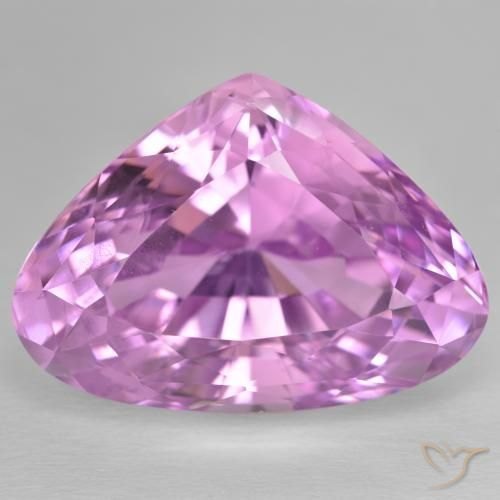
Natural pink topaz from Pakistan and Brazil - a genuinely rare variety that commands connoisseur prices, prized for its soft peachy-rose tones and excellent Mohs 8 hardness
- Perfect basal cleavage means a skilled lapidary can cleave a topaz crystal with a single precise blow, much like diamond cleaving.
- major natural history museums National Museum of Natural History houses an exceptional 172.52-carat Brazilian pink topaz in its gem collection.
- Ancient Greeks believed topaz could make its wearer invisible in emergencies and increase physical strength.
What Is Pink Topaz?
Pink topaz belongs to the nesosilicate mineral family, crystallizing in the orthorhombic system with the chemical formula Al₂SiO₄(F,OH)₂. Its pink hues arise from trace chromium impurities or radiation-induced color centers. Topaz rates 8 on the Mohs hardness scale, making it durable for jewelry and resistant to everyday wear.
Pink topaz displays transparent to translucent clarity with a vitreous luster that catches light beautifully. Color ranges from pale rose to hot pink and salmon pink tones. The refractive index spans 1.609-1.643, while specific gravity measures 3.49-3.57, providing gemologists with reliable identification tools.
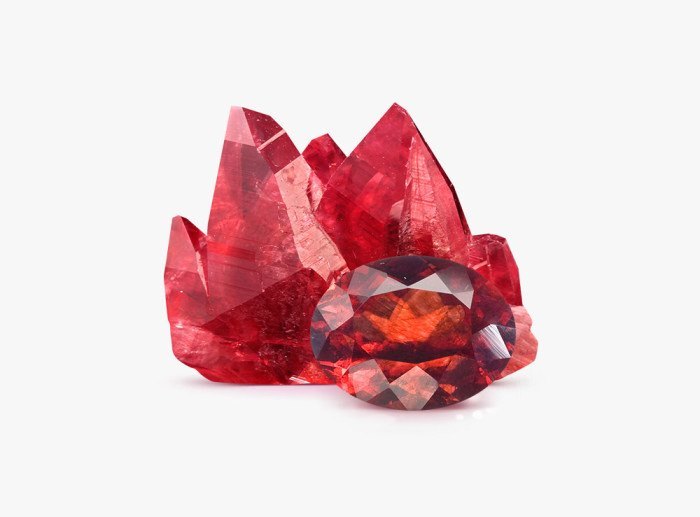
Pink topaz forms in granite pegmatites and high-temperature hydrothermal veins deep within the earth. Major sources include Brazilian deposits near Ouro Preto, Pakistani localities in Katlang, Russian Ural Mountains, Mexican fields, and select Utah regions. Natural pink topaz remains remarkably scarce compared to other topaz color varieties worldwide.
Practitioners believe pink topaz encourages emotional tenderness and heart-centered awareness, supporting relationship transitions and self-compassion. Crystal enthusiasts carry it during meditation to access vulnerability with gentle acceptance. Its soft color creates a safe space for emotional expression and authentic connection.
Meaning and Symbolism
Natural pink topaz is among the rarest color varieties of this aluminum silicate fluoride mineral, with topaz mineralogy covered at Britannica. The finest natural pink topaz historically came from Brazil's Ouro Preto district in Minas Gerais and from the Ural Mountains of Russia, where Imperial-era gem hunters supplied courts with stones that rivaled pink sapphire in intensity.
Topaz has been known since antiquity, with the name traditionally derived from Topazios, the ancient Greek name for Zabargad island in the Red Sea. By the Renaissance it was among the most revered gems in European court jewelry, and pink topaz was specifically associated with love and nobility.
Today most commercial pink topaz is produced by irradiating and heat-treating colorless or pale topaz, a process refined in the late twentieth century. Natural pink topaz from Ouro Preto remains among the most valuable varieties due to rarity, and gemological laboratories use spectroscopic analysis to distinguish natural pink from enhanced material.
Historical Timeline
Healing Tradition
Emotional
Practitioners believe pink topaz supports emotional healing by encouraging the release of past hurts and fostering a compassionate inner dialogue. It is said to ease anxiety linked to relationship fears and promote a sense of warmth and personal worthiness.
Spiritual
Traditionally associated with the heart and crown chakras in crystal healing practice, pink topaz is said to open the heart to divine love while elevating personal experience toward its highest spiritual expression. Crystal healing tradition holds that it supports the integration of earthly love with spiritual devotion, making it a favored stone for practitioners working with heart-centered meditation.
Physical
Some practitioners believe pink topaz supports the heart and lymphatic system, associations drawn from its pink color, heart chakra attribution, and the traditional crystal lore connecting rose-toned gems to circulatory vitality. These claims are not medically verified and should not replace professional care. Pink topaz is used in wellness settings as a companion during restorative and heart-focused healing practices.
Care and Cleansing
Cleanse pink topaz under lukewarm running water for 30 seconds and pat dry. Avoid prolonged sunlight exposure, which can fade treated stones. Smudging with sage or placing near selenite overnight are popular gentle alternatives in crystal practice.
- Avoid ultrasonic cleaners, which can exploit cleavage planes and crack the stone.
- Do not expose to sudden temperature changes; thermal shock may cause internal fractures.
- Store separately from harder gems to prevent surface abrasion on other stones.
- Remove before contact sports or activities with risk of sharp impact.
Where to Buy Pink Topaz
Affiliate disclosure: Some links below earn us a small commission at no extra cost to you. See our affiliate disclosure page.
Handmade, raw, and tumbled pieces from independent sellers worldwide.
Shop Pink Topaz on Etsy →Accessories, tools, and specimen sets with fast Prime delivery.
Shop Pink Topaz on Amazon →Certified loose gemstones graded and photographed for online buyers.
Shop Pink Topaz on GemSelect →Pairs Well With