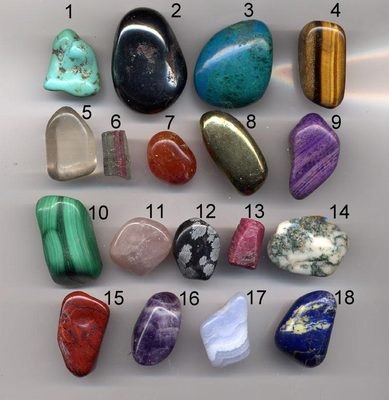
Snowflake Obsidian
Black volcanic glass scattered with pale white snowflake spots, this stone is the grounded companion of shadow work and quiet integration.
- Snowflake obsidian's white spots are radiating cristobalite crystals, not inclusions of a different mineral.
- Obsidian is a mineraloid rather than a true mineral because its structure is amorphous glass.
- Freshly fractured obsidian can produce edges sharper than surgical steel (down to 3 nanometers).
- The Black Rock area of Utah is a significant North American source of snowflake obsidian.
- Ancient cultures used obsidian for mirrors because well-polished pieces give clear reflections.
- Root chakra practitioners wanting a patient grounding stone
- Shadow-work meditators drawn to balanced black-and-white symbolism
- Budget-friendly crystal collectors seeking durable daily-carry pieces
- Beginners exploring obsidian without the intensity of pure black varieties
- Gift givers wanting an affordable meaningful grounding stone
- Buyers seeking transparent faceted gemstones (try smoky quartz or black spinel)
- Fine-jewelry engagement shoppers (try black diamond or black spinel instead)
- Those wanting colorful stones (try labradorite or opal)
What Is Snowflake Obsidian?
Snowflake obsidian is a variety of obsidian, a naturally occurring volcanic glass formed when felsic lava cools rapidly without time to crystallize. The white snowflake patterns are clusters of radiating cristobalite crystals that grew within the glass during slow devitrification over thousands of years. It rates 5 - 5.5 on the Mohs hardness scale.
Each snowflake represents a microcrystalline outgrowth surrounded by amorphous glassy material.
The base obsidian typically formed from rhyolitic or dacitic volcanic eruptions and is primarily silica (70 to 75%) with aluminum, iron, sodium, potassium, and calcium oxides. The characteristic black color comes from iron and magnesium impurities, while the white spots are pure silica mineralogy.
Obsidian is considered a mineraloid rather than a true mineral because it lacks internal crystal structure.
Snowflake obsidian scores Mohs 5 to 5.5, placing it in the mid-soft category among gemstones. The stone takes a brilliant polish because of its amorphous glass structure, making it popular for cabochons, spheres, carvings, and ornamental jewelry.
Primary sources include volcanic deposits in Utah (Black Rock area), Mexico (Jalisco), Iceland, and Armenia. The snowflake pattern can range from sparse isolated spots to dense scattered clusters, with aesthetic balance typically preferred over either extreme.
How Snowflake Obsidian Compares
| Property | Snowflake Obsidian | Black Obsidian | Apache Tears |
|---|---|---|---|
| Hardness | 5 - 5.5 | 5 - 5.5 | 5 - 5.5 |
| Pattern | White cristobalite spots | Solid black | Translucent nodules |
| Price / stone | $ Budget | $ Budget | $ Budget |
| Best For | Balanced shadow work | Intense protection | Grief recovery |
Meaning and Symbolism
Obsidian has been used by humans for more than 30,000 years, originally as cutting tools because fresh fractures produce blade-sharp edges. Prehistoric peoples across the Americas, Europe, and Asia used obsidian for arrowheads, knives, and scrapers, making it one of the earliest traded materials in human history.
Aztec and Mayan cultures valued obsidian for both tools and ceremonial objects.
Snowflake obsidian's distinctive white spots gave rise to cultural associations with balance between opposites, with the black-and-white pattern interpreted as symbolizing yin and yang in East Asian lineages and as representing integration in Western metaphysical traditions. Native American cultures associated obsidian generally with protection and spiritual vision.
In crystal healing tradition, snowflake obsidian is associated with the root chakra and with the work of shadow integration. Practitioners describe it as a gentler obsidian variant, said to support the examination of difficult emotions without the intensity of pure black obsidian.
Many readers choose snowflake obsidian for beginning shadow work because the white snowflake patterns are traditionally considered reminders that even the darkest material contains light. Crystal workers often pair it with clear quartz for amplification or with selenite for lighter energetic balance.
Historical Timeline
Healing Tradition
Emotional
Practitioners believe snowflake obsidian supports gentle shadow integration and the patient examination of difficult feelings. Crystal healing tradition associates the black-and-white pattern with balanced self-acceptance, and the stone is often recommended for readers beginning therapy or journaling practices focused on old patterns.
Many readers keep snowflake obsidian as a pocket stone during emotional work, with the stone framed as a grounded companion rather than an intensifier. Crystal workers sometimes recommend it during transitions from active grief to integrated acceptance, treating it as a patience-supporting ally.
Crystal workers often pair snowflake obsidian with rose quartz for tender self-compassion or with amethyst for crown-to-root integration during shadow work. The stone is considered especially suited to winter-season emotional practices focused on inner rest and reflection.
Spiritual
In crystal healing tradition, snowflake obsidian is linked with the root chakra and with grounded spiritual practice. Practitioners describe the white spots as reminders of light emerging from darkness, and the stone is often used during integration meditation rather than active energetic work.
Many readers use snowflake obsidian during meditation focused on acceptance of opposites, balance of active and receptive states, and the slow work of becoming whole. The stone has long been associated with Saturn in modern metaphysical tradition, a planet linked with patient maturation and responsible self-knowledge.
Crystal workers often place snowflake obsidian at the base of a grid with clear quartz points radiating upward for root-to-crown energy flow. The stone is traditionally considered a nighttime stone, most effective during evening practices focused on rest and quiet reflection.
Physical
Practitioners believe snowflake obsidian supports what they describe as steady grounded presence and quiet vital energy. Crystal healing tradition associates the stone with general root-chakra wellbeing rather than specific conditions, and the stone is not a substitute for medical care.
Many readers carry snowflake obsidian as a pocket stone during stressful days, with the stone framed as a small reminder to pause and breathe. Crystal workers sometimes recommend it during recovery from burnout, treating it as a patient steady companion rather than an active stimulant.
The stone is considered appropriate for root-chakra practices involving sleep support and integration of challenging experiences. Traditional lore associates the volcanic origin with earth-fire mineralogy, and some practitioners use snowflake obsidian during seasonal transitions to support gentle adaptive rhythms.
Zodiac, Birthstone and Gifts
Snowflake obsidian is not a traditional birthstone, but astrologers often recommend it for Capricorn (for Saturn-ruled patient self-discipline), Virgo (for methodical self-examination), and Scorpio (for shadow-work depth).
The stone is often recommended during Saturn return and Pluto transit cycles because of its associations with patient maturation and shadow integration. Many readers choose snowflake obsidian for winter-season birthdays as a symbolic companion for introspective practice.
Care and Cleansing
Snowflake obsidian tolerates most common cleaning methods. Warm soapy water with a soft cloth works well for physical cleaning, and brief rinses in running water are safe for energetic cleansing. Avoid ultrasonic and steam cleaners because the amorphous glass structure can crack under thermal or vibrational stress.
Moonlight charging is widely recommended, especially during the full moon. Morning sunlight is safe in moderation though volcanic glass can heat quickly; avoid prolonged direct summer sun. Smoke cleansing with palo santo or sage is an excellent method.
Dry salt cleansing is safe; saltwater soaks are fine briefly. Earth burial is traditionally considered one of the most suited cleansing methods for snowflake obsidian because of its volcanic origin; leaving the stone buried in soil overnight or for a few days is a common practice.
Many practitioners also cleanse snowflake obsidian on a bed of clear quartz or selenite.
- DO clean snowflake obsidian with warm soapy water and a soft cloth for routine maintenance.
- DO NOT use ultrasonic or steam cleaners on volcanic glass; thermal shock can crack.
- DO handle snowflake obsidian carefully; fractured edges can be very sharp.
- DO NOT expose snowflake obsidian to sudden temperature changes or harsh chemicals.
- DO store separately from harder gems to protect the polished glass surface.
- DO keep snowflake obsidian out of reach of small children because of sharp-fracture risk.
- Note: volcanic glass surfaces scratch visibly; store in soft pouches.
Real vs Fake
Genuine snowflake obsidian shows amorphous glass structure with cristobalite snowflake inclusions visible as radiating white spots. Under 10x magnification, the spots show distinct radiating crystal structure rather than surface decoration. The base obsidian shows conchoidal fracture typical of volcanic glass.
Natural specimens typically have the characteristic black body color with slightly warm undertone when held to light.
Common imitations include glass with added opaque inclusions, resin pieces with synthetic white spots, and dyed or painted materials. Manufactured glass often shows different bubble patterns, lacks the conchoidal fracture of natural obsidian, and has uniformly sized white spots that look stamped rather than radiating.
Resin imitations are lighter in weight and warmer to the touch than genuine obsidian.
Practical at-home checks include testing hardness (obsidian scratches with a steel file but not with a fingernail), examining fracture edges for conchoidal pattern (natural) versus sharp straight breaks (manufactured), and testing temperature behavior (natural obsidian feels cool and warms slowly).
Snowflake obsidian is abundant and affordable enough that counterfeiting is rare at low price points. For premium carved specimens and large pieces, consult a mineralogist or reputable dealer.
Snowflake Obsidian Jewelry & Gifts
Snowflake obsidian is one of the most accessible crystals in the market. Small tumbled pieces run $2 to $8, medium polished cabochons $5 to $25, and larger ornamental pieces or carved spheres $25 to $150. Decorative bowls and large sculptures can reach $100 to $500 depending on craftsmanship.
Look for balanced snowflake distribution, good polish quality, and clean finish without visible surface cracks.
When buying, check that the white spots are three-dimensional radiating crystals rather than surface paint or decoration. The pattern should be visible from multiple angles and appear integrated with the stone structure.
Primary sources include the United States (Utah Black Rock), Mexico (Jalisco), Iceland, and Armenia. Most retail snowflake obsidian comes through mass-market lapidary suppliers, with higher-grade carved pieces typically originating from Mexican or American workshops.
Where to Buy Snowflake Obsidian
Affiliate disclosure: Some links below earn us a small commission at no extra cost to you. See our affiliate disclosure page.
Handmade, raw, and tumbled pieces from independent sellers worldwide.
Shop Snowflake Obsidian on Etsy →Accessories, tools, and specimen sets with fast Prime delivery.
Shop Snowflake Obsidian on Amazon →Certified loose gemstones graded and photographed for online buyers.
Shop Snowflake Obsidian on GemSelect →Pairs Well With




Where Snowflake Obsidian Is Found


