Tugtupite
- Tugtupite's tenebrescence is fully reversible - the same stone can be lightened and darkened repeatedly by alternating between darkness and UV light without any damage.
- The Greenlandic Inuit name for tugtupite translates loosely to 'reindeer blood stone,' inspired by its vivid red color.
- Tugtupite is so rare that it is found in only one primary geological setting on earth - the Ilimaussaq complex - a layered intrusion formed from a highly unusual magma composition unlike anything else in Greenland.
What Is Tugtupite?
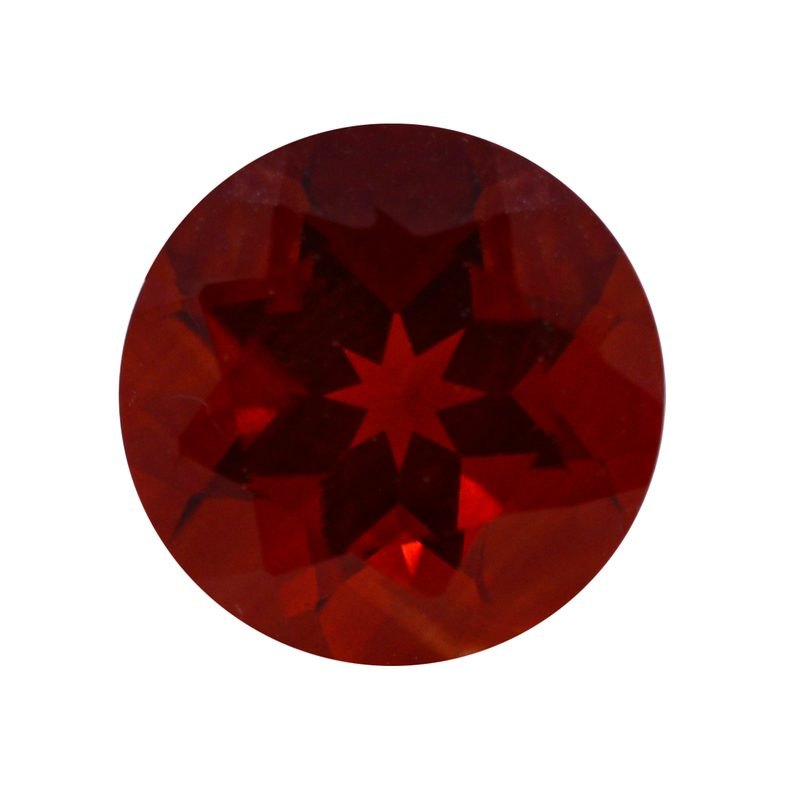
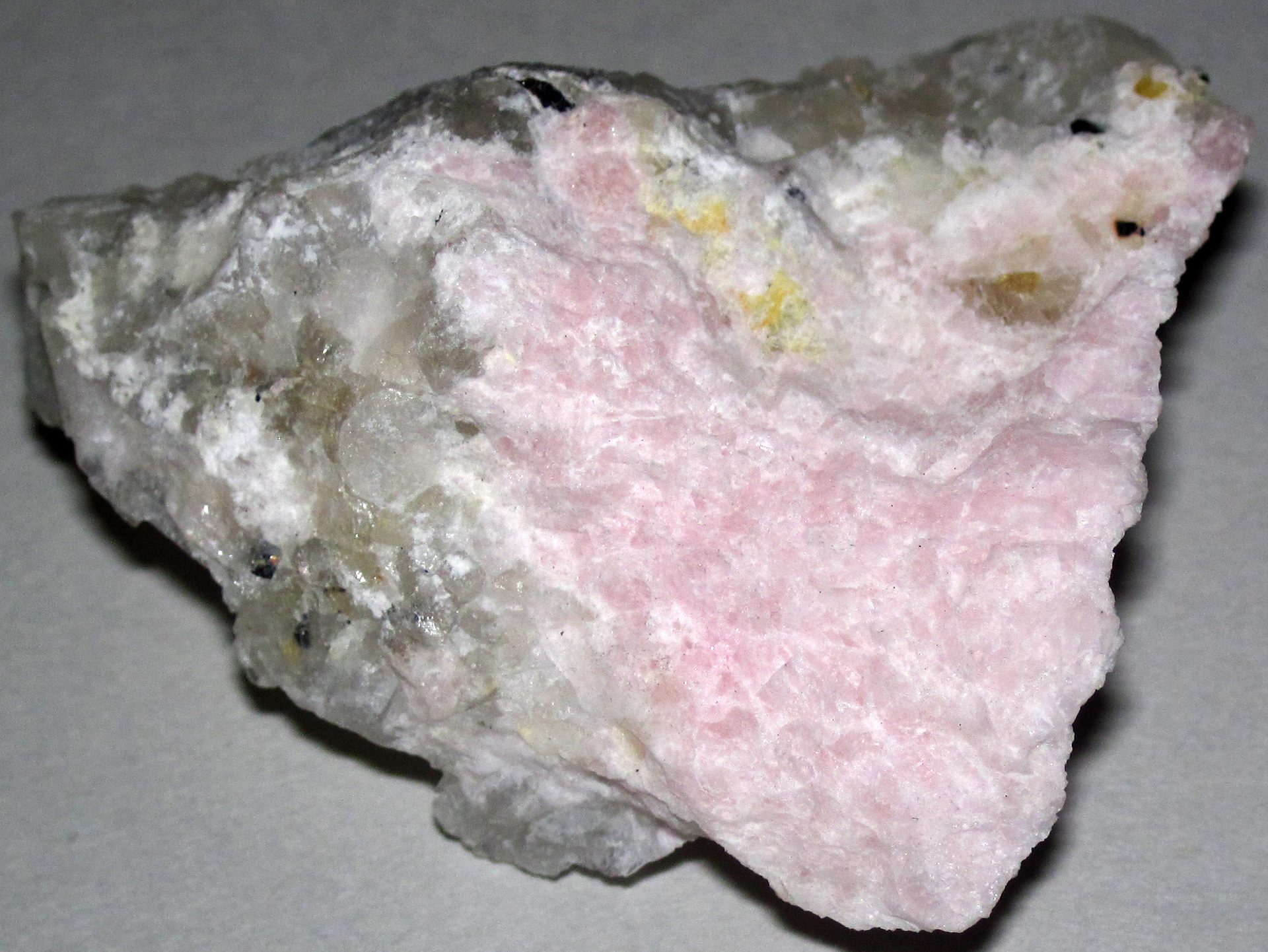
Tugtupite is a tectosilicate mineral belonging to the sodalite group, with the chemical formula Na4BeAlSi4O12Cl. It crystallizes in the tetragonal crystal system and displays a vitreous luster. The mineral is translucent to opaque, ranging from pink to deep red hues that intensify dramatically under ultraviolet light.
With a Mohs hardness of 5.5 to 6, tugtupite is moderately durable for collecting and occasional wear. Its refractive index ranges from 1.496 to 1.502, while its specific gravity measures 2.36. The mineral exhibits distinct cleavage, reflecting its structured atomic arrangement within the sodalite family.
Tugtupite forms in alkaline igneous rocks, most notably in the Ilimaussaq complex of Greenland and the Kola Peninsula in Russia. These rare localities produce specimens prized by collectors for their vivid coloration and distinctive tenebrescence. The mineral's formation occurs in specialized geological environments with beryllium-rich conditions.
Practitioners believe tugtupite activates the heart chakra, opening pathways for authentic emotional expression and deep relational connection. It is said to encourage vulnerability without fear, supporting those seeking to bridge the gap between inner truth and outward presence. The stone traditionally fosters compassionate communication.
In crystal healing traditions, tugtupite is associated with dissolving emotional barriers and releasing old heart-centered wounds. Believers suggest it cultivates magnetic attraction and romantic possibility through honest self-expression. The stone is said to harmonize the physical and energetic dimensions of love.
Some practitioners view tugtupite as supporting the energetic circulation associated with the heart's vital functions through its deep red color and symbolic resonance. Crystal healers traditionally pair it with breathwork and meditation for emotional integration. These associations emerge from metaphysical tradition rather than clinical evidence.
Meaning and Symbolism
Tugtupite was first described in 1962 from specimens in the Tugtup Agtakorfia region of Greenland, its name referencing that discovery locality. It is a beryllium aluminum mineral in the sodalite group, essentially unique to Greenland's Ilimaussaq alkaline complex, with collector profiles at the International Gem Society.
The Ilimaussaq complex has held significance for the Greenlandic Inuit, the Kalaallit, for centuries. Greenlandic tradition describes tugtupite as the 'reindeer blood stone,' associated with a legend in which a young woman's love for a reindeer was transformed into crimson stone - one of the most poetic narratives in the gem world.
Like hackmanite, tugtupite exhibits tenebrescence - reversible color change activated by light. A piece in darkness fades from vivid crimson to pale pink; sunlight or UV restores the vivid color within minutes. This optical property combined with extraordinary rarity and single-source origin makes tugtupite one of the most sought-after collector minerals.
Historical Timeline
Healing Tradition
Emotional
Practitioners believe tugtupite opens the heart to passionate, vulnerable love while providing the courage to remain emotionally present during intimacy. It is said to dissolve the protective barriers that prevent genuine connection, supporting those who long for deep emotional bonds but have learned to keep their hearts carefully guarded against the possibility of loss or rejection.
Spiritual
Traditionally associated with the heart chakra and the spiritual dimension of love in crystal healing practice, tugtupite is said to hold the quality of love as a cosmic force rather than a personal possession. Crystal healing tradition holds that its tenebrescent quality - hidden color revealed by light - mirrors the spiritual truth that love, like light, reveals what was always present.
Physical
Some practitioners believe tugtupite supports cardiovascular vitality and the physical heart, associations drawn from its vivid crimson color and heart chakra attribution in crystal lore. These claims are not medically verified and should not replace professional care. Tugtupite is used in wellness settings as a companion during heart-focused breathwork and loving-kindness meditation, placed at the chest as a tactile anchor.
Care and Cleansing
- Do not submerge in water or use salt cleansing - surface can be affected over time.
- Hardness of 5.5 to 6 means it can be scratched by quartz and harder stones; store separately.
- Extended prolonged sun exposure may gradually fade the base color despite the beneficial short-term tenebrescent effect.
- Handle with clean dry hands to preserve the surface luster of polished specimens.
- Given its extreme rarity and value, consider storing in a padded display case.
Where to Buy Tugtupite
Affiliate disclosure: Some links below earn us a small commission at no extra cost to you. See our affiliate disclosure page.
Handmade, raw, and tumbled pieces from independent sellers worldwide.
Shop Tugtupite on Etsy →Accessories, tools, and specimen sets with fast Prime delivery.
Shop Tugtupite on Amazon →Certified loose gemstones graded and photographed for online buyers.
Shop Tugtupite on GemSelect →Pairs Well With