
Boulder Opal
Queensland ironstone cradling vivid rainbow veins, boulder opal is the earth-and-sky stone of grounded creative fire.
- Boulder opal is mined exclusively from Queensland, Australia.
- The ironstone matrix backing makes boulder opal more durable than solid crystal opal.
- Yowah nuts are a special sub-variety: ironstone concretions with opal-filled centers.
- Opal was designated Australia's national gemstone in 1993.
- Boulder opal is non-hydrophane unlike Ethiopian opal, tolerating brief water exposure.
- October birthstone seekers wanting durable natural-matrix opal
- Heart chakra practitioners drawn to earth-and-fire symbolism
- Engagement shoppers seeking bold unique statement opal rings
- Collectors drawn to Queensland Australian mining heritage
- Readers wanting durable opal without Ethiopian hydrophane concerns
- Buyers preferring fully transparent faceted gems (try crystal opal)
- Those wanting uniform color (boulder opal has natural matrix veining)
- Budget shoppers seeking accessible rainbow opal (try Ethiopian opal)
What Is Boulder Opal?
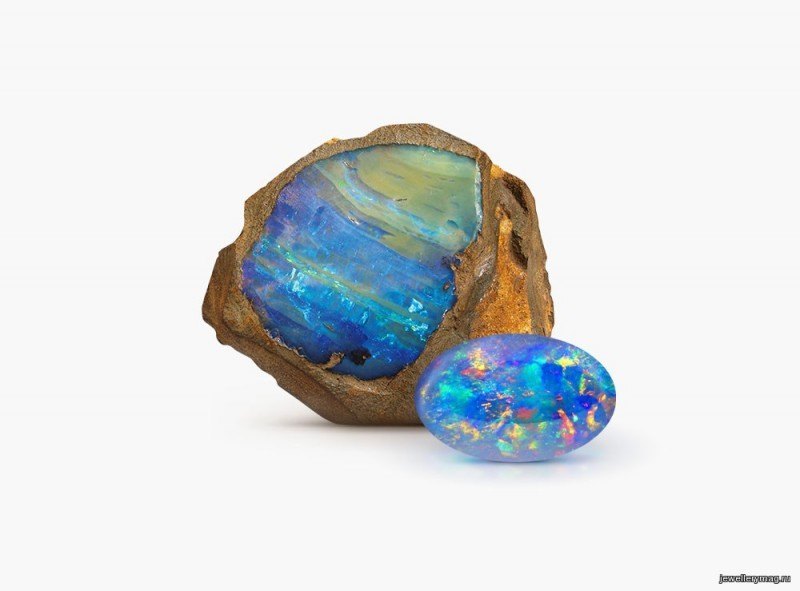
Boulder opal is a variety of Australian opal where precious opal forms as thin seams, veins, or patches within ironstone (iron-rich sedimentary rock) matrix. The stone is cut preserving the natural ironstone backing, which gives each piece a unique organic shape and stabilizes the thin opal layer.
All boulder opal comes exclusively from Queensland, Australia.
Unlike most opal varieties that are cut free of matrix, boulder opal is intentionally presented with the iron-rich host rock visible on the back and often around the edges.
This natural matrix serves two functions: it protects the thin opal seam from the fracturing that affects solid opal, and it adds distinctive earthy aesthetic to the gem. The combined matrix-opal structure is more durable than solid opal of similar size.
Queensland boulder opal fields including Quilpie, Winton, and Yowah have produced the stone since the late 19th century. Yowah nuts are a specific sub-variety: small ironstone concretions with opal-filled centers that yield dramatic cut-open presentations.
Boulder opal scores Mohs 5.5 to 6.5 for the opal portion and Mohs 7 for ironstone, giving the composite good daily-wear durability.
The natural ironstone backing makes boulder opal non-hydrophane and relatively water-tolerant compared to Ethiopian opal. It remains one of the most sought-after opal varieties for engagement rings and statement jewelry.
How Boulder Opal Compares
| Property | Boulder Opal | Black Opal | Ethiopian Opal |
|---|---|---|---|
| Hardness | 5.5 - 7 (composite) | 5.5 - 6.5 | 5.5 - 6.5 |
| Durability | High (matrix backing) | Moderate | Moderate (hydrophane) |
| Price / carat | $$ Mid-range | $$$ Premium | $$ Mid-range |
| Best For | Durable statement rings | Heirloom investment | Affordable rainbow fire |
Meaning and Symbolism
Australian opal has been mined commercially since the 1849 discovery near Angaston, and boulder opal specifically was recognized in the 1870s when Queensland ironstone deposits near Quilpie and Winton began producing the distinctive matrix-backed variety. The boulder opal fields have operated continuously ever since. Opal has been Australia's national gemstone since 1993.
In crystal healing tradition, boulder opal is associated with a unique combination of earth and sky energies, with the ironstone matrix representing grounded stability and the opal veins representing rainbow creative fire. Practitioners describe the stone as a bridge between root-chakra grounding and heart-chakra emotional expression.
The stone is often recommended for creative projects that require both practical execution and imaginative vision.
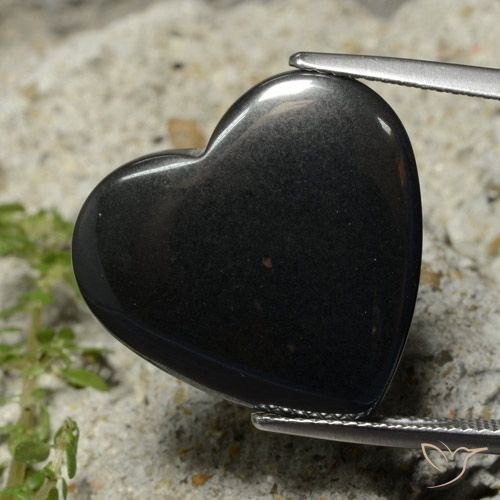
Many readers choose boulder opal over crystal opal or Ethiopian opal for engagement rings because of its improved durability. Crystal workers often pair boulder opal with hematite for grounded earth energy or with moonstone for lunar-rhythm integration.
The organic freeform shapes of boulder opal cabochons mean that no two pieces are alike, giving the stone particular resonance for readers drawn to unique-piece jewelry. October birthstone seekers often choose boulder opal for its distinctive character and good daily-wear durability.
Historical Timeline
Healing Tradition
Emotional
Practitioners believe boulder opal supports grounded emotional creativity and the ability to integrate practical daily life with imaginative expression. Crystal healing tradition associates the earth-plus-opal composite with balanced integration, and the stone is often recommended for creative professionals balancing art with business.
Many readers wear boulder opal during demanding creative phases, with the stone framed as a reminder to stay rooted in practical execution while maintaining imaginative fire. Crystal workers sometimes recommend it for writers, designers, and artists navigating creative careers.
Crystal workers often pair boulder opal with hematite for grounded emotional balance or with rose quartz for tender heart support. The stone is considered a daily-wear companion for creative professional contexts rather than purely meditative altar piece.
Spiritual
In crystal healing tradition, boulder opal is linked with all chakras through its rainbow flash, with particular emphasis on the root chakra (ironstone matrix) and the heart chakra (opal fire). Practitioners describe the composite as a symbol of earth-sky integration, said to support practices that weave grounded attention with imaginative openness.
Many readers use boulder opal during meditation focused on creative-professional integration, daily-life spiritual practice, and the weaving of ordinary and extraordinary awareness. The stone has an active modern folkloric tradition rooted in Australian gem heritage.
Crystal workers often place boulder opal as a bridge stone on altars that span earth and sky themes, with clear quartz points radiating outward for amplification. The ironstone matrix connects the stone symbolically to the Australian land itself, giving it strong place-based resonance.
Physical
Practitioners believe boulder opal supports what they describe as integrated vital energy and steady daily presence during demanding creative work. Crystal healing tradition associates opal generally with overall wellbeing, though the stone is not a substitute for medical care.
Many readers wear boulder opal as daily-wear jewelry (engagement rings, pendants) because of its improved durability over solid opal. Crystal workers sometimes recommend it during creative project deadlines, treating it as a grounded companion for sustained output.
The stone is considered appropriate for heart-chakra and root-chakra integration practices focused on embodied creative work. Traditional Australian Aboriginal stories associate opal with rainbow serpent creation myths, adding deep symbolic layers to the stone's meaning for readers drawn to Australian indigenous perspectives.
Zodiac, Birthstone and Gifts
Boulder opal is a modern US birthstone for October, shared by Libra and early Scorpio. Astrologers traditionally associate opal with Venus and Saturn, a combination linking relational beauty with grounded practice.
For Libra, boulder opal is considered especially apt because of the composite beauty and balanced earth-sky integration. Scorpio connects through deep emotional depth. Cancer links through tender home-sanctuary themes. The Saturn association makes boulder opal particularly suited to creative professionals balancing art with responsible practice.
Care and Cleansing
Boulder opal is more water-tolerant than Ethiopian opal but still requires careful handling. Brief rinses in cool water are safe; avoid prolonged soaking and extreme temperature changes. Use warm soapy water with a soft cloth for routine cleaning.
Avoid ultrasonic cleaners and steam cleaning because these can damage the bond between opal and matrix.
Moonlight charging is widely recommended. Direct sunlight should be limited because prolonged UV and heat can cause crazing (fine cracks) in the opal layer. Smoke cleansing with palo santo or sage is excellent.
Salt and saltwater should be avoided because ironstone matrix can rust and opal can be damaged. Many practitioners cleanse boulder opal by placing it on a bed of clear quartz or selenite overnight, a method especially suited to matrix stones. Keep the stone in stable humidity to prevent opal drying.
- DO clean boulder opal with warm soapy water and a soft cloth for routine maintenance.
- DO NOT use ultrasonic or steam cleaners on boulder opal; matrix bond can be affected.
- DO NOT expose boulder opal to prolonged direct sunlight; can cause opal crazing.
- DO NOT soak boulder opal in saltwater; ironstone matrix can rust.
- DO store boulder opal in a sealed container with stable humidity to prevent drying.
- DO use bezel or protective settings for rings to support the freeform organic shape.
- Note: boulder opal is more durable than solid opal but still requires opal-specific care.
Real vs Fake
Genuine boulder opal shows thin opal seams or patches naturally integrated with the ironstone matrix, with play of color visible in the opal areas. The interface between opal and matrix is irregular and organic, never a clean geometric boundary. Under 10x magnification, the natural structure is clearly visible.
Most genuine boulder opal comes from Queensland with distinctive iron-oxide coloration in the matrix.
Common misrepresentations include opal doublets (thin opal layer glued onto unrelated backing) and opal triplets (opal sandwiched between backing and clear top cap) sold as boulder opal. These assembled stones show clean geometric boundaries at the opal-backing interface. Under careful examination, doublets and triplets reveal their layered construction at the stone's edge.
Practical at-home checks include examining the edge for clean geometric boundaries (suggesting assembly) versus organic natural interfaces (suggesting genuine boulder opal), observing the matrix for iron-oxide character, and checking play of color for three-dimensional depth within the opal seams.
For purchases above $500, request documentation confirming Queensland origin and natural (non-assembled) construction. Reputable Australian dealers typically supply clear provenance information.
Boulder Opal Jewelry & Gifts
Boulder opal pricing spans a wide range. Small cabochons and jewelry-grade pieces run $80 to $300 per carat, mid-grade stones from 2 to 5 carats price at $200 to $800 per carat, and exceptional pieces above 5 carats with vivid multi-color fire can reach $1,000 to $5,000+ per carat.
Queensland provenance, play-of-color intensity, and aesthetic shape are primary price drivers.
When buying, look for strong play of color visible from multiple angles, natural organic interface between opal and matrix, and good cutting that preserves both components. Queensland mining operations and Australian gem dealers supply most of the genuine boulder opal market.
Most boulder opal reaches the international market through Australian exporters, specialist gem dealers, and high-end jewelry makers. The stone is particularly popular for custom engagement rings and unique statement pieces.
Where to Buy Boulder Opal
Affiliate disclosure: Some links below earn us a small commission at no extra cost to you. See our affiliate disclosure page.
Handmade, raw, and tumbled pieces from independent sellers worldwide.
Shop Boulder Opal on Etsy →Accessories, tools, and specimen sets with fast Prime delivery.
Shop Boulder Opal on Amazon →Certified loose gemstones graded and photographed for online buyers.
Shop Boulder Opal on GemSelect →Pairs Well With


Where Boulder Opal Is Found
