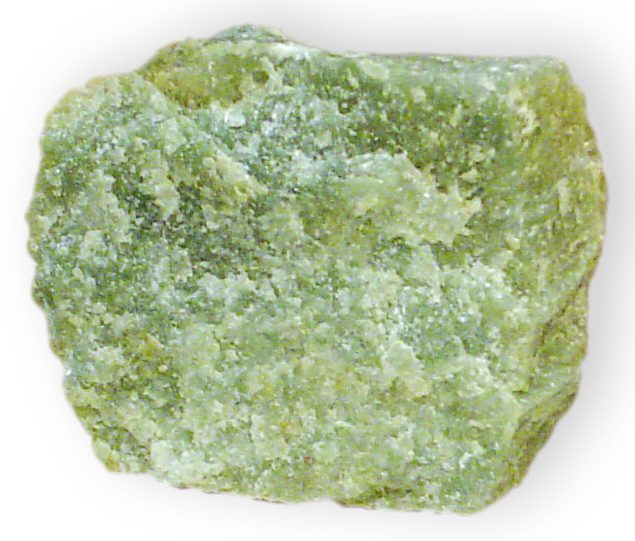
Burmese Jade
From the Hpakant valleys of Myanmar, Imperial jadeite sets the unbreakable standard for jade - a stone that has shaped civilizations for.
- The most expensive piece of jade ever sold was a Hutton-Mdivani jadeite bead necklace that fetched $27.44 million at major auction houses Hong Kong in 2014.
- Myanmar produces over 70% of the world's jadeite, with some estimates suggesting the annual trade value of Burmese jade exceeds $30 billion - larger than the country's entire other export economy.
- Jadeite is so tough (not just hard) due to its interlocking crystal structure that ancient Mesoamerican and Chinese cultures used it for axes and tools before discovering its beauty as a gemstone.
- The term imperial jade refers specifically to jadeite that is vivid green, highly translucent, and flawless in texture - a combination so rare that most people never see a genuine example.
- In Chinese tradition, the ideal jade bangle is said to sacrifice itself - cracking to absorb a blow that might have injured its wearer, in a literal protective act of the stone's guardianship.
- Serious collectors seeking the world's benchmark jade material
- Buyers of traditional Chinese, Taiwanese, or Vietnamese jewelry
- Investment buyers in the Asian gemstone market
- Those drawn to the protective and harmonizing energy of jadeite
- Connoisseurs seeking the translucent Imperial green bangle or cabochon
- Budget jade buyers (consider nephrite jade or dyed jadeite for lower prices)
- Those expecting diamond-like sparkle (jade is carved, not faceted, typically)
- Buyers who cannot verify origin certification (beware B-grade and C-grade jadeite)
What Is Burmese Jade?
Burmese jade refers to jadeite (NaAlSi2O6) from the Hpakant mining area in Kachin State, Myanmar - the world's only significant source of gem-quality jadeite. Unlike nephrite (the other jade mineral common in Chinese antiquities), jadeite is harder, more vividly colored, and rarer, commanding the highest prices in the jade market.
Imperial jade - the most coveted grade - is vivid emerald green, semi-transparent to transparent, and flawless in texture. This rare combination is caused by trace chromium in a fine-grained interlocking pyroxene crystal aggregate. The translucency causes light to scatter through the stone in a way described as floating or glowing.
Jadeite comes in many colors beyond green: lavender (highly prized in modern markets), red, orange, white, black, and multi-color. Myanmar's Hpakant deposit also produces all these varieties. Grade A (untreated) Burmese jadeite is the only type commanding serious investment prices; B-grade (bleached, polymer-impregnated) and C-grade (dyed) exist widely and require disclosure.
How Burmese Jade Compares
| Property | Burmese Jadeite | Nephrite Jade | Malaysian Jade (Aventurine) |
|---|---|---|---|
| Hardness | 6.5-7 | 6-6.5 | 7 |
| Price/ct | $$ Mid-range | $ Budget | $ Budget |
| True jade? | Yes (jadeite) | Yes (nephrite) | No (aventurine) |
| Best For | Investment, prestige | Carvings, tools | Fashion jewelry |
Meaning and Symbolism
In Chinese culture, jade (yu) represents the five virtues of Confucius: benevolence, wisdom, courage, justice, and purity. Burmese jadeite, though a relatively recent addition to Chinese jewelry tradition (post-18th century), has absorbed this cultural weight and is now inseparable from ideas of good fortune, protection, and moral virtue.
Practitioners believe jadeite harmonizes the heart chakra and facilitates the flow of loving, nurturing energy. It is traditionally associated with wisdom, longevity, and protection from harm. The Maori of New Zealand similarly revere nephrite jade (pounamu) as a spiritual guardian, and similar protective traditions exist across Asia.
Wearing jade - particularly in bangle form - is said to create a protective energetic bond between the stone and the wearer, absorbing negative energies and harm before they reach the person.
Many Asian families pass jade bangles through generations as protective heirlooms, believing the stone's energy becomes attuned to the family lineage.
Historical Timeline
Healing Tradition
Emotional
Jade is said to be a master nurturing stone, with practitioners believing Burmese jadeite in particular carries a grounding, harmonizing energy that soothes emotional extremes and promotes serene stability.
It is traditionally associated with wisdom - not the sharp analytical kind, but the deep, patient wisdom that comes from long experience and compassionate observation. Crystal healing traditions suggest jade helps dissolve the emotional patterns of overthinking, anxiety, and the constant striving for perfection.
Many practitioners recommend jade specifically during periods of transition or stress, believing its stabilizing energy provides a gentle anchor.
Spiritual
Practitioners believe jadeite harmonizes the energy of heaven and earth, connecting material world concerns to higher spiritual principles. In Chinese cosmological traditions, jade is the mediator between human and divine realms.
Modern crystal workers honor this ancient association by using jade in spiritual practices focused on alignment, balance, and the cultivation of virtue. The heart chakra resonance of jade is said to help the wearer open to both giving and receiving love from a place of genuine abundance rather than fear or need.
Crown chakra work with jade is said to promote clear spiritual perception and the quieting of ego-driven mental chatter.
Physical
Crystal healing traditions across Asia associate jade with kidney health, longevity, and the filtering and purification of energy in the body - practices without medical basis that should never replace professional healthcare.
It is said to be cooling and balancing, particularly beneficial for those whose constitution runs hot or who experience inflammation-related discomfort. In traditional Chinese medicine-adjacent practices, jade rollers and gua sha tools made from nephrite or jadeite are used for facial massage believed to promote circulation and skin clarity.
These are wellness rituals with a long folk tradition, not medical treatments.
Zodiac, Birthstone and Gifts
Taurus, whose earthy Venus-ruled nature resonates with jade's abundance and beauty, is said by practitioners to find in Burmese jade its most natural stone ally. The pairing is believed to amplify Taurus's inherent patience, generosity, and ability to create lasting value.
Libra, seeking harmony and beauty in all things, resonates with jade's traditional role as a balancer and harmonizer of opposing forces. Practitioners suggest Libra benefits especially from jade's heart-centering energy.
Aries, whose bold energy sometimes outpaces its wisdom, is said to benefit from jade's calming, patient influence - slowing the Ram's rush into action just enough to let deeper knowing emerge.
Care and Cleansing
Clean Grade A Burmese jadeite with lukewarm water and a soft cloth. It is safe for gentle water contact, though avoid prolonged immersion and skip salt water which can affect surface finish.
Energetic cleansing with moonlight is the most traditional jade method - leave it on a windowsill under the full moon, an ancient practice in Chinese jade culture for refreshing the stone's energy.
Sound cleansing with a singing bowl or high-quality bell is another recommended approach. Practitioners avoid prolonged chemical or salt exposure and prefer gentle methods that honor jade's status as a sacred material.
- DO NOT place Burmese jade in ultrasonic cleaners - jadeite's interlocking structure can be weakened by sustained vibration.
- DO NOT use chemical cleaners, ammonia, or harsh detergents - these can affect surface polish and any coatings.
- DO store jade separately from diamonds and corundum which can scratch its surface despite its toughness.
- NOTE Grade B jadeite (polymer-impregnated) requires extra care - avoid heat and chemicals that can discolor or degrade the filler.
- DO have valuable jade inspected by a specialist annually if worn daily - settings can loosen without visible warning.
Real vs Fake
The jade market has significant fraud: aventurine (sold as Malaysian jade), serpentine, prehnite, chrysoprase, and dyed quartz are all sold deceptively as jade. True jade is either jadeite (NaAlSi2O6) or nephrite (Ca2(Mg,Fe)5Si8O22(OH)2). Nothing else is jade.
Grade A, B, and C jadeite: Grade A is untreated natural jadeite. Grade B is bleached and polymer-impregnated to improve transparency (must be disclosed). Grade C is dyed jadeite (must be disclosed). A and B can look very similar; only laboratory testing distinguishes them definitively.
The cold test: genuine jade feels cold to the touch even at room temperature due to its high thermal conductivity. This is not definitive but glass and plastic warm up quickly while jade remains cool.
Tap test: genuine jade produces a crisp, clear musical ring when gently struck. Glass and plastic produce a dull thud. This works best with bangles where the sound is distinctive.
Buy certified for any significant purchase. Gemological laboratories, Gübelin, or an Asian specialist lab certificate confirming jadeite (not nephrite), Grade A (untreated), and ideally geographic origin (Myanmar) is essential for stones above $1,000.
Burmese Jade Jewelry & Gifts
Burmese jadeite pricing spans an extraordinary range: commercial quality pieces start from $50-200, while fine Imperial green bangles and necklaces range from $10,000 to millions. Most buyers should realistically target commercial to mid-grade material unless investing seriously.
Color grades from highest to lowest: Imperial green (vivid, highly translucent), commercial green (medium, semi-translucent), lavender (increasingly popular, especially with younger buyers), and white-gray (most affordable). Each color has its own value hierarchy.
Transparency is a major value driver in jadeite: stones described as semi-transparent or water-clear command massive premiums over opaque material of the same color. The glowing translucency of fine jadeite is its defining characteristic.
Texture (grain size) matters: fine-grained old mine jadeite shows a smooth, waxy luster while coarser material is grainier and less lustrous. Ask sellers to distinguish old mine from new production.
Buy from dealers who specialize in Asian gemstones and can provide gemological laboratories or equivalent certificates for high-value pieces. Traditional Chinese jewelry markets (Kowloon, Taipei, Vancouver) are centers of expertise; general Western jewelers may have limited jadeite knowledge.
Where to Buy Burmese Jade
Affiliate disclosure: Some links below earn us a small commission at no extra cost to you. See our affiliate disclosure page.
Handmade, raw, and tumbled pieces from independent sellers worldwide.
Shop Burmese Jade on Etsy →Accessories, tools, and specimen sets with fast Prime delivery.
Shop Burmese Jade on Amazon →Certified loose gemstones graded and photographed for online buyers.
Shop Burmese Jade on GemSelect →Pairs Well With


Where Burmese Jade Is Found

