Clinohumite
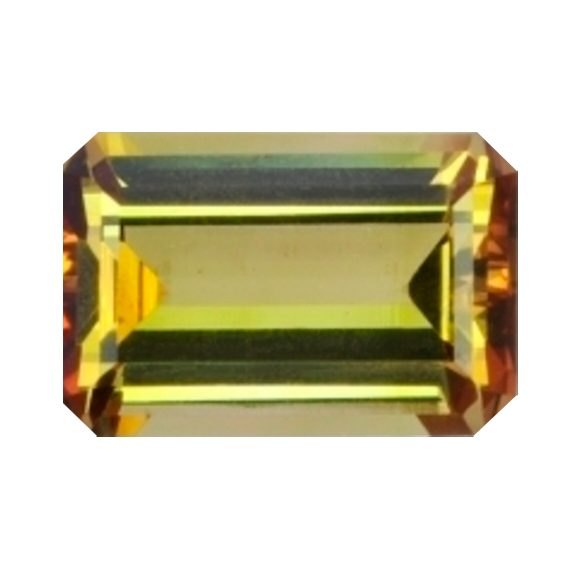
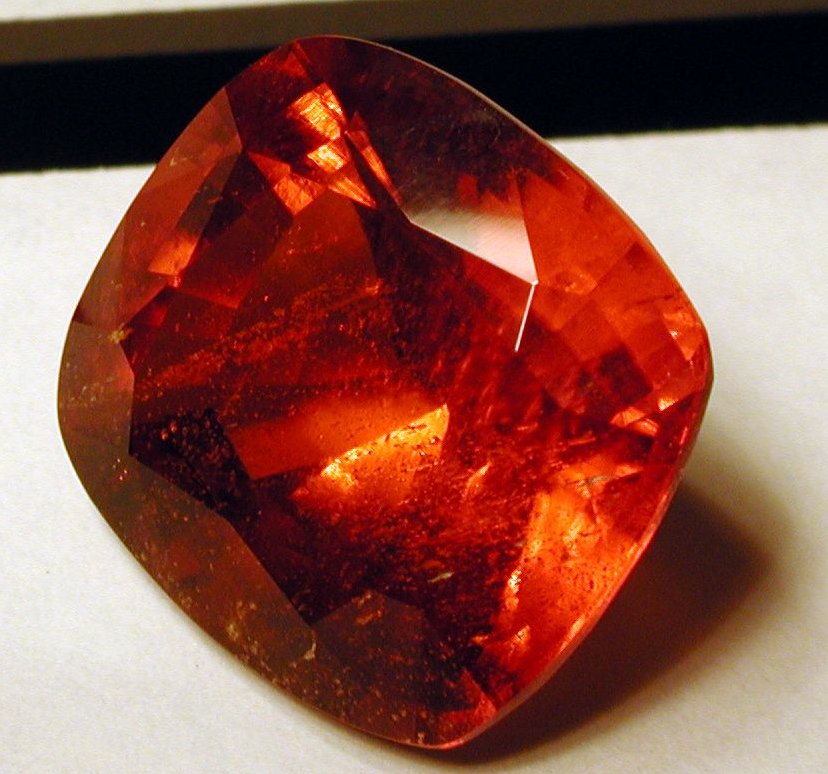
Rare golden-orange clinohumite from Pamirs and Siberia - a collector's mineral of exceptional rarity, warm fire, and surprisingly strong crystal healing associations
- A fine faceted clinohumite over 5 carats is genuinely museum-quality - fewer such stones exist in collections worldwide than fine diamonds of comparable weight.
- Clinohumite's original type locality is Mount Vesuvius in Italy, where it forms in limestone fragments caught up in volcanic eruptions - making it one of the few gems associated with active volcanic processes.
- Tanzanian clinohumite is often found in the same mining areas as Mahenge spinel, meaning a single mining operation can produce two of the world's rarest gemstones.
What Is Clinohumite?
Clinohumite belongs to the humite group, a rare family of nesosilicate minerals with the formula Mg9(SiO4)4(F,OH)2. Titanium commonly substitutes within its crystal structure, intensifying the warm orange and honey hues prized by collectors worldwide. This mineral crystallizes in the monoclinic system.
On the Mohs hardness scale, clinohumite ranks at 6, making it moderately durable for mineral collectors but too soft for everyday jewelry wear. Its vitreous luster and transparent to translucent clarity create a glowing quality. Refractive indices range from 1.629 to 1.674 with specific gravity between 3.17 and 3.35.
Clinohumite forms in high-temperature metamorphic environments within marble and skarn deposits. Russia's Pamir Mountains and Tanzania's Mahenge spinel mines yield the finest gem-quality specimens. Historic finds also emerged from Mount Vesuvius in Italy, cementing its significance in mineral science and collecting communities.
Meaning and Symbolism
Clinohumite was first described in 1876 from specimens ejected from Mount Vesuvius, Italy. The species is named after Sir Abraham Hume, an early nineteenth century English collector and patron of mineralogy, with the gem-quality specimen documented in the Smithsonian's National Gem Collection.
Gem-quality clinohumite was essentially unknown until the late twentieth century, when vivid orange and yellow crystals emerged from the Pamir Mountains of Tajikistan and marble deposits in Siberia. These transparent facetable specimens caused excitement because gem-quality material of this species had never before been commercially available.
A second source discovered in Tanzania's Mahenge region in the 1990s produced clinohumite in warm honey and golden tones. Because facetable crystals remain scarce, clinohumite is one of the true collector's rarities - a mineral with a long scientific history and a very recent gemological debut.
Historical Timeline
Healing Tradition
Emotional
Practitioners believe clinohumite, with its warm honey and orange tones, encourages optimism and the confident embrace of creative endeavors. It is said to warm the emotional body and dissolve stagnation, supporting those who feel uninspired or stuck in routine patterns that no longer serve their growth and authentic self-expression.
Spiritual
Traditionally associated with the sacral and solar plexus chakras in crystal healing practice, clinohumite is said to fuel creative spiritual expression and the courage to pursue one's genuine calling. Crystal healing tradition holds that it supports the alchemical transformation of personal energy into purposeful creative output and spiritual self-realization.
Physical
Some practitioners believe clinohumite's warm solar colors correspond to digestive vitality and metabolic energy, associations drawn from chakra-based crystal lore rather than medical evidence. These claims are not scientifically verified and should not replace professional care. It is used in wellness settings as a motivating companion during physical activity or health-focused lifestyle practices.
Care and Cleansing
- Hardness of 6 means clinohumite scratches against quartz and harder materials; store separately.
- Avoid ultrasonic cleaning for included specimens - the vibration can extend existing fractures.
- Given the extreme value of faceted clinohumite, professional cleaning by a jeweler is recommended for set stones.
- Store in a padded gem parcel or individual compartment away from harder stones.
Where to Buy Clinohumite
Affiliate disclosure: Some links below earn us a small commission at no extra cost to you. See our affiliate disclosure page.
Handmade, raw, and tumbled pieces from independent sellers worldwide.
Shop Clinohumite on Etsy →Accessories, tools, and specimen sets with fast Prime delivery.
Shop Clinohumite on Amazon →Certified loose gemstones graded and photographed for online buyers.
Shop Clinohumite on GemSelect →Pairs Well With