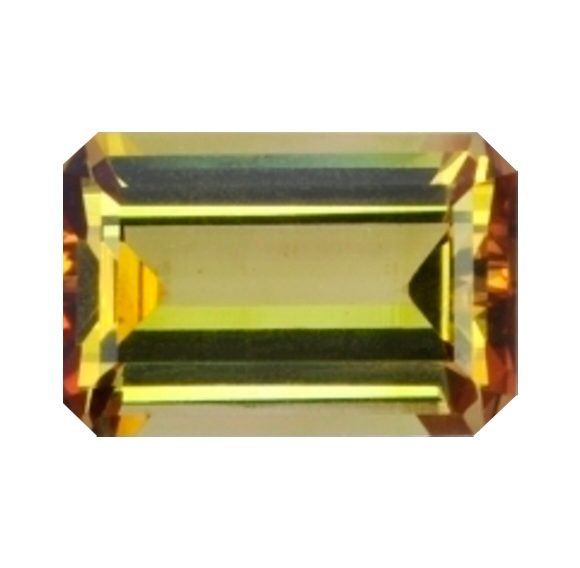
Andalusite
A trichroic gem that flashes green, yellow, and red-brown as you turn it, andalusite is the color-shift stone of solar plexus balance.
- Andalusite is a polymorph of kyanite and sillimanite: all three share chemistry (Al2SiO5) but have different crystal structures.
- The chiastolite variety contains natural cross-shaped inclusions of graphite or carbonaceous material.
- Medieval pilgrims wore chiastolite crosses on their journeys to Santiago de Compostela.
- Andalusite shows trichroism: three different colors from three viewing angles, unlike most gems that are single-colored or dichroic.
- The gem was named in 1798 after Andalusia in Spain, though commercial gem-quality material comes mainly from Brazil.
- Collectors fascinated by trichroism and color-shift phenomena
- Buyers seeking an unusual gem at moderate price
- Practitioners working with solar plexus and root chakra integration
- Readers drawn to warm earth tones with surprising color flashes
- Gift givers shopping for distinctive collector pieces
What Is Andalusite?
Andalusite is an aluminum silicate mineral with the same chemical formula as kyanite and sillimanite (all three are polymorphs of Al2SiO5, sharing chemistry but having different crystal structures). The gem was named in the 1790s after Andalusia in Spain, the region where early specimens were first described.
At Mohs 7.5, andalusite is durable enough for most jewelry applications. Its most striking property is trichroism: the stone shows three different colors depending on viewing angle, typically shifting between olive-green, brownish-yellow, and red-brown. Skilled cutters orient the rough so the finished stone displays all three colors simultaneously from different facets.
A distinctive variety called chiastolite (or cross stone) contains dark cross-shaped inclusions of graphite or carbonaceous material. Chiastolite has been worn as protective amulets in European, Asian, and American traditions for centuries, with the natural cross shape given various religious and magical interpretations.
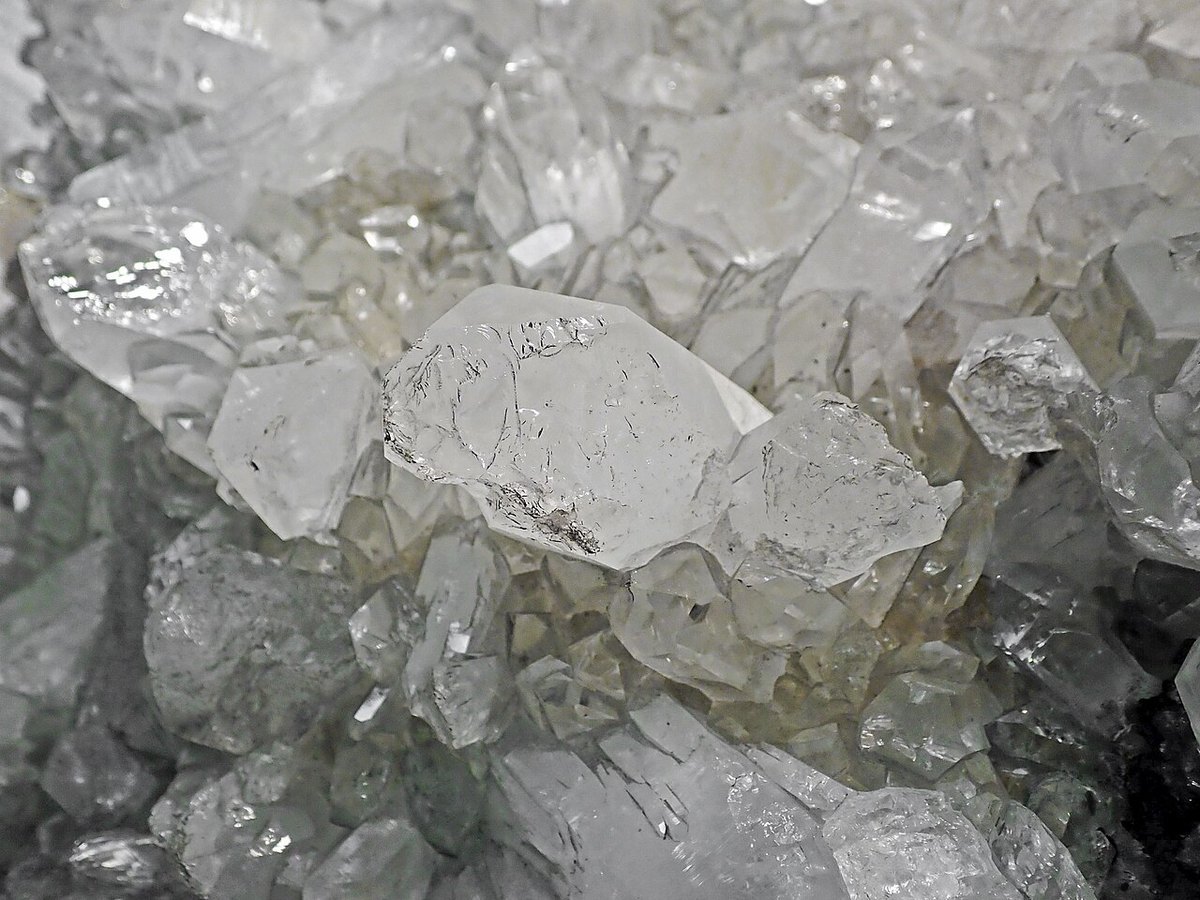
Major commercial sources include Brazil (especially Minas Gerais and Espirito Santo), Sri Lanka (alluvial gravels), Russia (Urals), China, and the United States (particularly California and Massachusetts).
Gem-quality andalusite is relatively uncommon in fine jewelry because the trichroic effect is an acquired taste and because the stone has never achieved the commercial marketing success of alexandrite or tanzanite.
How Andalusite Compares
| Property | Andalusite | Alexandrite | Sphene |
|---|---|---|---|
| Hardness | 7.5 | 8.5 | 5 - 5.5 |
| Price / carat | $ Budget | $$$$ Luxury | $ Budget |
| Color effect | Trichroic (3 angles) | Color-change (light type) | High dispersion fire |
| Best For | Collector niche, pendants | Heirloom investment | Collector pendants |
Meaning and Symbolism
Andalusite was formally named in the 1790s after Andalusia in Spain, but the stone's chiastolite variety has been worn as protective amulet across many cultures for far longer.
Medieval Catholic Europe used chiastolite crosses (natural cross-shaped inclusions in andalusite) as protective pendants, particularly for travelers and pilgrims walking to Santiago de Compostela. The natural cross shape was considered a sign of divine protection.
In Chinese and Tibetan tradition, chiastolite was valued as a protective stone with cross-shaped motifs reminiscent of Buddhist mandala geometry. Native American cultures in California and Oregon incorporated local chiastolite into ceremonial objects and healing work.
Gem-quality faceted andalusite, as distinct from chiastolite, entered the commercial trade mainly in the twentieth century after major Brazilian discoveries.
In modern crystal healing tradition, andalusite is associated with the solar plexus and root chakras and with what practitioners call balanced perception and the integration of multiple life angles. The stone's trichroism (three colors from different angles) makes it a natural metaphor for seeing situations from multiple perspectives.
Chiastolite specifically is described as a protective stone for travel and for moving through life transitions. Andalusite pairs naturally with citrine for solar plexus work, with tourmaline for protective grounding, and with clear quartz for amplified intention.
Historical Timeline
Healing Tradition
Emotional
Practitioners believe andalusite supports emotional balance and the ability to see situations from multiple perspectives. In crystal healing tradition, it is often recommended for people navigating complex decisions, family mediation, or situations where no single point of view captures the whole picture.
Many readers wear andalusite during periods of significant perspective-shift or integration work. Practitioners pair andalusite with rose quartz when the integration work involves relationship tenderness, or with clear quartz for amplified intention.
Because andalusite's reputation is perceptual and integrative rather than soothing, it is often described as a working stone for active life phases. Chiastolite (andalusite with cross-inclusions) is traditionally described as a particularly protective variety, useful during travel, grief, and major life transitions where emotional steadiness matters.
Spiritual
Andalusite is traditionally associated with the solar plexus and root chakras. Practitioners describe the trichroic color effect as a visual metaphor for integrated spiritual perception, seeing from multiple angles simultaneously. Chiastolite has specific Christian and Buddhist associations with cross and mandala geometry, making it a protective meditation stone in several religious traditions.
Many readers keep a chiastolite piece with travel gear or on a meditation altar during pilgrimage or significant spiritual journey work. Faceted andalusite is used for grids focused on balanced decision-making. It pairs readily with clear quartz for amplified intention and with black tourmaline for protective grounding during extended travel or transitions.
Physical
Practitioners believe andalusite supports what they describe as balanced vitality and general grounding during demanding life periods. Folk tradition around chiastolite specifically includes protection during travel and general wellness during long journeys.
In modern crystal healing practice, andalusite is most often worn as a pendant or carried as a pocket stone during travel or transition periods.
Many readers keep a chiastolite piece in a car glove compartment or travel bag, and practitioners describe it as a steady background companion rather than an intervention tool. It is not a substitute for medical care, and practitioners frame its role as supportive alongside proper treatment.
Because andalusite is hard (Mohs 7.5) and chemically stable, it is practical for daily wear in all forms of jewelry without special handling.
Zodiac, Birthstone and Gifts
Andalusite is traditionally associated with Virgo and Capricorn in Western astrology. Practitioners describe andalusite as an ally for Virgo's analytical integration and for Capricorn's disciplined approach to life transitions. Chiastolite specifically is sometimes associated with pilgrimage and travel-related intentions regardless of birth month, in keeping with its medieval Christian history.
Although andalusite is not on the formal US birthstone list, it is sometimes given as a gift for travelers, new homeowners making significant geographic moves, and anyone beginning extended spiritual or vocational journeys.
Care and Cleansing
Andalusite is one of the easier gems to maintain because of its Mohs 7.5 hardness and chemical stability. Warm soapy water and a soft brush are safe for most stones.
Ultrasonic and steam cleaners are generally safe for untreated andalusite but should be used carefully on stones with visible inclusions or for chiastolite pieces where the carbonaceous cross material may respond differently from the surrounding matrix.
Moonlight cleansing is traditional and safe. Sunlight cleansing is appropriate because andalusite color is stable under UV exposure. Smoke cleansing with sage or palo santo and sound cleansing with a singing bowl are both effective and carry no risk.
Saltwater soaks are safe for the stone but may corrode metal settings on jewelry and should be limited.
Because chiastolite is traditionally a travel and protection stone, many readers cleanse it at the end of significant journeys rather than on a regular schedule. A night on a selenite plate after returning from travel is a common refresh practice.
- DO rinse andalusite jewelry in warm soapy water and dry with a soft cloth.
- DO use ultrasonic cleaners carefully on included or chiastolite material.
- DO store andalusite separately from softer stones to prevent damage to those.
- DO preserve any provenance documentation for significant pieces.
- DO ask about origin (Brazil, Sri Lanka, Russia, China, USA).
- DO NOT drop or subject andalusite to sharp impacts.
- Note: andalusite color and trichroism are stable and do not fade with normal wear.
Real vs Fake
Genuine andalusite shows distinctive trichroism: three different colors (typically olive-green, yellow-brown, and red-brown) visible from different viewing angles as the stone is rotated. This three-angle color shift is one of the strongest pleochroic effects in any gem and serves as a reliable identification marker.
A stone that shows a single color or only two-color shift is not andalusite.
Common imitations and confusions include synthetic corundum with color-change treatments, natural alexandrite (color-change but by light type rather than viewing angle), zircon (higher refractive index), and various brown faceted quartz or topaz varieties. A refractometer test quickly separates andalusite (RI 1.629-1.650) from these alternatives.
For chiastolite specifically, the natural cross-shaped inclusions are difficult to imitate convincingly in synthetic or composite materials. Genuine chiastolite shows the cross as a continuous three-dimensional feature that appears consistent when viewed from different angles, while imitations tend to show surface-printed or painted crosses.
For significant purchases, buy from sellers who can identify origin and ideally provide laboratory documentation for larger stones. Most andalusite purchases under $1,000 per carat do not require lab reports, but origin authentication adds value for Brazilian or Sri Lankan provenance.
Andalusite Jewelry & Gifts
Andalusite prices range from $40 per carat for small, pale, or heavily included commercial stones to over $300 per carat for top Brazilian material with clean transparency and vivid trichroic color shift.
Standard 1-2 carat faceted andalusite typically runs $80 to $200 per carat. Larger 3-5 carat stones with strong trichroism and clean clarity reach $200 to $400 per carat. Exceptional stones with dramatic color shifts can exceed $500 per carat.
Chiastolite is priced differently, by the piece rather than by carat. Small chiastolite cross pendants run $20 to $80, larger polished specimens $50 to $200, and antique Christian pilgrimage reliquary pieces command premium collector prices when provenance is documented.
Treatment is essentially unknown in andalusite; the stone's color and trichroism are natural structural properties not modified by standard gem treatments.
When buying, rotate the stone slowly under daylight and incandescent light to confirm the trichroic color shift, check for eye-clean clarity under a 10x loupe, and choose cuts that display all three colors face-up (typically oval, cushion, or emerald cut).
For chiastolite, look for well-defined cross shapes visible from multiple angles and ask about origin.
Where to Buy Andalusite
Affiliate disclosure: Some links below earn us a small commission at no extra cost to you. See our affiliate disclosure page.
Handmade, raw, and tumbled pieces from independent sellers worldwide.
Shop Andalusite on Etsy →Accessories, tools, and specimen sets with fast Prime delivery.
Shop Andalusite on Amazon →Certified loose gemstones graded and photographed for online buyers.
Shop Andalusite on GemSelect →Pairs Well With




Where Andalusite Is Found


