Fluorescent Calcite
Ordinary white or cream calcite transformed under ultraviolet light into vivid orange, pink.
- The word 'fluorescence' itself comes from fluorite, a closely related mineral that showed the same UV-light phenomenon.
- Some Franklin, NJ calcite specimens fluoresce orange in longwave UV and turn a different color under shortwave UV - a dual-response rare in any mineral.
- UV-reactive minerals at Franklin, New Jersey include over 350 different fluorescent species - more than any other locality on Earth.
- The orange glow in most calcite fluorescence is caused by trace manganese ions substituting for calcium in the crystal lattice.
- Calcite is the primary mineral in bones and shells - the same compound that makes up the teeth of every human being.
- Mineral collectors who want dramatic UV display pieces at accessible prices
- Science educators demonstrating fluorescence and mineralogy
- Gift for someone who loves unusual or surprising natural phenomena
- Crystal practitioners seeking energy amplification and joyful light work
- Home decor display under UV lamp for a striking visual effect
- Everyday jewelry - Mohs 3 scratches and chips easily; choose quartz instead
- Wet environments - calcite dissolves slowly in water; keep it dry
- Those who want a rare investment stone - fluorescent calcite is widely available
What Is Fluorescent Calcite?
Calcite (CaCO3) is one of the most common minerals on Earth, forming the bulk of limestone, marble, and chalk. What distinguishes *fluorescent calcite* is the presence of trace activator elements - typically manganese (Mn2+) for orange-pink fluorescence or rare earth elements for other colors - that absorb ultraviolet light and re-emit it as visible wavelengths.
The glow is not a surface coating or treatment; it is an intrinsic property of the crystal lattice.
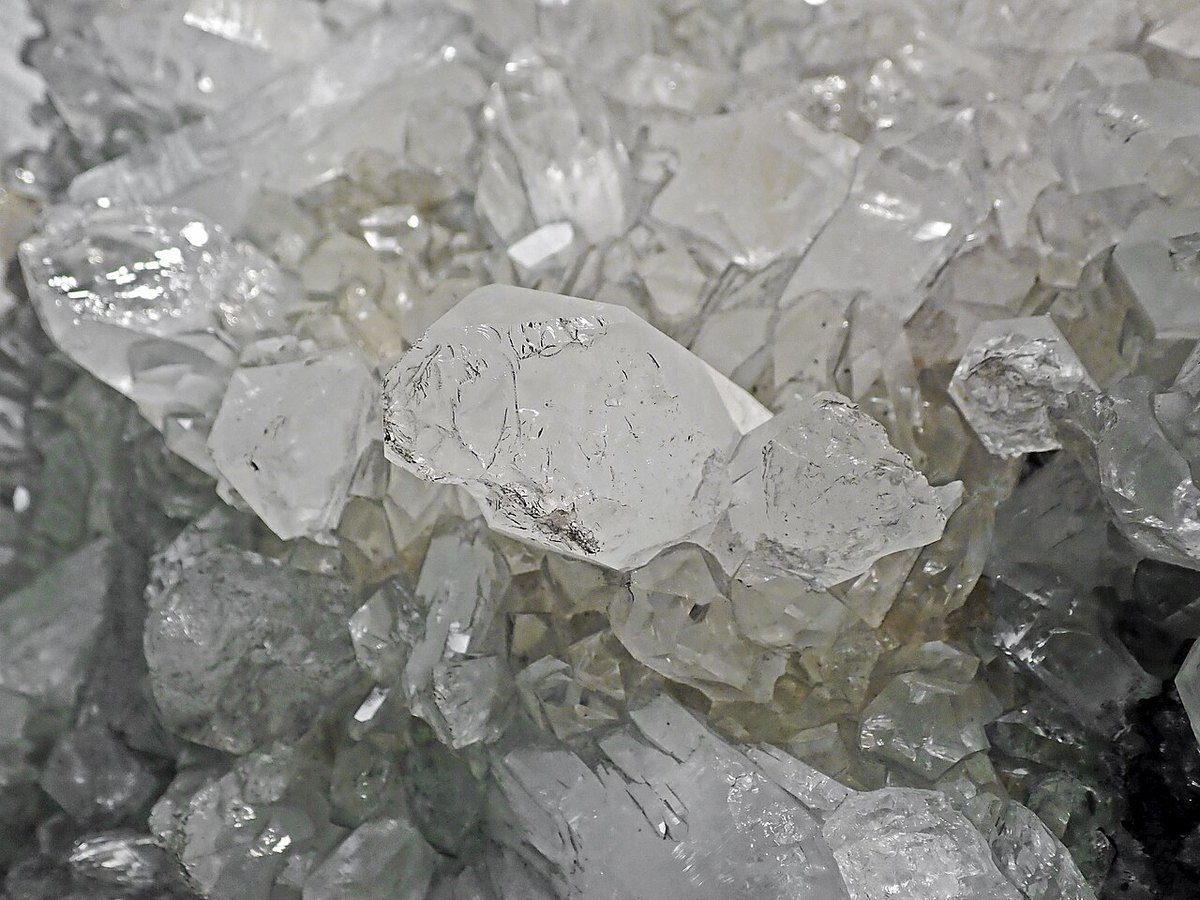
Hardness is exactly 3 on the Mohs scale, and calcite cleaves perfectly in 3 directions (rhombohedral cleavage), meaning it breaks cleanly along these planes under impact. Specific gravity is 2.71. The trigonal crystal system produces characteristic rhombohedrons and scalenohedrons (dogtooth calcite) that are prized by mineral collectors.
Fluorescence can be activated by both longwave (365 nm) and shortwave (254 nm) UV lamps, with longwave typically producing the most vivid display.
Major sources for strongly fluorescent material include Franklin and Sterling Hill, New Jersey (the world's most famous fluorescent mineral localities), Langban in Sweden, and various Mexican and English deposits. Quality ranges from faint milky glow to blazing orange or hot pink reactions that are visible across a room in a darkened space.
How Fluorescent Calcite Compares
| Property | Fluorescent Calcite | Fluorite | Willemite |
|---|---|---|---|
| Hardness | 3 | 4 | 5 - 5.5 |
| Price / piece | $ Budget | $ Budget | $ Budget |
| UV glow | Orange/pink/green | Blue/purple/green | Brilliant green |
| Rarity | Common | Common | Rare |
Meaning and Symbolism
Fluorescent calcite carries a dual symbolism: the understated exterior and the hidden brilliance revealed under the right light. Practitioners believe this mirrors the human experience of latent potential, gifts not yet recognized, and the way certain environments or relationships bring out qualities that were always present but invisible to ordinary perception.
The solar plexus and sacral associations connect fluorescent calcite to joy, creativity, and self-expression. In crystal healing tradition, the stone is said to amplify personal energy and encourage enthusiasm for life. The orange glow under UV is seen as a visual manifestation of the stone's warming, vitalizing properties.
Historically, calcite in general has been associated with clarity of mind and the dissolution of stagnant energy. The fluorescent variety is considered by many practitioners to add a specific quality of illumination - the ability to reveal what is obscured and make visible what was hidden.
Historical Timeline
Healing Tradition
Emotional
Practitioners believe fluorescent calcite amplifies joy and enthusiasm, making it a popular choice for combating emotional stagnation or low mood. The stone is said to reveal hidden strengths and encourage the holder to recognize qualities in themselves that have gone unnoticed.
Many find that working with fluorescent calcite during creative projects dissolves creative blocks and reintroduces a sense of play. In crystal healing tradition, it is associated with warming the emotional body and dissolving coldness or guardedness.
Spiritual
In crystal healing tradition, fluorescent calcite is said to activate dormant spiritual gifts and make visible what has been hidden from consciousness. The UV-responsive property is taken as a metaphor for the way higher frequencies (spiritual awareness) illuminate aspects of the self that ordinary awareness misses.
Practitioners use it in meditation focused on self-discovery and inner revelation. The solar plexus activation is said to support confidence in one's spiritual path.
Physical
Fluorescent calcite is traditionally associated with supporting the digestive system and metabolism in crystal healing, drawing on its solar plexus chakra association. Practitioners often place it on the abdomen during relaxation practices aimed at reducing tension in the gut.
The stone has long been used in energy work intended to increase vitality and reduce fatigue. Crystal work complements rather than replaces professional medical care.
Zodiac, Birthstone and Gifts
Fluorescent calcite is associated with Leo and Cancer in crystal astrology. Leo's love of radiance, performance, and hidden-made-visible resonates deeply with a stone that saves its most dramatic display for when the lights go out. Cancer's lunar sensitivity aligns with calcite's connection to illumination, emotion, and the revealed interior.
Practitioners working with Leo energy often use fluorescent calcite in confidence-building rituals, while Cancer practitioners use it for emotional clarity and self-discovery.
Care and Cleansing
Calcite dissolves slowly in acidic solutions and is weakened by extended water exposure. Use dry or near-dry cleansing methods: moonlight, sunlight, or selenite plates are all ideal. Sound cleansing with a singing bowl is safe and effective.
If you need to clean surface dust, use a dry or barely damp soft cloth - never soak. Pat dry immediately if any moisture is applied. Avoid salt in any form, as it can etch the surface over time.
Smudging with sage or palo santo smoke is the most recommended wet-free cleansing option for calcite. Pass the stone slowly through the smoke for 30-60 seconds and visualize any accumulated energy clearing.
- DO NOT soak in water - calcite slowly dissolves in acidic or even neutral water with extended exposure.
- DO NOT use salt cleansing - salt can etch and pit the soft calcite surface.
- DO NOT store loose with harder minerals - Mohs 3 scratches against virtually any other stone.
- DO wrap in soft cloth or tissue for storage and transport.
- NOTE: Perfect rhombohedral cleavage means calcite can split cleanly if dropped or struck - handle gently.
- DO use a UV-A (365 nm) lamp for fluorescence display rather than UV-C, which is hazardous to eyes and skin.
Real vs Fake
Genuine fluorescent calcite shows a consistent, even glow across the mineral faces when placed under UV light. The fluorescence is an intrinsic crystal property - it cannot be washed off, rubbed away, or selectively applied.
Specimens that glow only on the surface but show no response in fractured interior faces may have been treated with a fluorescent coating.
Test hardness: calcite should scratch easily with a copper coin (Mohs 3 vs copper's 3.5) and much more easily with a steel knife. Any material sold as fluorescent calcite that resists a coin scratch is not calcite.
Also test cleavage - genuine calcite breaks cleanly in 3 directions at ~75 degree angles, producing characteristic rhombohedra.
Franklin and Sterling Hill material commands a premium. Sellers who can specify the locality (Franklin, NJ vs Mexican vs English) are generally more reliable. Unlabeled UV-responsive material may still be genuine calcite, but provenance adds significant collector value.
Fluorescent Calcite Jewelry & Gifts
Fluorescent calcite is affordable and widely available. Small tumbled pieces or rough specimens start at $5-15. Quality display pieces with strong orange or pink fluorescence range from $20-80. Franklin/Sterling Hill specimens with documented provenance command $50-300+ due to their landmark status in the fluorescent mineral world.
When buying, ask the seller to demonstrate the fluorescence under UV light before purchase if possible. Color intensity, evenness of glow across the specimen, and the clarity of the daytime appearance all affect value. Strong orange fluorescence under longwave UV is generally more desirable than faint or patchy response.
No treatments are applied to fluorescent calcite - the fluorescence is entirely natural. All-natural calcite in its natural state. Occasional wax polishing for rough specimens is a cosmetic finish only.
Where to Buy Fluorescent Calcite
Affiliate disclosure: Some links below earn us a small commission at no extra cost to you. See our affiliate disclosure page.
Handmade, raw, and tumbled pieces from independent sellers worldwide.
Shop Fluorescent Calcite on Etsy →Accessories, tools, and specimen sets with fast Prime delivery.
Shop Fluorescent Calcite on Amazon →Certified loose gemstones graded and photographed for online buyers.
Shop Fluorescent Calcite on GemSelect →Pairs Well With


Where Fluorescent Calcite Is Found


