Green Opal
Vitality crystallized in stone - green opal for renewal, life-force energy, and heart-centered regeneration
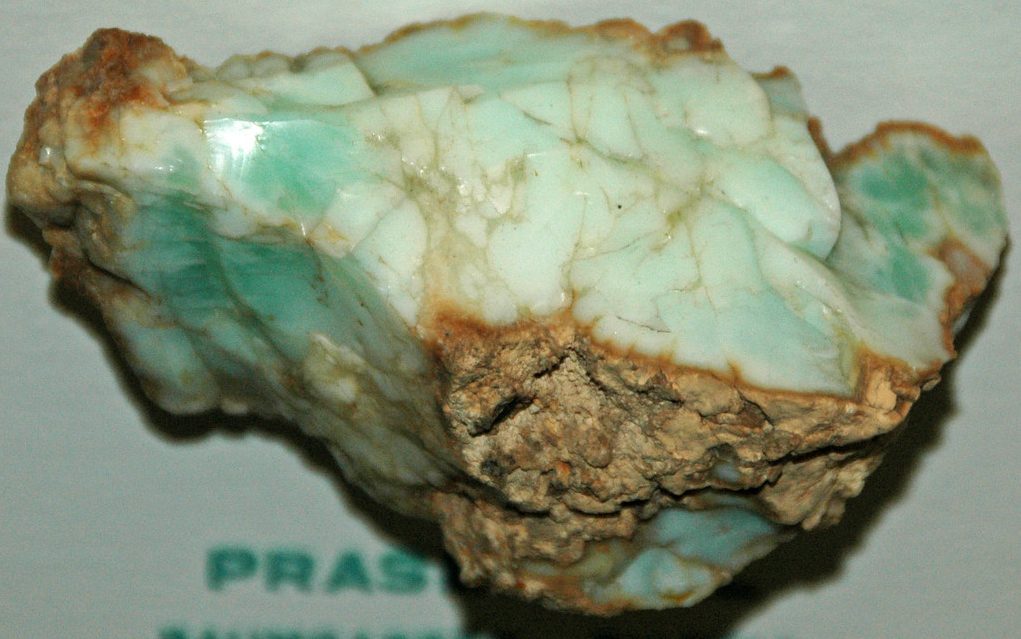
- Green opal from Tanzania gets its distinctive vivid green from nontronite - a green iron-rich clay mineral that forms within the opal matrix, essentially creating a two-mineral partnership that produces the characteristic mottled green appearance.
- Opal is classified as a mineraloid rather than a true mineral because it lacks a crystalline structure - it is essentially a hydrated amorphous silica gel that solidified over geological time.
- Some green opal from Australia shows faint play-of-color against the green background - these transitional specimens between common and precious opal are rare and particularly sought by collectors.
- Green opal from the Peruvian Andes forms at high altitudes in volcanic sedimentary contexts similar to the famous Andean blue and pink opals - the whole family represents a remarkable gemological concentration in one mountain range.
- The regenerative symbolism of green opal is reinforced by a geological irony: opal forms in voids left by dissolved organisms, essentially building new structure from the spaces left by life - a perfect metaphor for renewal.
- those seeking renewal, vitality, and fresh energy
- practitioners of heart chakra healing
- nature lovers drawn to verdant green
- those recovering from fatigue, burnout, or illness
- crystal collectors building an opal variety collection
- buyers wanting play-of-color precious opal fire
- those needing a durable daily-wear stone
- collectors focused solely on investment-grade material
What Is Green Opal?
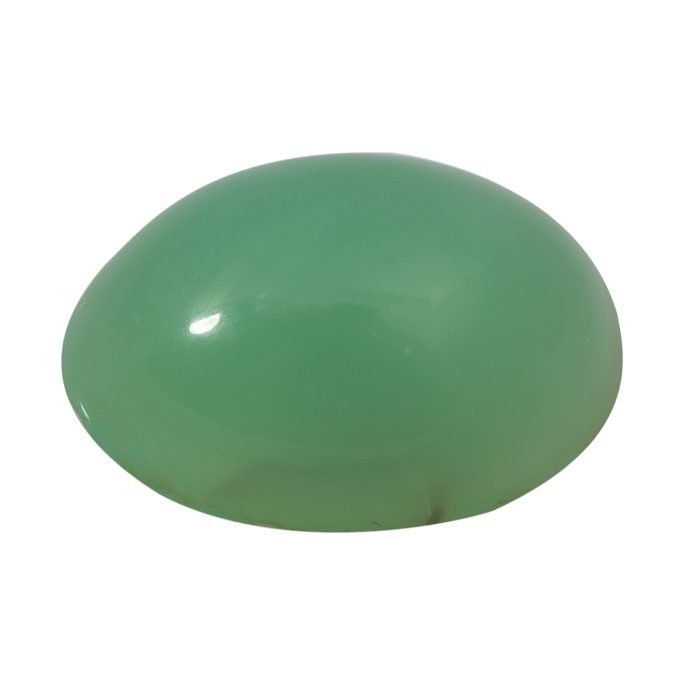
Green Opal is a common opal (without rainbow play-of-color) with green coloration ranging from pale sage to vivid grass green, caused by trace amounts of iron, nickel, or organic material within its amorphous hydrated silica structure. It rates 5.5-6.5 on the Mohs hardness scale.
The color intensity varies significantly between sources - Tanzanian green opal is notably vivid and saturated, while Peruvian varieties tend toward softer, more muted sage tones.
The amorphous structure of opal means it lacks the crystalline order of quartz and other minerals - it is essentially a hydrated glass, which gives it both its characteristic waxy luster and its relative fragility compared to crystalline stones.
The water content (typically 6-10%) is an essential part of opal's identity - remove it through dehydration and the stone can craze or lose color.
Green opal from Tanzania is particularly notable in the mineral market for its distinctive grass-green color and slightly mottled texture caused by the presence of nontronite (a green iron smectite clay) within the opal.
This association gives Tanzanian material a unique appearance that many practitioners find especially resonant with earth and vitality energies.
Green Opal vs. Similar Green Stones
| Property | Green Opal | Green Aventurine | Malachite |
|---|---|---|---|
| Hardness | 5.5-6.5 | 6.5-7 | 3.5-4 |
| Price/lb | $ Budget | $ Budget | $ Budget |
| Rarity | Uncommon | Common | Common |
| Best For | Vitality, renewal | Prosperity, luck | Transformation |
Meaning and Symbolism
Green opal carries the vibrant life-force symbolism associated with green in nearly all cultural traditions - spring, growth, renewal, and the regenerative power of nature.
Its particular quality within this category is vivacity - practitioners describe it as one of the most energizing green stones, said to awaken dormant life-force energy rather than just supporting growth.
The stone is traditionally linked to the heart chakra, but with an emphasis on the heart's vitality dimension - the quality of aliveness, engagement, and enthusiasm for life - rather than primarily on love or emotional healing.
Many crystal healers use it for those experiencing burnout, emotional or physical fatigue, or the specific kind of depletion that comes from giving too much without self-replenishment.
Green opal is also associated with new beginnings, particularly for those whose health or vitality has been compromised. It is said to carry the same restoring energy as a forest walk or a day outdoors in nature - reminding the body and spirit of its inherent capacity for regeneration and renewal.
Historical Timeline
Healing Tradition
Emotional
Practitioners describe Green Opal as one of the most energizing heart stones - not soothing or gentle like rose quartz, but vitalizing and renewing like a breath of fresh air after a long time indoors.
The stone is said to be especially helpful for those experiencing emotional fatigue, the particular depletion of those who care deeply for others, and the quiet despair that comes from chronic unexpressed feeling.
Many crystal healers use it for clients who have lost connection to joy and enthusiasm - what some traditions call a loss of life-force - believing the stone reawakens the spark of genuine engagement with life.
Spiritual
In spiritual practice, green opal is associated with the heart chakra's vitality and life-force dimension - the quality that draws the spirit fully into embodied experience. Practitioners believe it helps those who spiritually bypass embodiment, using spiritual practice to escape physical and emotional life rather than engage it more fully.
The stone is said to call the spirit back into the body with a sense of joy and aliveness rather than obligation. It is also associated with nature spirits and earth energy work, particularly in practices that honor the living intelligence of the natural world.
Physical
Some crystal wellness practitioners associate Green Opal with immune system support, liver and kidney health, and recovery from fatigue or illness. It is traditionally linked to the body's regenerative capacity and is used in placement over the heart or solar plexus in energy healing sessions. No scientific evidence supports these associations.
Always consult a qualified healthcare provider for health concerns.
Zodiac, Birthstone and Gifts
Virgo's connection to health, renewal, and improvement resonates deeply with green opal's vitality and regenerative energy - the stone is said to support Virgos in maintaining life-force while caring for others. Taurus's earth-sign appreciation for nature's vitality and sensory aliveness aligns with green opal's verdant life-force energy and nature-connection symbolism.
Care and Cleansing
Earth burial is especially resonant for green opal - place in a small pot of clean garden soil overnight to connect with earth's regenerative energy. Remove and brush clean gently. This method aligns with the stone's earth-vitality associations.
Moonlight on a windowsill is safe and energetically effective. Full moon nights are preferred in most crystal traditions. Avoid leaving outside where dew could accumulate on the stone, as prolonged moisture can affect opal over time.
Sound cleansing is the safest and most practical method for regular use - a singing bowl or gentle percussion for 2-3 minutes avoids all moisture and thermal risks. Particularly appropriate for stones used in daily vitality work.
- DO store in a cool environment with moderate humidity - opal needs moisture to prevent crazing.
- DO NOT use salt cleansing as it draws moisture from opal's structure and can cause surface cracking.
- DO NOT expose to prolonged heat or direct sunlight which causes dehydration cracking in opal.
- DO NOT use ultrasonic cleaners, steam, or chemical cleaners on any opal variety.
- NOTE that at 5.5-6.5 hardness, green opal is softer than quartz - store separately to prevent scratching.
Real vs Fake
Genuine green opal has the characteristic waxy luster and color that comes from trace minerals or clay inclusions within the silica structure. Tanzanian material shows distinctive mottled or patchy green from nontronite inclusions.
Green-dyed howlite is the most common substitute sold as green opal. Howlite shows characteristic gray or white veining through the green; green opal's color comes from internal minerals and does not follow veining patterns.
Green glass fakes warm quickly in the hand and have no internal texture. Real green opal is cool, slightly heavy for its size, and shows micro-texture under magnification.
Some malachite is sold alongside green opal and the two are occasionally confused. Malachite is distinctly banded in varying greens and blacks, much softer (3.5-4), and has a different luster - comparing side by side makes the distinction immediately clear.
Ask for locality documentation. Tanzania (Dodoma region), Peru (Andes), and Oregon for specific varieties are the reliable source indicators. Vague sourcing without regional specificity warrants extra verification.
Green Opal Jewelry & Gifts
Green opal tumbles run $6-$25; carved pieces $15-$60; Tanzanian material slightly more for distinctive color and quality $20-$80. Generally accessible at multiple price points.
Tanzanian green opal represents the most distinctive option - look for consistent vivid green color with the characteristic mottled texture of nontronite inclusions. The color should be deep and even throughout the piece.
Peruvian green opal offers a softer sage green alternative - more subtle but equally suitable for metaphysical use. Look for clean color without heavy brown or gray undertones.
For carved pieces, smooth polish and consistent color distribution are primary quality markers. Some natural color variation is acceptable and desirable; heavily mottled or discolored pieces indicate lower quality rough was used.
For collectors, transparent to translucent green opal from Australia or Oregon (when available) represents premium material that commands higher prices. These rare pieces combine the color of common opal with the clarity potential of precious opal formations.
Where to Buy Green Opal
Affiliate disclosure: Some links below earn us a small commission at no extra cost to you. See our affiliate disclosure page.
Handmade, raw, and tumbled pieces from independent sellers worldwide.
Shop Green Opal on Etsy →Accessories, tools, and specimen sets with fast Prime delivery.
Shop Green Opal on Amazon →Certified loose gemstones graded and photographed for online buyers.
Shop Green Opal on GemSelect →Pairs Well With



Where Green Opal Is Found


