Green Zircon
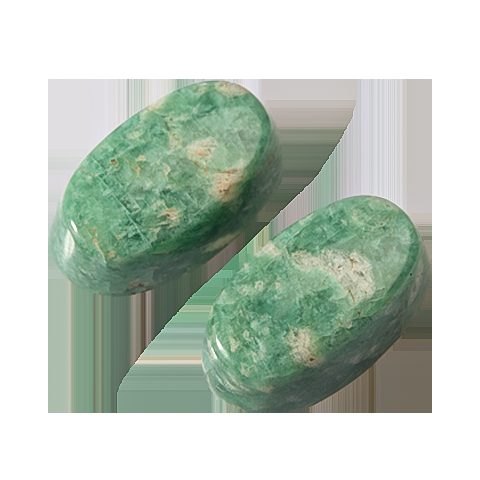
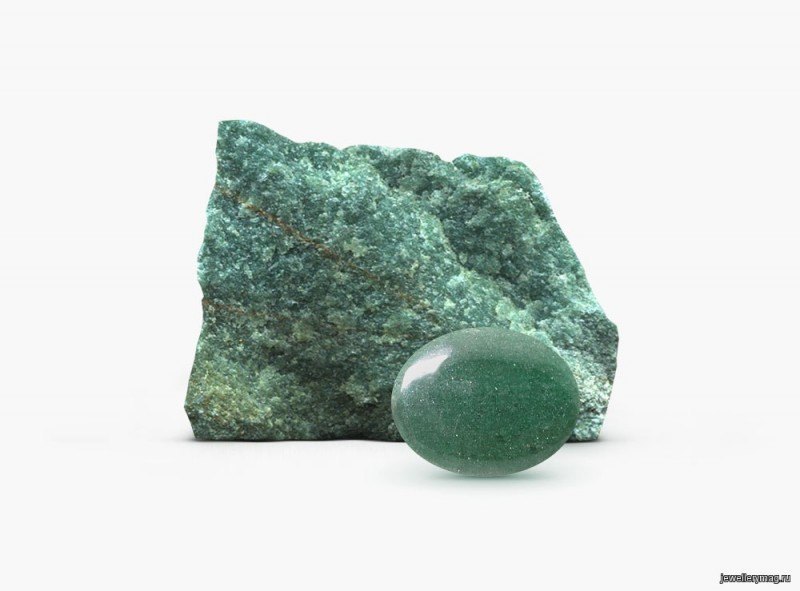
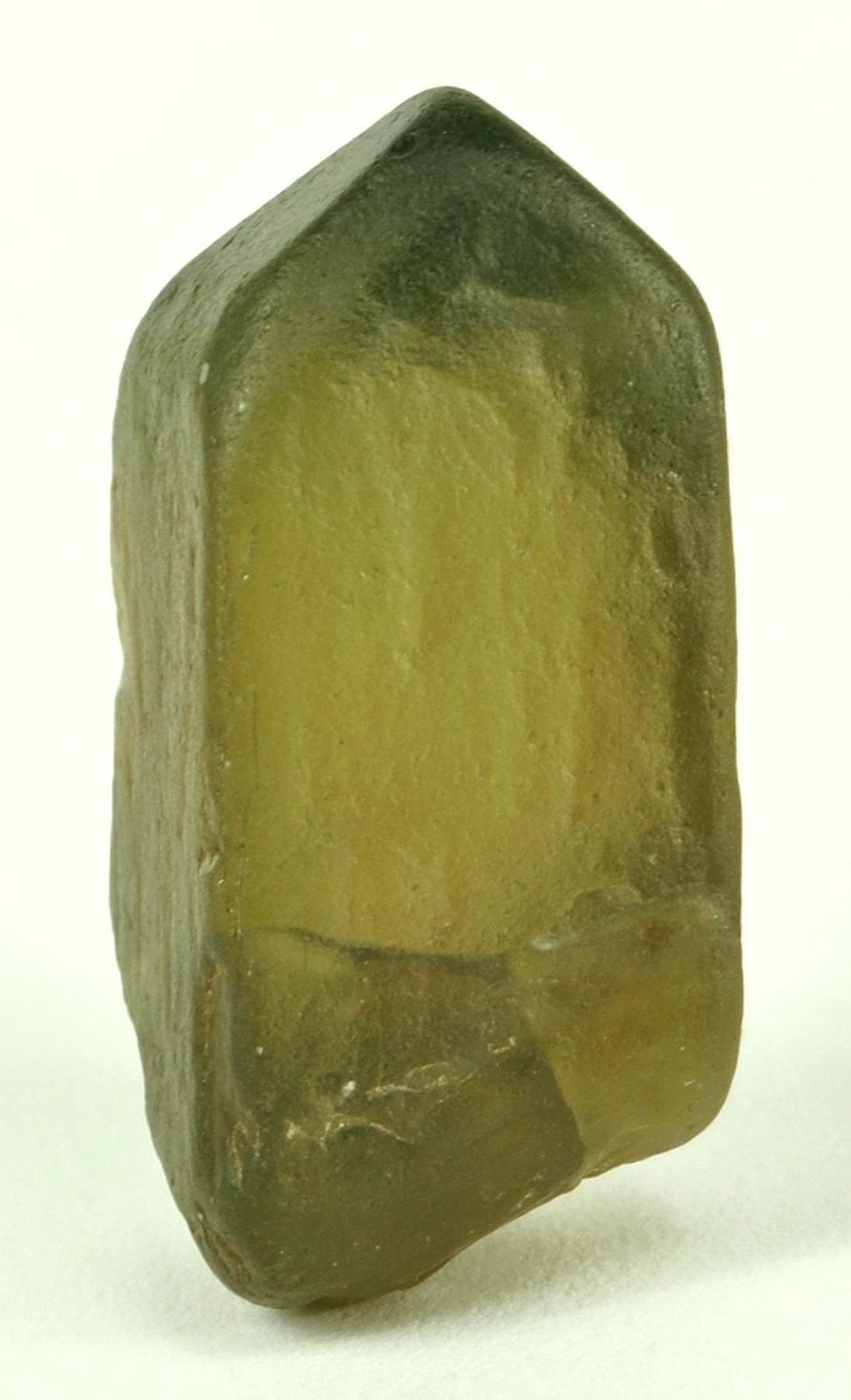
Forest-to-emerald green zircon from Cambodia and Tanzania - a collector's gem of high refractive index and natural radioactive origin that produces earthy, mossy tones
- Green zircon’s color is literally created by radioactive decay - uranium and thorium atoms inside the crystal have been firing radiation at the lattice for millions of years, creating the color-causing defects.
- Metamict zircon can be partially restored to its crystalline state by careful annealing (heat treatment), which sometimes also alters the color.
- The olive-green color of some metamict zircon samples fades under strong light, a phenomenon called photochromism, making storage away from direct sunlight advisable.
What Is Green Zircon?
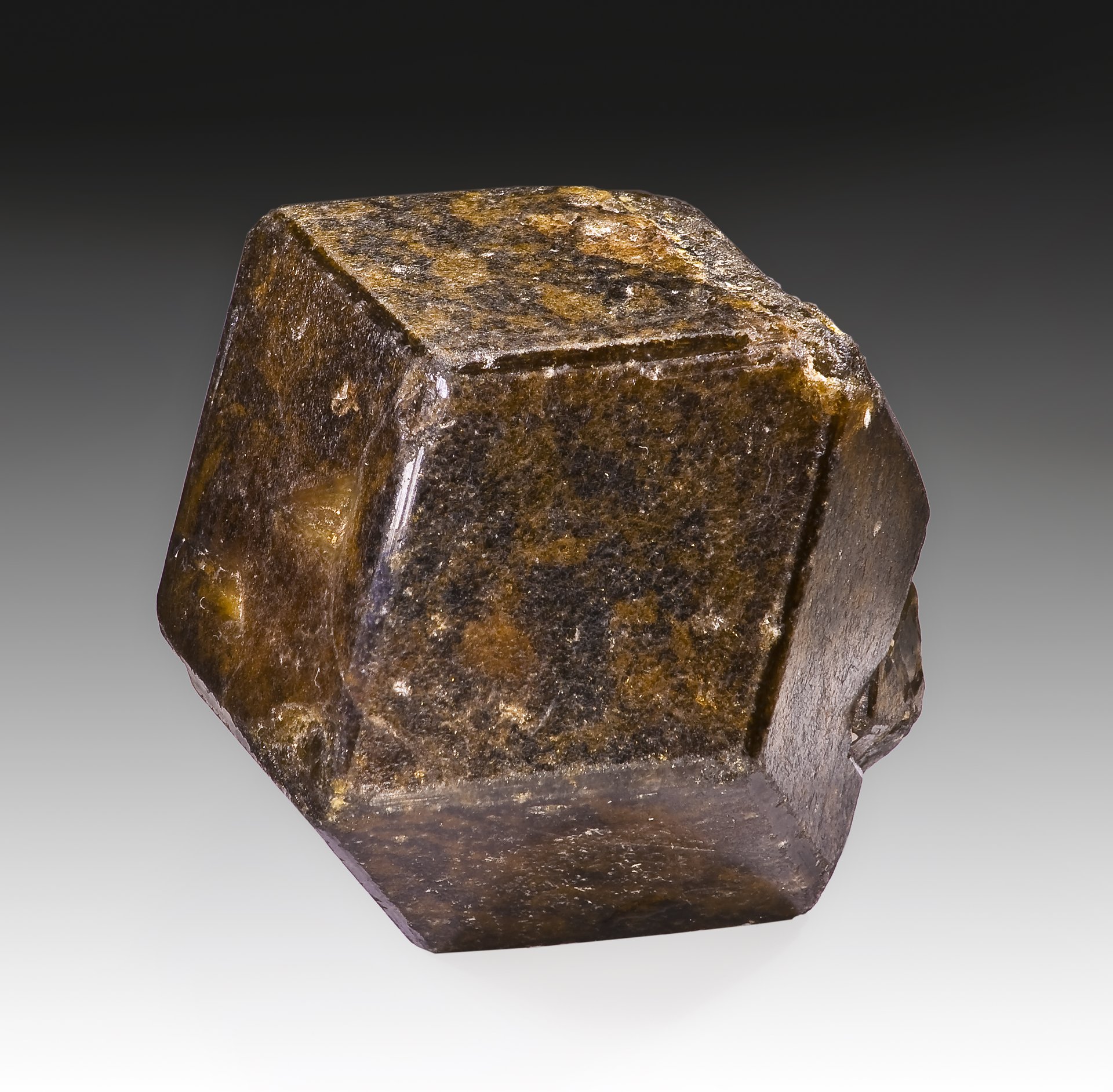
Green zircon belongs to the nesosilicate mineral family with the chemical formula ZrSiO₄. It crystallizes in the tetragonal system, though metamict specimens show partial amorphization from radioactive decay. The mineral displays vitreous to resinous luster and ranges from transparent to translucent.
Green zircon's coloration results from metamictization, where trace uranium and thorium create radiation damage in the crystal lattice over millions of years. This structural breakdown generates color centers producing olive and forest-green hues. Metamict material has lower hardness due to lattice disruption.
Green zircon occurs in granites and metamorphic rock formations across Sri Lanka, Cambodia, Australia, Tanzania, and Vietnam. The mineral's refractive index ranges from 1.78 to 1.99, while specific gravity varies from 3.9 to 4.7 depending on the degree of metamictization. Indistinct cleavage characterizes this durable gemstone variety.
Meaning and Symbolism
Green zircon is among the rarest natural color varieties of this ancient mineral species, with zircon's mineralogy covered at Britannica. Most zircon is colorless, yellow, or blue when heat-treated, but green specimens occur naturally in Sri Lankan, Cambodian, and Australian deposits without treatment. Sri Lanka has been a major zircon source for over a thousand years.
In the medieval lapidary tradition, zircon under the name 'jacinth' was attributed protective powers against lightning and plague, and was embedded in rings worn by crusaders and pilgrims traveling to the Holy Land - worn simultaneously in Christian, Islamic, and Hindu protective jewelry traditions across diverse cultures and continents.
Natural green zircon attracts collectors because its color is inherent rather than heat-induced, making it scientifically and aesthetically distinct from blue heat-treated varieties. Its green tones range from yellowish-olive to deeper emerald-adjacent hues depending on trace element chemistry, and fine specimens remain scarce enough to attract attention at specialized colored stone auctions.
Historical Timeline
Healing Tradition
Emotional
Practitioners believe green zircon encourages emotional stability and the grounded clarity needed to make decisions that align with genuine personal values. It is said to balance enthusiasm with discernment, supporting those in transition who need both an open heart and a clear mind as they navigate significant life changes and new directions.
Spiritual
Traditionally associated with wisdom and discernment in crystal healing practice, green zircon is said to support the integration of ancient earth energy with contemporary spiritual awareness. Crystal healing tradition holds that its natural unheated color carries the authentic vitality of the mineral world, making it a favored stone for practitioners who value originality and mineralogical integrity.
Physical
Some practitioners believe green zircon supports the heart and immune system, associations drawn from its green color, heart chakra attribution, and the general crystal lore surrounding green gemstones. These claims are not medically verified. Green zircon is used in wellness settings as a companion during restorative practices focused on physical vitality and the body's natural healing capacity.
Care and Cleansing
Cleanse green zircon with cool or room-temperature water and dry immediately. Metamict material can be more porous than crystalline zircon; avoid prolonged soaking. Sound bowls, smudging, or brief selenite placement are safe gentle alternatives.
- Metamict green zircon is brittle; avoid any impact and use only protective settings.
- Do not use ultrasonic or steam cleaners.
- Avoid prolonged direct sunlight exposure, which may fade some color in photochromic specimens.
- Store in padded compartments away from harder gems.
Where to Buy Green Zircon
Affiliate disclosure: Some links below earn us a small commission at no extra cost to you. See our affiliate disclosure page.
Handmade, raw, and tumbled pieces from independent sellers worldwide.
Shop Green Zircon on Etsy →Accessories, tools, and specimen sets with fast Prime delivery.
Shop Green Zircon on Amazon →Certified loose gemstones graded and photographed for online buyers.
Shop Green Zircon on GemSelect →Pairs Well With