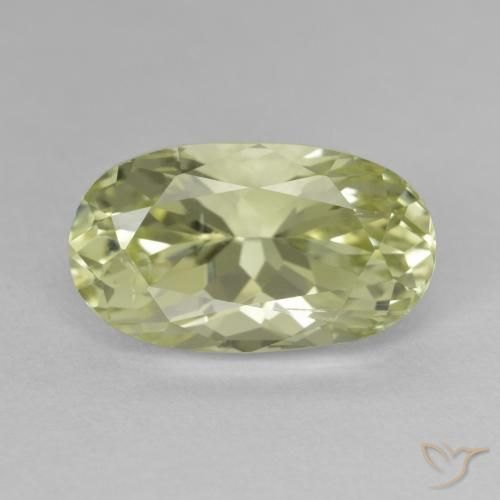
Hiddenite
Born in North Carolina pegmatites, hiddenite is the rare emerald-green variety of spodumene discovered by W. E. Hidden in the 1870s.
- Hiddenite was discovered by William Earl Hidden while prospecting for platinum for Thomas Edison.
- The town of Hiddenite in North Carolina is named after the stone rather than the other way around.
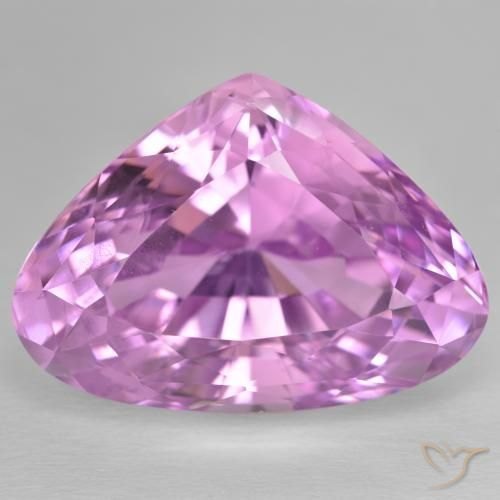
- Hiddenite and kunzite are both varieties of the lithium mineral spodumene.
- Hiddenite's green color can fade with prolonged UV exposure, unlike most other green gems.
- Spodumene crystals show strong cleavage in two directions, making hiddenite difficult to facet.
- Collectors seeking a rare American-origin gemstone with limited commercial supply
- Readers drawn to bright green heart chakra stones outside traditional emerald pricing
- Practitioners pairing hiddenite with kunzite as a spodumene family combination
- Gift buyers for a truly unusual specimen to mark a significant occasion
- Jewelry wearers who will use protective bezel settings to manage cleavage risk
- Buyers seeking daily-wear rings without careful settings (spodumene cleavage is pronounced)
- Shoppers on a budget looking for green stones (consider peridot or green tourmaline)
- Readers wanting large carat sizes (faceted hiddenite typically stays small)
What Is Hiddenite?
Hiddenite is the rare green variety of spodumene, a lithium aluminum silicate mineral colored by trace chromium. Its vivid emerald tones distinguish it from the related pink variety kunzite and from yellow, colorless, and lilac spodumene varieties. It rates 6.5 - 7 on the Mohs hardness scale.
The stone was named after William Earl Hidden, a mineralogist commissioned by Thomas Edison to prospect for platinum in North Carolina, who instead identified this new green spodumene in the 1870s.
At Mohs 6.5 to 7, hiddenite has moderate hardness but pronounced cleavage along two planes, meaning it can split easily under a sharp blow. This property makes the stone challenging for faceters and risky for ring mountings without protective bezel settings.
Its refractive index of 1.660 to 1.681 gives faceted hiddenite good brilliance when properly cut along the correct orientation.
The primary historical source is the Hiddenite area of Alexander County, North Carolina, where the mineral was first identified. Additional commercial sources include Brazil (Minas Gerais), Afghanistan, and Madagascar.
North Carolina hiddenite is the traditional collector benchmark, though fine material also comes from overseas sources. Chromium-bearing green spodumene is distinctly rarer than other spodumene varieties, and the stone's color can fade with prolonged UV exposure. Heat treatment is not used because it would destroy the color.
How Hiddenite Compares
| Property | Hiddenite | Emerald | Green Tourmaline |
|---|---|---|---|
| Hardness | 6.5 - 7 | 7.5 - 8 | 7 - 7.5 |
| Price / carat | $$ Mid-range | $$$ Premium | $$ Mid-range |
| Rarity | Very Rare | Moderate | Moderate |
| Best For | Collector specimens, pendants | Engagement, fine jewelry | Daily-wear rings |
Meaning and Symbolism
Hiddenite was only identified scientifically in the 1870s, so it lacks ancient folklore. Its meaning has been developed in modern crystal healing tradition around its chromium-green color, its heart chakra association, and its connection to the pink kunzite.
Together the two spodumene varieties are often called the stones of divine love, with hiddenite offering the masculine or active quality and kunzite offering the feminine or receptive.
Practitioners describe hiddenite as a stone of intellectual love and clear-minded compassion, with the green color linked to the heart chakra but in a cooler, more analytical tone than pure pink stones. Crystal workers often recommend hiddenite for readers who want to balance heart-opening work with rational discernment.
The stone is sometimes suggested for therapists, counselors, and teachers who need to feel deeply while maintaining professional composure.
The stone's American origin has made it a symbol of domestic gem heritage in collector circles, particularly for buyers interested in American-mined stones. North Carolina tourism markets hiddenite as a local treasure, and the town of Hiddenite in Alexander County hosts regular mineral events.
For metaphysical practice, the stone's rarity limits daily-wear use, and practitioners often treat hiddenite as a collector specimen or ceremony stone rather than an everyday companion.
Historical Timeline
Healing Tradition
Emotional
Practitioners believe hiddenite is a stone of intellectual love, traditionally associated with clear-minded compassion and heart-centered wisdom. In crystal healing tradition, it is said to support readers who need to feel deeply while maintaining analytical clarity, a combination often needed in caregiving, therapy, and teaching.
Many readers wear hiddenite as a pendant near the heart during professional engagements that require both emotional attunement and composed reasoning. Practitioners often pair hiddenite with its pink sibling kunzite to combine masculine and feminine heart energies, and with clear quartz for amplification.
Crystal workers typically describe hiddenite as a refined, steady presence rather than an emotionally dramatic one, which suits readers seeking balanced heart work. Because hiddenite is rare, many practitioners treat it as a ceremony or occasion stone rather than daily carry, reserving pieces for specific intention work or ritual periods.
Spiritual
In crystal healing tradition, hiddenite is linked specifically with the heart chakra, with its green color placing it alongside emerald and green aventurine in heart-centered work. Practitioners often describe hiddenite as a heart teacher stone, offering lessons in balanced love rather than simple emotional opening.
Many readers incorporate hiddenite into heart-centered meditation or relationship rituals.
The spodumene family association gives hiddenite a modern reputation for bridging mind and heart. Crystal workers sometimes use hiddenite in grids focused on forgiveness, emotional maturity, and releasing unhealthy relationship patterns.
Hiddenite pairs well with rose quartz for softer emotional work and with selenite for clarity of spiritual perception. Because of its rarity, hiddenite often serves as a focal stone rather than a volume crystal in grid work, and practitioners reserve cleansing methods that avoid prolonged UV exposure.
Physical
Practitioners believe hiddenite is traditionally associated with heart-muscle endurance, circulation, and what they describe as energetic balance through the chest and lungs. Folklore links the stone with recovery from grief-related physical tension, steady respiration during stress, and general heart-area vitality, framed as supportive companionship rather than medical care.
Many readers wear hiddenite as a pendant at the heart during recovery periods or demanding emotional seasons. The stone is not a substitute for healthcare and practitioners consistently describe its role as accompanying rather than treating.
Some crystal workers suggest hiddenite in grids for readers working through heart-chakra blockages manifesting as physical tension. Because hiddenite is rare and relatively fragile, direct-contact practices are limited to pendants and held meditation pieces rather than intensive elixir or grid work.
Zodiac, Birthstone and Gifts
Hiddenite is sometimes offered as a modern May alternative alongside emerald, and astrologers often pair it with Taurus for Venus rulership and with Leo for the sign's heart-centered warmth.
For Taurus readers, hiddenite is often recommended as a heart pendant for long-term relationship wisdom. Leo readers drawn to natural beauty tend to appreciate hiddenite's unusual origin and chromium green tone. Practitioners sometimes pair hiddenite with rose quartz for Taurus and with sunstone for Leo in zodiac jewelry kits.
Care and Cleansing
Hiddenite requires gentle cleansing because of its pronounced cleavage and color-fading tendencies. Warm soapy water with a soft brush is safe for brief cleaning, and the stone tolerates short lukewarm rinses. Avoid ultrasonic and steam cleaners, which can propagate along cleavage planes.
Salt water should be avoided on set pieces because of metal mounting concerns.
Moonlight is the preferred energetic cleansing method for hiddenite because it avoids UV exposure that can fade the color. Sound cleansing with a singing bowl is also safe. Brief smoke cleansing with palo santo or sage is acceptable.
Many practitioners rest hiddenite on selenite plates overnight as a gentle reset method that avoids all handling and light risks.
Sunlight should be limited because prolonged UV exposure can slowly fade hiddenite's characteristic green color. Brief indirect daylight is acceptable, but long storage in sunny windows, sunny dashboards, or extended sun baths is not recommended.
Most other spodumene varieties including kunzite share this color stability concern, and practitioners often store spodumene pieces in dark boxes between wearings.
- DO keep hiddenite out of prolonged direct sunlight to preserve green color.
- DO NOT use ultrasonic or steam cleaners on hiddenite because of cleavage risk.
- DO set hiddenite in protective bezel mountings rather than prong settings for rings.
- DO store hiddenite in a dark soft pouch away from sunny windows.
- DO NOT subject hiddenite to thermal shock or sharp impacts that could trigger cleavage.
- DO remove hiddenite rings before housework, gardening, or sports.
- Note: hiddenite is both rare and fragile; insurance and careful wear are recommended.
Real vs Fake
Genuine hiddenite shows a characteristic emerald to yellowish-green color produced by trace chromium, visible as strong pleochroism (color shift with viewing angle). The stone's refractive index of 1.660 to 1.681 and specific gravity of 3.15 to 3.21 confirm identification in gemological testing.
Under a 10x loupe, natural hiddenite often shows liquid inclusions and growth tubes characteristic of spodumene.
Common imitations and confusions include green tourmaline, peridot, green glass, and dyed quartz. Green tourmaline shows different pleochroism and higher refractive index. Peridot has distinctive olive-green tone and different crystal habit. Glass often shows gas bubbles and lacks pleochroism entirely.
Synthetic hiddenite is rare in the market because the cost of manufacture does not undercut natural material significantly. For significant purchases, a lab certificate from a recognized gemological laboratory confirms natural origin, chromium coloration, and absence of treatments. Reputable sellers disclose origin and handling recommendations, especially regarding UV light sensitivity.
Sri Lankan and North Carolina material commands top pricing.
Hiddenite Jewelry & Gifts
Hiddenite is a genuinely rare collector gem. Small faceted stones under one carat typically cost $200 to $500 per carat, while clean stones between one and two carats reach $500 to $1,500 per carat.
Larger stones above two carats, particularly with strong green saturation from North Carolina or Brazil, can command $1,500 to $4,000 per carat or more for top specimens. Mineral specimens in matrix are separately collectible and often valued similarly.
Treatment is not used on hiddenite because heating would destroy the color. For jewelry, focus on color saturation first (emerald-green is most desirable), eye-clean clarity, and well-executed cut that orients the stone to avoid cleavage-plane risks.
Ask reputable sellers about origin, any light-exposure history, and whether the stone has been tested for chromium content. Insurance coverage is recommended for significant pieces given the stone's combination of rarity and fragility.
Where to Buy Hiddenite
Affiliate disclosure: Some links below earn us a small commission at no extra cost to you. See our affiliate disclosure page.
Handmade, raw, and tumbled pieces from independent sellers worldwide.
Shop Hiddenite on Etsy →Accessories, tools, and specimen sets with fast Prime delivery.
Shop Hiddenite on Amazon →Certified loose gemstones graded and photographed for online buyers.
Shop Hiddenite on GemSelect →Pairs Well With




Where Hiddenite Is Found


