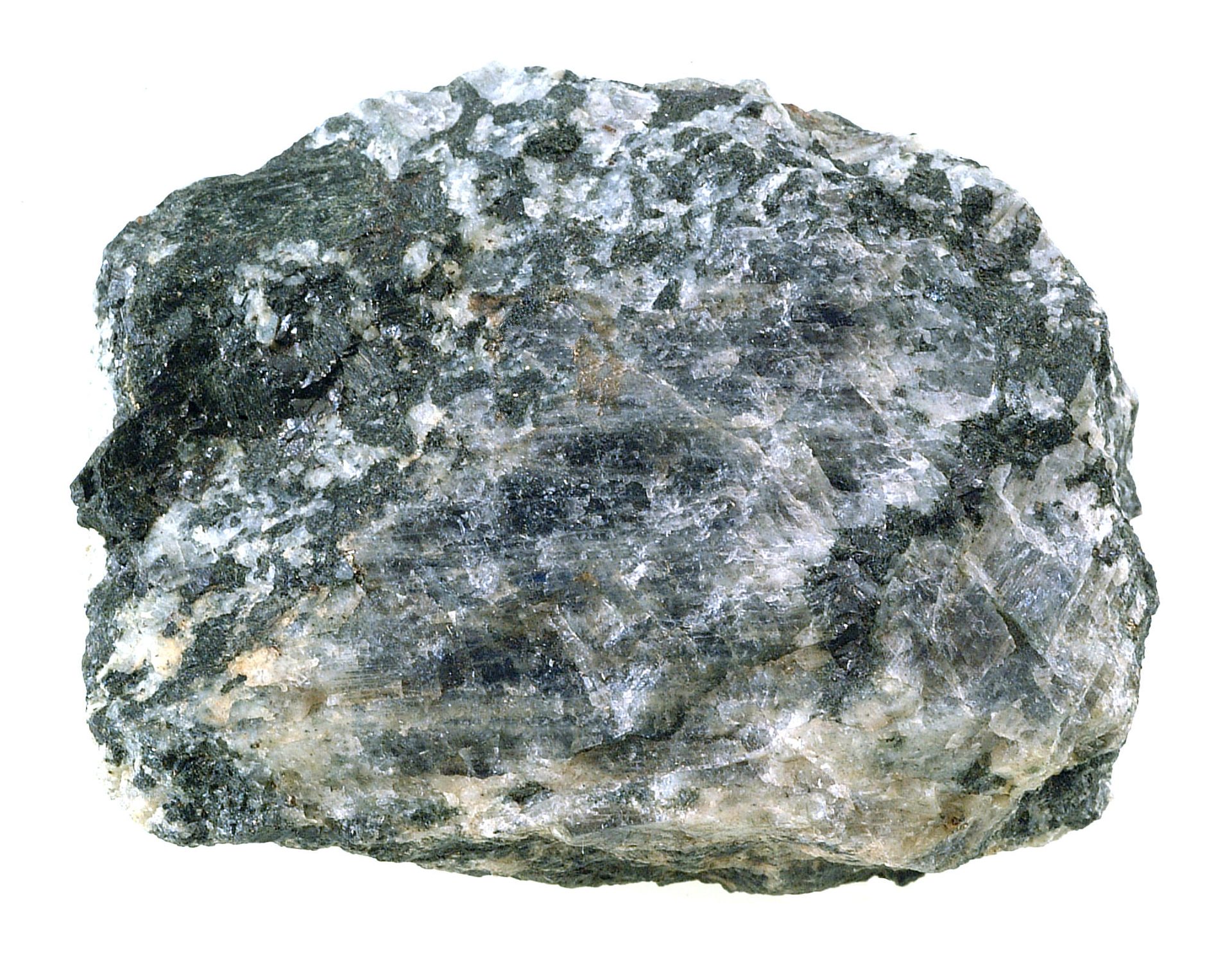
Hypersthene
Dark as moonless night with an inner copper-red shimmer, hypersthene is the grounding stone practitioners call the velvet labradorite -.
- Hypersthene's copper-red schiller is caused by microscopically thin platelets of ilmenite or hematite aligned along crystal cleavage planes.
- The stone was named in 1804 for being harder than hornblende - the name means above strength in Greek.
- Hypersthene is found in meteorites, making it one of the few gem minerals with an extraterrestrial occurrence.
- Labrador, Canada - the same region that gives labradorite its name - is also a primary source of quality hypersthene.
- The schiller in hypersthene shifts from invisible to vivid depending on the exact angle of lighting, making the stone appear to have an inner life.
- Crystal practitioners seeking a deeply grounding, quieting stone for meditation and inner work
- Collectors who love optical phenomena - hypersthene's copper schiller is unlike any other mineral effect
- Buyers looking for a dark, earthy companion stone for protection and Root chakra work at accessible prices
- Labradorite lovers who want a darker, more inward-facing version of the shimmer experience
- Anyone who finds lighter stones too stimulating and prefers a stone that feels anchoring and still
- Buyers wanting jewelry for daily ring wear - at Mohs 5-6, hypersthene is too soft for abrasive daily use
- Anyone expecting faceted gem brilliance - hypersthene is a cabochon and tumbled stone, not a faceted gem
- People drawn to bright, sparkling aesthetics - hypersthene is deliberately dark and introspective
What Is Hypersthene?
Hypersthene is a magnesium iron silicate mineral (Mg,Fe)SiO3 that belongs to the pyroxene group, specifically the orthopyroxene series. Its name comes from the Greek hyper (above) and sthenos (strength), referring to its hardness exceeding hornblende - a comparison mineral common when the stone was first classified in 1804.
Hypersthene forms in igneous and metamorphic rocks including norite, anorthosite, and gabbro, and in some high-grade metamorphic terrains where pyroxenes are stable.
The defining visual characteristic of hypersthene is its schiller - a metallic, copper-red to bronze shimmer that appears when light strikes the stone from certain angles. This effect is produced by extremely thin platelets of ilmenite (iron titanium oxide) or hematite aligned along crystal cleavage planes.
When these reflective platelets are parallel and densely distributed, the stone shows a vivid, shifting copper or bronze internal glow. In gemology this effect is called aventurescence in some stones; in hypersthene the specific variety of schiller is sometimes called hypersthene schiller.
Commercial gem-quality hypersthene is typically cut as cabochons or tumbled to smooth polished surfaces that best display the schiller. The body color ranges from very dark gray-brown to black, sometimes with greenish or warm brown tones depending on the iron-to-magnesium ratio.
Specimens with strong, vivid copper schiller against a dark body are the most prized by collectors. Canada's Labrador region, Norway's Egersund area, and Greenland are primary sources of fine material.
Hypersthene vs Labradorite vs Black Moonstone
| Property | Hypersthene | Labradorite | Black Moonstone |
|---|---|---|---|
| Optical effect | Copper-red metallic schiller | Blue-green-gold labradorescence | White or silver adularescence |
| Hardness | 5 - 6 | 6 - 6.5 | 6 - 6.5 |
| Price / carat | $ Budget | $ Budget | $ Budget |
| Body color | Very dark brown to black | Gray to dark gray | Dark gray to black |
| Best For | Grounding, Root chakra, collector | Third Eye, psychic, labradorescence | Feminine, moon energy, balance |
Meaning and Symbolism
Hypersthene has been called the velvet stone or magic stone in crystal healing circles - names that reflect its unusual combination of darkness, depth, and inner luminosity. The stone does not announce itself loudly; its schiller is subtle and directional, revealed only to those who look carefully and from the right angle.
Practitioners interpret this quality as the stone's symbolic invitation to cultivate inner quietness and attentiveness - to turn the gaze inward rather than outward.
In crystal healing tradition, hypersthene is strongly associated with the Root and Third Eye chakras - an unusual pairing that practitioners describe as the stone's capacity to simultaneously ground and open inner vision.
Is said to create a state of grounded clarity: feet on the earth, attention turned inward with quiet focus rather than scattered awareness. Many describe working with hypersthene as entering a particular kind of meditative state that is both deeply still and acutely perceptive.
Hypersthene carries no ancient gem tradition - it was scientifically classified only in 1804 and has entered spiritual practice primarily through the modern crystal healing movement. Without the weight of prescribed ancient symbolism, practitioners approach it directly, finding their own meanings in its dark quietness and copper shimmer.
Many describe it as a stone that speaks differently to different people, offering whatever quality of inner resource the practitioner most needs: rest, clarity, courage, or simply stillness.
Historical Timeline
Healing Tradition
Emotional
Practitioners believe hypersthene is one of the most deeply quieting of all crystal healing stones - a stone that creates inner stillness rather than stimulation.
Many who work with it describe its effect as a felt sense of the nervous system slowing and settling, emotional chatter quieting, and a gentler, more spacious awareness emerging.
Is said to be particularly helpful for people dealing with overwhelm, anxiety, or the kind of mental noise that makes sleep or deep focus difficult. Crystal wellness guides often recommend hypersthene as a bedside stone for those who struggle to rest, suggesting its grounding energy creates a sanctuary of quiet.
Spiritual
In crystal healing tradition, hypersthene is associated with the Third Eye chakra's capacity for inner vision and the Root chakra's grounding quality - a combination that creates what practitioners call grounded inner sight.
Is said to support deep meditation by simultaneously anchoring the practitioner in the body and opening the inner perceptive faculties that access intuition, dream wisdom, and spiritual guidance.
Many describe it as a stone for the inward journey - not the visionary, expansive type of Third Eye experience, but the quiet, still, internal variety that reveals wisdom gradually rather than dramatically.
Physical
While no gemstone replaces medical care, practitioners traditionally link hypersthene to the nervous system and the body's capacity for restful sleep and physical recovery.
Many who work with earth-element dark stones find placing them near the bed or under the pillow helps establish a quieter, more receptive physical state for sleep.
Is said in crystal wellness tradition to support the body's natural recovery processes and to reduce the physical tension associated with chronic stress and mental overactivity. These are traditional and personal spiritual associations, not clinical claims.
Zodiac, Birthstone and Gifts
Hypersthene's dark, introspective character resonates most strongly with the water and earth signs that value depth, stillness, and the wisdom that comes from turning inward.
Scorpio (October 23 - November 21), the sign of transformative depth and penetrating inner vision, resonates with hypersthene's Root and Third Eye combination and its copper shimmer that rewards patient attention. Capricorn (December 22 - January 19) connects through the stone's earth-element grounding and its association with patient, sustained inner work.
Virgo (August 23 - September 22) is linked to hypersthene through the stone's quiet, analytical quality - a gem that rewards close attention rather than first impressions. Many crystal practitioners recommend hypersthene for Scorpio in particular, whose intensity and emotional depth the stone's grounding, quieting energy complements rather than amplifies.
The stone asks you to slow down - a useful counterbalance for Scorpio's sometimes overwhelming internal world.
Care and Cleansing
Hypersthene requires careful cleansing because of its relatively soft structure and sensitivity to moisture. Avoid water-based cleansing as the stone can absorb water and show surface marking over time. Sound cleansing (singing bowl, bells) is the safest and most effective method for regular use.
Moonlight on a dry surface is a traditional and appropriate option for this inward, nocturnal stone.
Selenite plate cleansing is ideal for hypersthene - simply rest the stone on selenite overnight to clear its energy without any risk of moisture or chemical exposure. Smoke cleansing (sage, palo santo) is another safe option that many practitioners prefer for dark earth-element stones.
Avoid salt and salt water cleansing methods, which can penetrate the surface and affect the stone's appearance over time.
- DO NOT clean with water or submerge in liquid - hypersthene is relatively porous and sensitive to moisture at Mohs 5-6.
- DO store wrapped in soft cloth, away from harder stones that scratch easily.
- DO NOT use ultrasonic or steam cleaners - vibration and heat can damage the cleavage planes that create the schiller effect.
- DO handle with care - hypersthene has perfect cleavage in one direction that can cause unexpected splitting under impact.
- DO keep away from prolonged salt exposure - salt penetrates micro-surfaces over time.
- DO avoid wearing in rings for daily activities; protect cabochon-cut specimens in bezel settings if used in jewelry.
Real vs Fake
Hypersthene is distinctive enough that outright faking is uncommon, but misidentification with other dark schiller minerals is possible. The most likely confusion is with labradorite (showing a different color of labradorescence - blue-green-gold rather than copper-red), astrophyllite (rarer, with gold-bronze shimmer), and bronzite (a related pyroxene with more golden-bronze schiller).
The copper-red direction and quality of hypersthene's schiller is diagnostic once you have compared examples directly.
Under magnification, hypersthene shows its characteristic lamellar inclusions - thin parallel platelets visible as the source of the schiller effect. The refractive index (1.650 to 1.730) and specific gravity (3.4 to 3.5) are measurable by standard gemological instruments.
Labradorite shows lower RI and different optical behavior; bronzite shows similar RI but different pleochroism.
For collectors seeking specific provenance (Canadian Labrador vs Norwegian Egersund), laboratory spectroscopy is the only reliable origin determination method. Most commercially available hypersthene does not carry origin documentation; purchase from dealers who directly source and identify their specimens.
The schiller effect itself is the most reliable field identifier - no common simulant replicates hypersthene's specific copper-red metallic internal glow.
Hypersthene Jewelry & Gifts
Hypersthene is generally affordable - tumbled specimens start at a few dollars each; quality cabochons with strong schiller range from $5 to $50 per carat. Exceptional large display pieces with vivid, vivid copper shimmer and clean surface finish command higher prices from specialty dealers.
The stone's relative affordability makes it an excellent entry point for collectors interested in optical phenomenon minerals.
Purchase from mineral and crystal dealers who specifically identify their hypersthene and distinguish it from similar species. Photographs rarely capture the full beauty of the schiller - if buying online, look for video demonstrations showing the stone rotated under light.
In-person evaluation at gem shows or mineral fairs allows direct comparison of schiller quality across multiple specimens. Choose stones with the most vivid, well-defined copper shimmer visible from a clear directional light source.
Where to Buy Hypersthene
Affiliate disclosure: Some links below earn us a small commission at no extra cost to you. See our affiliate disclosure page.
Handmade, raw, and tumbled pieces from independent sellers worldwide.
Shop Hypersthene on Etsy →Accessories, tools, and specimen sets with fast Prime delivery.
Shop Hypersthene on Amazon →Certified loose gemstones graded and photographed for online buyers.
Shop Hypersthene on GemSelect →Pairs Well With


Where Hypersthene Is Found


