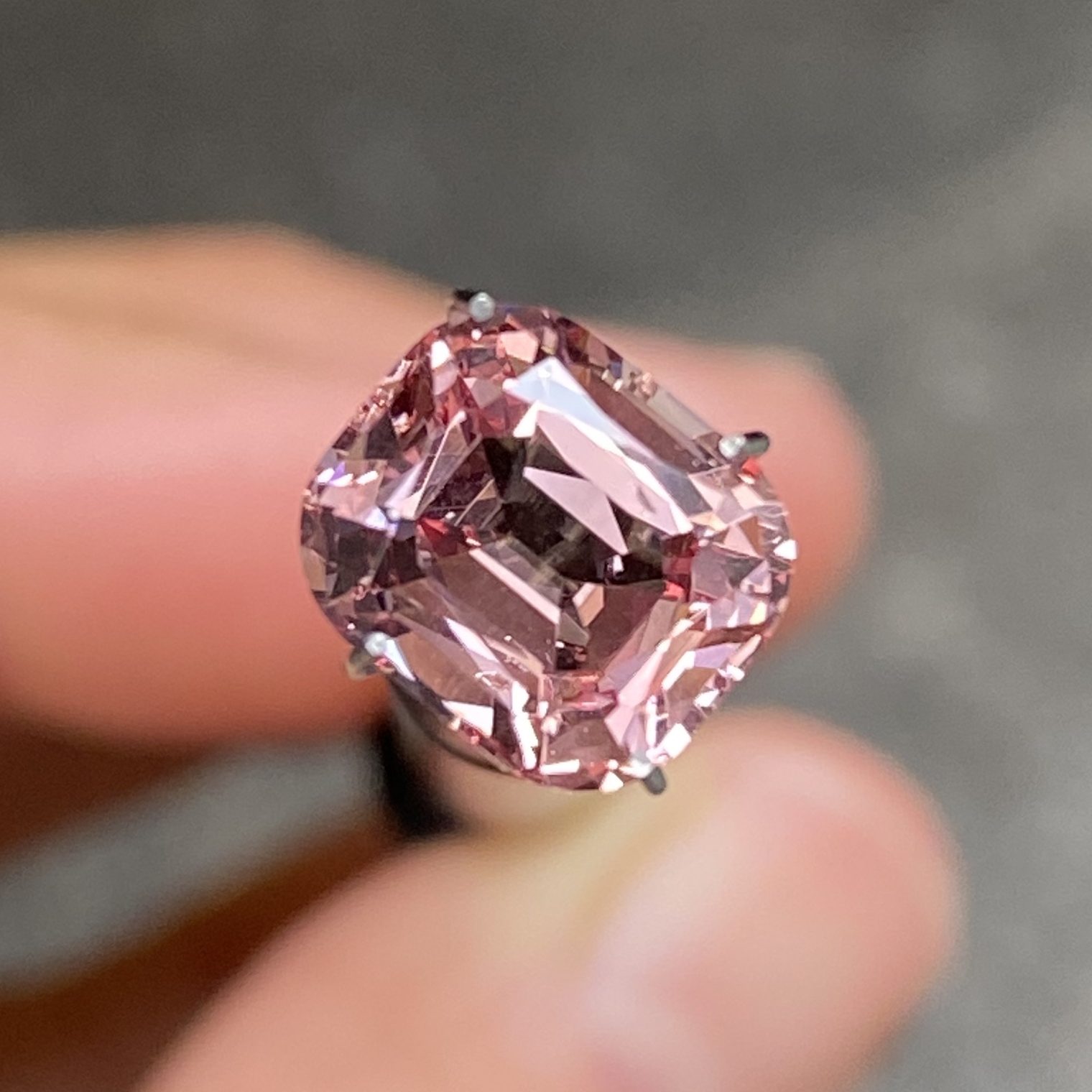
Malaya Garnet
Malaya garnet glows in warm peach-to-orange hues that feel like a late-afternoon sunset - rare, lively, and irresistibly wearable.
- The name 'malaya' means 'outcast' in Swahili - it was given by frustrated gem traders who couldn't classify the unusual orange-pink garnets into any established category.
- Malaya garnet is naturally a three-component gem: its color comes from a blend of pyrope, spessartine, and grossular that doesn't occur in any of the pure garnet end-members.
- Some malaya garnets show a subtle color change between daylight and incandescent light, adding a minor bonus optical phenomenon to their already distinctive color.
- The Umba Valley in Tanzania is remarkable for producing multiple rare gemstone varieties from the same alluvial deposits: color change garnet, malaya garnet, and unusual sapphires all come from the same river system.
- Unlike many garnets, fine malaya specimens are almost never heated or otherwise treated, making them among the genuinely natural, unenhanced gemstones in the collector market.
- Collectors seeking the rarest and most unusual garnet family varieties
- Fine jewelry buyers who love the peachy-orange spectrum but want something more distinctive than padparadscha
- Sacral and solar plexus chakra workers seeking a warm, creatively energizing natural gemstone
- Leo and Aries individuals drawn to garnet's fire and the orange spectrum's solar energy
- Anyone who appreciates unusual East African gems with interesting geological stories
- Budget shoppers - quality malaya garnets start at $100 per carat; consider hessonite for a budget orange garnet
- Daily-wear ring buyers needing Mohs 8+ - malaya garnet is better in pendants or protected ring settings
- Anyone seeking a classic deep red garnet - malaya's pinkish-orange is a very different aesthetic
What Is Malaya Garnet?
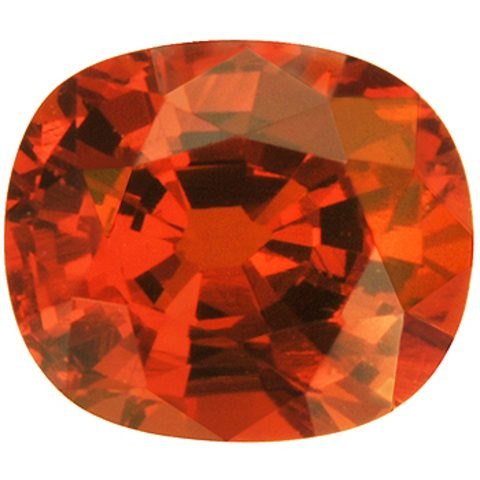
Malaya garnet (also spelled 'malaia') is a variety of garnet found in Tanzania's Umba Valley and neighboring Kenyan deposits, characterized by warm pinkish-orange, peach, orange, or salmon colors that place it between hessonite and spessartine on the garnet color spectrum. It rates 7 - 7.5 on the Mohs hardness scale.
The name comes from the Swahili word “malaya,“ meaning “out of the family” or “outcast” - a reference to the stone's unusual composition that didn't fit neatly into recognized garnet categories when first discovered.
Compositionally, malaya garnet is a complex blend of pyrope, spessartine, and occasionally grossular components, with trace iron and manganese producing its distinctive warm color palette. This unusual multi-end-member composition is what gives malaya its unique color range not seen in any single garnet end-member.
The stones are entirely natural and almost never treated, making them prized in collector circles for their authenticity.
Malaya garnets range from light champagne-peach through warm salmon and orange to reddish-orange. Some specimens show a slight color shift between daylight and incandescent light, appearing slightly more orange in warm light and more peachy or pink in cool daylight.
The finest examples have vivid saturation, excellent transparency, and the characteristic warm “inner glow” that distinguishes quality garnets from duller material.
How Malaya Garnet Compares
| Property | Malaya Garnet | Hessonite Garnet | Orange Sapphire |
|---|---|---|---|
| Hardness | 7 - 7.5 | 7 - 7.5 | 9 |
| Price / carat | $$ Mid-range | $ Budget | $$ Mid-range |
| Color | Peach to orange-pink | Orange-brown | Pure orange to amber |
| Best For | Collector, fine jewelry | Spiritual, budget | Fine jewelry, durable |
Meaning and Symbolism
Malaya garnet carries the warmth and life-affirming energy of the garnet family amplified through the creative, joyful qualities of the orange-peach color spectrum. The name itself carries a kind of outsider wisdom - the “outcast” stone that didn't fit existing categories turned out to be something rare and valuable, a reminder that what doesn't conform to existing frameworks often has something uniquely worth knowing.
In the broader garnet tradition, these stones have been associated with warmth, vitality, and the generosity of the sun since antiquity. East African garnet varieties in the orange-red spectrum carry additional associations with the vibrant creative culture of the Umba Valley region.
Centuries of mineral discovery have connected the land to a rich trading and artistic heritage.
Contemporary crystal practitioners associate malaya garnet with the sacral and solar plexus chakras, believing it supports creative confidence, joyful self-expression, and the warm magnetism that draws people and opportunities toward an open, enthusiastic presence.
Many find it particularly useful for those rebuilding creative confidence after setbacks, suggesting its warm glow is both encouraging and energizing.
Historical Timeline
Healing Tradition
Emotional
Practitioners believe malaya garnet's warm peach-orange energy addresses emotional warmth and the courage to be openly creative without self-censorship. Crystal healing tradition associates it with the sacral chakra's gift of authentic self-expression combined with the solar plexus's confident self-assertion.
Many find that working with malaya garnet during creative drought or emotional withdrawal brings a felt warmth to the center of the body - a gentle invitation to open rather than contract.
It is said to support social and creative confidence, the willingness to show up fully and enthusiastically even when the outcome is uncertain. Its energy is described as warm and encouraging rather than pushing or demanding.
Spiritual
In crystal healing tradition, malaya garnet carries the spiritual energy of joyful participation - the understanding that genuine engagement with life, in all its creative richness, is itself a form of spiritual practice.
Practitioners believe it supports those who have spiritualized themselves out of enjoying physical and creative existence, reminding them that presence, sensory engagement, and creative delight are as spiritually valid as meditation or service.
It is associated with the sacral chakra's spiritual dimension: the joy of creation as a participation in the universe's own creative nature. Many find malaya garnet particularly supportive during phases of rebuilding a creative practice after a period of retreat, loss, or suppression.
Physical
Crystal healing tradition associates malaya garnet with the sacral region and its physical correspondences: the lower abdomen, reproductive and creative systems, and the kidneys and lower back. As with all garnet varieties, it is traditionally associated with the blood and circulatory vitality in an energetic context.
Some practitioners place it over the sacral chakra during relaxation or energy healing sessions focused on creative vitality or physical enthusiasm for daily activities. Always consult qualified medical professionals for health concerns.
Zodiac, Birthstone and Gifts
Leo, ruled by the Sun and associated with warm, generous creative self-expression, finds in malaya garnet an ideal companion for its most joyful energy.
Practitioners believe the stone amplifies Leo's natural magnetism and gift for creating environments of warmth and beauty, while garnet's grounding energy helps Leo's enthusiasm translate into sustained creative output rather than intermittent brilliance.
Aries benefits from malaya garnet's combination of passionate fire and warm creative encouragement. Crystal healers suggest Aries use it when launching creative projects that require both the sign's characteristic bold initiation and the sustained warmth of ongoing creative investment - providing the gentle orange glow of continuing enthusiasm to complement Aries' explosive ignition energy.
Care and Cleansing
Malaya garnet is safe for water cleansing, brief salt, sunlight, and moonlight. Warm soapy water and a soft brush is the standard jewelry cleaning method and removes surface oils and grime without risk. Avoid ultrasonic cleaning on significantly included specimens.
Energetically, sunlight charging is particularly resonant given malaya's solar color and fire element associations. A morning of sunlight charging on a windowsill - ideally in the golden hour around sunrise - is a beautiful and effective energetic renewal practice. Smudging with sandalwood or orange blossom incense is a fragrant alternative.
- DO NOT use ultrasonic cleaners on included or fractured specimens.
- DO store away from diamonds and sapphires that can scratch garnet's surface.
- NOTE: Best in pendants or earrings for daily wear; rings require a protective setting.
- DO clean with warm soapy water and a soft brush.
- NOTE: Evaluate color in both daylight and indoor light - some specimens show slight color variation.
- DO request origin documentation; Umba Valley material carries a market premium.
Real vs Fake
Malaya garnet is rarely faked directly, but it can be confused with hessonite garnet, spessartine, orange sapphire, or orange topaz. A refractometer test distinguishes garnet (singly refractive, RI 1.74 to 1.78) from sapphire (doubly refractive, RI 1.762 to 1.770) and topaz (doubly refractive, RI 1.619 to 1.627).
Garnet's single refraction is a distinctive and quickly verified property.
The specific identification of malaya garnet (versus hessonite or spessartine) requires spectroscopic analysis to confirm the multi-end-member composition. A gemological laboratories or other laboratory report confirming the species is the most reliable documentation for investment-grade purchases. For most collector purchases, a reputable mineral dealer's identification with Umba Valley provenance documentation is sufficient.
Because malaya garnet is almost universally untreated, any claim of untreated status is plausible and does not require extraordinary verification - this is one of the simpler gem purchases in terms of treatment concern, though origin documentation for premium-priced specimens is always valuable.
Malaya Garnet Jewelry & Gifts
Malaya garnet occupies a mid-tier price range reflecting its genuine rarity without the extreme premiums of blue diamond or alexandrite. Commercial-grade material with good color sells for $100 to $200 per carat. Fine vivid orange-pink specimens with excellent clarity and strong saturation command $300 to $500 per carat from specialist dealers.
The most desirable hues are vivid, balanced peach-orange with minimal brown or yellow modifier. The “sunset orange” and “warm peach” descriptions favored by dealers indicate the color sweet spots that command maximum value. Highly included or brownish material drops significantly in value.
Purchase from specialist East African gem dealers or established mineral shows (Tucson, Las Vegas) where origin documentation is standard. Request confirmation that the stone has not been treated - not because treatment is common, but because untreated status is one of malaya's key values and worth confirming explicitly.
Where to Buy Malaya Garnet
Affiliate disclosure: Some links below earn us a small commission at no extra cost to you. See our affiliate disclosure page.
Handmade, raw, and tumbled pieces from independent sellers worldwide.
Shop Malaya Garnet on Etsy →Accessories, tools, and specimen sets with fast Prime delivery.
Shop Malaya Garnet on Amazon →Certified loose gemstones graded and photographed for online buyers.
Shop Malaya Garnet on GemSelect →Pairs Well With


Where Malaya Garnet Is Found


