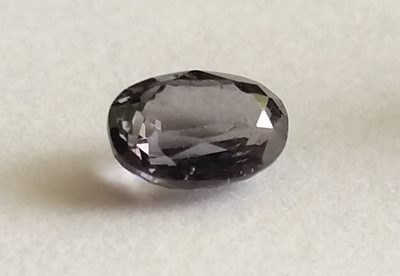
Musgravite
First identified in 1967 in the Musgrave Ranges of South Australia, musgravite is among the rarest oxide gems ever cut.
- Musgravite is so rare that for decades many stones sold as musgravite turned out to be taaffeite after lab retesting.
- The two species can only be reliably separated by advanced techniques such as Raman spectroscopy or precise specific gravity measurement.
- Total world production of gem-quality musgravite is estimated at well under 1,000 carats across all sizes.
- The species was renamed magnesiotaaffeite-6N'3S by the IMA in 2008, though musgravite remains the standard trade name.
- Musgravite was discovered the same year as the Beatles released Sgt. Pepper's Lonely Hearts Club Band, which gives a sense of how recent gem-grade collecting is.
- Serious collectors seeking one of the world's rarest faceted gems
- Investors interested in ultra-rare colored stones with documented provenance
- Practitioners drawn to high-vibration crown chakra work with a unique stone
- Aquarius readers seeking a personal talisman tied to Uranian energy
- Buyers willing to spend premium prices for verified gemological lab certification
- Anyone seeking a recognizable mainstream gemstone (try sapphire or amethyst)
- Buyers under $5,000 (consider taaffeite, spinel, or fine purple sapphire)
- Practitioners wanting an everyday-wear daily talisman (try amethyst or fluorite)
What Is Musgravite?
Musgravite, formally called magnesiotaaffeite-6N'3S in modern IMA nomenclature, is one of the rarest gem-quality minerals on Earth. It is a beryllium-magnesium-aluminum oxide closely related to taaffeite, with which it was confused for decades because the two minerals share crystal structure and overlapping properties. It rates 8 - 8.5 on the Mohs hardness scale.
Distinguishing musgravite from taaffeite typically requires advanced lab testing such as Raman spectroscopy or precise specific gravity measurement.
The species was first identified in 1967 in the Musgrave Ranges of South Australia, where the original specimens were found in metamorphosed dolomitic rocks. Gem-quality material was not recovered until decades later, primarily from the gem gravels of Sri Lanka and the deposits of southern Tanzania.
Total worldwide production of faceted musgravite is estimated at fewer than two hundred stones above one carat.
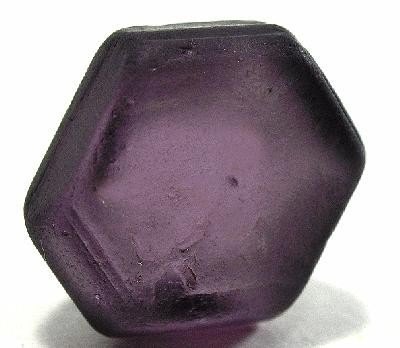
Color ranges from pale gray-green to violet-gray, with the most prized stones showing a pure violet-purple tone. The IMA symbol for the species group is Tff for the taaffeite group. Musgravite forms in metamorphic environments where beryllium-rich fluids interact with magnesium-aluminum-bearing rocks, conditions that occur in only a handful of locations worldwide.
Most cut stones are small, typically under two carats. Musgravite has a hardness of 8 to 8.5 on the Mohs scale, which makes it durable enough for jewelry, though its rarity means almost all stones go directly into collector vaults rather than rings.
How Musgravite Compares
| Property | Musgravite | Taaffeite | Purple Sapphire |
|---|---|---|---|
| Hardness | 8 - 8.5 | 8 - 8.5 | 9 |
| Price / carat | $$$$ Luxury | $$$$ Luxury | $$$ Premium |
| Rarity | Extremely rare | Very rare | Rare |
| Best For | Investment, collection | Collection | Jewelry, investment |
Meaning and Symbolism
Musgravite carries no ancient mythology because it was unknown until 1967, but the modern collector tradition treats it as a stone of rarity, focus, and dedicated pursuit. Practitioners believe its scarcity itself carries meaning: the gem is associated with patience, careful research, and reverence for the long timescales of geological formation.
Many collectors describe acquiring a musgravite as a milestone of years rather than months.
Because the species was named for a remote Australian mountain range sacred to the Anangu people, contemporary practitioners often note the stone's connection to deep land and protected places.
The Musgrave Ranges sit in a culturally sensitive region of South Australia, and modern gem buyers increasingly value provenance information that respects this context. The original 1967 type specimens are housed in the South Australian Museum and remain a reference for all later finds.
In modern crystal practice, musgravite is traditionally associated with the higher chakras and with refined, contemplative spiritual work. Practitioners believe the stone supports clear seeing, mental discipline, and the kind of long-term attention required for serious meditation.
It has long been used by readers building a small collection of personal talismans, with the stone treated as a focal point for deep practice rather than an everyday carry.
Historical Timeline
Healing Tradition
Emotional
Practitioners believe musgravite is a stone of rarity awareness, patience, and focused dedication. In crystal healing tradition, it is said to support readers who feel called to pursue an unusual path or commit to a long, slow-burning project that the world does not immediately recognize.
Many find it useful during periods of building toward a personal milestone that requires years of preparation.
The stone has long been associated with the principle that what is valuable is often hidden, and practitioners use it as a reminder to honor unseen work. It is sometimes recommended for readers prone to comparison or impatience with their own slow progress.
Because genuine musgravite is so rare and expensive, the stone is naturally reserved for milestone moments and special meditation work, which contributes to its reputation as a gem of patient devotion rather than a casual daily carry.
Spiritual
Musgravite is traditionally associated with the crown and third eye chakras in modern crystal practice. Practitioners believe its violet-gray color resonates with refined mental work, careful discernment, and the capacity to hold subtle distinctions. It has long been recommended as a focal stone for advanced meditation rather than as a beginner's tool.
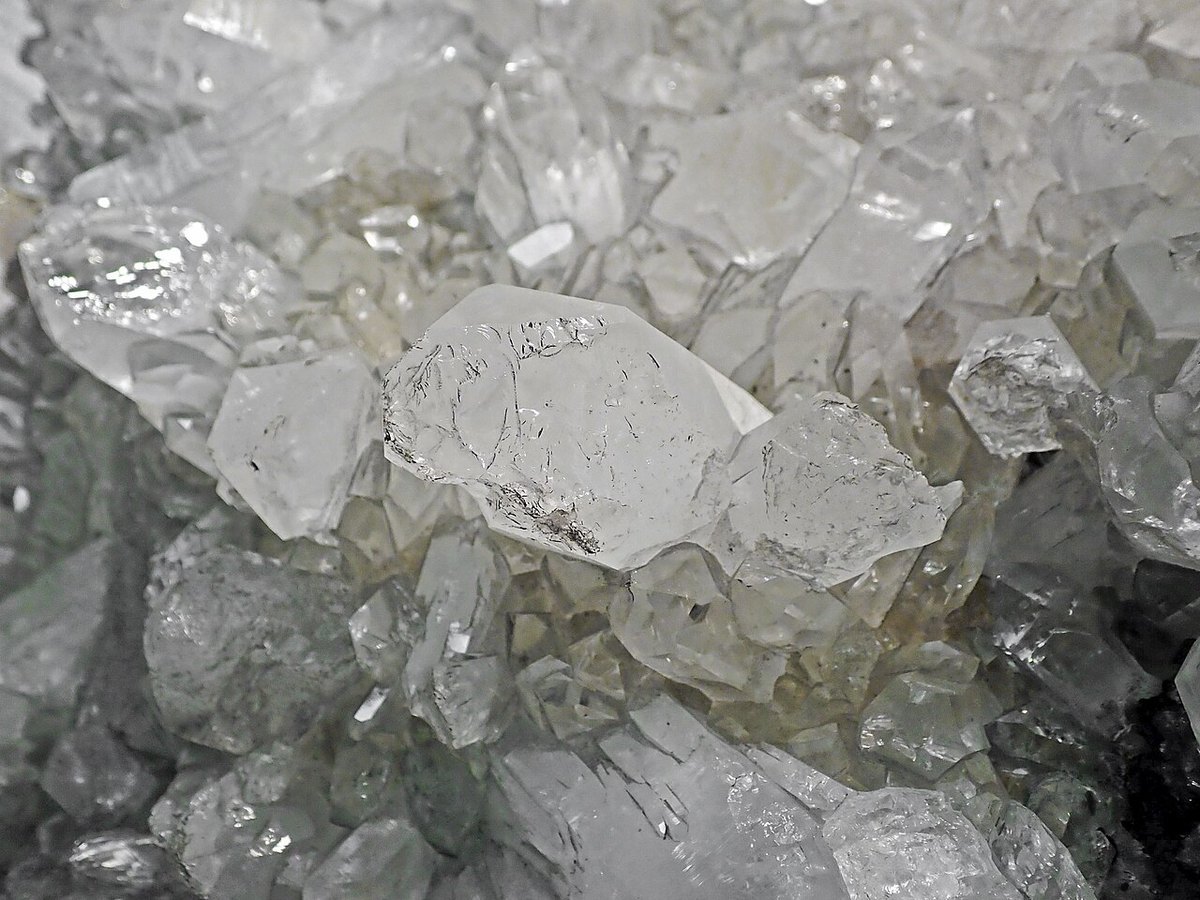
Many find musgravite useful for pursuits that require sustained attention over years, including academic research, spiritual training, or any practice in which incremental progress matters more than dramatic insight. The stone pairs well with clear quartz for amplification and with amethyst for traditional crown work.
Because faceted musgravite is so small and so rare, practitioners typically reserve it for ritual contexts rather than continuous wear, treating the stone as a centerpiece for occasional deep practice rather than a daily companion.
Physical
Practitioners believe musgravite supports what they describe as the body's capacity for sustained mental concentration. Folklore is sparse because the stone was unknown until 1967, so most physical-association traditions have been built up over the past three decades within modern crystal healing communities.
It is sometimes recommended for readers managing long-term mental fatigue or burnout from intensive intellectual work.
The stone is traditionally associated with the head and the upper chakras in current practice, and is sometimes used in meditation work focused on clarity, vision, and discernment. Musgravite is not a substitute for medical care, and practitioners are careful to frame its role as supportive rather than curative.
Because genuine musgravite is so expensive, most readers who want similar physical-association energy at a more accessible price consider amethyst or fluorite as practical alternatives.
Zodiac, Birthstone and Gifts
Musgravite is most often associated with Aquarius in modern crystal astrology because of its connection to Uranus, the planet of innovation, rarity, and unconventional pursuit. Practitioners believe the stone resonates with Aquarius readers drawn to obscure knowledge and long-term, future-facing work.
It has long been suggested as a personal talisman for collectors and researchers born under the sign.
Pisces is the secondary association because of musgravite's gray-violet color and its traditional connection to refined spiritual work. Astrologers sometimes recommend the stone for Pisces readers building a sustained meditation or contemplative practice, though the stone's price means it is rarely a first recommendation.
Care and Cleansing
Musgravite tolerates most gentle cleansing methods, but its high value means owners typically minimize handling. A soft dry cloth wipe is usually sufficient between uses, with a brief lukewarm soapy water rinse reserved for occasional deeper cleaning. Avoid ultrasonic and steam cleaners, which can stress any internal fissures and damage prong settings.
Energetic cleansing with smoke from sage, palo santo, or cedar is widely used and considered safe. Sound cleansing with a singing bowl works well, and brief moonlight exposure is the most aligned method for the stone's reflective character.
Sunlight is acceptable for short periods. Avoid salt of any kind, since saltwater can dull polish and corrode settings, and most musgravite owners are protective of their stones against any harsh treatment.
- DO store musgravite in a velvet-lined box or sealed display case to prevent scratches and theft.
- DO NOT use ultrasonic or steam cleaners on musgravite, especially set stones.
- DO request a reputable independent gemological lab certificate for any stone above one carat.
- DO NOT confuse musgravite with taaffeite; the species are visually similar and require lab confirmation.
- DO insure musgravite jewelry separately given the per-carat value.
- DO ask the seller for documented chain of custody and origin information.
- Note: stones marketed as musgravite without lab certification are frequently misidentified taaffeite.
Real vs Fake
Genuine musgravite shows pale gray-violet color and a refractive index of 1.719 to 1.730, with specific gravity between 3.65 and 3.78. Under magnification you may see typical inclusions such as fingerprint patterns or fine fluid channels.
The species is so rare that the most common identification problem is not outright fakery but confusion with taaffeite, which has overlapping properties and was historically sold under the musgravite name before lab testing matured.
Reliable separation from taaffeite typically requires Raman spectroscopy or careful specific gravity measurement, both of which are performed by reputable gemological labs. A reputable lab certificate from a major laboratory is mandatory for any high-value purchase.
Common substitute stones include purple sapphire, light amethyst, and synthetic spinel; none of these match musgravite's specific gravity range, which a trained gemologist can measure within an hour.
At home identification is essentially impossible for non-specialists, since musgravite shares too many surface characteristics with related stones. The single most important step for any buyer is to insist on lab documentation that explicitly identifies the species using current IMA nomenclature, including the magnesiotaaffeite-6N'3S designation.
Watch for online listings under $1,000 per carat claiming musgravite; almost all such stones are misidentified taaffeite, purple spinel, or synthetic substitutes priced as the rarer species.
Musgravite Jewelry & Gifts
Musgravite is among the most expensive faceted gems on the market by carat. Small stones under one carat typically run $3,000 to $8,000 per carat, and stones from one to three carats reach $8,000 to $20,000 per carat. Larger fine specimens above three carats can exceed $35,000 per carat at auction.
Color, clarity, and documented species identification are the main price drivers, and stones with vivid violet-purple color command the steepest premiums.
Lab certification is mandatory. Without a reputable independent gemological lab report identifying the stone as magnesiotaaffeite-6N'3S, the purchase carries serious misidentification risk. Reputable dealers always include current lab paperwork from a major gemological laboratory and disclose any treatments, though musgravite is typically untreated.
Sri Lankan and Tanzanian material dominates the market, with Sri Lankan stones generally favored for color quality. Buyers should also confirm provenance and chain of custody, since the original Australian deposit is in a culturally sensitive area where modern collection is restricted.
Where to Buy Musgravite
Affiliate disclosure: Some links below earn us a small commission at no extra cost to you. See our affiliate disclosure page.
Handmade, raw, and tumbled pieces from independent sellers worldwide.
Shop Musgravite on Etsy →Accessories, tools, and specimen sets with fast Prime delivery.
Shop Musgravite on Amazon →Certified loose gemstones graded and photographed for online buyers.
Shop Musgravite on GemSelect →Pairs Well With


Where Musgravite Is Found


