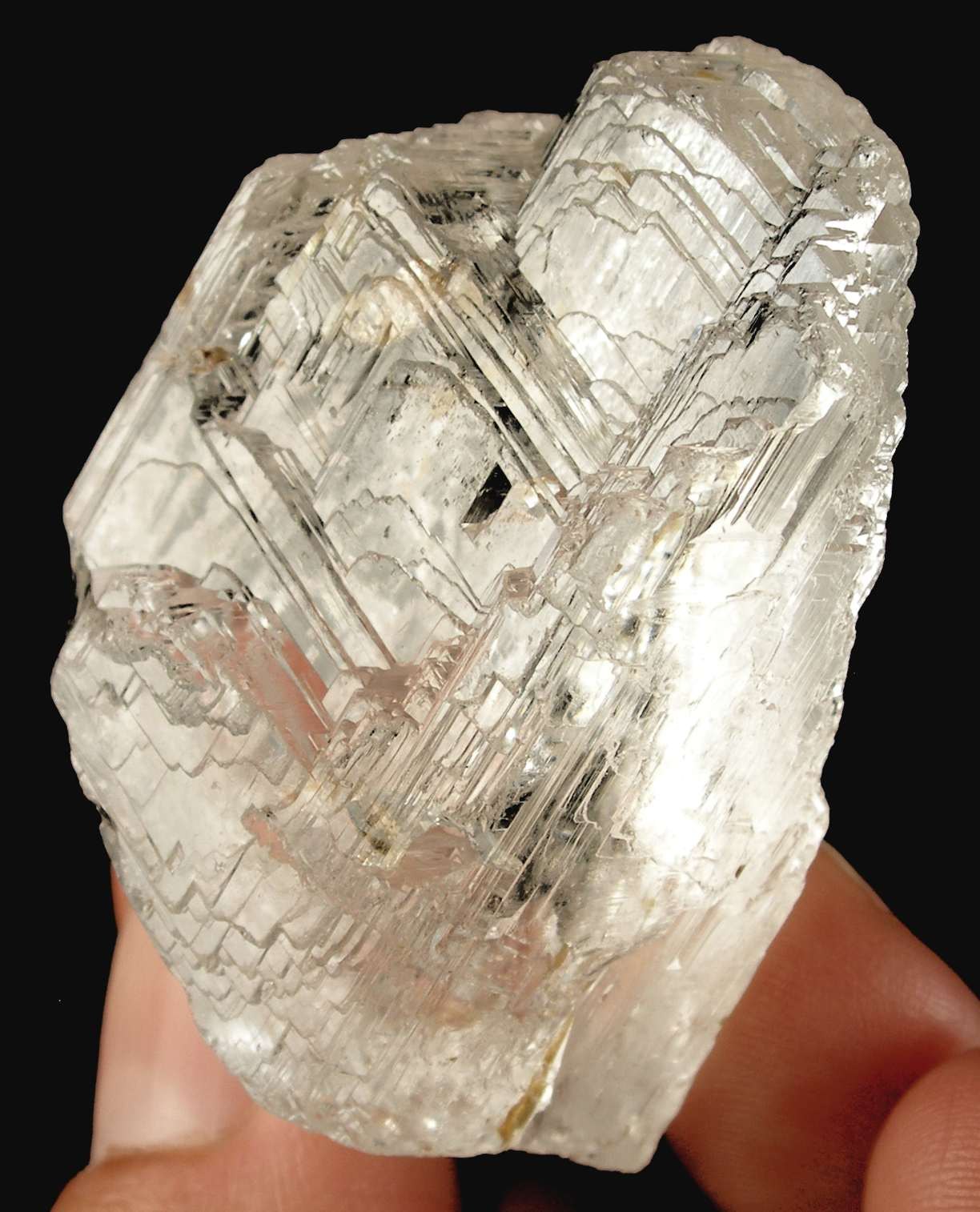
Phenakite
A rare colorless beryllium silicate celebrated by metaphysical practitioners as one of the highest-vibration crystals known.
- The name phenakite comes from the Greek phenakos, meaning deceiver, because early observers mistook colorless specimens for quartz.
- Phenakite was first found at the same Russian Ural locality that yielded the original alexandrite specimens.
- The stone is sometimes spelled phenacite, particularly in older mineralogical texts and Russian sources.
- Faceted phenakite has higher refractive index and dispersion than clear quartz, which gives it noticeable extra brilliance and fire.
- Total worldwide production of gem-quality phenakite is tiny compared with mainstream gems, contributing to its high collector and metaphysical prices.
- Advanced practitioners building a high-vibration meditation crystal kit
- Collectors interested in rare colorless faceted gems with documented provenance
- Energy workers and healers seeking a third eye and crown chakra activator
- Pendant shoppers wanting an unusual alternative to colorless diamond or zircon
- Spiritual readers cultivating advanced meditation or psychic perception practice
- Beginner crystal users; phenakite is often described as too intense for early practice
- Buyers under $300 per carat (consider clear quartz or goshenite as alternatives)
- Anyone wanting a recognized mainstream gem (try diamond or white sapphire)
What Is Phenakite?
Phenakite (also spelled phenacite) is a rare beryllium silicate gemstone that ranges from colorless to pale yellow, pink, or brown. The name comes from the Greek phenakos, meaning deceiver, because the colorless variety was historically confused with quartz on first inspection. It rates 7.5 - 8 on the Mohs hardness scale.
The IMA symbol for the species is Phk, and phenakite forms in granite pegmatites and some metamorphic environments where beryllium-rich systems crystallize at moderate temperature.
The species was first identified in 1833 in the Russian Urals at the Tokovaya emerald mine, the same locality that yielded the original alexandrite specimens.
Brazilian deposits at Ouro Preto and elsewhere in Minas Gerais became the primary commercial source in the late nineteenth century, and Madagascar has produced exceptional gem-quality material more recently. Total worldwide production of faceted gem-grade phenakite remains tiny compared with mainstream gemstones.
Phenakite has a Mohs hardness of 7.5 to 8 and a refractive index higher than quartz, which gives faceted stones noticeable brilliance and dispersion. The stone is durable enough for jewelry but is so rare and expensive that most cut material goes into collector vaults or specialty pendants rather than daily-wear rings.
Faceted gem-quality phenakite is sold by lapidary specialists rather than mainstream jewelers, and prices have risen significantly since 2010 as metaphysical demand has expanded beyond the traditional collector market.
How Phenakite Compares
| Property | Phenakite | Goshenite | Clear Quartz |
|---|---|---|---|
| Hardness | 7.5 - 8 | 7.5 - 8 | 7 |
| Price / carat | $$$ Premium | $ Budget | $ Budget |
| Rarity | Very rare | Uncommon | Common |
| Best For | High-vibration meditation, collecting | Mental clarity, jewelry | Amplification, daily use |
Meaning and Symbolism
Phenakite carries no significant ancient mythology because it was identified relatively recently in 1833 and remained primarily a mineralogical curiosity until late twentieth century.
The species was named for the Greek word for deceiver because early observers mistook the colorless variety for quartz, and the name stuck even after gemological tests revealed it as a distinct beryllium silicate.
Russian collectors developed the original tradition around the stone, with significant Tokovaya specimens preserved in Saint Petersburg's mineralogical museums.
The stone entered modern crystal practice in the 1980s and 1990s, when metaphysical writers including Robert Simmons and Naisha Ahsian championed phenakite as one of the highest-vibration stones available for advanced spiritual work.
Their writing established the tradition that frames phenakite as a stone for serious practitioners rather than beginners, and that framing remains the dominant view in contemporary crystal circles. The stone is sometimes called the consciousness expander or the spirit stone in modern practice.
In modern crystal practice, phenakite is traditionally associated with the upper chakras and with what practitioners call high-vibrational spiritual work. Practitioners believe it activates the third eye and crown chakras and connects the wearer to higher consciousness or the upper transpersonal chakras above the head.
Many find phenakite useful as a meditation focal point for advanced practice, with the stone treated as a centerpiece for serious work rather than a daily companion.
Historical Timeline
Healing Tradition
Emotional
Practitioners believe phenakite is a stone for advanced practitioners who feel ready to work with high-frequency crystal energy, and is generally considered too intense for early practice.
In crystal healing tradition, it is said to amplify the effects of other crystals and to support readers cultivating sustained meditation practice or psychic development work. Many find phenakite useful during spiritual retreats, intensive workshops, or extended meditation practice.
The stone has long been associated in modern tradition with mental clarity that comes from spiritual rather than analytical sources, and is sometimes recommended for readers who feel called to teach or write about consciousness work.
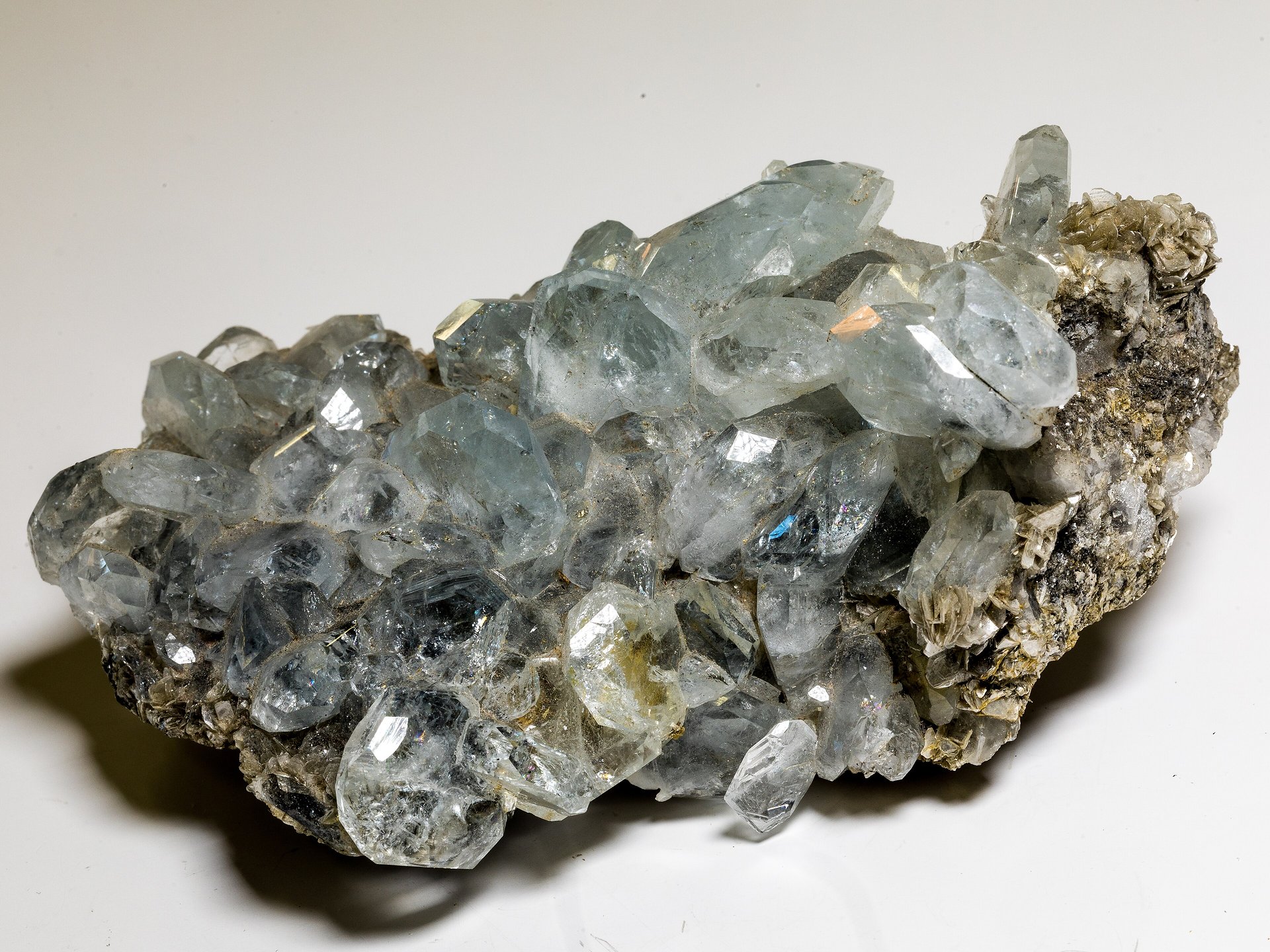
Practitioners often pair phenakite with clear quartz when amplification is desired, and with black tourmaline when grounding is needed alongside the stone's high-frequency energy. Because phenakite is rare and expensive, the stone is naturally reserved for milestone meditation and ritual work.
Spiritual
Phenakite is traditionally associated with the third eye, crown, and what practitioners call the soul star chakra above the head in modern crystal practice. Practitioners believe it activates the upper energy centers and supports connection to higher consciousness or transpersonal levels of perception.
It has long been described as one of the highest-vibration stones available for advanced spiritual work.
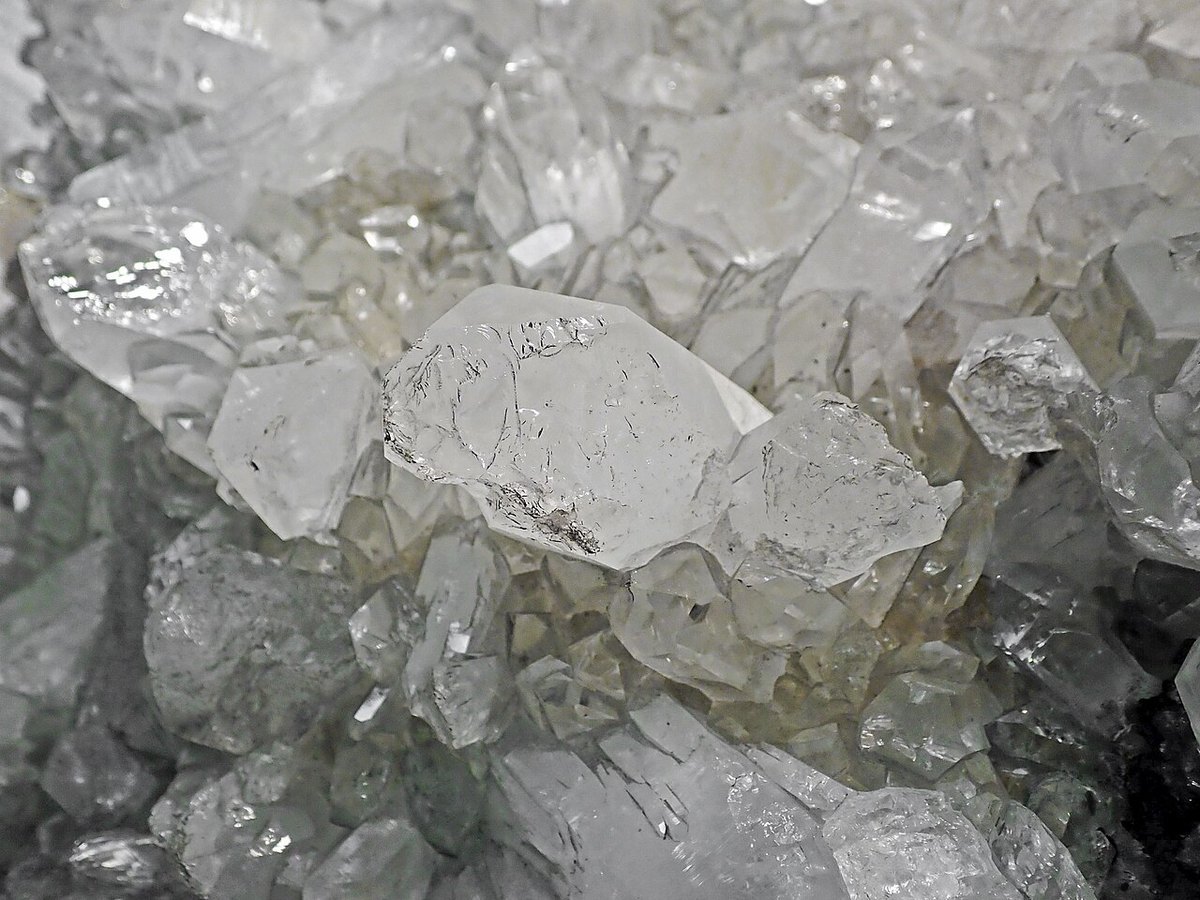
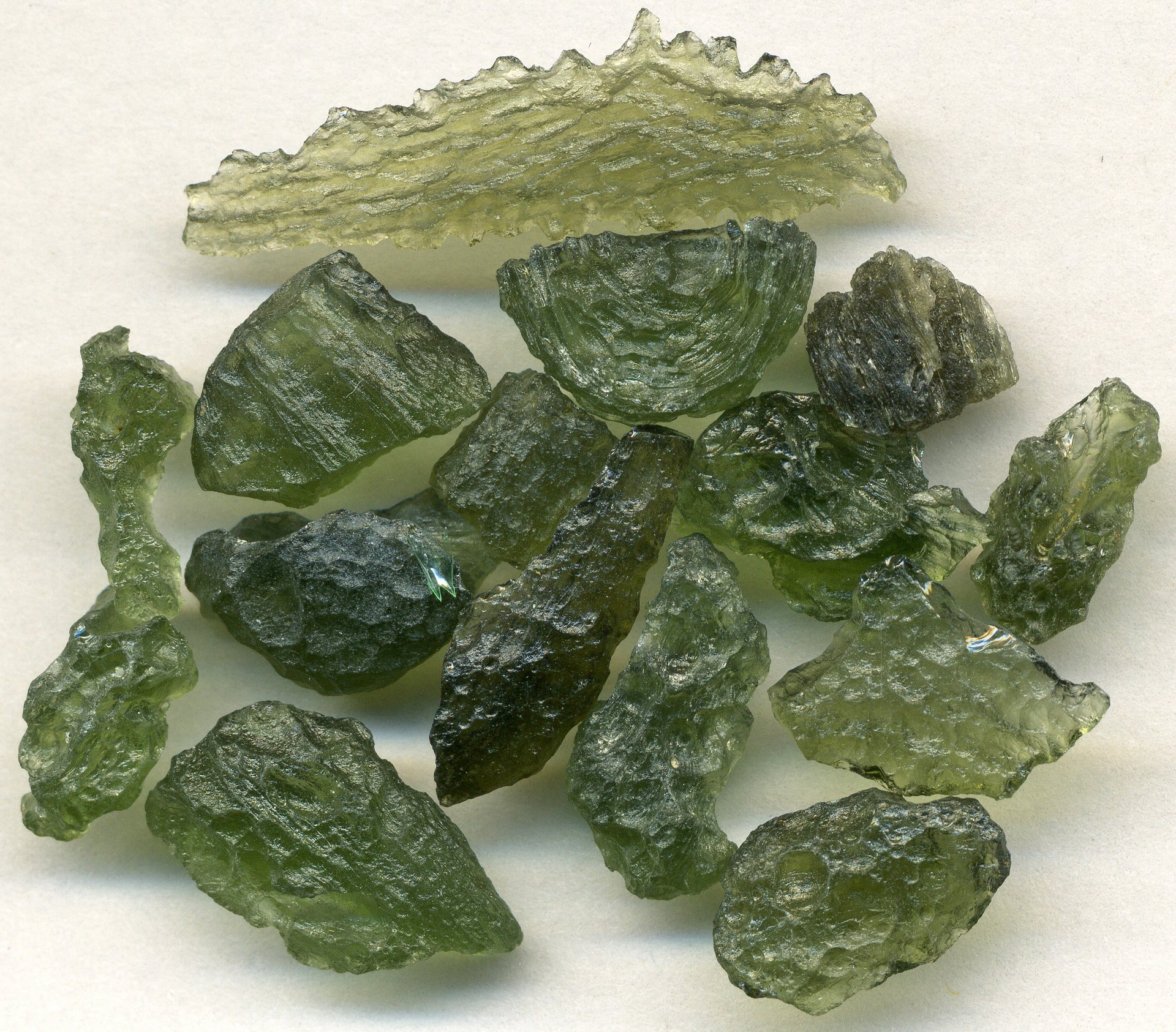
Many find phenakite useful in meditation focused on consciousness expansion, dream work that goes beyond ordinary symbolic content, and the integration of mystical experiences into a workable life. The stone pairs well with moldavite for amplified transformation work and with clear quartz for focused intention setting.
Practitioners typically reserve phenakite for ritual contexts rather than continuous wear, treating the stone as a focal point for occasional deep practice rather than a daily companion.
Physical
Practitioners believe phenakite supports what they describe as the body's energetic system at the highest levels rather than addressing specific physical conditions. Folklore is sparse because the stone became known to crystal healing only in the late twentieth century, and most physical-association traditions have been built up since then.
It is sometimes recommended for readers managing the physical effects of intensive spiritual practice, such as exhaustion or disorientation following deep meditation or psychic work.
The stone is associated in modern crystal healing with the brain, the nervous system, and the upper body energy centers. Phenakite is not a substitute for medical care, and practitioners are careful to frame its role as supportive rather than curative.
Because genuine phenakite is so expensive, most readers who want similar physical-association energy at a more accessible price consider clear quartz or selenite as practical alternatives, with phenakite reserved for milestone use.
Zodiac, Birthstone and Gifts
Phenakite is most often associated with Gemini and Sagittarius in modern crystal astrology, both signs ruled by mutable mental energy and seekers of higher knowledge. Practitioners believe phenakite supports these signs' natural intellectual curiosity by adding an experiential, mystical dimension to study and exploration.
It has long been recommended as a personal talisman for serious students of consciousness work and philosophy.
Astrologers sometimes also suggest phenakite for any sign during major spiritual transitions or initiations, regardless of natal placement, because the stone is considered a tool for advanced practice rather than a daily zodiac talisman. The stone is most often used in ritual or meditation contexts rather than worn continuously.
Care and Cleansing
Phenakite tolerates most gentle cleansing methods, but its high value means owners typically minimize handling. A soft dry cloth wipe is usually sufficient between uses, with a brief lukewarm soapy water rinse reserved for occasional deeper cleaning.
Avoid ultrasonic and steam cleaners, which can stress prong settings on faceted stones and any internal fissures. Avoid prolonged salt contact, which can dull polish and corrode metal settings.
Energetic cleansing with smoke from sage, palo santo, or cedar is widely used and considered safe. Sound cleansing with a singing bowl works well, and brief moonlight exposure is the most aligned method for the stone's high-vibration character.
Many practitioners recharge phenakite by resting it on a selenite plate or clear quartz cluster overnight between uses. Sunlight is acceptable but not preferred, since the stone's symbolism leans toward lunar and stellar associations.
- DO store phenakite in a velvet-lined box separate from other gems to prevent scratches and impacts.
- DO NOT use ultrasonic or steam cleaners on faceted phenakite, especially set stones.
- DO request a reputable independent gemological lab certificate for any stone above one carat.
- DO NOT confuse phenakite with goshenite, white topaz, or other colorless gems; lab confirmation is essential.
- DO insure phenakite jewelry separately given the per-carat value.
- DO ask the seller for documented Russian, Brazilian, or Madagascan provenance.
- Note: stones marketed as phenakite below $300 per carat may be quartz, goshenite, or other colorless substitutes.
Real vs Fake
Genuine phenakite shows a refractive index of 1.654 to 1.670, specific gravity of 2.93 to 3.00, and a hardness of 7.5 to 8 on the Mohs scale. Faceted stones display noticeable brilliance and dispersion that exceed clear quartz, which is one of the easiest visual checks for distinguishing the stones.
Under magnification you may see typical inclusions such as fluid fingerprints, fine needles, or growth tubes characteristic of pegmatite-formed material.
Common substitute and confused stones include clear quartz (lower refractive index, lower hardness), goshenite (similar properties but different optical character), white topaz (different optical properties and density), and synthetic colorless spinel. A reputable independent gemological lab can distinguish these species using refractive index, density, and spectroscopic measurements.
Synthetic phenakite is rare in the trade because the stone's already high price does not justify the complexity of synthesis.
At home, look for the brilliance and fire that exceed quartz, the cool feel of true silicate, and the slightly higher density compared with quartz of similar size. Watch for stones marketed as phenakite at suspiciously low prices, since these are often quartz or goshenite priced as the rarer species.
Reputable sellers always include current lab paperwork from a major gemological laboratory and disclose the country of origin (Russia, Brazil, or Madagascar are most common). Lab certification is essential for any phenakite above one carat.
Phenakite Jewelry & Gifts
Phenakite pricing depends on size, clarity, and origin. Small clean faceted stones under one carat run $300 to $800 per carat. Stones from one to three carats with good clarity reach $800 to $2,000 per carat.
Exceptional clean stones above three carats with documented Russian or Madagascan provenance can exceed $3,000 per carat at auction. Raw crystal points are sold separately and typically run $50 to $500 depending on size and quality.
Phenakite is generally untreated, and reputable sellers disclose origin (Russia for historical Tokovaya material, Brazil for the bulk of commercial supply, Madagascar for premium recent finds). Watch for stones marketed as phenakite below $300 per carat; these are almost always quartz or goshenite priced as the rarer species.
Lab certification is essential for any significant purchase. supply remains tight and prices have continued to rise as metaphysical demand outstrips production from a limited number of sources worldwide.
Where to Buy Phenakite
Affiliate disclosure: Some links below earn us a small commission at no extra cost to you. See our affiliate disclosure page.
Handmade, raw, and tumbled pieces from independent sellers worldwide.
Shop Phenakite on Etsy →Accessories, tools, and specimen sets with fast Prime delivery.
Shop Phenakite on Amazon →Certified loose gemstones graded and photographed for online buyers.
Shop Phenakite on GemSelect →Pairs Well With



Where Phenakite Is Found


