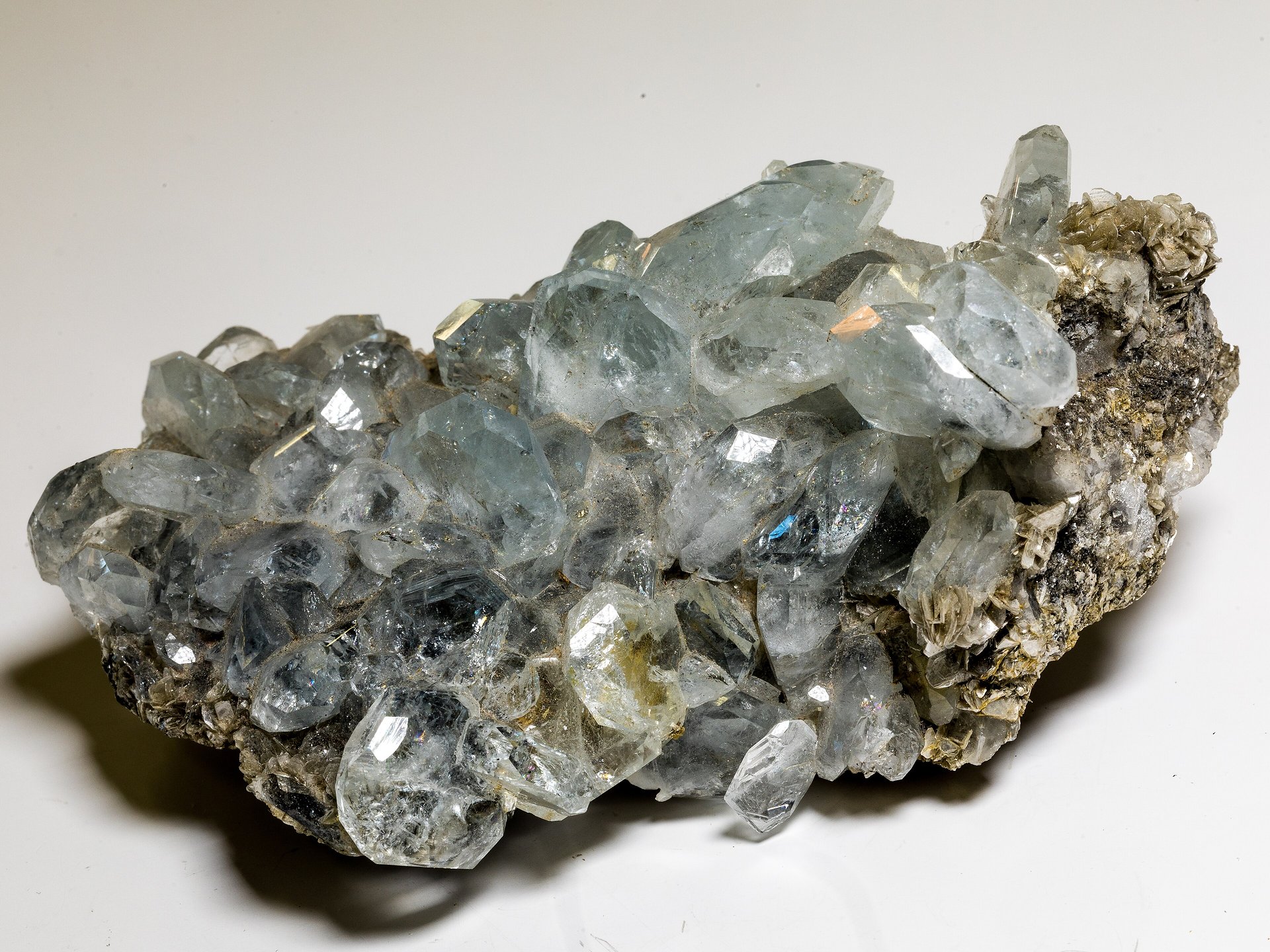
Goshenite
Pure colorless beryl, sister to emerald and aquamarine, prized for clarity, hardness, and a calm mental clarity tradition.
- Goshenite takes its name from Goshen, Massachusetts, where the variety was first identified in the early 1800s.
- The colorless variety is geologically distinctive because it requires beryl-bearing pegmatites without any coloring impurities.
- Goshenite is sometimes used as a substitute for diamond in vintage-style settings because of its high clarity and good hardness.
- Most cut goshenite is quite small because larger pure-colorless beryl crystals are uncommon; most beryl rough shows some trace coloration.
- Goshenite is the same mineral species as emerald, aquamarine, morganite, and heliodor; only the absence of coloring impurities distinguishes it.
- Buyers seeking an affordable colorless gem alternative to white sapphire or diamond
- Practitioners working with mental clarity and crown chakra meditation
- Collectors interested in pure beryl alongside emerald and aquamarine
- Engagement ring shoppers wanting a hard, clear stone with low mainstream recognition
- Aquarius readers drawn to crystalline mental-air-element personal talismans
- Anyone wanting maximum diamond fire (consider yellow diamond or white sapphire)
- Buyers seeking colored gems (try sister beryls aquamarine, morganite, or emerald)
- Practitioners seeking grounding root chakra energy (try smoky quartz or hematite)
What Is Goshenite?
Goshenite is the pure colorless variety of beryl, the same mineral species that includes emerald (green), aquamarine (blue), morganite (pink), and heliodor (yellow). The colorless variety has no metallic impurities to produce color, which is one of the rarer states for the otherwise color-rich beryl family.
The IMA symbol for beryl is Brl, and goshenite takes its name from Goshen, Massachusetts, where the variety was first identified in the early 1800s.
Beryl crystals form in granitic pegmatites where slow cooling allows large clean crystals to develop. Goshenite specifically requires beryl-bearing pegmatites that lack iron, chromium, manganese, and other coloring elements, which makes the variety geologically distinctive.
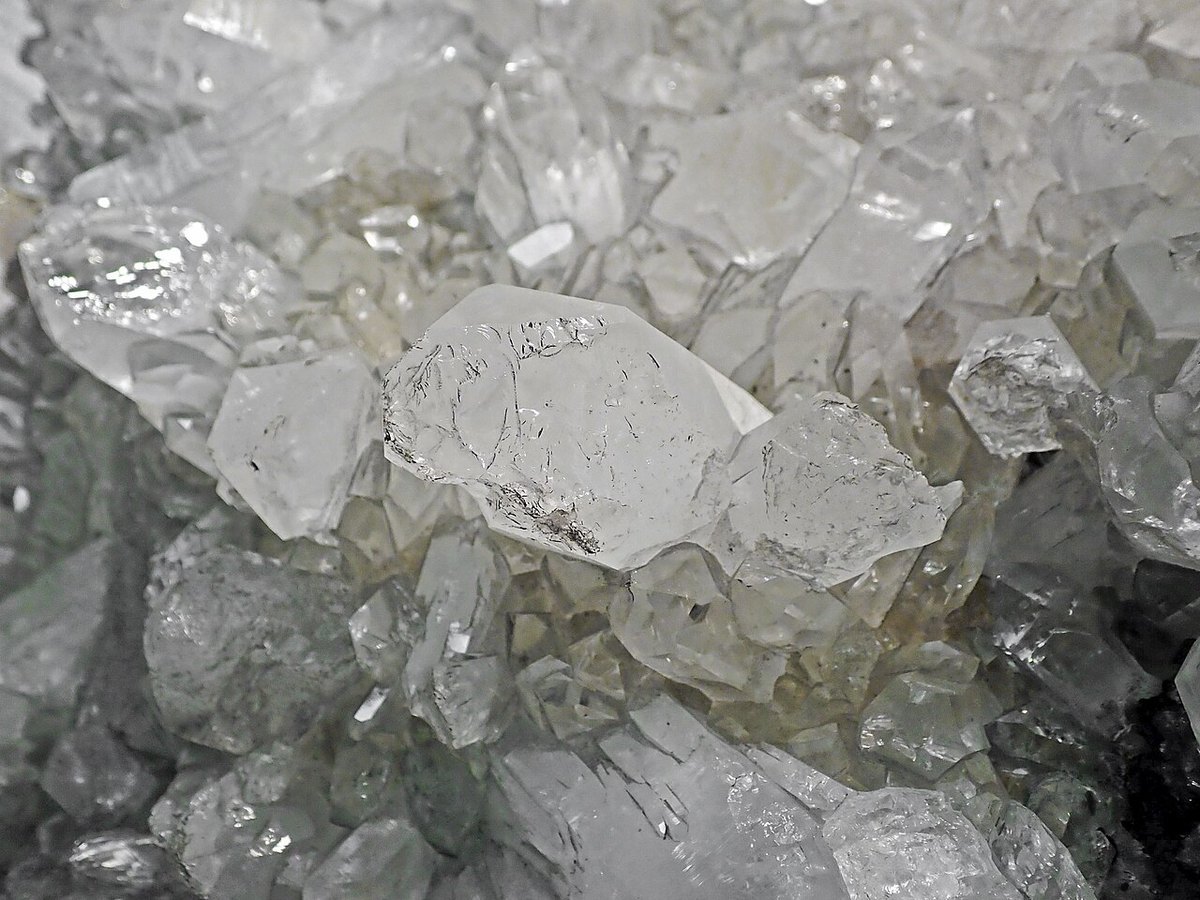
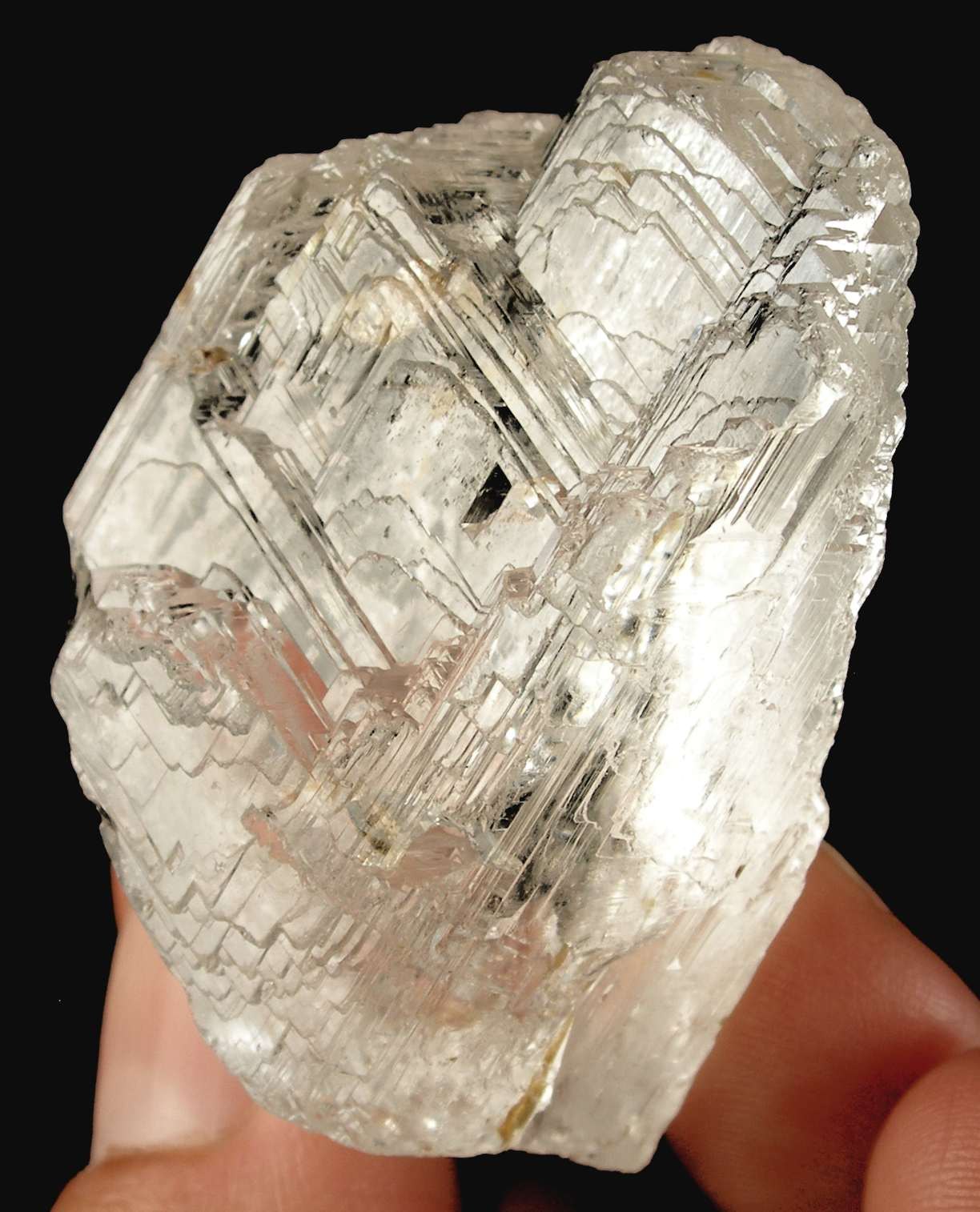
Massachusetts and Maine in the United States, Brazil's Minas Gerais state, Madagascar, and Pakistan's Karakoram region all produce gem-quality goshenite for the international trade.
Goshenite has a Mohs hardness of 7.5 to 8, the same as its colored beryl siblings, which makes it durable enough for daily-wear jewelry. The stone is sometimes used as a substitute for white sapphire or diamond in jewelry where color and brilliance matter less than hardness and budget.
Most cut goshenite is quite small (typically under three carats) because larger pure-colorless beryl crystals are uncommon, with most beryl rough showing some trace coloration that classifies it into one of the more familiar colored varieties.
How Goshenite Compares
| Property | Goshenite | White Sapphire | Phenakite |
|---|---|---|---|
| Hardness | 7.5 - 8 | 9 | 7.5 - 8 |
| Price / carat | $ Budget | $$ Mid-range | $$$ Premium |
| Rarity | Uncommon | Rare | Very rare |
| Best For | Affordable colorless jewelry, mental clarity | Engagement rings, fine jewelry | Advanced meditation, collecting |
Meaning and Symbolism
Goshenite carries the broader beryl family's deep history while developing its own modern identity as the colorless beryl associated with mental clarity and clear seeing. The broader beryl family has been used as a gemstone for over two thousand years, with emerald and aquamarine carrying particularly rich mythological traditions across many cultures.
Goshenite specifically gained recognition as a distinct trade variety only in the early 1800s after Massachusetts deposits brought significant commercial quantities to American jewelry markets.
The variety remained relatively obscure until late twentieth century, when expanded mining in Brazil, Madagascar, and Pakistan brought larger quantities of fine-grade material to international markets.
Goshenite has never achieved the mainstream recognition of its colored beryl siblings, which has kept prices relatively low and made the variety an interesting value proposition for buyers seeking pure colorless gems with established gemological pedigree. Some lapidaries use goshenite as a substitute for diamond in vintage-style settings.
In modern crystal practice, goshenite is traditionally associated with the crown and third eye chakras and with the kind of clear mental perception that supports learning, study, and considered judgment. Practitioners believe the stone's pure colorless transparency mirrors the clarity that meditation practice cultivates.
Many find goshenite useful as a meditation companion for academic work, philosophical study, or any practice that involves cultivating mental clarity rather than emotional intensity.
Historical Timeline
Healing Tradition
Emotional
Practitioners believe goshenite is a stone of mental clarity, clear discernment, and the kind of calm intellectual focus that supports careful decision-making. In crystal healing tradition, it is said to help readers cultivate the mental space needed to evaluate complex situations without becoming swayed by reactive emotion.
Many find goshenite useful during academic work, important professional decisions, or any period that calls for considered judgment over impulsive action.
The stone has long been associated in modern tradition with the principle of mental honesty, said to support readers in seeing situations as they actually are rather than as they wish them to be.
Practitioners often pair goshenite with clear quartz for amplified mental focus, with amethyst for combined intuitive and analytical work, or with black tourmaline when grounding is needed alongside mental clarity work.
Goshenite is sometimes recommended for readers managing the kind of mental fog or scattered attention that comes from chronic stress or overwhelm.
Spiritual
Goshenite is traditionally associated with the crown and third eye chakras together in modern crystal practice. Practitioners believe its pure colorless transparency mirrors the clarity that meditation practice cultivates, supporting refined mental work and clear discernment.
It has long been considered a study stone and a companion for academic and philosophical practice in modern Western crystal traditions.
Many find goshenite useful in meditation focused on mental clarity, intellectual discernment, and the integration of knowledge with experiential understanding. The stone pairs well with clear quartz for amplified focus and with amethyst for combined crown work that bridges analytical and intuitive perception.
Practitioners sometimes use goshenite as a focal stone for sustained study practice, especially work that involves understanding complex bodies of knowledge over extended periods. The stone is generally considered a daytime working companion.
Physical
Practitioners believe goshenite supports what they describe as the body's mental and nervous system, drawing on its crown chakra associations. In folklore developed in modern crystal practice, the stone has been associated with eye health and clear vision, partly through symbolic association with the stone's transparency.
It is sometimes recommended for readers managing eyestrain from extended computer or reading work.
The stone is also traditionally associated with the brain and the upper body in modern crystal healing practice. Many find goshenite useful as a desktop or pocket companion during periods of intensive intellectual work or extended study.
Goshenite is not a substitute for medical care, and practitioners are careful to frame its role as supportive rather than curative. The stone is durable enough for daily-wear pendants and bezel-set rings, making it suitable for ongoing physical-association work during study and academic practice.
Zodiac, Birthstone and Gifts
Goshenite is most often associated with Aquarius in modern crystal astrology because of its connection to mental clarity and intellectual honesty. Practitioners believe the stone supports Aquarius readers in cultivating the kind of cool considered judgment that the sign is known for, especially in service of innovation and reform.
It has long been recommended for Aquarius professionals in academic, scientific, or technological fields.
Gemini is the secondary association because of goshenite's reputation for supporting clear communication and mental focus. Astrologers sometimes suggest the stone for Geminis seeking to channel their natural intellectual curiosity into focused study and considered articulation rather than scattered surface engagement.
Care and Cleansing
Goshenite tolerates most common cleansing methods, which makes it relatively easy to maintain. Running tap water for under a minute is safe for both loose and set stones, as is a brief rinse in lukewarm soapy water with a soft brush to remove skin oils.
The stone is durable enough for ultrasonic cleaning unless visible fractures are present, though many jewelers prefer gentler methods for valuable stones.
Sunlight cleansing is safe for goshenite since the stone has no light-sensitive coloring elements. Moonlight, smoke from sage or palo santo, and sound cleansing with a singing bowl are all considered safe and well-aligned with the stone's gentle mental clarity energy.
Salt cleansing should be brief and dry only, since saltwater can corrode metal settings over time. Many practitioners recharge goshenite by resting it on a clear quartz cluster overnight between uses.
- DO rinse goshenite jewelry in lukewarm soapy water and dry with a soft cloth.
- DO NOT use ultrasonic cleaners on stones with visible fractures or fillings.
- DO store goshenite separately from softer gems like opal and pearl to avoid scratching them.
- DO ask whether the stone is natural goshenite or a colorless substitute (white topaz, white sapphire).
- DO request a reputable independent gemological lab certificate for stones above one carat.
- DO remove rings during heavy housework, gardening, or contact sports.
- Note: goshenite is durable but can chip on hard impact; bezel settings provide better protection than prongs.
Real vs Fake
Genuine goshenite shows the beryl family's characteristic refractive index of 1.577 to 1.583, specific gravity of 2.66 to 2.80, and excellent transparency without any color tint. Under magnification you may see typical inclusions such as fine fluid fingerprints, growth tubes, or two-phase inclusions characteristic of pegmatite-formed material.
Some specimens show faint inclusions or growth lines that can help confirm beryl identity.
Common substitutes and confused stones include white topaz (slightly different refractive index and density), white sapphire (much higher refractive index and hardness), clear quartz (lower density and refractive index), and colorless cubic zirconia (much higher refractive index, lower hardness). A reputable independent gemological lab can distinguish these species using standard gemological tests.
Synthetic colorless beryl exists but is rare in the trade because the stone is already inexpensive.
At home, look for the beryl family's characteristic specific gravity (lighter than topaz or sapphire of similar size), the slightly cool feel of true silicate, and any natural inclusions visible under a 10x loupe.
Watch for stones marketed as goshenite at suspiciously high prices, since many vendors mistakenly value the variety as if it were as rare as colorless phenakite. Reputable sellers disclose origin (Massachusetts, Brazil, Madagascar, or Pakistan are most common) and provide standard gemological documentation for any stone above one carat.
Goshenite Jewelry & Gifts
Goshenite pricing depends primarily on size, clarity, and cut quality.
Standard small stones in calibrated sizes run $30 to $80 per carat, mid-size stones from one to three carats with good clarity reach $80 to $200 per carat, and exceptional clean stones above three carats can exceed $300 per carat for premium quality.
The stone remains significantly less expensive than white sapphire of similar size and clarity, which is part of its appeal as an affordable colorless gem alternative.
Goshenite is rarely treated, which is one of its appeals as an honest natural stone. Reputable sellers disclose origin (Massachusetts and Maine for collector-grade American material, Brazil for commercial supply, Madagascar and Pakistan for international jewelry) and confirm that the stone is untreated.
Watch for stones marketed as phenakite at goshenite prices; the two are different species with different values, and lab confirmation is needed to distinguish reliably. goshenite remains an under-collected member of the beryl family with excellent value for buyers seeking durable colorless gems.
Where to Buy Goshenite
Affiliate disclosure: Some links below earn us a small commission at no extra cost to you. See our affiliate disclosure page.
Handmade, raw, and tumbled pieces from independent sellers worldwide.
Shop Goshenite on Etsy →Accessories, tools, and specimen sets with fast Prime delivery.
Shop Goshenite on Amazon →Certified loose gemstones graded and photographed for online buyers.
Shop Goshenite on GemSelect →Pairs Well With




Where Goshenite Is Found


