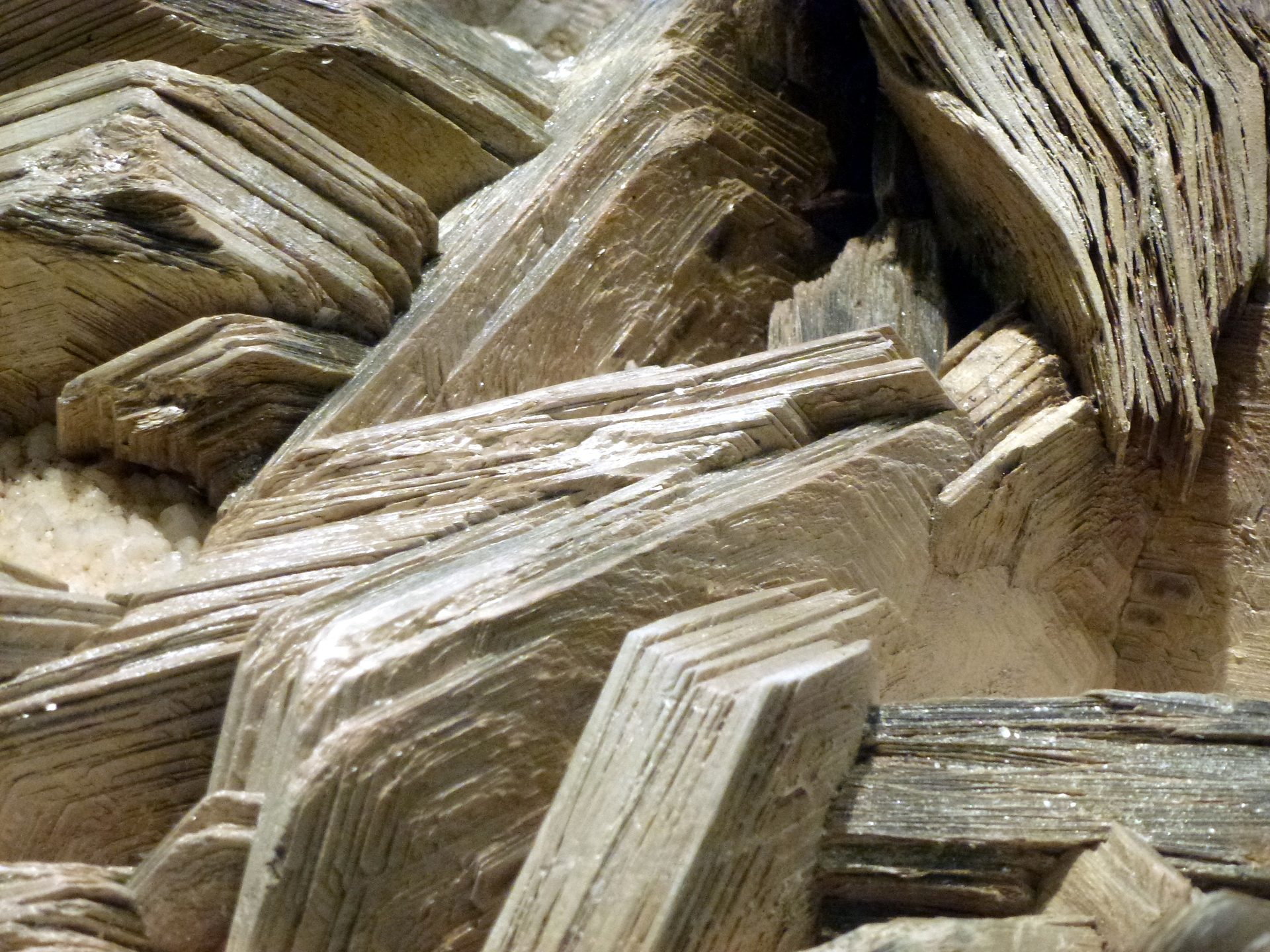
Phlogopite
Phlogopite is the golden-brown magnesium mica - a warm, earthy sheet mineral from ultrabasic rocks and marble that glows with copper-bronze.
- Phlogopite is found in kimberlite pipes - the deep volcanic conduits that bring diamonds to Earth's surface - making it a diamond indicator mineral.
- Phlogopite retains its electrical insulating properties to approximately 1000°C, higher than any other mica mineral and most insulators.
- The name phlogopite comes from the Greek phlogopos ('fire-looking') for the coppery-red glow some specimens display when held to light.
- Some phlogopite from Ontario, Canada shows remarkable asterism (star effect) when cut as cabochons - a rare phenomenon in mica minerals.
- Phlogopite from Pargas, Finland can form hexagonal plates over 20 cm across - among the largest single mica crystals found anywhere.
- Mineralogy students and collectors building a complete mica series alongside muscovite, biotite, and lepidolite
- Those drawn to warm earth tones and golden-bronze metallic shimmer in display specimens
- Collectors interested in ultrabasic and metamorphic petrology and the minerals formed in those environments
- Practitioners working with earth and grounding energy who appreciate the warm, stable quality of magnesium-rich minerals
- Those seeking an affordable, unusual mica specimen beyond the more common biotite and muscovite
- Those wanting a widely recognized healing crystal - phlogopite lacks the mainstream metaphysical popularity of muscovite or lepidolite
- Anyone seeking a durable gemstone for jewelry - Mohs 2-3 means phlogopite is appropriate only for display
- Those who prefer cool tones or silver-white colors - phlogopite is firmly warm golden-brown to bronze in color
What Is Phlogopite?
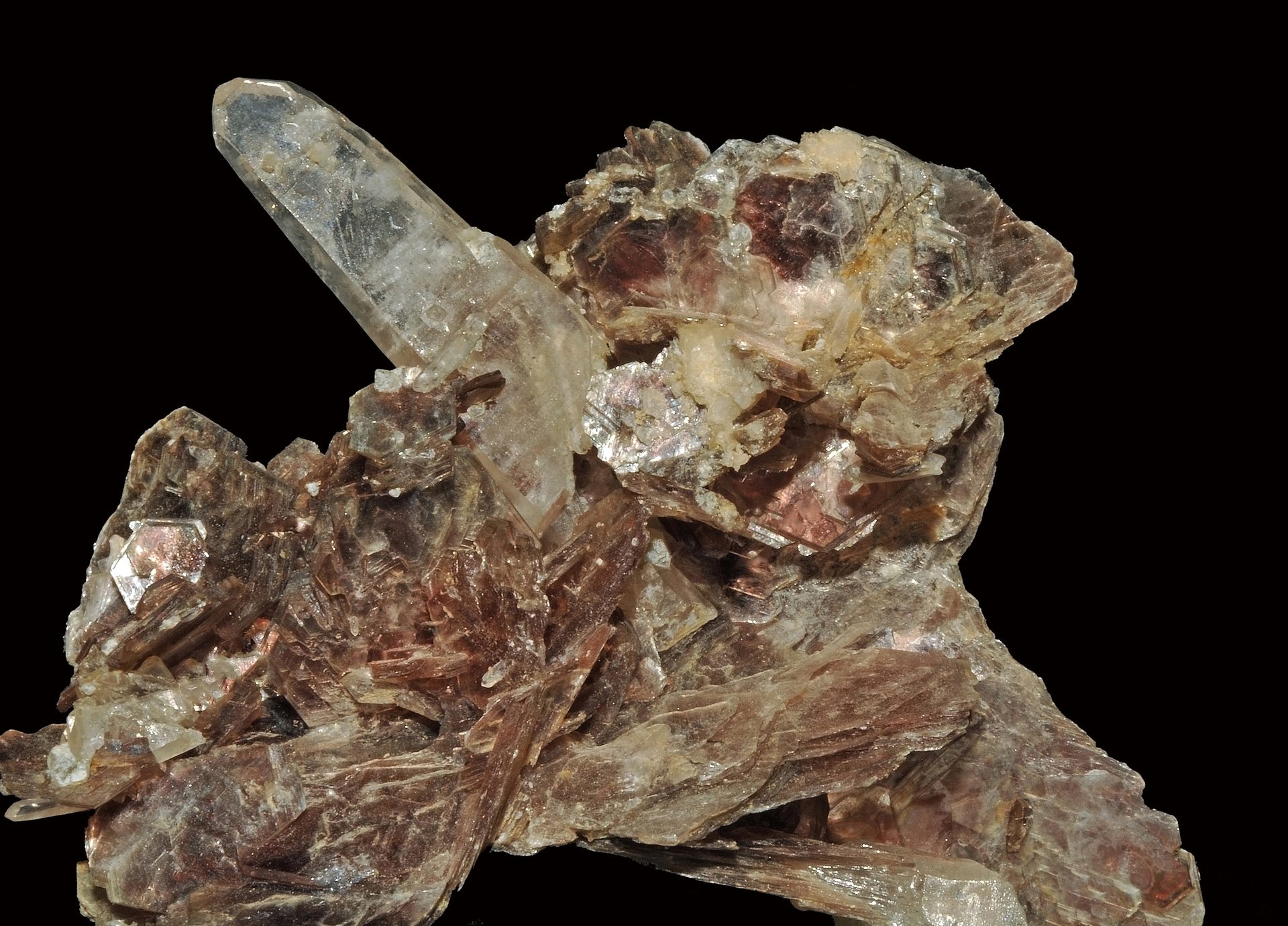
Phlogopite is a magnesium-rich mica with the formula KMg₃(AlSi₃O₁₀)(OH,F)₂. It belongs to the trioctahedral mica group and forms golden-brown to pale yellow and bronze-colored sheets with a brilliant pearlescent to metallic luster. Mohs hardness of 2-3 and perfect basal cleavage in one direction are characteristic of all micas.
Specific gravity of 2.76-2.90 is similar to other mica minerals.
Phlogopite's mineralogical distinction from biotite (the common black mica) lies in its magnesium-dominant composition. The name derives from the Greek *phlogopos* meaning 'fire-looking' - a reference to the warm copper-red to golden-brown tone of some specimens when held up to light.
It forms primarily in ultramafic and mafic igneous rocks (peridotites, kimberlites) and in thermally metamorphosed marbles, making it a useful indicator mineral in petrogenesis.
Phlogopite is industrially significant as a high-temperature electrical insulator. Unlike muscovite (which decomposes around 700°C), phlogopite retains its insulating properties to approximately 1000°C, making it valuable in electronics, aerospace, and high-temperature equipment. This thermal stability reflects the Mg-rich composition. Industrial phlogopite is mined in Canada, Madagascar, and Russia.
How Phlogopite Compares
| Property | Phlogopite | Muscovite | Lepidolite |
|---|---|---|---|
| Formula | KMg₃(AlSi₃O₁₀)(OH,F)₂ | KAl₂(AlSi₃O₁₀)(OH,F)₂ | K(Li,Al)₃(AlSi₃)O₁₀(OH,F)₂ |
| Color | Golden-brown, bronze | Silver-gray, pale | Lavender, lilac |
| Temperature Stability | To ~1000°C | To ~700°C | Low |
| Best For | Grounding, mineralogy | Clarity, collector | Anxiety, calming |
Meaning and Symbolism
Phlogopite lacks the long metaphysical history of more well-known mica varieties, but its industrial and geological significance is substantial. As a primary product of kimberlite eruptions - the volcanic pipes that carry diamonds from deep in the mantle - phlogopite has been found alongside rough diamonds in South African and Russian diamond mines for over a century.
Kimberlite phlogopite xenocrysts are studied as indicators of mantle composition and deep-earth processes.
In crystal healing tradition, phlogopite shares the grounding, stabilizing associations common to earth-toned, dense minerals. Its warm golden-brown color associates it with the lower chakras - Root, Sacral, and Solar Plexus - and with themes of physical stability, abundance, and the warmth of earth energy.
The magnesium content is energetically associated with muscle relaxation and the release of physical tension in some healing traditions.
For mineralogy collectors, phlogopite's primary significance is scientific and aesthetic. A fine phlogopite specimen from Pargas, Finland - large hexagonal plates of coppery gold mica on crystalline marble - represents the elegance of metamorphic mineralogy.
Collectors who pursue the mica mineral group appreciate phlogopite as the warm-toned, high-temperature counterpart to silver muscovite and violet lepidolite.
Historical Timeline
Healing Tradition
Emotional
Phlogopite carries warm, stable earth energy in crystal healing tradition - associated with feelings of physical comfort, warmth, and the grounded security of deep earth.
Practitioners who work with the mica mineral family use phlogopite for its Solar Plexus associations: personal power, confidence, and the warm self-assurance that comes from being deeply rooted. Its golden-brown tones are energetically associated with abundance, harvest, and the satisfaction of practical accomplishment.
Spiritual
In the broader mica family's spiritual associations, phlogopite represents the warm, fiery earth end of the spectrum - contrasting with muscovite's cool mental clarity and lepidolite's ethereal lilac calm.
Practitioners connect it to the energy of deep earth processes: the slow, vast transformations of mantle and crustal rock that shape continents over geological time. Working with phlogopite is said to cultivate patience, deep-root stability, and the understanding that genuine transformation happens at depth rather than on the surface.
Physical
Crystal healing practitioners associate phlogopite with physical grounding, muscle relaxation, and the warming of cold or stagnant energy in the body. The magnesium-rich composition is energetically linked to muscular ease and the release of physical tension in some traditions.
Practitioners use it for Root and Sacral chakra work aimed at physical embodiment, groundedness, and the warming of constitutionally cold or contracted energy. These are experiential associations; phlogopite is not a medical treatment.
Zodiac, Birthstone and Gifts
Phlogopite's earth element associations, warm golden-brown tones, and themes of stable grounding connect it most strongly to Taurus in crystal healing tradition - the sign associated with physical comfort, sensory pleasure, and the stable cultivation of earthly abundance.
Virgo resonates with phlogopite's practical, mineralogically precise character and its associations with the systematic study of earth's deep processes. Both earth signs benefit from phlogopite's warm, rooting energy for periods requiring patience, endurance, and physical steadiness.
Care and Cleansing
Phlogopite, like all micas, should be cleansed gently. Moonlight is the safest and most appropriate method - the cool, reflective energy of moonlight complements the mica's own light-reflecting quality. Sound cleansing with a singing bowl or tuning fork is fully safe and effective.
Selenite charging plates are an excellent choice for mica minerals generally.
Avoid water exposure beyond very brief rinsing - the basal cleavage planes can delaminate with moisture. Salt and extended sunlight should also be avoided. Smudging is safe when gentle and not prolonged.
Phlogopite's industrial stability at high temperatures does not translate to resilience against the specific chemical and physical challenges of salt or water for the crystal-collecting context.
- DO NOT soak in water - mica cleavage planes can delaminate with extended moisture exposure.
- DO NOT use salt cleansing - salt can damage the delicate sheet surfaces.
- DO handle gently - Mohs hardness of 2-3 means phlogopite is easily scratched by most other stones.
- DO store in padded cases away from contact with harder minerals.
- DO NOT use ultrasonic or steam cleaners - vibration and heat can delaminate mica sheets.
- NOTE: Large phlogopite plates can flex and bend slightly - do not stress the sheets beyond natural flexibility.
Real vs Fake
Phlogopite is rarely counterfeited given its low commercial value, but may be confused with biotite, muscovite, or other mica minerals. Phlogopite's distinguishing feature is its warm golden-brown to coppery-bronze color, contrasting with biotite (black to very dark brown) and muscovite (silver to pale gray).
The warm golden glow, particularly when backlit, is characteristic. Specific gravity (~2.8) and perfect one-direction cleavage confirm mica identification.
Purchase from reputable mineral dealers with correct species identification and locality documentation. Pargas, Finland and Ontario, Canada are classic localities worth confirming. Mislabeling within the mica family is possible but phlogopite's distinct warm coloration usually makes visual identification straightforward for experienced collectors.
Phlogopite Jewelry & Gifts
Phlogopite is an accessible and affordable collector mineral. Small matrix pieces with bronze-gold mica plates begin at $5-$15. Good specimens with large hexagonal cleavage plates showing coppery metallic luster run $15-$40.
Fine specimens from classic localities like Pargas, Finland (large transparent plates on calcite marble) or Ontario, Canada can reach $40-$100 for excellent material from specialist mineral dealers.
Crystal plate size and optical quality are the primary value drivers. Large, unblemished hexagonal plates showing brilliant pearlescent to metallic luster are most desirable. Locality documentation adds value for serious collectors. Phlogopite from kimberlite contexts (associated with diamond-mine minerals) is occasionally available at premium prices reflecting the geological rarity of the association.
Where to Buy Phlogopite
Affiliate disclosure: Some links below earn us a small commission at no extra cost to you. See our affiliate disclosure page.
Handmade, raw, and tumbled pieces from independent sellers worldwide.
Shop Phlogopite on Etsy →Accessories, tools, and specimen sets with fast Prime delivery.
Shop Phlogopite on Amazon →Certified loose gemstones graded and photographed for online buyers.
Shop Phlogopite on GemSelect →Pairs Well With



Where Phlogopite Is Found


