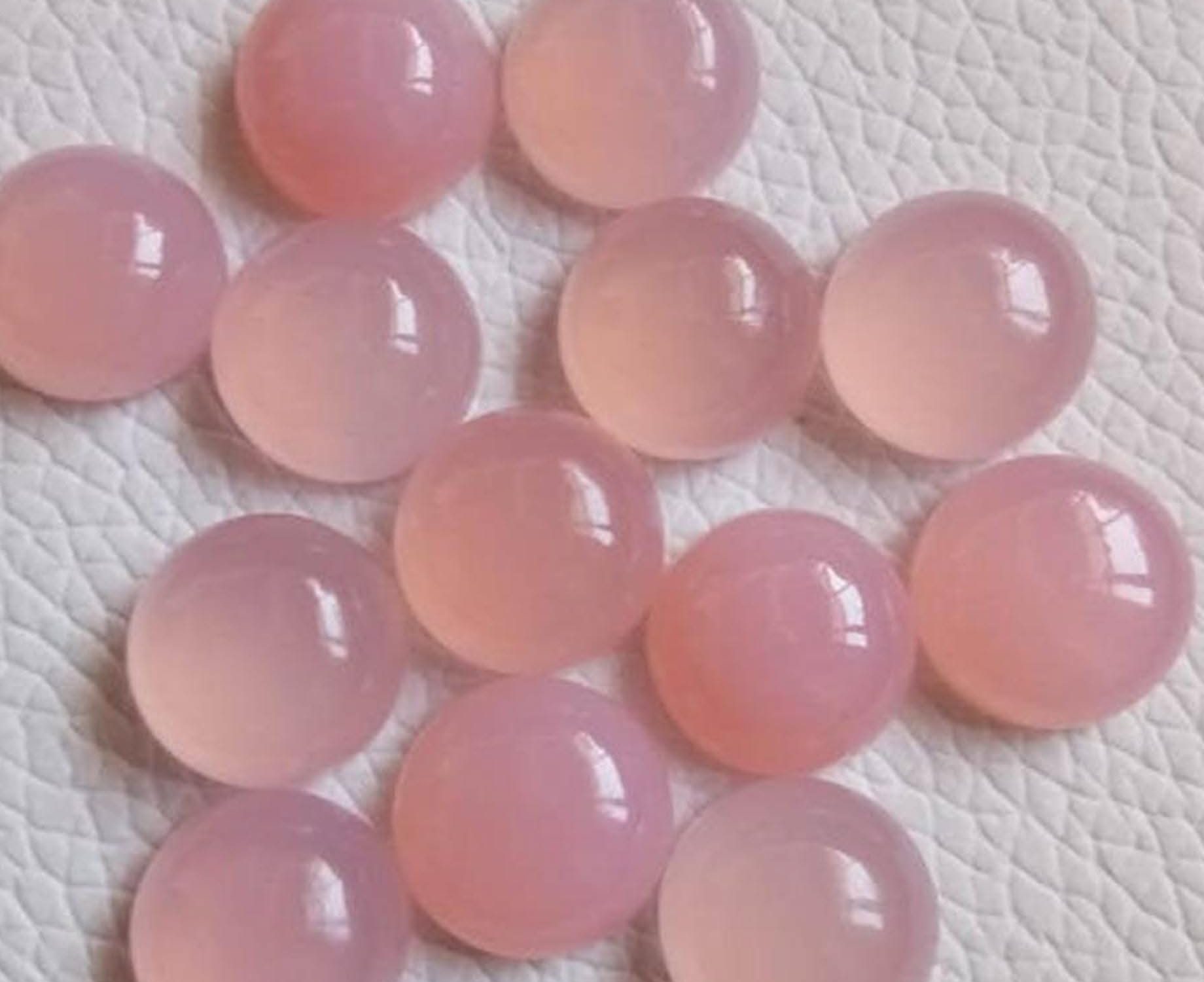
Pink Chalcedony
Nurturing softness in stone - pale rose chalcedony for gentle compassion, innocence, and heart opening
- Chalcedony's name likely comes from the ancient port city of Chalcedon (modern Kadikoy, Istanbul, Turkey) - a major trading hub where chalcedony was a valued export in antiquity.
- Pink chalcedony from Washington State's Oregon border region has a unique dusty rose tone with exceptional translucency - sought by Pacific Northwest collectors.
- The waxy luster of chalcedony is caused by its microcrystalline structure - the crystals are too small to produce the glassy luster of larger quartz varieties, creating a characteristic silky sheen.
- Pink chalcedony and pink agate are closely related - agate is simply banded chalcedony. Pink chalcedony without bands is the unbanded variety.
- Ancient Egyptians carved heart-shaped amulets from chalcedony for funerary use, believing the stone helped guide the heart to truth during the weighing-of-the-heart ceremony.
- those drawn to soft, nurturing energies
- practitioners working with heart and emotional healing
- mothers, caregivers, and nurturers
- those healing childhood wounds or self-worth issues
- fans of delicate pastel crystal aesthetics
- collectors seeking rare or high-value specimens
- those wanting intensely saturated color
- buyers focused on investment-grade stones
What Is Pink Chalcedony?
Pink Chalcedony is a microcrystalline variety of quartz (silicon dioxide) with a soft rose to pale pink color, caused by trace iron impurities and sometimes by manganese within the tightly interlocked microscopic crystal structure. Unlike large-crystal quartz varieties, chalcedony's microscopic fibrous structure gives it a distinctive waxy, silky luster.
The finest pink chalcedony comes from Turkey's western coast (particularly the Izmir region) and from locations in the American Northwest - these specimens are known for consistent, translucent rose color and a glowing internal light when held near a lamp. Brazilian pink chalcedony tends toward a slightly deeper, more opaque rosy tone.
Pink chalcedony differs from rose quartz in both structure and appearance: rose quartz is massive coarse-crystalline quartz, slightly grainy in texture; pink chalcedony is microcrystalline with a waxy, glassy luster and often greater translucency. The two are frequently confused at markets, but a careful look under magnification reveals completely different crystal habits.
Pink Chalcedony vs. Similar Pink Stones
| Property | Pink Chalcedony | Rose Quartz | Pink Opal |
|---|---|---|---|
| Hardness | 6.5-7 | 7 | 5.5-6.5 |
| Price/lb | $ Budget | $ Budget | $ Budget |
| Rarity | Uncommon | Very common | Common |
| Best For | Nurturing, innocence | Love, self-care | Emotional healing |
Meaning and Symbolism
Pink chalcedony carries an unusually gentle and maternal energy that distinguishes it from other pink heart stones. Practitioners describe it as the stone of "nurturing love" - not the passionate or romantic heart energy of rose quartz.
The unconditional, non-possessive love of a parent for a child or of one's higher self for the wounded inner child.
The stone is traditionally associated with innocence, emotional sensitivity, and the willingness to stay soft in a world that often rewards hardness. Crystal healers use it for work involving childhood trauma, trust rebuilding after betrayal, and cultivating the kind of self-compassion that feels genuinely warm rather than performative.
In some traditions pink chalcedony is called the "speaker's stone" - connected to both heart and throat, said to help those who struggle to express vulnerable emotions or who tend to intellectualize feelings rather than feeling and voicing them. This dual heart-throat quality makes it particularly valued for therapists, teachers, and caregivers.
Historical Timeline
Healing Tradition
Emotional
Practitioners describe Pink Chalcedony as deeply nurturing for emotional wounds involving self-worth, trust, and the capacity to receive love. The stone is said to be particularly effective for those who give generously to others but struggle to accept care themselves - a pattern crystal healers often call "caregiver's wound." Many practitioners use it in work involving the inner child, helping adults access the innocence and openness that may have been closed off by early experiences of criticism, abandonment, or neglect.
The stone's gentle energy is said to work slowly and sustainably.
Spiritual
In spiritual practice, pink chalcedony is associated with the heart chakra's highest expression - compassion without conditions, love without possession. Some practitioners connect it to the Divine Feminine archetype, using it in ceremonies honoring maternal energy, cycles of care, and the sacred nature of vulnerability.
The stone is said to create a spiritually safe container for deep emotional processing, making it a valuable companion during ceremony, retreat, or intensive healing work. It is traditionally associated with increasing empathy and sensitivity in a sustainable, boundaried way.
Physical
Some crystal wellness practitioners associate Pink Chalcedony with lactation, maternal health, and the immune system, connecting its nurturing energy to the physical body's capacity to care for itself and others. It is traditionally associated with the lymphatic system and skin health. No scientific evidence supports these associations.
Consult a qualified healthcare provider for any health concerns.
Zodiac, Birthstone and Gifts
Cancer's deeply nurturing, emotionally sensitive nature resonates profoundly with pink chalcedony's maternal energy and heart-healing qualities. Libra's need for harmony and aversion to emotional hardness aligns with chalcedony's gentle softening influence - both signs find this stone deeply supportive of their natural relational gifts.
Care and Cleansing
Pink chalcedony responds beautifully to moonlight - place on a windowsill or outside under a full moon overnight. This method is especially resonant for a stone associated with feminine, nurturing, and lunar energies, and poses no risk to color or surface quality.
Brief rinsing under cool running water while holding a clearing intention is safe and effective for pink chalcedony. Dry immediately and thoroughly. Avoid prolonged water soaking which can penetrate the microcrystalline structure and potentially affect color over time.
Sound cleansing with a crystal bowl, bell, or soft music is a gentle, non-invasive method well-suited to the delicate energy of this stone. Practitioners often prefer this method for stones used in sensitive emotional healing work.
- DO store away from direct sunlight as prolonged UV exposure may fade the pink color.
- DO NOT use abrasive cleaning materials - the 6.5-7 surface scratches more easily than harder quartz varieties.
- DO NOT soak in water for extended periods as the microcrystalline structure can absorb minerals from hard water.
- NOTE that dyed white chalcedony is commonly sold as pink chalcedony - verify authenticity with a reputable source.
- DO NOT store with harder minerals including quartz (hardness 7), topaz, or corundum that could scratch the surface.
Real vs Fake
Genuine pink chalcedony has a natural, slightly muted rose to blush tone with subtle internal variation - the color comes from trace mineral impurities distributed through the microcrystalline structure, not from surface treatment.
Dyed white chalcedony (a very common practice) shows color concentrated in surface features and natural crevices under magnification. If soaked briefly in water, dyed material may show slight color bleed. Real pink chalcedony's color is evenly distributed throughout.
Pink chalcedony should have a characteristic waxy, slightly silky luster. Glass fakes are too perfectly transparent and lack the microcrystalline texture. Plastic fakes feel warm and light, while real chalcedony is cool and dense.
Check the color under different lighting conditions. Natural pink chalcedony maintains a consistent rose hue. Dyed material may shift toward orange or fuchsia under warm artificial light, revealing the artificial color base.
The most reliable purchasing approach is through reputable dealers who specify natural, undyed material with locality data. Turkish and Pacific Northwest American pink chalcedony from established mineral dealers is consistently authentic.
Pink Chalcedony Jewelry & Gifts
Pink chalcedony tumbles are widely available in the $4-$20 range; carved hearts and towers $15-$60; beaded jewelry $20-$80. The most important quality factor is confirmation that the color is natural rather than dyed.
Turkish pink chalcedony from the Izmir region is considered premium quality - look for translucent, internally glowing pieces with consistent soft rose color and no visible dye concentrations. These pieces command slight premiums but are worth it for quality.
For carved pieces, fine polish and consistent translucency matter most. Hold the piece up to a light source - genuine translucent pink chalcedony will show an internal glow. Opaque or very dense pink material may be dyed.
Beaded pink chalcedony jewelry from India is widely available at affordable prices. Verify natural color by checking the drill holes - dyed beads often show lighter color in the hole interior where dye penetration was less complete.
For the best value, purchase tumbled natural pink chalcedony from mineral shows or specialist online dealers who explicitly state natural color and locality. Avoid mass-market crystal retailers who rarely disclose treatment status.
Where to Buy Pink Chalcedony
Affiliate disclosure: Some links below earn us a small commission at no extra cost to you. See our affiliate disclosure page.
Handmade, raw, and tumbled pieces from independent sellers worldwide.
Shop Pink Chalcedony on Etsy →Accessories, tools, and specimen sets with fast Prime delivery.
Shop Pink Chalcedony on Amazon →Certified loose gemstones graded and photographed for online buyers.
Shop Pink Chalcedony on GemSelect →Pairs Well With


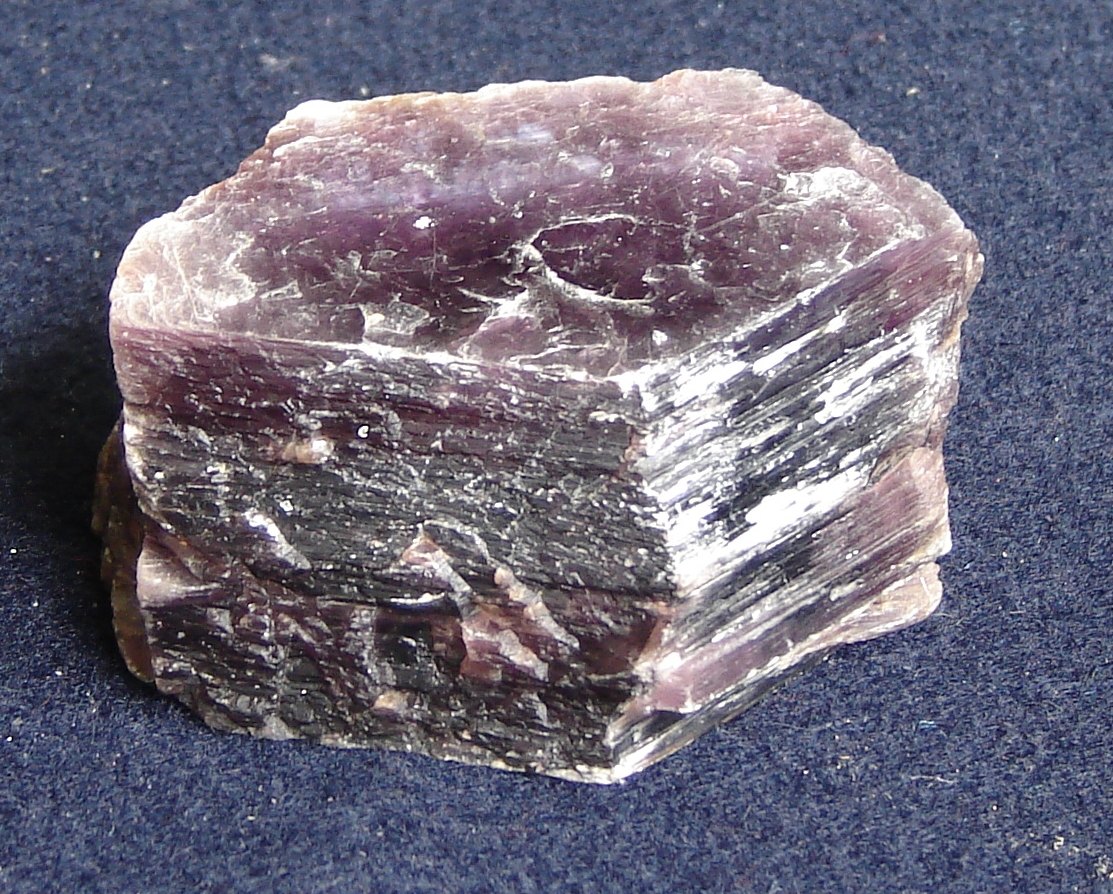
Where Pink Chalcedony Is Found


