Pink Scapolite
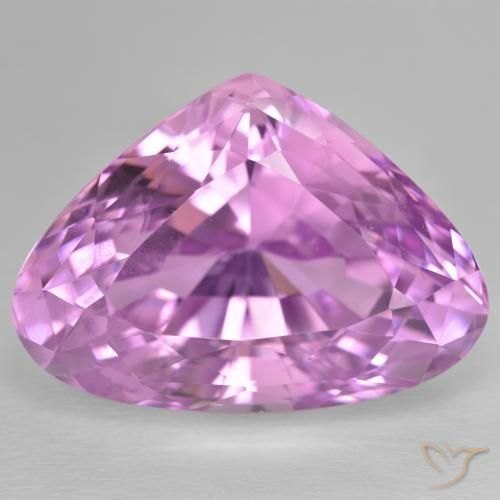
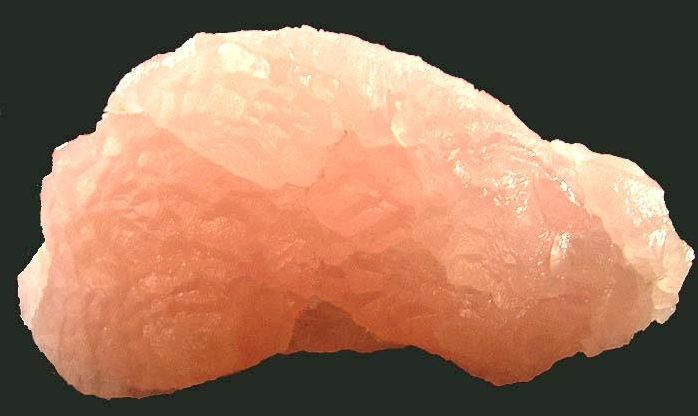
Pale rose to dusty pink scapolite from Tanzania and Burma - a relatively rare collector gem associated by practitioners with willpower, personal responsibility, and positive change
- Pink and violet scapolite may owe their color to natural irradiation from radioactive elements in the surrounding geological environment during crystal growth.
- Scapolite has been detected in lunar samples returned by Apollo missions, making it one of the few gem species with confirmed extraterrestrial occurrence.
- The cat's eye phenomenon in pink scapolite, when it occurs, produces one of the rarest optical phenomena in the colored gem world.
What Is Pink Scapolite?
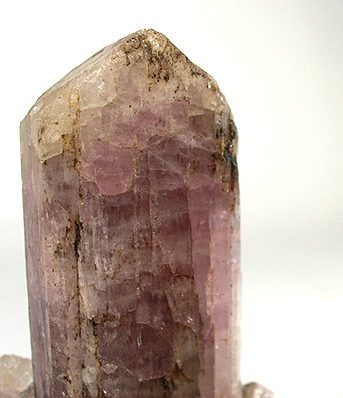
Pink scapolite belongs to the scapolite group, a family of tectosilicate minerals. It crystallizes in the tetragonal crystal system, forming long prismatic crystals with vitreous to resinous luster. Pink varieties are considerably rarer in gem quality than yellow scapolite specimens.
Pink scapolite ranks 5.5 to 6 on the Mohs hardness scale, suitable for collector jewelry with careful wear. It exhibits distinct cleavage and a refractive index between 1.536 and 1.596. Color variations include pale pink, rose pink, lavender-pink, and violet-pink hues from natural irradiation.
Pink scapolite forms in metamorphic skarns and metasomatic marbles from contact metamorphism in carbonate rocks. Fine gem specimens come from Tanzania, Myanmar, and Madagascar. Transparent faceted pink material commands significant collector premiums in the gemstone market.
Meaning and Symbolism
Scapolite takes its name from the Greek 'skapos' meaning stem, referencing its long prismatic crystal habit, with the mineral group documented at Britannica. Tanzania has been the most important source of gem-quality pink scapolite, with stones from the Umba Valley entering the colored stone trade in the 1970s.
Pink scapolite occasionally exhibits a cat's eye effect when parallel fibrous inclusions create a silky light band across a cabochon surface. This optical phenomenon significantly increases collector value, and cat's eye scapolite is considered one of the more unusual and desirable phenomena stones available in the colored gem market.
Scapolite remains relatively unknown outside specialist collector circles despite attractive color and good wearability. Its obscurity means that fine pink specimens often offer better value than more famous pink gemstones of equivalent quality, and it has developed a following among collectors who seek unusual, underrepresented stones from African localities.
Historical Timeline
Healing Tradition
Emotional
Practitioners describe pink scapolite as a stone that encourages emotional honesty in loving relationships. It is said to help the holder communicate heart-centered truths with both clarity and compassion, dissolving the gap between what is felt and what is expressed.
Spiritual
Traditionally associated with clarity of purpose and the illumination of one's authentic path in crystal healing practice, pink scapolite is said to combine heart warmth with mental discernment. Crystal healing tradition holds that it supports practitioners in identifying what genuinely matters to them, cutting through social conditioning and fear to reveal the clear signal of genuine inner calling.
Physical
Some practitioners believe pink scapolite supports the eyes and the visual system, associations drawn from its pale gemstone clarity and the traditional crystal lore connecting translucent stones to clear perception. These claims are not medically verified and should not replace professional care. Pink scapolite is used in wellness settings as a companion during vision-focused meditation and creative visualization practices.
Care and Cleansing
Clean pink scapolite with a soft slightly damp cloth and allow to air dry. Avoid water immersion and ultrasonic cleaners. Selenite charging, smudging, or sound bowl cleansing are recommended.
- Mohs 5.5–6 scratches from contact with dust, which contains quartz particles.
- Distinct cleavage in 2 directions means impact can cleave the stone - handle carefully.
- Store in individual soft pouches away from harder stones.
- Avoid all ultrasonic cleaning and steam exposure.
Where to Buy Pink Scapolite
Affiliate disclosure: Some links below earn us a small commission at no extra cost to you. See our affiliate disclosure page.
Handmade, raw, and tumbled pieces from independent sellers worldwide.
Shop Pink Scapolite on Etsy →Accessories, tools, and specimen sets with fast Prime delivery.
Shop Pink Scapolite on Amazon →Certified loose gemstones graded and photographed for online buyers.
Shop Pink Scapolite on GemSelect →Pairs Well With