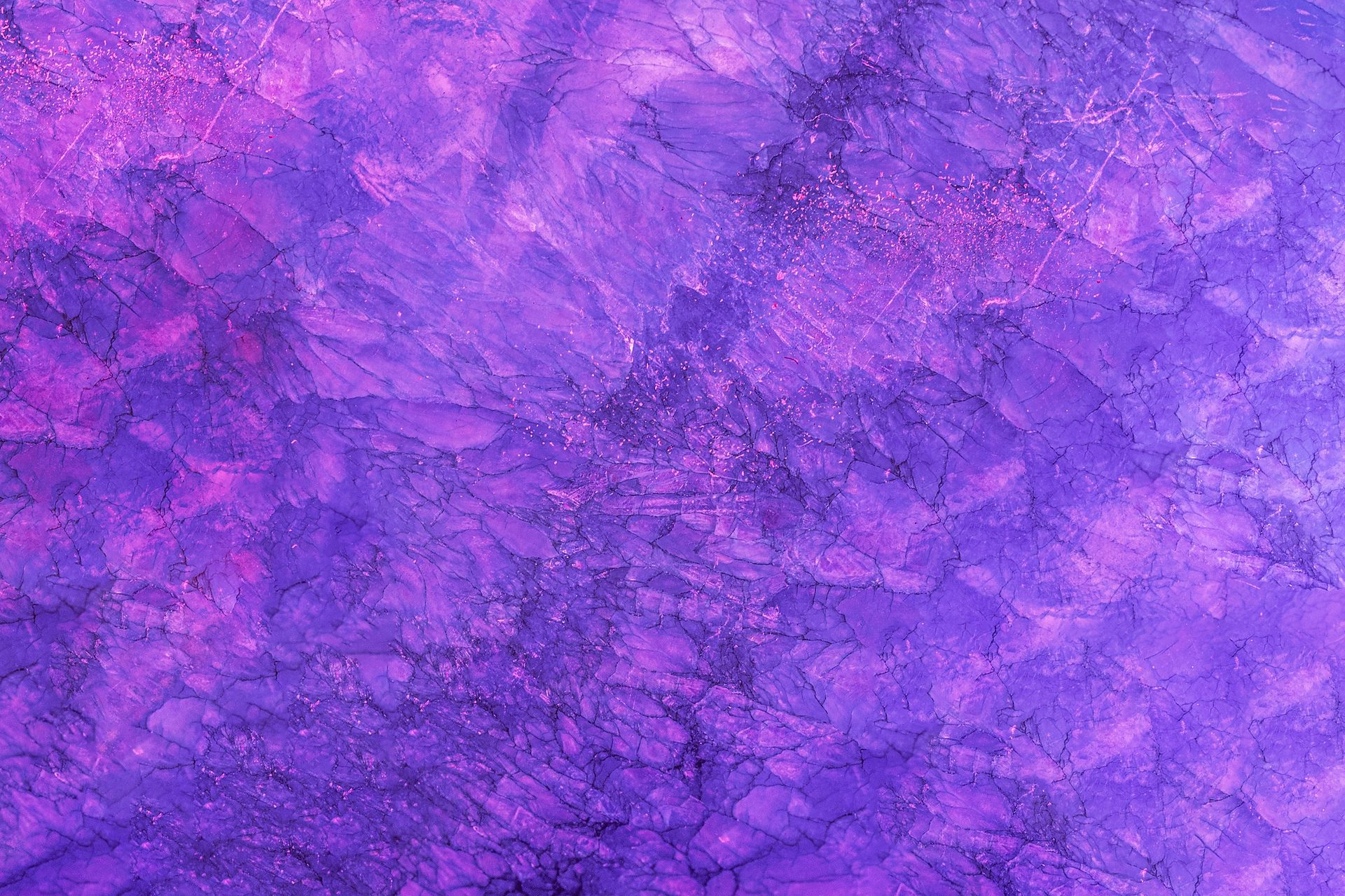
Purple Opal
Twilight in stone - rare purple opal for mystical depth, spiritual awakening, and dream wisdom
- Morado Opal's name simply means 'purple' in Spanish - a refreshingly straightforward naming for a stone that could easily have been given a more exotic title.
- Some fine Morado opal shows faint violet play-of-color overlaid on the purple body color, placing these specimens in a rare transitional category between common opal and precious opal.
- Oaxaca, the primary source of purple opal, is also famous for Mexican fire opal - the region's volcanic rhyolite geology creates conditions favorable for multiple types of exceptionally colored opal.
- Purple is the rarest color in the common opal spectrum - the specific combination of trace minerals and organic compounds needed to produce clean violet tones occurs in fewer geological environments than those producing pink, blue, or green opal.
- The water content in purple opal (typically 6-10%) is not just an oddity - it is an active part of the stone's optical properties. As opal dries, colors can shift and fade, making hydration an essential aspect of the stone's maintenance.
- those drawn to spiritual depth and mystical energies
- practitioners of dreamwork and psychic development
- collectors seeking rare and unusual opal varieties
- those drawn to purple and violet crystal aesthetics
- anyone working with crown or third eye chakra energy
- buyers wanting a durable everyday stone
- those seeking play-of-color precious opal fire
- crystal practitioners preferring gentle or low-key energies
What Is Purple Opal?
Purple Opal is a rare variety of common opal with lavender to deep violet coloration, caused by trace manganese, iron, and organic matter within its amorphous hydrated silica structure. It rates 5.5-6.5 on the Mohs hardness scale.
The most prized form is Morado Opal from Mexico's Oaxaca state - a vivid violet-purple material that shows some of the deepest, most saturated purple tones of any common opal variety.
The rarity of genuine purple opal makes it significantly less common in crystal markets than its pink, blue, or green counterparts. Much of what is sold as purple opal in mass-market settings is dyed howlite or purple-dyed opalite (glass) - genuine purple opal requires careful sourcing and verification.
Mexican Morado Opal (morado means purple in Spanish) forms in volcanic rhyolite formations in Oaxaca, sometimes showing faint violet play-of-color alongside its body color - a rare characteristic that places some specimens between common and precious opal.
This optically complex quality makes fine Morado specimens among the most desirable purple opals in the mineral market.
Purple Opal vs. Similar Purple Stones
| Property | Purple Opal | Amethyst | Charoite |
|---|---|---|---|
| Hardness | 5.5-6.5 | 7 | 5-6 |
| Price | $ Budget | $ Budget | $ Budget |
| Rarity | Uncommon-rare | Common | Uncommon |
| Best For | Dreams, mysticism | Spiritual clarity | Soul purpose |
Meaning and Symbolism
Purple opal sits at what practitioners call the intersection of the physical and spiritual worlds - its opal base connecting it to water and flow, its purple color linking it to the crown and third eye.
The combination is said to create a uniquely receptive stone that opens both dreaming and waking spiritual perception.
In crystal traditions, purple opal is associated with mystery, deep spiritual insight, and the courage to explore the unknown dimensions of consciousness. It is described as a stone for those ready to go beyond comfortable spiritual practices into genuinely transformative territory - the edge where the familiar dissolves into something larger.
Many practitioners also connect purple opal with psychic protection - the combination of opal's reflective and protective qualities with purple's spiritual authority is said to create a shield that deflects negative spiritual energies while maintaining full receptivity to beneficial guidance.
This makes it valued for shamanic practitioners and those who work in spiritually complex environments.
Historical Timeline
Healing Tradition
Emotional
Practitioners describe Purple Opal as a stone for those who are genuinely ready to see clearly - not comforting illusions but the actual nature of their emotional patterns, fears, and gifts. The stone is said to illuminate the unconscious with a clarity that can feel simultaneously uncomfortable and liberating.
Many crystal healers use it in intensive inner work contexts, particularly for clients ready to release deeply held beliefs about reality that have been limiting their growth. It is associated with the courage required for genuine psychological and spiritual transformation.
Spiritual
In spiritual practice, purple opal is said to be among the most powerful activators of crown and third eye receptivity. Practitioners believe it opens perception to spiritual dimensions that most stones only gesture toward, creating a more direct channel to what different traditions call higher guidance, the Akashic Records, or the subtle planes of consciousness.
The stone is associated with shamanic traditions and is said to be particularly effective during ceremony, vision work, and practices involving intentional altered states of consciousness. It is also linked to psychic protection during such work.
Physical
Some crystal wellness practitioners associate Purple Opal with the nervous system, pineal gland, and deep sleep cycles. It is traditionally placed over the crown or third eye during energy healing sessions. No scientific evidence supports these associations. Always consult a qualified healthcare provider for any health concerns.
Zodiac, Birthstone and Gifts
Scorpio's fearless descent into psychological and spiritual depth aligns powerfully with purple opal's penetrating mystical energy - the stone is said to amplify Scorpio's natural ability to perceive what others cannot see. Pisces's boundless spiritual sensitivity and dreamwork nature makes purple opal a natural resonant ally for its most spiritual expressions.
Care and Cleansing
Moonlight under a full moon is the strongly preferred method - place on a safe, sheltered windowsill where moonlight reaches without dew or outdoor moisture exposure. The lunar energy aligns with opal's water nature and purple opal's dreamwork and mystery associations.
Sound cleansing is safe and effective for regular use. Crystal bowls tuned to the crown chakra frequency (B note) or any clear bell or singing bowl used for 2-3 minutes over the stone is recommended for active practitioners.
Absolutely avoid salt, prolonged heat, sunlight, and ultrasonic cleansers - all of these can cause opal to lose its water content and develop crazing (surface cracking), destroying the stone's appearance and possibly its structural integrity.
- DO store in a cool, moderately humid environment - opal requires water content maintenance.
- DO NOT use salt - it draws water from opal's structure and can cause irreversible crazing.
- DO NOT expose to prolonged heat or sunlight which causes dehydration cracking.
- DO NOT use ultrasonic cleaners, steam, or chemical cleaners on any opal variety.
- NOTE purple opal is softer than quartz at 5.5-6.5 - store separately from harder minerals.
Real vs Fake
Genuine purple opal is relatively rare - much of what is sold as purple opal in mass-market crystal shops is purple opalite (glass), purple-dyed howlite, or resin-set synthetic material. Genuine purple opal should come with locality documentation.
Morado opal from Oaxaca has a specific visual character: deep violet color with a slightly waxy luster and occasional faint color play. It has organic color variation within the stone rather than the perfectly uniform color of glass or dyed material.
Test hardness if possible - genuine opal (5.5-6.5) will be scratched by quartz. Glass fakes have hardness 5.5 but a different surface character. Howlite fakes (3.5) are much softer. If a steel file scratches the stone easily, it may be howlite.
Glass purple opalite (the most common fake) has an artificial iridescence and feels noticeably lighter than real opal. When held to a strong light, glass shows transmitted color uniformly; real opal often shows internal color variation and opacity.
Purchase from mineral dealers specializing in opal varieties who can specify Oaxaca, Mexico or another verified source. Paying slightly more for documented genuine material is especially important for a stone as frequently faked as purple opal.
Purple Opal Jewelry & Gifts
Genuine purple opal is priced higher than common crystal varieties due to rarity. Morado opal tumbles run $15-$50; cabochons and carved pieces $40-$200; fine faceted Morado gems $50-$400+. Be skeptical of very cheap 'purple opal.'
Morado opal represents the premium tier - look for consistent deep violet to grape-purple color, characteristic waxy luster, and natural color variation. Specimens showing even the faintest play-of-color are especially valuable.
For collectors, raw Morado opal nodules from verified Oaxaca sources are available from specialty mineral dealers and at gem shows. These provide the most direct confirmation of authenticity and locality.
Purple opal from Peru is generally less expensive than Mexican material and has a softer, more lavender tone. This is a good option for those wanting genuine purple opal at more accessible price points.
Avoid generic 'purple opal' tumbles at $2-$5 from unspecified sources - these are almost certainly not genuine opal. The real thing at fair prices from reputable dealers is worth the investment for both metaphysical use and the genuine satisfaction of owning authentic material.
Where to Buy Purple Opal
Affiliate disclosure: Some links below earn us a small commission at no extra cost to you. See our affiliate disclosure page.
Handmade, raw, and tumbled pieces from independent sellers worldwide.
Shop Purple Opal on Etsy →Accessories, tools, and specimen sets with fast Prime delivery.
Shop Purple Opal on Amazon →Certified loose gemstones graded and photographed for online buyers.
Shop Purple Opal on GemSelect →Pairs Well With


Where Purple Opal Is Found


