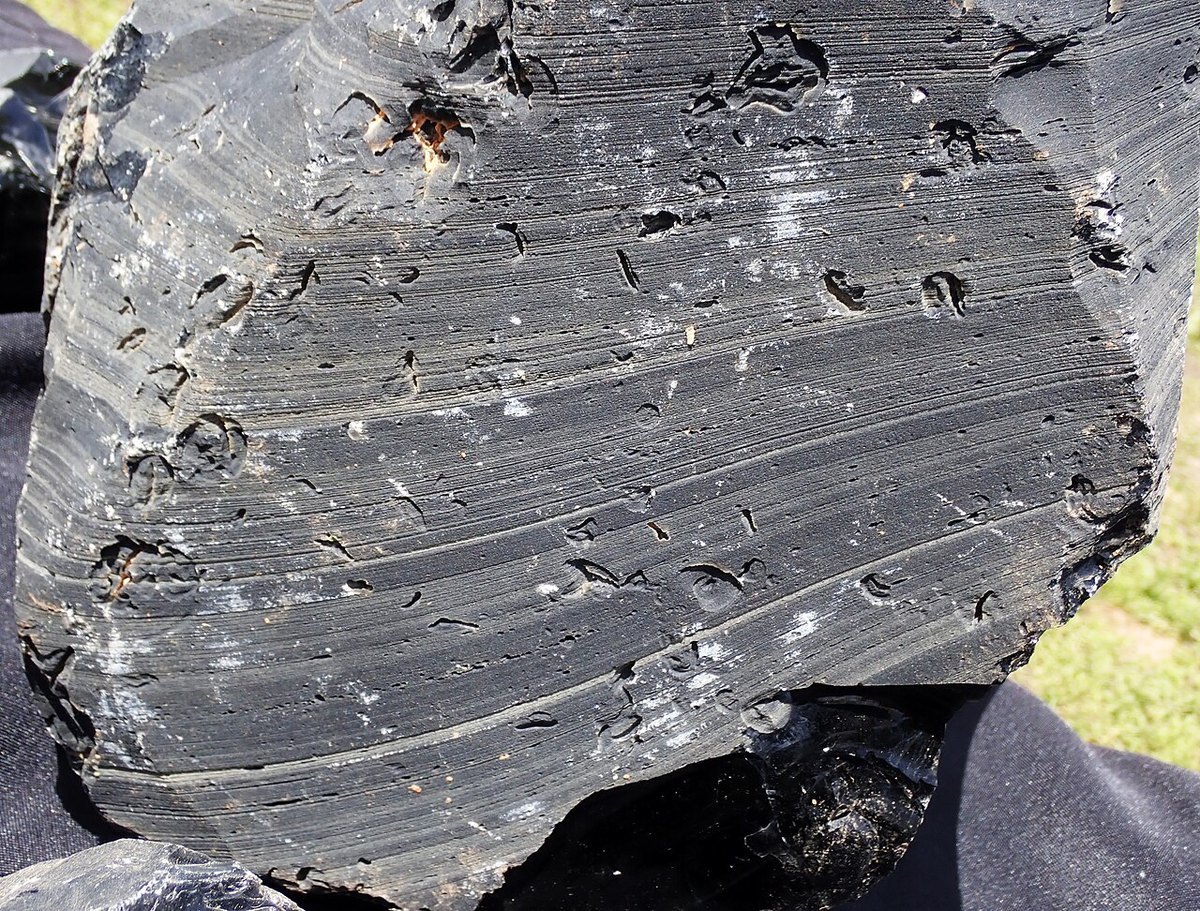
Rainbow Obsidian
Black volcanic glass that flashes rainbow iridescence at the right angle, rainbow obsidian brings joy and color to traditional shadow work.
- Rainbow obsidian's iridescent flash comes from magnetite nanocrystal layers thin enough to split light into rainbow colors.
- Aztec ceremonial mirrors prized rainbow obsidian over plain black material for high-status divinatory practice.
- The rainbow effect only appears at specific viewing angles; turn the stone slowly and the colors flash and disappear.
- Cutters must align polish surfaces with the magnetite layers to bring out the rainbow effect; wrong orientation hides it entirely.
- Rainbow obsidian is sometimes called heaven's eye obsidian in modern crystal lore for its bright visual effect.
- Practitioners working with heart-opening shadow integration and joyful release
- Cabochon collectors drawn to dramatic iridescent rainbow optical effects
- Crystal carriers wanting a gentler obsidian variant for color-themed practice
- Daily-wear pendant buyers seeking a conversation-piece statement stone
- Beginners exploring obsidian energy for the first time through visual play
- Buyers wanting straightforward black obsidian (try obsidian)
- Daily-wear ring buyers (too brittle and chips easily)
- Practitioners seeking quiet contemplative stones (try snowflake obsidian)
What Is Rainbow Obsidian?
Rainbow obsidian is a variety of volcanic glass that displays iridescent rainbow color flashes when viewed at certain angles, while appearing pure black from most directions. The optical effect is caused by thin nanoscale layers of magnetite (iron oxide) nanocrystals aligned within the glass during cooling.
These layers act like tiny diffraction gratings, splitting light into spectrum bands much as oil films do on water.
Geologically, rainbow obsidian forms in the same rhyolitic volcanic settings as black obsidian, with the rainbow effect emerging only when the lava cooled with specific orientation of dissolved iron content.
The magnetite nanocrystals crystallized in parallel sheets too thin to be visible to the naked eye but precisely the right thickness to produce constructive light interference. Cutting and polishing must align with the magnetite layers to bring out the rainbow effect.
The world's primary source is Mexico, particularly the volcanic regions of Jalisco, where most commercial rainbow obsidian is mined and cut. Smaller deposits in the western USA and other rhyolite-rich regions produce additional material.
Rainbow obsidian is moderately durable (Mohs 5 to 5.5) but brittle like all obsidian, with characteristic conchoidal fractures. It is widely used for cabochons, palm stones, spheres, beads, and small carvings designed to display the rainbow flash.
The optical effect is most dramatic on curved surfaces (spheres and cabochons) where viewing angle changes naturally as the eye moves across the stone.
How Rainbow Obsidian Compares
| Property | Rainbow Obsidian | Black Obsidian | Labradorite |
|---|---|---|---|
| Hardness | 5 - 5.5 | 5 - 5.5 | 6 - 6.5 |
| Price / piece | $ Budget | $ Budget | $ Budget |
| Optical effect | Rainbow iridescence (magnetite layers) | None (pure black) | Labradorescence (feldspar layers) |
| Best For | Heart shadow work, joy | Deep shadow | Layered intuition |
Meaning and Symbolism
Rainbow obsidian carries meaning shaped by both its volcanic origin and its remarkable visual effect. Like all obsidian, it inherits the long Mesoamerican tradition of obsidian as a sacred stone of protection and shadow work used by Aztec and Maya cultures for over 1,000 years.
The rainbow variety adds a distinct modern symbolic layer through the iridescent flash that transforms the dark glass into a play of colors when light catches it correctly. Modern crystal tradition treats rainbow obsidian as a stone that brings joy, beauty, and color into otherwise heavy shadow work.
The rainbow flash appearing from black depths is taken as a visual symbol of beauty emerging from difficult emotional territory, and the stone has accumulated a reputation for heart-opening healing work that bridges grief, joy, and integration. Crystal writers commonly call it the obsidian for the heart.
Practitioners believe rainbow obsidian supports the heart and root chakras together, with the rainbow effect symbolizing the seven chakras unified in healing flow. Many find the stone useful for emotional recovery work, grief processing, relationship healing, and the long return to joy after difficult periods.
Rainbow obsidian is commonly recommended for sensitive readers approaching shadow work for the first time, since the rainbow visual element makes the practice feel more accessible than pure black obsidian. The stone is also valued for its conversation-piece quality, often catching attention and conversation about its remarkable optical effect during social settings.
Historical Timeline
Healing Tradition
Emotional
Practitioners believe rainbow obsidian supports heart-opening emotional healing during grief, recovery, and the long return to joy after difficult periods.
In crystal healing tradition, it is said to ease the heaviness of mourning by reminding the user that joy and beauty are still possible, with the rainbow flash serving as a visual anchor for this hope.
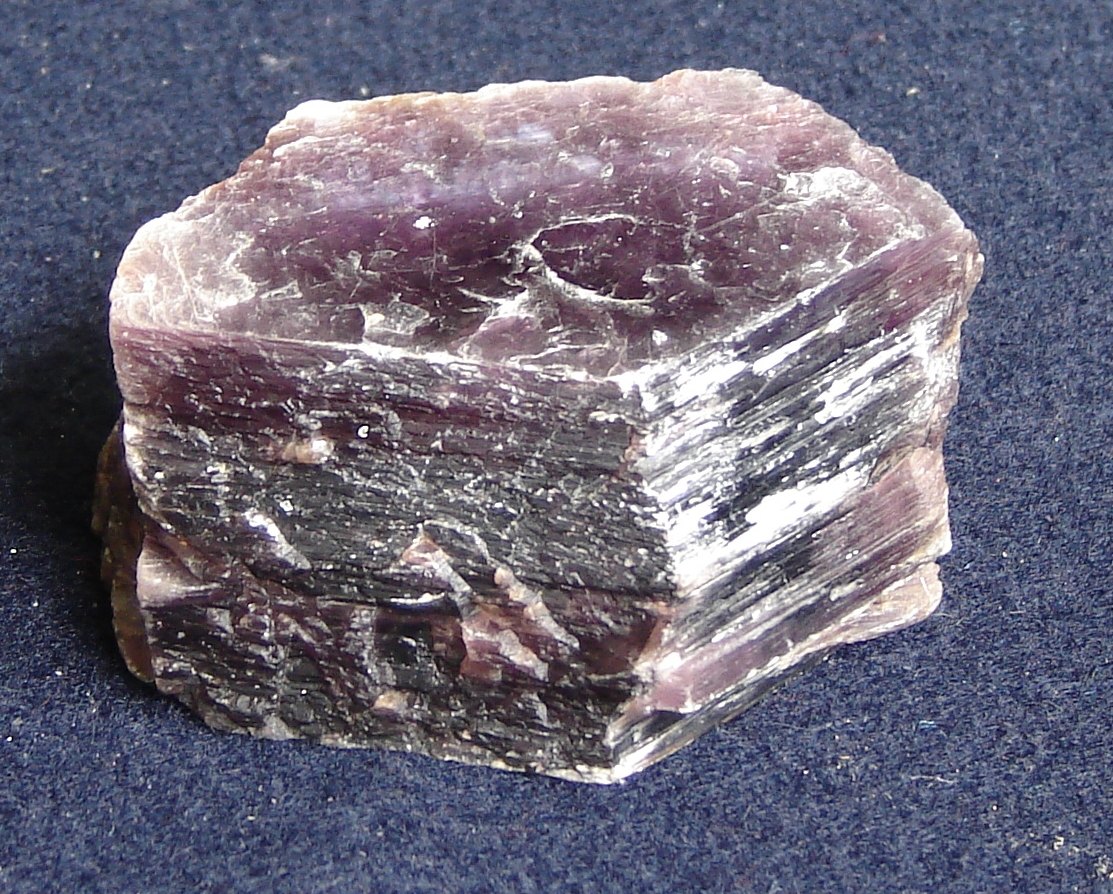
Many find rainbow obsidian useful during grief recovery, end-of-relationship integration, or any season requiring patient return to emotional warmth. The stone is often paired with rose quartz for soft heart practice and with lepidolite for layered calming during difficult work.
Because rainbow obsidian carries the dramatic visual effect of color emerging from darkness, practitioners describe it as inherently symbolic of integration: the joy that emerges from doing the work of facing difficulty.
It is rarely framed as a stone for catharsis or rapid mood shift; its reputation is steady, hopeful, and oriented toward the long patient return to wholeness. Many readers describe rainbow obsidian as a stone that promises joy is still possible.
Spiritual
In crystal healing tradition, rainbow obsidian is one of the most beloved heart-opening shadow-work stones associated with the heart and root chakras. Practitioners believe the rainbow flash symbolizes the seven chakras unified in healing flow, with the stone supporting integration of difficult material through joyful presence rather than confrontational depth.
The stone is widely used in modern crystal practice for grief work, emotional recovery, and what practitioners describe as joyful shadow integration.
Many practitioners use rainbow obsidian during evening meditation, journaling sessions focused on processing difficult emotions, or sustained cycles tied to therapy or recovery work that emphasizes finding beauty in the journey.
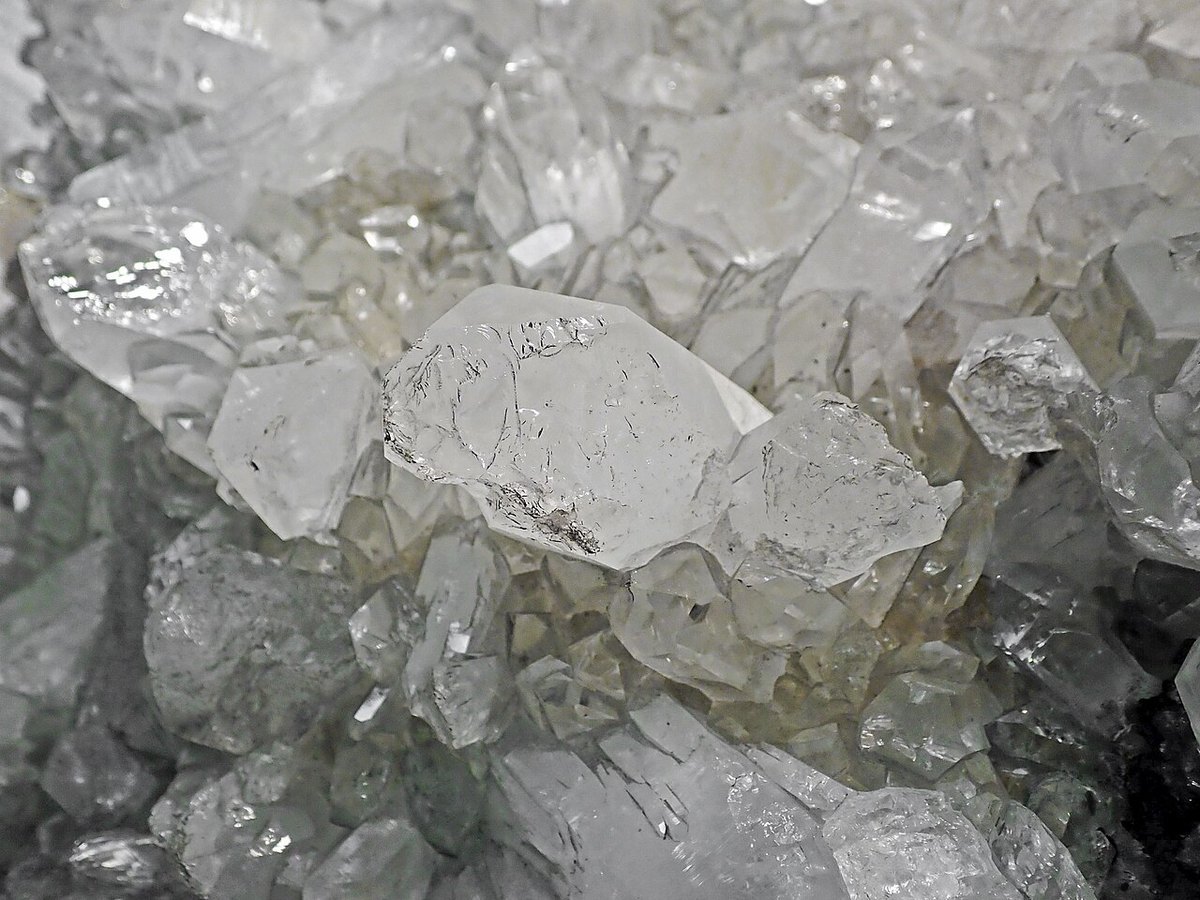
The stone pairs naturally with clear quartz for amplification, with labradorite for layered iridescent practice, and with rose quartz for soft heart-centered companionship. Its traditional Saturn and Venus associations emphasize disciplined healing balanced with love and beauty.
Physical
Practitioners believe rainbow obsidian supports what traditions describe as heart energy circulation, immune resilience after stress, and the kind of physical regeneration that follows emotional healing. Most physical correspondences are 20th-century in origin since rainbow obsidian as a specific named variety is a modern lapidary tradition.
Rainbow obsidian is not a substitute for medical care, and crystal traditions frame it as supportive rather than curative.
Many readers wear rainbow obsidian pendants during therapy intensives, recovery cycles, or periods requiring sustained heart-centered self-care. Practitioners sometimes pair rainbow obsidian with rose quartz for fuller heart chakra warmth and with black tourmaline for protective grounding during difficult cycles.
In contemporary gem therapy, rainbow obsidian is sometimes recommended as a focal stone during somatic-focused healing modalities that emphasize emotional integration through the body.
Zodiac, Birthstone and Gifts
Rainbow obsidian is not a classical birthstone, but modern crystal writers often suggest it for Libra readers seeking beauty-centered emotional healing and for Sagittarius readers wanting expansive joyful practice. Astrologers traditionally associate the stone with Saturn for its disciplined healing quality and Venus for its beauty association.
Scorpio readers also respond well to rainbow obsidian for shadow integration with a softer visual element. Water signs broadly find the stone supportive of emotional recovery work. Earth and fire signs sometimes pair rainbow obsidian with grounding or warming stones for fuller chakra balance during heart-focused practice.
Care and Cleansing
Rainbow obsidian is one of the easiest stones to cleanse because it is chemically stable. Lukewarm soapy water with a soft cloth removes grime safely; rinse and dry with a soft lint-free cloth.
Avoid ultrasonic and steam cleaners because the brittle glass can fracture under vibration. Skip prolonged saltwater soaking to preserve any metal setting.
Smoke cleansing with sage, palo santo, cedar, or frankincense is the safest method for rainbow obsidian. Sound cleansing with a singing bowl is also fine. Brief sunlight or moonlight exposure are both traditional recharging approaches.
Many practitioners specifically favor rainbow visual practice during cleansing, tilting the stone in light during the process to refresh the visual association with the practice. Recharging on a clear quartz cluster overnight is standard.
- DO clean rainbow obsidian with lukewarm soapy water and a soft cloth.
- DO NOT use ultrasonic or steam cleaners on obsidian; the brittle glass can fracture.
- DO store rainbow obsidian separately from harder stones to avoid surface scratches.
- DO NOT subject rainbow obsidian to sudden temperature changes; thermal shock can cause cracks.
- DO use protective bezel settings for ring wear since the stone has only fair toughness.
- DO handle spheres and palm stones carefully; obsidian conchoidal fractures produce sharp edges if dropped.
- Note: clean breaks in obsidian leave razor-sharp edges; handle broken pieces carefully.
Real vs Fake
Genuine rainbow obsidian shows iridescent rainbow flash at specific viewing angles when light catches the stone correctly, against a dark black or deeply purple-black body color. The rainbow effect comes from real magnetite nanocrystal layers and shifts naturally as the stone is tilted.
Imitations made from coated glass or printed resin show suspiciously uniform rainbow patterns that do not change with viewing angle, or visible coating that flakes with handling.
Color and optical behavior are the key checks. Real rainbow obsidian appears black from most angles and flashes rainbow only at specific orientations; the flash color changes from green to purple to blue to gold as the stone tilts.
Stones marketed as rainbow obsidian that show constant rainbow color from all angles are usually coated glass or labradorite (which has a similar but distinct optical effect called labradorescence).
At home, you can examine the stone surface for natural conchoidal fracture patterns where the polish ends, test hardness gently (rainbow obsidian scratches glass easily but is scratched by quartz only with effort), and tilt the stone slowly under bright light to confirm the natural shifting rainbow behavior.
Be cautious of dyed or coated stones that show color changes when scratched or rubbed.
For higher-priced spheres and statement pieces above $100, request locality information; Mexican Jalisco provenance is standard, and significant deviations should be documented. Glass imitations are common in budget markets.
Rainbow Obsidian Jewelry & Gifts
Rainbow obsidian pricing is meaningfully higher than plain black obsidian because of the additional cutting skill required to align the polish with the magnetite layers. Small tumbled pieces with visible rainbow flash run $5 to $20 each. Cabochons in 20mm to 40mm sizes with strong rainbow effect run $15 to $80.
Larger statement cabochons and spheres above 50mm with dramatic rainbow play can reach $80 to $300 for fine pieces.
Rainbow obsidian spheres are particularly popular and command premium pricing. Quality spheres in 30mm to 60mm sizes run $50 to $250, with larger spheres of exceptional rainbow saturation reaching $300 to $1,000 for collector-grade pieces. Carvings, palm stones, and pendants vary by craftsmanship and size, often $30 to $200.
Rainbow obsidian is generally untreated. Some lower-grade material is coated to enhance the rainbow effect, particularly for budget bead production. Always ask about coating treatment, especially for stones with unusually constant rainbow color from all angles.
Buy from established crystal dealers or Mexican lapidary importers for consistent quality, and request locality information for any stone above $100.
Where to Buy Rainbow Obsidian
Affiliate disclosure: Some links below earn us a small commission at no extra cost to you. See our affiliate disclosure page.
Handmade, raw, and tumbled pieces from independent sellers worldwide.
Shop Rainbow Obsidian on Etsy →Accessories, tools, and specimen sets with fast Prime delivery.
Shop Rainbow Obsidian on Amazon →Certified loose gemstones graded and photographed for online buyers.
Shop Rainbow Obsidian on GemSelect →Pairs Well With


Where Rainbow Obsidian Is Found

