Sardonyx
A banded chalcedony of sard and onyx, sardonyx is the classical August birthstone of courage and marital happiness.
- Sardonyx is one of the oldest continuously used gemstones, worked since at least 3000 BCE.
- The Cameo of Augustus carved from sardonyx around 27 BCE is now in the Kunsthistorisches Museum in Vienna.
- Roman general Scipio Africanus reportedly wore a sardonyx signet ring as his personal seal.
- Sardonyx is one of the twelve stones listed on the breastplate of the high priest in the Book of Exodus.
- The word sardonyx combines sard (red-brown chalcedony) and onyx (banded black-white chalcedony).
- August birthday gift seekers wanting a traditional alternative to peridot
- Buyers drawn to classical Roman and Renaissance cameo aesthetics
- Practitioners working with root chakra courage and grounded action
- Collectors of banded agate and chalcedony varieties
- Gift givers shopping for engagement, wedding, or long-term commitment tokens
- Buyers wanting bright saturated color (consider citrine or carnelian)
- Those seeking a faceted brilliant stone (try garnet)
- Shoppers avoiding earth-tone palettes (consider labradorite)
What Is Sardonyx?
Sardonyx is a banded variety of chalcedony (cryptocrystalline quartz), combining alternating layers of red-brown sard and white or black onyx. It rates 7 on the Mohs hardness scale.
The name comes directly from these two components, and sardonyx is sometimes described as sard with onyx banding or as a specific type of banded agate.
At Mohs 7, sardonyx is hard enough for daily wear and has been one of the classical cameo-carving stones for over two thousand years.
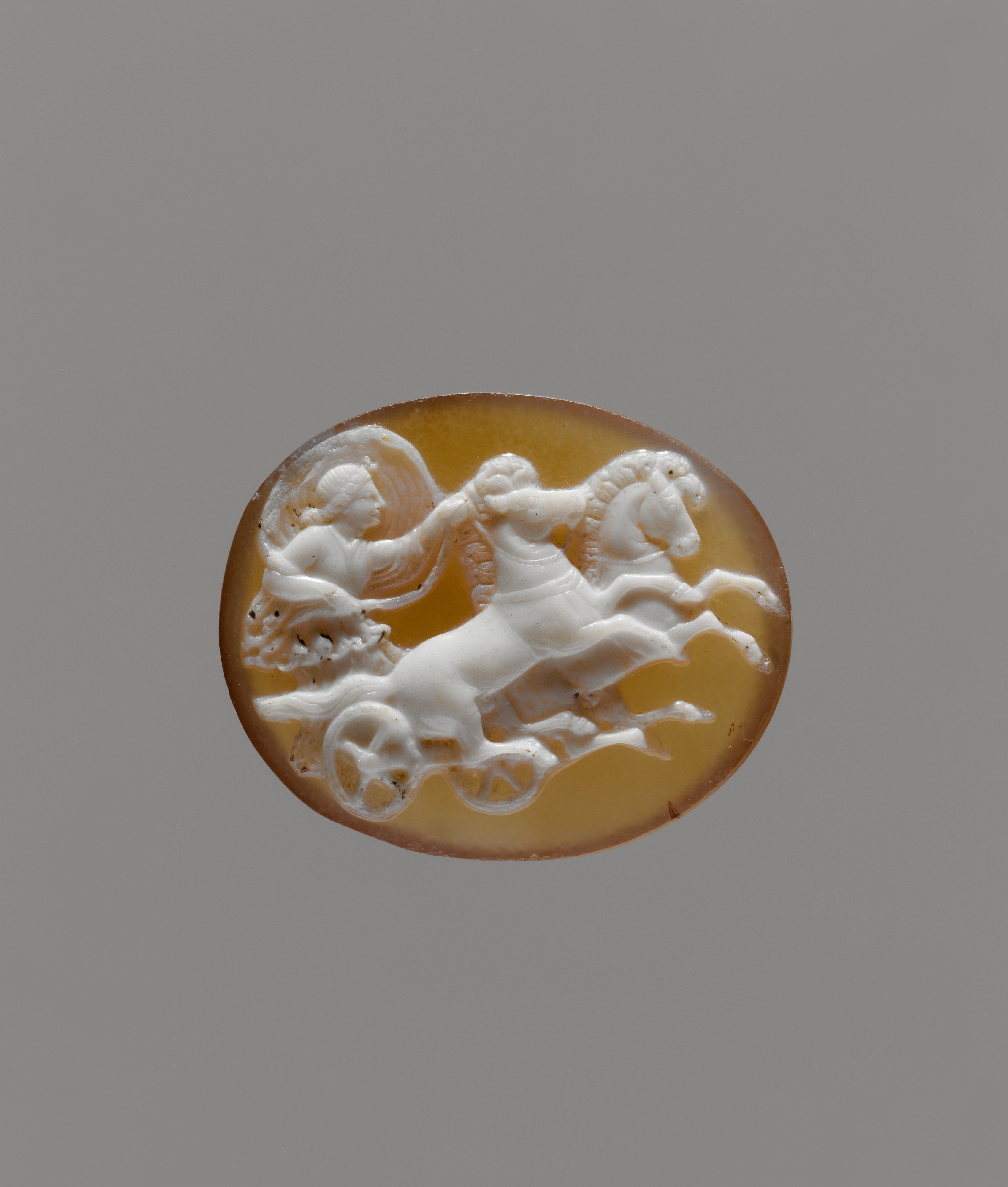
The sharp contrast between the brown and white layers makes sardonyx ideal for cameo carving, where the artist cuts through an upper dark layer to reveal a lighter layer beneath, producing a figure in relief with natural color contrast.
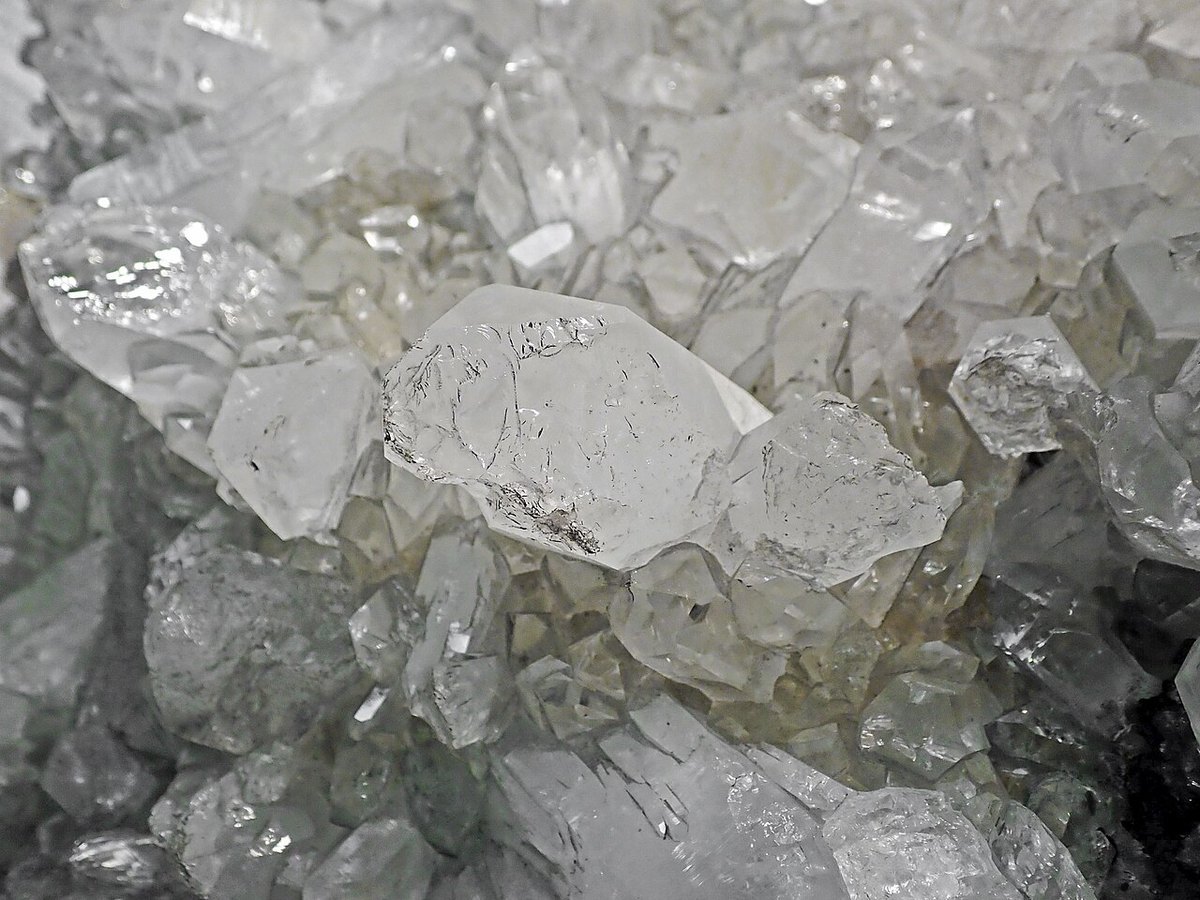
The stone forms in volcanic cavities when silica-rich groundwater deposits alternating bands of iron-stained and pure chalcedony. Major commercial sources today are India (particularly the Deccan Traps), Brazil, Uruguay, Germany (where the Idar-Oberstein cutting tradition has worked sardonyx since Roman times), and Madagascar.
Historically, sardonyx came primarily from ancient Greek and Roman supply chains in the eastern Mediterranean and the Middle East. Sardonyx has been the traditional August birthstone alongside or preceding peridot for most of the twentieth century, and it remains on many modern birthstone lists as an alternative choice for August.
How Sardonyx Compares
| Property | Sardonyx | Carnelian | Agate |
|---|---|---|---|
| Hardness | 7 | 6.5 - 7 | 6.5 - 7 |
| Price / carat | $ Budget | $ Budget | $ Budget |
| Pattern | Red-brown + white bands | Uniform red-orange | Banded, many colors |
| Best For | Cameos, signet rings | Pendants, beads | Cabochons, carvings |
Meaning and Symbolism
Sardonyx is among the most historically significant gems in Western culture. Ancient Egyptians carved it into seals and amulets as early as 3000 BCE, and Greek and Roman craftsmen made it the preeminent cameo and intaglio stone of classical antiquity.
The Roman general Scipio Africanus reportedly wore a sardonyx ring as his personal seal. In Hebrew tradition, sardonyx appears as one of the twelve stones on the breastplate of the high priest described in the Book of Exodus.
During the Renaissance, sardonyx cameos became one of the signature luxury objects of European courts. The Cameo of Augustus, carved around 27 BCE and now in the Kunsthistorisches Museum in Vienna, is one of the most famous ancient sardonyx works.
Queen Elizabeth I owned a large sardonyx cameo collection, and Victorian sentimental jewelry often featured sardonyx portraits and symbolic scenes.
In modern crystal healing tradition, sardonyx is associated with courage, protective strength, and marital happiness. Practitioners traditionally describe it as a stone for warriors and for married couples facing difficult decisions together.
It pairs naturally with carnelian as its chalcedony cousin and with onyx as its banding partner. Sardonyx is one of the stones most often recommended for long-term commitment work because of its historical association with Roman marriage tradition.
Historical Timeline
Healing Tradition
Emotional
Practitioners believe sardonyx supports emotional courage, commitment, and the steady resolution of conflict. In crystal healing tradition, it is often recommended for couples navigating relationship challenges, for individuals facing major decisions about long-term commitment, and for anyone working on staying-power during difficult periods.
Many readers wear sardonyx jewelry during weeks of marital stress or during commitment discernment, and practitioners describe the stone as a visual anchor for steady resolve.
Practitioners pair sardonyx with rose quartz when the emotional work involves relationship tenderness, or with smoky quartz when grounding is needed alongside commitment energy.
Because its reputation is oriented toward courage and perseverance, sardonyx is often described as a stone for mature emotional work rather than quick transformation. Readers sometimes describe sardonyx as particularly useful during wedding planning or long-term financial decision-making.
Spiritual
Sardonyx is traditionally associated with the root and sacral chakras and with what crystal workers call grounded courage. Practitioners describe it as a stone that supports disciplined spiritual practice rather than ecstatic states.
In modern crystal healing tradition, sardonyx is sometimes called the stone of lifelong partnership because of its Roman wedding associations.
Many readers keep a sardonyx cameo or tumbled piece on a meditation altar during commitment-focused prayer or journaling, and some practitioners use small pieces in grids focused on long-term relationship stability.
It pairs readily with clear quartz and carnelian for combined amplification and vitality practice. The stone's banded structure is visually striking and practitioners sometimes use it as a focus for meditation on patience and layered growth.
Physical
Practitioners believe sardonyx supports what they describe as physical stamina, protection from illness, and general reproductive-area balance. Folk tradition links the stone with healthy pregnancies and with relief from stress-related physical complaints.
In modern crystal healing practice, sardonyx is most often placed on the lower torso or held in the dominant hand during sessions focused on endurance and courage.
Many readers wear sardonyx jewelry during pregnancy, long-term recovery, or demanding physical work periods. It is not a substitute for medical care, and practitioners frame its role as supportive alongside proper treatment.
Because sardonyx is hard (Mohs 7) and chemically stable, it is a practical daily-wear stone that can be worn in ring, pendant, or bracelet form without special handling concerns.
Zodiac, Birthstone and Gifts
Sardonyx is the traditional August birthstone and is strongly associated with Leo and Virgo in Western astrology. Practitioners describe sardonyx as an ally for Leo's courageous temperament and for Virgo's disciplined commitment.
Although modern US birthstone lists feature peridot as the primary August stone, sardonyx remains on the traditional pre-1912 list and is often given as a sentimental alternative, particularly for readers interested in classical Roman or cameo jewelry.
In ancient Roman tradition, sardonyx was sometimes prescribed in astrology as a grounding stone for fire signs.
Care and Cleansing
Sardonyx tolerates most common cleansing methods. Running lukewarm water for under a minute is safe, as is a gentle wash in mild soapy water with a soft brush.
Moonlight cleansing is traditional and safe. Sunlight cleansing is also appropriate because sardonyx color is stable under UV exposure. Smoke cleansing with sage, palo santo, or cedar and sound cleansing with a singing bowl are both effective.
Dry salt cleansing on a bed of sea salt for a few hours is safe, though saltwater soaks should be limited for jewelry because metal settings can corrode. Ultrasonic cleaners are generally safe for untreated sardonyx, but should be used carefully on antique cameos because older settings may loosen.
Many practitioners cleanse sardonyx at anniversaries, wedding dates, or other milestone moments rather than on a fixed schedule, treating the stone as a commemoration of long-term commitments.
- DO rinse sardonyx jewelry in warm soapy water and dry with a soft cloth.
- DO NOT use ultrasonic cleaners on antique sardonyx cameos without checking settings.
- DO store sardonyx separately from harder stones to prevent surface scratches.
- DO remove sardonyx rings before heavy manual work.
- DO ask about dyeing or color enhancement for inexpensive material.
- DO preserve antique cameo provenance documentation with the piece.
- Note: some commercial sardonyx is color-enhanced through dye or sugar-acid treatment; disclosure expected.
Real vs Fake
Genuine sardonyx shows natural alternating bands of red-brown sard and white or black onyx, with irregular band thickness and subtle color variations. The boundaries between bands may be sharp or gradational but usually show natural imperfections.
Under a 10x loupe, natural sardonyx shows a granular cryptocrystalline texture rather than the smooth vitreous appearance of glass.
Common imitations include dyed chalcedony (uniformly colored agate dyed to produce artificial red-brown layers), plastic or resin composites, and banded glass. Glass imitations are cold to the touch, show gas bubbles under magnification, and may have mold seams at the edges. Plastic imitations feel warmer and lighter than natural sardonyx.
A basic hardness test separates most imitations. Sardonyx scratches at Mohs 7 (similar to quartz), so it will scratch glass but not steel. Plastic and resin imitations are much softer and scratch easily. An acetone swab test reveals dye transfer on dyed imitations.
For antique cameos, provenance research is as important as material authentication. Reputable cameo dealers document carving date, artist or workshop attribution, and any restoration work. For modern cabochons and beads, buy from sellers who disclose whether color is natural or enhanced through dye or sugar-acid treatment.
Sardonyx Jewelry & Gifts
Sardonyx prices range from $5 per carat for small commercial cabochons to over $100 per carat for top antique cameos and select carving-grade material.
Standard cabochons and beads typically run $5 to $20 per carat. Modern cameos from Idar-Oberstein and Italian workshops reach $100 to $500 per piece depending on size and carving complexity. Antique Victorian and Georgian sardonyx cameos with documented provenance can reach several thousand dollars at auction.
Treatment concerns are mainly limited to dyeing and sugar-acid treatment used to enhance or stabilize color bands in cheap commercial material. Reputable sellers disclose these treatments in writing.
When buying, look for natural irregular banding, examine the stone under magnification for cryptocrystalline texture, and ask about origin (India, Brazil, Uruguay, Germany, Madagascar).
For antique cameos, buy from dealers experienced in classical and Renaissance cameo jewelry who can differentiate sardonyx from agate, onyx, and shell cameos. Idar-Oberstein carvings typically carry a workshop hallmark and may include a small provenance card with age and artist information.
Where to Buy Sardonyx
Affiliate disclosure: Some links below earn us a small commission at no extra cost to you. See our affiliate disclosure page.
Handmade, raw, and tumbled pieces from independent sellers worldwide.
Shop Sardonyx on Etsy →Accessories, tools, and specimen sets with fast Prime delivery.
Shop Sardonyx on Amazon →Certified loose gemstones graded and photographed for online buyers.
Shop Sardonyx on GemSelect →Pairs Well With




Where Sardonyx Is Found


