Shungite
A carbon-rich stone from the Karelian shores of Lake Onega, shungite is the modern protective crystal of grounded tech-era calm.
- Shungite is approximately 2 billion years old, making it among the oldest carbon-bearing rocks on Earth.
- The stone contains naturally occurring fullerenes, carbon molecules recognized by the 1996 Nobel Prize.
- Peter the Great reportedly mandated shungite water for Russian troops in 1714.
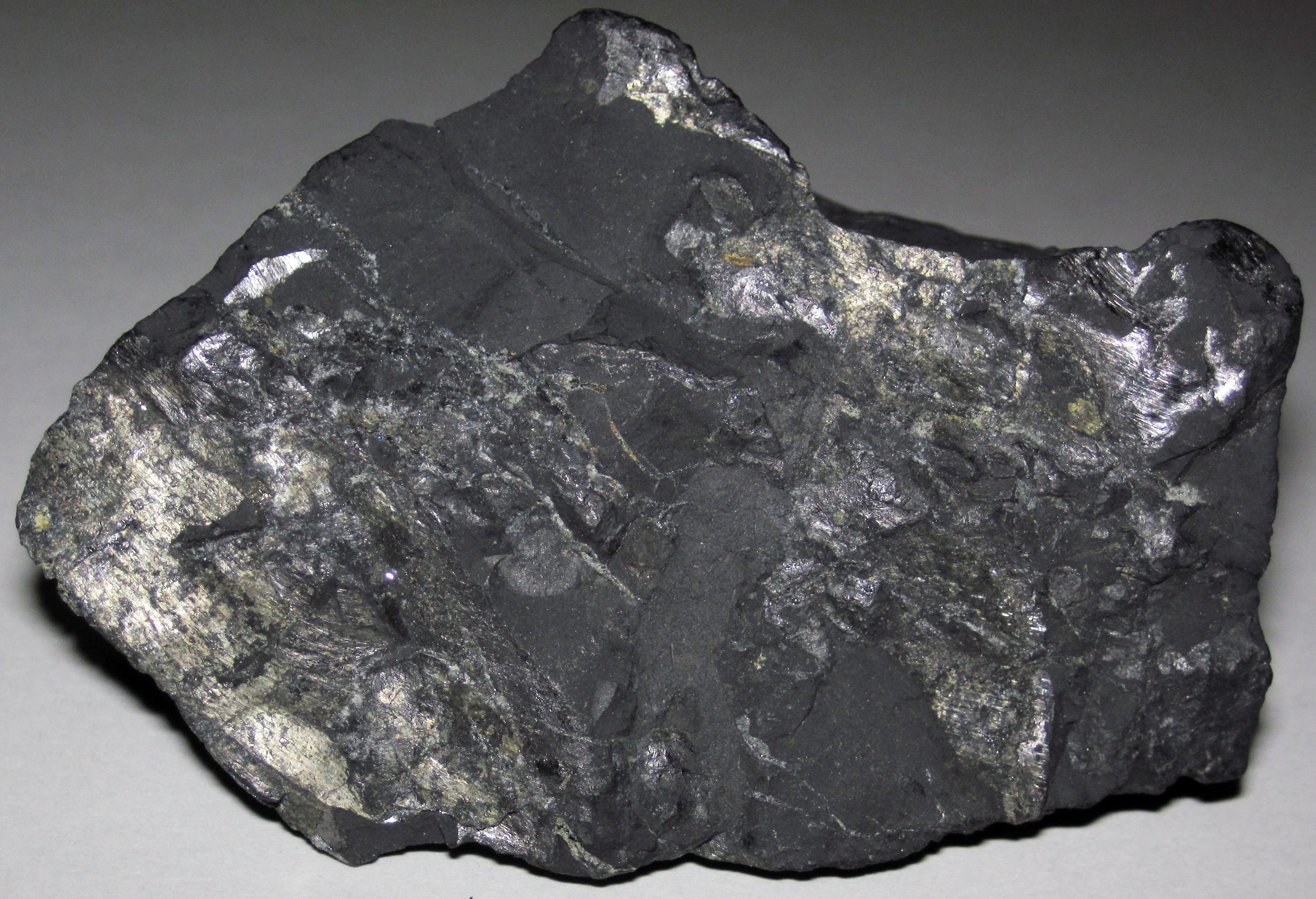
- Elite (noble) shungite contains over 98% carbon and shows semi-lustrous silver-black appearance.
- The primary commercial deposit is the Zazhoginskoye mine near Lake Onega in Russia's Karelia.
- Root chakra practitioners seeking grounded protective energy
- Readers drawn to tech-era crystal aesthetic and modern symbolic meaning
- Collectors interested in rare fullerene-bearing carbon mineralogy
- Home altar-makers wanting a distinctive black grounding centerpiece
- Beginners exploring an affordable alternative to black tourmaline
- Buyers wanting faceted transparent gemstones (try black spinel or smoky quartz)
- Fine-jewelry daily-wear shoppers (try black diamond or onyx)
- Those expecting ancient folkloric tradition (shungite's crystal healing use is recent)
What Is Shungite?
Shungite is a rare carbon-rich mineraloid found almost exclusively in the Zazhoginskoye deposit near Lake Onega in Russia's Karelia region. The material is essentially an ancient carbon-bearing sedimentary rock, estimated at approximately 2 billion years old, making it one of the oldest carbon-bearing materials on Earth.
The stone is named after the village of Shunga near the primary deposit.
Shungite occurs in several grades based on carbon content. Elite (or noble) shungite contains 98% or more carbon and shows a semi-lustrous silvery-black appearance; regular shungite contains 50 to 70% carbon and appears matte black; shungite rock below 50% carbon is more properly called schungite-bearing rock.
The material contains naturally occurring fullerenes, complex carbon molecules discovered in the 1980s.
Scientific interest in shungite accelerated after the 1996 Nobel Prize recognized fullerene discovery, with researchers noting that shungite is one of the few natural sources of these spherical carbon molecules. This scientific recognition coincided with shungite's rise as a modern crystal-healing stone, with practitioners adopting it for protective and grounding practices.
Shungite scores Mohs 3.5 to 4 and takes a good polish in its elite form. The stone is widely sold as tumbled pieces, beads, pyramids, and spheres. Carbon content makes it electrically conductive, which has contributed to modern claims about EMF protection that should be treated with appropriate hedging.
How Shungite Compares
| Property | Elite Shungite | Regular Shungite | Black Tourmaline |
|---|---|---|---|
| Hardness | 3.5 - 4 | 3.5 - 4 | 7 - 7.5 |
| Carbon content | 98%+ | 50 - 70% | 0% |
| Price / stone | $ Budget | $ Budget | $ Budget |
| Best For | Premium grounding, jewelry | Home altar, budget carry | Durable daily-wear protection |
Meaning and Symbolism
Shungite has a relatively short but interesting history in the Western crystal-healing world, despite its ancient geological age. Russian folk tradition has used shungite water for centuries as a local healing practice near Lake Onega, and Peter the Great is said to have mandated shungite water for Russian army use in 1714.
The stone entered international crystal-healing literature mainly in the 1990s and 2000s.
The scientific discovery that shungite contains naturally occurring fullerenes (cage-like carbon molecules recognized by the 1996 Nobel Prize in Chemistry) gave the stone a science-adjacent reputation that distinguishes it from most crystal-healing minerals. This dual scientific and spiritual framing has made shungite especially popular in modern crystal-healing contexts.
In crystal healing tradition, shungite is associated with the root chakra and with grounded protective energy. Practitioners describe it as a stone of modern calm, said to support equanimity amid the digital age's constant input.
Many readers keep shungite near electronic devices, on bedside tables, and in office spaces as a symbolic grounding presence. Crystal workers often pair it with black tourmaline for layered protection or with clear quartz for balanced amplification.
Claims about electromagnetic field blocking should be treated carefully; shungite is a symbolic reminder more than a verified electronic solution.
Historical Timeline
Healing Tradition
Emotional
Practitioners believe shungite supports modern-era calm and grounded presence amid constant input. Crystal healing tradition associates the stone with the work of maintaining equanimity in digital environments, and the stone is often placed near home computers, routers, and phones as a symbolic reminder.
Many readers keep shungite as a pocket stone during anxious phases, with the stone framed as a quiet grounding companion. Crystal workers sometimes recommend it for readers who feel overwhelmed by news cycles, social media, and work pressures, treating it as a patience-supporting ally.
Crystal workers often pair shungite with black tourmaline for layered protection or with rose quartz for tender balance during stressful periods. The stone is considered a daily-use support rather than a meditation intensifier.
Spiritual
In crystal healing tradition, shungite is linked with the root chakra and with grounded spiritual presence. Practitioners describe the ancient carbon mineralogy as a symbol of deep earth wisdom carried forward across two billion years, and the stone is often used during meditation focused on rootedness and quiet depth.
Many readers use shungite during practices focused on releasing digital overwhelm and returning to embodied presence. The stone has a distinctive modern lineage in crystal healing, with meaning actively shaped by contemporary practitioners rather than inherited from long folkloric tradition.
Crystal workers often place shungite in home altars, near entry thresholds, and on desks for daily grounding work. The stone is traditionally considered a 24-hour companion rather than reserved for specific meditation times, with presence in living spaces framed as a continuous symbolic support.
Physical
Practitioners believe shungite supports what they describe as grounded physical presence and steady energetic baseline. Crystal healing tradition associates the stone with general root-chakra wellbeing rather than specific conditions, and it is not a substitute for medical care.
Shungite water (made by steeping shungite in drinking water) is a traditional Russian practice, though readers should be aware that scientific evidence for specific health benefits is limited. Only elite-grade shungite is appropriate for water preparation, and the water should be used within a few days.
Claims about electromagnetic field protection should be treated with appropriate hedging. While shungite is electrically conductive because of its carbon content, scientifically rigorous evidence for EMF health effects is limited. Crystal workers often frame shungite's role as symbolic and aesthetic rather than as a verified electronic solution.
Zodiac, Birthstone and Gifts
Shungite is not a traditional birthstone, but astrologers often recommend it for Capricorn (for Saturn-ruled groundedness), Scorpio (for deep protective energy), and Cancer (for home-sanctuary support).
The stone is often kept near workspaces during Saturn return periods and Mars transit cycles when grounded calm is most needed. Many readers place shungite at the home entryway as an astrological-aesthetic protective threshold marker.
Care and Cleansing
Shungite tolerates most common cleaning methods. Warm soapy water with a soft cloth is safe. Brief rinses in running water are excellent for energetic cleansing. Ultrasonic and steam cleaners should be used with caution because of the stone's softness (Mohs 3.5 to 4).
Moonlight charging is widely recommended. Sunlight is safe in moderation. Smoke cleansing with palo santo or sage is an excellent gentle method that avoids water contact. Dry salt cleansing is safe; saltwater soaks are fine briefly.
Earth burial is traditionally considered especially suited to shungite because of the stone's ancient sedimentary origin. Leaving the stone buried in soil overnight or for a few days is a common cleansing practice.
Many practitioners also cleanse shungite on a bed of clear quartz or selenite, methods that avoid getting the porous stone wet for long periods.
- DO clean shungite with warm soapy water and a soft cloth; pat dry immediately.
- DO NOT subject shungite to thermal shock; softness makes it prone to cracking.
- DO note that shungite leaves black carbon residue on hands and cloth; wash after handling.
- DO NOT use harsh solvents or strong acids on shungite surfaces.
- DO use only elite-grade shungite if preparing shungite water; verify grade with seller.
- DO NOT overstate EMF protection claims; scientific evidence is limited.
- Note: regular shungite can leave visible black residue; elite grade polishes cleaner.
Real vs Fake
Genuine shungite shows characteristic carbon mineralogy with electrical conductivity being a distinguishing property. Elite-grade shungite (98%+ carbon) has a silvery-black semi-lustrous appearance with smooth polish. Regular shungite (50 to 70% carbon) is matte black and often leaves visible black residue on hands during handling.
Under 10x magnification, genuine shungite shows the amorphous carbon structure without crystal facets.
Common imitations include black obsidian, black onyx, dyed agate, plastic-resin pieces, and regular black rocks marketed as shungite. True shungite can be identified through a conductivity test: using a small battery and LED light circuit, genuine shungite should conduct electricity and light the LED when placed in the circuit.
This conductivity test is the most reliable at-home authentication method.
Practical at-home checks include the conductivity test described above, examining for characteristic carbon residue when rubbing regular-grade shungite, checking density (shungite is unusually light at specific gravity 1.9 to 2.1), and testing hardness with a steel file (shungite scratches easily).
For premium-priced elite-grade specimens, request Russian Karelia provenance documentation from reputable dealers. Chinese and Eastern European sources occasionally market similar-looking carbon rocks as shungite, which lack the genuine Karelian mineralogy.
Shungite Jewelry & Gifts
Shungite prices vary significantly by grade. Regular tumbled pieces run $2 to $10, elite tumbled stones $8 to $30, shungite pyramids $15 to $80, spheres $25 to $150, and decorative tiles $30 to $200. Jewelry-grade elite shungite pendants run $20 to $150.
Elite (noble) grade shungite commands significantly higher prices than regular because of its higher carbon content and better polish.
When buying, confirm Russian Karelia provenance from reputable dealers, verify carbon grade (elite vs. regular), and perform a conductivity test when possible. Elite shungite should feel dense and polish to a semi-lustrous finish; regular shungite is matte and may leave carbon residue.
Most shungite reaches the international market through Russian exporters and crystal retail distributors. Prices have risen as demand has grown, but the stone remains accessible compared to most collector minerals.
Where to Buy Shungite
Affiliate disclosure: Some links below earn us a small commission at no extra cost to you. See our affiliate disclosure page.
Handmade, raw, and tumbled pieces from independent sellers worldwide.
Shop Shungite on Etsy →Accessories, tools, and specimen sets with fast Prime delivery.
Shop Shungite on Amazon →Certified loose gemstones graded and photographed for online buyers.
Shop Shungite on GemSelect →Pairs Well With




Where Shungite Is Found
