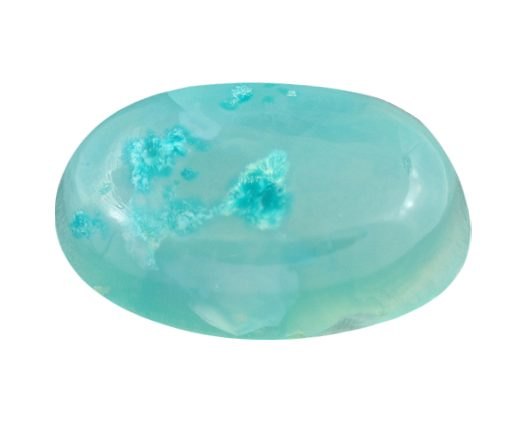
Smithsonite
A pastel zinc carbonate crust forming botryoidal lobes in oxidized zinc deposits, smithsonite is a heart soother.
- Smithsonite is named for James Smithson, whose estate funded the creation of major natural history museums Institution in Washington.
- The Kelly Mine in New Mexico closed in 1949 but its blue-green smithsonite still trades at strong collector prices.
- Smithsonite and hemimorphite were both historically sold as calamine, contributing to the confusion in old apothecary texts.
- The densest smithsonite specimens weigh nearly twice what their size suggests, due to the heavy zinc content.
- Cobalt-bearing smithsonite from the Democratic Republic of the Congo shows an unusual hot pink color unique in the carbonate family.
- Collectors drawn to botryoidal specimens with soft pastel surfaces
- Practitioners working with gentle heart chakra support and compassion
- Interior decorators seeking display crystals with natural lobed texture
- Mineral enthusiasts wanting species-complete zinc oxidation examples
- Spiritual readers looking for a stone to hold during grief or loss
- Buyers seeking ring stones for daily wear (consider chrysoprase or chalcedony)
- Those wanting transparent faceted gems (try aquamarine or morganite)
- Shoppers sensitive to fragile crystals (painite alternatives like pink opal)
What Is Smithsonite?
Smithsonite is a zinc carbonate mineral with the chemical formula ZnCO3, named in 1832 after the English mineralogist James Smithson whose bequest founded major natural history museums Institution. It forms as a secondary mineral in the oxidized zones of zinc ore deposits, where weathering converts sphalerite and other zinc sulfides into carbonates.
The International Mineralogical Association recognizes smithsonite with the symbol Smt, and gem-grade specimens are prized for their pastel colors and botryoidal habit.
With a Mohs hardness of 4 to 4.5, smithsonite is a soft stone unsuitable for ring wear but well suited to pendant settings, cabochons, and display pieces. It ranks among the denser carbonates at specific gravity 4.35 to 4.40, which gives specimens a noticeable heft.
Smithsonite typically grows as bubbly, grape-like clusters known as botryoidal aggregates rather than as sharp crystals. The surface is smooth and often silky, with tints that shift from gem to gem, including blue, blue-green, pink, lavender, yellow, and white.
Color in smithsonite is caused by trace elements substituting for zinc in the lattice. Copper produces the famous blue-green of Kelly Mine specimens, cobalt yields soft pink, cadmium creates yellow, and manganese shades toward lavender or purple.
Most smithsonite on the market is natural and untreated, since the stone's appeal rests on its pastel subtlety rather than on vivid saturation. Reputable sellers disclose any stabilization used to harden friable surfaces.
How Smithsonite Compares
| Property | Smithsonite | Hemimorphite | Chrysocolla |
|---|---|---|---|
| Hardness | 4 - 4.5 | 4.5 - 5 | 2 - 4 |
| Price / carat | $ Budget | $ Budget | $ Budget |
| Rarity | Uncommon | Uncommon | Common |
| Best For | Display, pendants | Collector cabs | Inlays, beads |
Meaning and Symbolism
Smithsonite carries a relatively young metaphysical tradition because the mineral itself was only named in the nineteenth century. The stone was previously confused with hemimorphite, and both were sold as calamine in medicinal and industrial contexts until analytical chemistry separated them.
The Kelly Mine discoveries in New Mexico during the late nineteenth and early twentieth centuries introduced blue-green smithsonite to serious collectors and gradually shaped its modern spiritual reputation.
Because smithsonite forms in the oxidized, weathered zones above zinc deposits, practitioners often describe it as a transition stone, one that helps the wearer move from buried, heavy states into lighter, more accessible feelings.
The soft botryoidal habit suggests clusters of droplets or small shelter shapes, a visual cue that crystal writers frequently link to comfort and sanctuary.
In modern crystal practice, smithsonite is traditionally associated with emotional balance, gentle healing, and the soothing of frayed nerves. Practitioners believe the stone opens the heart and throat chakras with a quiet touch rather than forceful shifts.
Many find it a useful companion during convalescence, after difficult conversations, or during the slow work of rebuilding self-trust after setbacks.
Historical Timeline
Healing Tradition
Emotional
Practitioners believe smithsonite is a stone of gentle comfort and emotional softening. In crystal healing tradition, it is said to cushion the wearer through grief, anxious transitions, and relationship strain, acting more like a quilt than a spark.
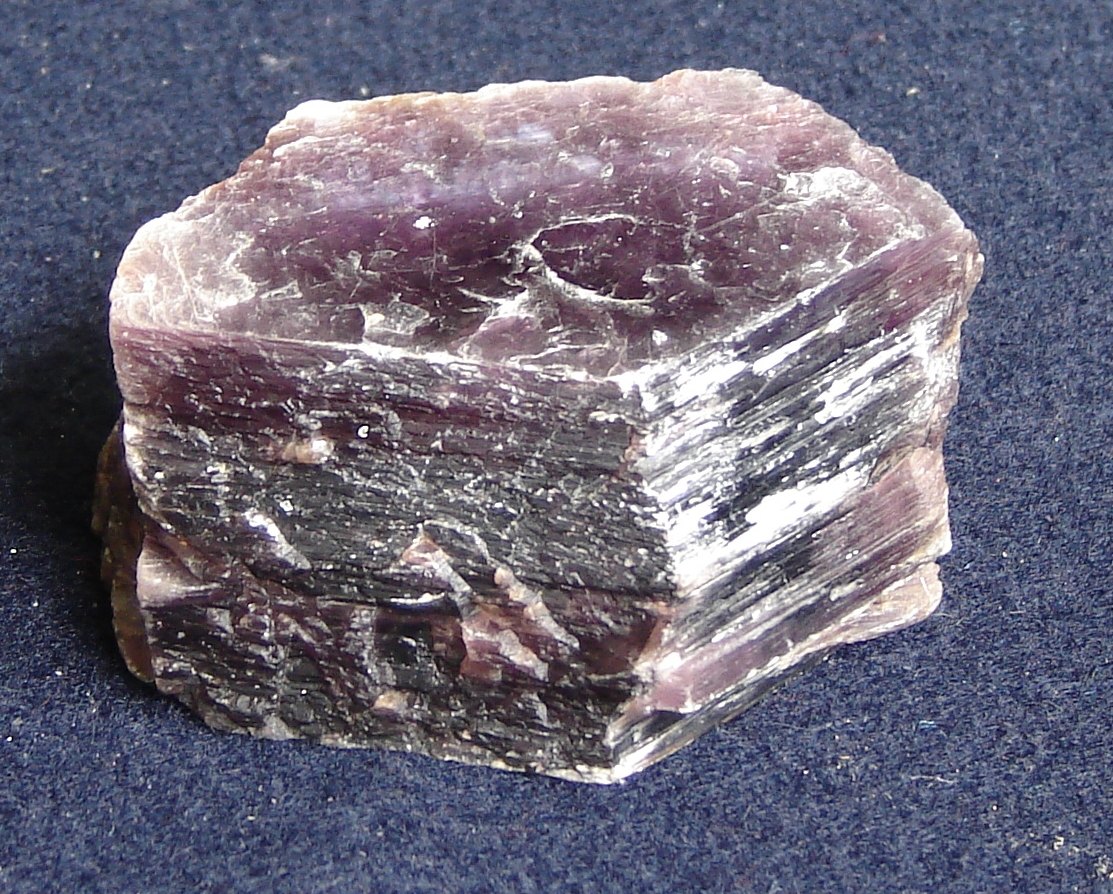
Many find smithsonite supportive after loss, during long caregiving periods, or when self-criticism runs high, with the stone traditionally associated with compassion toward oneself. Practitioners often pair it with rose quartz when the work centers on self-love, or with lepidolite when the nervous system needs quiet.
Smithsonite is also said to support people who absorb too much of other people's moods, giving them a soft boundary without hardening into detachment. It is not considered an energizing stone; readers looking for motivation usually turn to carnelian or sunstone, keeping smithsonite for the slower work of emotional repair.
Spiritual
In crystal healing tradition, smithsonite is said to open the heart and throat chakras together, helping tender feelings find gentle speech rather than staying locked inside. Practitioners believe this combination is what gives smithsonite its reputation for compassionate communication.
Many find smithsonite useful in meditations centered on inner child work, old wounds, or forgiveness practices. The stone has a short but consistent modern ritual tradition, since it entered popular crystal culture only in the twentieth century. Modern practitioners often hold a specimen during prayers of comfort or shared grief.
Smithsonite is traditionally associated with Venus in modern crystal astrology, which practitioners interpret as loving kindness rather than romantic passion. Placing a smithsonite near a picture of someone needing care, or on a journal during therapy, has become a common ritual among gentle-crystal users.
Physical
Practitioners believe smithsonite supports what they describe as soft tissues and the skin's protective layer, and it has long been connected in folk healing to zinc-related bodily processes.
Folklore around smithsonite builds on the historical use of calamine, the old English name shared by smithsonite and hemimorphite, which was applied in lotions for irritated skin long before modern pharmacology.
Many find holding a smithsonite specimen comforting during allergic flares, skin discomfort, or after long illness, with practitioners framing its effect as calming rather than curative.
Smithsonite is not a substitute for medical care, and practitioners are clear that the historical calamine tradition refers to processed zinc compounds rather than the mineral specimen. For readers using smithsonite energetically, crystal healing tradition sometimes pairs it with aquamarine for cooling or clear quartz for amplification.
Zodiac, Birthstone and Gifts
Smithsonite has no birthstone role but is frequently associated with Virgo and Pisces in modern crystal astrology. Both signs are known for sensitivity, which practitioners say pairs well with the stone's soft, cushioning energy.
For Virgo, smithsonite is said to soften the sign's tendency toward self-criticism, replacing sharp inner commentary with steadier kindness. For Pisces, the stone is believed to gently contain the sign's emotional tides without dampening intuition or imagination.
Practitioners suggest keeping smithsonite at the bedside or on a desk altar rather than wearing it, given its softness and vulnerability to abrasion from daily jewelry use.
Care and Cleansing
Smithsonite is sensitive to acids, salts, and prolonged moisture, so cleansing methods must be gentle. Wipe the specimen with a soft dry cloth to remove dust, and use a slightly damp cotton swab for any marks, drying the stone thoroughly afterward.
Avoid running water, soapy water, and ultrasonic or steam cleaners, all of which can damage the polish or leach trace elements from the surface.
Moonlight cleansing is the most recommended method for smithsonite, since it is gentle and risk-free. Overnight exposure on a windowsill during a full moon is considered sufficient. Smoke cleansing with palo santo or cedar is also safe, as is sound cleansing with a singing bowl held at a moderate distance.
Salt cleansing of any kind should be avoided because salts can corrode carbonate minerals over time. Many practitioners prefer to rest smithsonite briefly on a selenite slab or near a clear quartz cluster between uses.
- DO NOT soak smithsonite in water; brief wiping with a slightly damp cloth is the maximum safe exposure.
- DO NOT use salt, vinegar, or any acidic cleaner on smithsonite; carbonates dissolve slowly in acid.
- DO store smithsonite away from harder gems that can scratch its soft surface, such as quartz or sapphire.
- DO NOT expose smithsonite to prolonged direct sunlight, which can slowly fade copper-colored blue-green specimens.
- DO handle smithsonite with clean dry hands to avoid transferring oils to porous surfaces.
- DO ask sellers whether the specimen has been stabilized or impregnated, and request disclosure of any treatment.
- Note: smithsonite is too soft for ring use; reserve it for pendants, earrings, and display only.
Real vs Fake
Genuine smithsonite has a distinctive botryoidal habit and a silky, slightly waxy luster that is difficult to reproduce. Under a 10x loupe, natural specimens show the fine concentric growth layers that formed as the carbonate accumulated over decades of groundwater infiltration.
A specimen sold as smithsonite that is perfectly smooth without visible growth banding deserves closer inspection, since dyed aggregate and cast resin imitations exist.
Common imitations include dyed howlite, dyed chalcedony, and resin casts made from silicone molds of genuine smithsonite clusters. Dyed howlite typically shows a waxy surface with pale color pooling in surface fissures, while resin casts are much lighter than real smithsonite because of the density difference.
Hemimorphite is the most common natural confusion, since both minerals occur together in zinc deposits, share the blue-green palette, and were historically traded under the name calamine. Practical checks include a specific gravity test; smithsonite is noticeably denser than hemimorphite and nearly twice as dense as resin or plastic.
A drop of dilute vinegar or hydrochloric acid on an inconspicuous corner will produce a slow fizz in real smithsonite, confirming the carbonate composition, while resin or dyed stones will not react.
For any acquisition above modest collector prices, a report from an independent gemological lab confirming mineral identity and origin is recommended. Reputable specimen dealers label Kelly Mine, Tsumeb, and Laurion material explicitly and provide acquisition provenance.
Smithsonite Jewelry & Gifts
Smithsonite pricing depends primarily on color, size, and provenance. Pale commercial smithsonite cabochons from Mexico and North Africa start around $5 to $20 per carat, while saturated blue-green Kelly Mine material can exceed $50 per carat for fine specimens.
Large botryoidal clusters from Kelly Mine in collector-grade color routinely trade between $500 and $5,000 per piece depending on size and condition.
Tsumeb smithsonite from Namibia and Choix specimens from Mexico run lower on pricing, with hot pink cobalt smithsonite from Africa reaching premium tiers among specialty mineral dealers. Greek Laurion material with yellow or pink pastel tones is prized by European collectors.
Because smithsonite is rarely treated beyond occasional stabilization, most pricing questions come down to matrix, color, and historical source. For high-end specimens, ask the seller for acquisition history, mine label documentation, and any stabilization disclosure. A report from an independent gemological lab can confirm identity when resin imitations are a concern.
Where to Buy Smithsonite
Affiliate disclosure: Some links below earn us a small commission at no extra cost to you. See our affiliate disclosure page.
Handmade, raw, and tumbled pieces from independent sellers worldwide.
Shop Smithsonite on Etsy →Accessories, tools, and specimen sets with fast Prime delivery.
Shop Smithsonite on Amazon →Certified loose gemstones graded and photographed for online buyers.
Shop Smithsonite on GemSelect →Pairs Well With



Where Smithsonite Is Found


