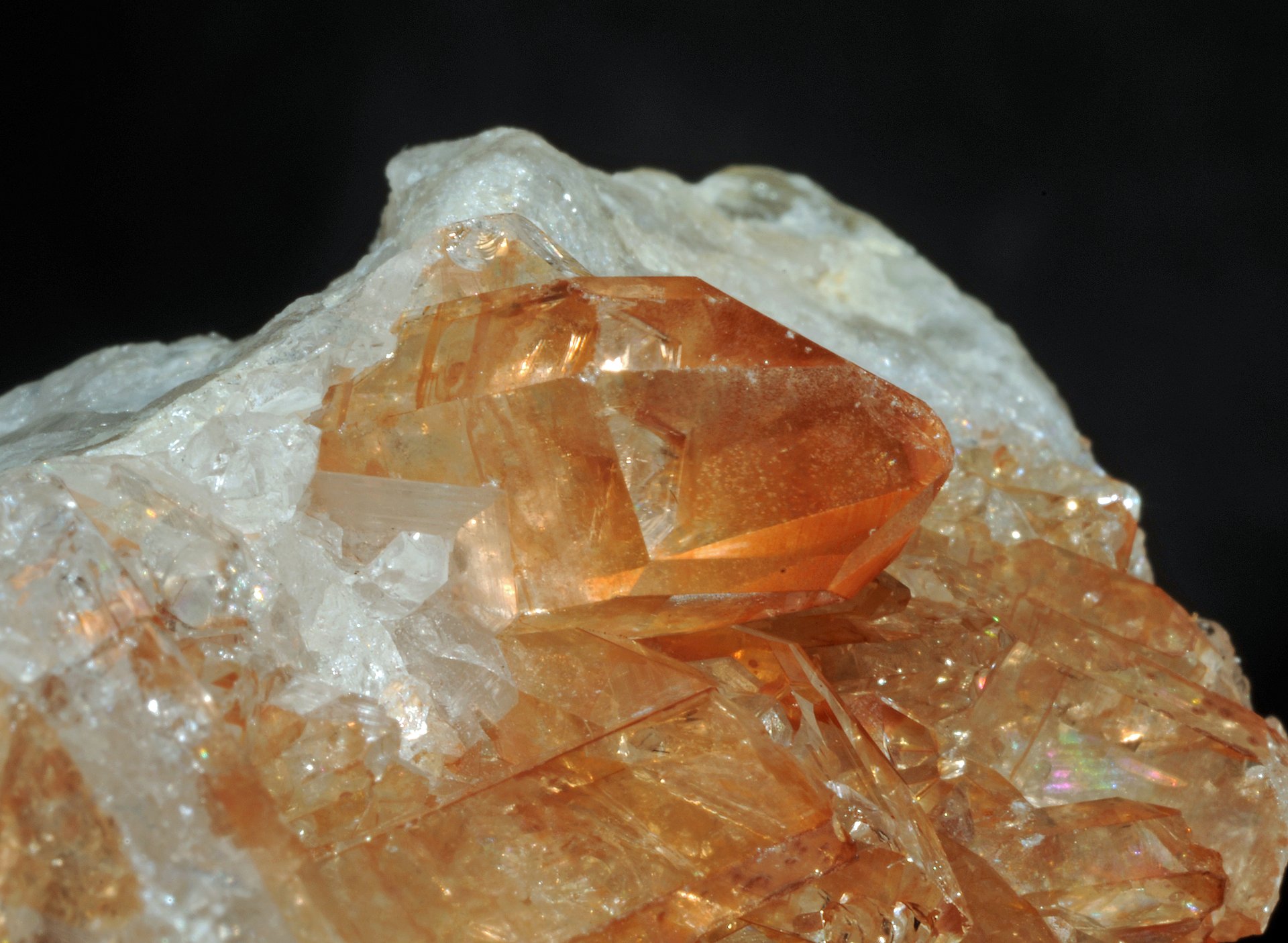
Tangerine Quartz
Tangerine quartz radiates warm citrus-orange energy from a natural iron oxide coating that wraps clear quartz in pure solar warmth.
- The iron oxide coating on tangerine quartz is chemically related to rust - both are forms of iron(III) oxide, Fe2O3, forming when iron-rich water contacts oxygen in geological environments.
- Some tangerine quartz crystals show the iron coating only on the lower portions, suggesting they sat in iron-rich sediment while growing their upper sections in cleaner water.
- The Diamantina district of Brazil - named for its historic diamond mining - also produces tangerine quartz, fluorite, and numerous other minerals in the same geological zone.
- Extended water cleansing can dissolve the surface iron coating of tangerine quartz over time, gradually revealing the clear quartz beneath - this is both a care note and an interesting transformation.
- Tangerine quartz is sometimes called 'solar quartz' in some market traditions, emphasizing its warm, sun-like energy over the fruit analogy.
- Sacral chakra practitioners seeking a warm, energizing orange stone for creativity and passion
- Those recovering from emotional shock, trauma, or disconnection from joy and vitality
- Leo or Aries individuals drawn to solar fire energy in their personal practice
- Anyone wanting a joyful, playful energy that encourages spontaneity and creative expression
- Gift givers wanting a warmly colored, distinctive natural crystal at an accessible price
- Those wanting a deeply saturated fine orange gemstone for jewelry - tangerine quartz's coating is surface-level and not suited to faceted fine jewelry
- Collectors prioritizing mineralogical rarity - it is common quartz with an iron oxide surface
- Anyone who rinses their stones frequently in water - the coating may gradually wash away
What Is Tangerine Quartz?
Tangerine quartz is clear or milky *quartz* (SiO2) whose outer surface is coated with a natural layer of iron oxide - primarily hematite or limonite - deposited during or after the crystal's formation by iron-rich hydrothermal fluids or surface weathering. It rates 7 on the Mohs hardness scale.
The coating ranges from pale peach to vivid tangerine-orange to deep rust, and may be uniformly distributed or patchy depending on the specific geological circumstances of each crystal. The quartz beneath may be completely clear and transparent where the coating is thin.
Unlike strawberry quartz, where iron oxide minerals are included within the crystal body, tangerine quartz's iron oxide is an external coating on the crystal surface. This distinction has practical implications: extended water exposure or abrasive cleaning can gradually wear away the orange coating, revealing the clear quartz beneath.
Natural specimens where the coating was present during some crystal growth stages may have partially internal iron as well.
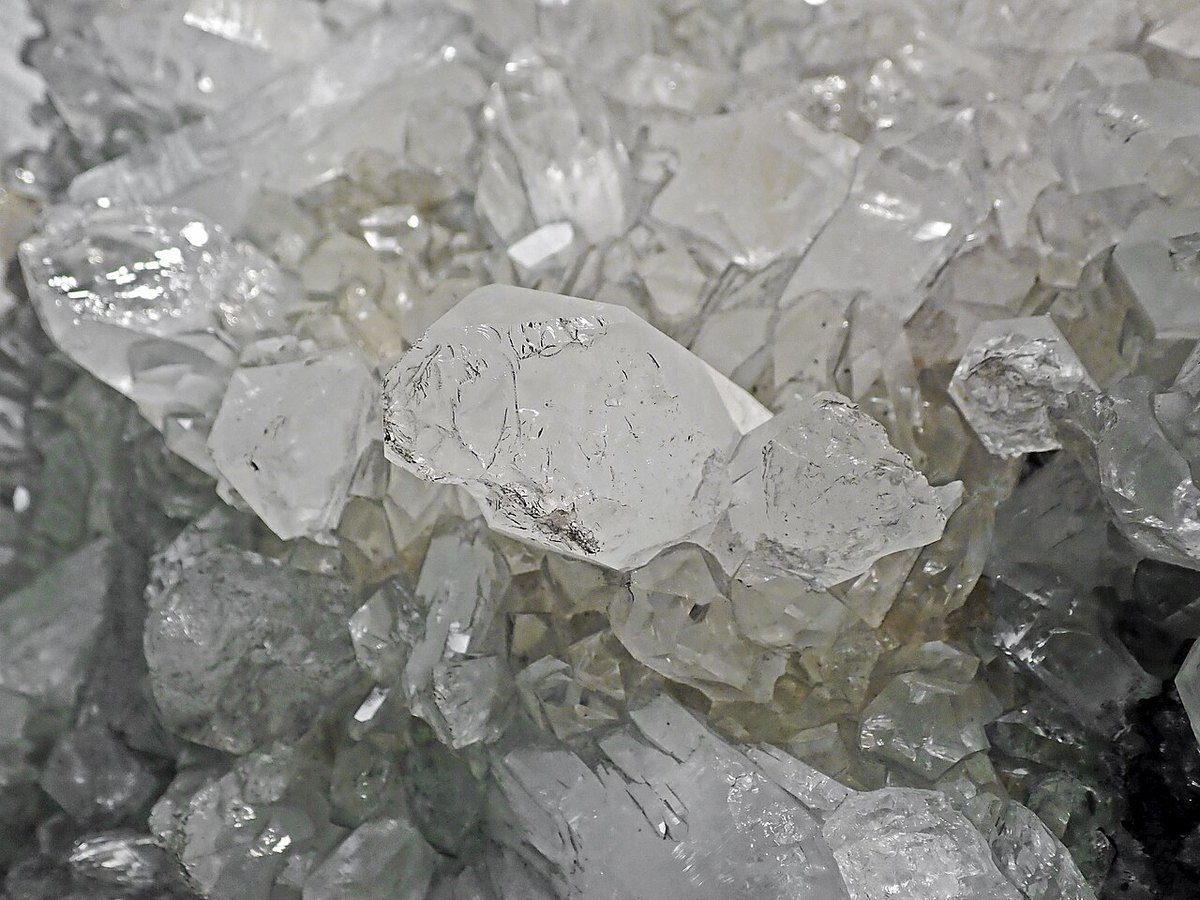
**Primary sources** include the Diamantina district of Minas Gerais, Brazil, where tangerine quartz has been mined for decades alongside the region's famous diamonds and other minerals. Similar material occurs in Madagascar and in parts of the American Southwest.
Hardness is 7 on the Mohs scale for the quartz host, making tangerine quartz durable in display and gentle handling contexts.
How Tangerine Quartz Compares
| Property | Tangerine Quartz | Carnelian | Orange Calcite |
|---|---|---|---|
| Hardness | 7 | 6.5 - 7 | 3 |
| Color Source | Iron oxide coating | Iron-stained chalcedony | Manganese in calcite |
| Price / piece | $ Budget | $ Budget | $ Budget |
| Best For | Sacral energy, display | Courage, motivation | Gentle joy, creativity |
Meaning and Symbolism
Orange has been associated with vitality, creativity, and the life force across many cultural traditions. In Hindu and Buddhist iconography, orange is the color of sacred fire, transformation, and the creative principle - worn by monks as the color of their path.
Tangerine quartz carries these solar, creative associations in a mineral form that combines the amplifying qualities of quartz with the warming, activating properties attributed to orange stones.
In the crystal healing tradition developed through the late 20th century, tangerine quartz became associated specifically with sacral chakra activation and the recovery of joy, playfulness, and creative spontaneity - qualities that can diminish through trauma, long stress, or habitual self-suppression.
Many practitioners describe it as having a 'childlike' quality that reconnects the user to uninhibited creative expression.
**The iron oxide** that gives tangerine quartz its color is also connected in some metaphysical traditions to grounding and physical vitality - iron's association with Mars and with blood-based life force appears in this stone's energetic profile.
The combination of clear quartz amplification with warming iron-orange energy creates what practitioners describe as a joyful, grounded vitality rather than the pure intensity of fire stones like ruby or carnelian.
Historical Timeline
Healing Tradition
Emotional
Practitioners associate tangerine quartz with the reconnection to joy, spontaneity, and creative passion after periods of emotional shutdown, grief, or chronic stress. It is said to gently reawaken the qualities associated with childhood creativity - play, curiosity, and uninhibited expression - that adult responsibility often suppresses.
Many find it supportive during recovery from emotional trauma, particularly where that trauma has resulted in a disconnection from sensory pleasure and physical aliveness. Crystal healing tradition describes its energy as warm, encouraging, and fundamentally optimistic about what is possible.
Spiritual
In spiritual practice, tangerine quartz is linked to the sacral chakra's seat of creative power and the solar plexus's will to manifest. Practitioners believe it supports the alignment of creative vision with inspired action - not just imagining what might be created but feeling the energetic charge that initiates the creative process.
Some traditions associate it with the reclamation of personal will after experiences of powerlessness. Its iron-Mars connection gives it a quality of courageous forward movement that complements its more playful, joyful sacral energy.
Physical
Crystal healing texts associate tangerine quartz with the reproductive organs, lower digestive system, and the physical body's creative and generative systems through the sacral chakra.
Practitioners sometimes use it in layouts over the lower abdomen during practices intended to support reproductive health, creative blockages, or the release of held tension in the lower body. Its warming energy is said to be particularly supportive for those experiencing physical coldness or chronic low energy in the lower body.
These associations are metaphysical and traditional.
Zodiac, Birthstone and Gifts
Leo's solar fire and natural creative confidence resonates with tangerine quartz's warm orange vitality and its association with uninhibited self-expression. The stone's joyful, playful energy mirrors Leo's best qualities and supports the sign when its natural exuberance has been dimmed by external criticism or internal doubt.
Aries benefits from tangerine quartz's Mars-iron connection and its quality of initiating forward creative movement. Libra's Venusian appreciation for beauty finds a warm, accessible orange aesthetic in this stone that complements the sign's natural creativity and relational warmth.
All three fire and air signs benefit from the stone's encouragement of spontaneous, authentic expression over careful, approval-seeking behavior.
Care and Cleansing
**Use water with caution** for tangerine quartz - the iron oxide coating is soluble over repeated or prolonged water contact, and frequent wet cleansing gradually lightens the orange color. Brief rinsing is generally acceptable, but dry the stone immediately and thoroughly after any water contact. Avoid soaking entirely.
Sunlight is safe and symbolically fitting for tangerine quartz's solar associations. A few hours in morning sun on a windowsill both cleanse and energize the stone. Sound cleansing with singing bowls or bells is the ideal alternative for those who want to preserve the coating fully.
Selenite charging plates and dry smudging with sage are equally appropriate and pose no risk to the color.
- DO NOT soak in water or use extended wet cleaning methods - the iron oxide coating gradually dissolves with repeated water exposure.
- DO dry immediately and thoroughly if any water contact occurs.
- DO NOT use salt water or salt scrubs - salt accelerates iron oxide dissolution and may pit the surface.
- DO clean with dry methods (soft brush, dry cloth, sound, moonlight) as the primary routine when possible.
- DO NOT use chemical cleaners, bleach, or acid-based solutions near tangerine quartz.
- NOTE: Gradual lightening of the orange color over time is natural if the stone is regularly water-cleansed.
- DO store in a padded bag away from harder stones to prevent surface scratches.
Real vs Fake
The main authenticity issue with tangerine quartz is dyed stones sold as natural. Dyed quartz with artificial orange color shows uniform saturation throughout the crystal body.
Natural tangerine quartz has the iron coating only on the outer surface - the internal quartz, visible through the coating or at broken surfaces, is clear to milky white. Testing a small, inconspicuous spot with a damp cloth can reveal dye migration in artificial specimens.
Natural iron oxide coatings show organic variation - irregular patches of deeper orange alternating with lighter areas, often more concentrated at the crystal base or in recessed areas. Dyed material tends toward perfectly uniform color distribution that looks too consistent to be natural mineral deposition.
The coating should feel like smooth quartz surface with a slight warm texture from the iron oxide, not like paint or a slick synthetic coating.
**Geographic documentation** helps authenticate natural tangerine quartz. Material from the Diamantina region of Minas Gerais, Brazil, is the most established source. Asking vendors about origin and confirming the natural coating character before purchasing protects against the most common misrepresentation.
Tangerine Quartz Jewelry & Gifts
Tangerine quartz quality is assessed primarily by the richness and evenness of the orange coating and the underlying crystal quality. The most prized specimens show a vivid tangerine-orange coating on well-formed quartz points with some underlying transparency visible.
Raw crystal points with defined terminations and good coating coverage are the most valued form for collectors; tumbled stones are more affordable and popular for general crystal healing use.
Prices are accessible for this variety - small tumbled pieces sell for $8 to $20; quality raw points range from $15 to $60; larger statement specimens with excellent orange coverage and crystal form can reach $100 to $200.
As with all orange iron-oxide quartz, confirm natural coating versus dyed material before purchasing at the higher end of this range.
**Buy from dealers who specialize in natural Brazilian minerals** rather than general crystal shops where provenance documentation is less likely. Gem show purchasing typically provides better value and more knowledgeable sellers who can describe the coating's natural versus treated status with confidence.
Where to Buy Tangerine Quartz
Affiliate disclosure: Some links below earn us a small commission at no extra cost to you. See our affiliate disclosure page.
Handmade, raw, and tumbled pieces from independent sellers worldwide.
Shop Tangerine Quartz on Etsy →Accessories, tools, and specimen sets with fast Prime delivery.
Shop Tangerine Quartz on Amazon →Certified loose gemstones graded and photographed for online buyers.
Shop Tangerine Quartz on GemSelect →Pairs Well With




Where Tangerine Quartz Is Found


