Zoisite
The Mineral Behind Tanzanite, Thulite, and Anyolite
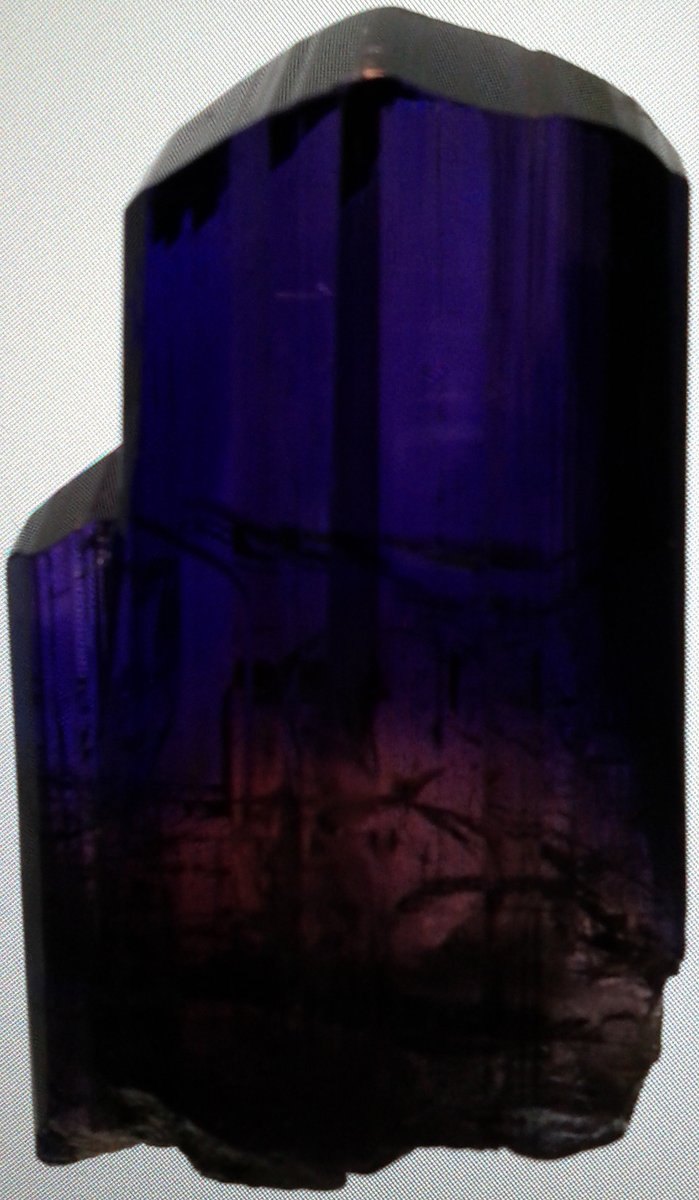
- Tanzanite, one of the world’s most valuable gems, is simply blue-violet zoisite - the same mineral as common green zoisite.
- Zoisite was named after Baron Sigmund Zois, a Slovenian nobleman and mineral collector who helped finance scientific research.
- The same geological event - the formation of the East African Rift - created both tanzanite and ruby-zoisite in Tanzania.
- Anyolite (ruby-zoisite) combines three minerals - green zoisite, red ruby, and black hornblende - in a single striking rock.
- Zoisite’s orthorhombic crystal system gives it perfect cleavage in one direction, making it tricky for lapidaries to cut without chipping.
- Collectors wanting geological significance - Zoisite is the parent mineral of tanzanite, thulite, and anyolite - owning it connects you to a remarkable mineral family.
- Green gemstone enthusiasts on a budget - Plain green zoisite offers attractive color at far lower cost than emerald or tsavorite.
- Crystal workers exploring grounding earth energy - Green zoisite is traditionally associated with growth, vitality, and connection to nature.
- Lapidaries seeking carving material - Massive green zoisite cuts and carves well for cabochons and decorative objects.
- Those curious about mineralogy - Understanding zoisite means understanding how heat and pressure transform the same mineral into utterly different gems.
- Those wanting a single distinctive gem identity - Plain green zoisite is often overshadowed by its famous varieties (tanzanite, thulite).
- Buyers needing high brilliance - Green zoisite is typically opaque or translucent, not brilliantly facetable.
- Those seeking rare collector specimens - Common green zoisite is widely available and does not carry rarity premium.
What Is Zoisite?
Zoisite is a calcium aluminum sorosilicate mineral that forms a remarkable family of gemstone varieties. Its best-known members - tanzanite, thulite, and ruby-zoisite (anyolite) - each display dramatically different colors depending on trace elements and metamorphic conditions. It rates 6 to 7 Mohs on the Mohs hardness scale.
Green zoisite, sometimes called anyolite in its ruby-bearing form, was first scientifically described in 1805 by Abraham Gottlob Werner, who named it after Slovenian nobleman Baron Sigmund Zois. Austria’s Saualpe mountains provided the original type specimens.
The mineral forms in metamorphic and hydrothermal environments, growing as prismatic orthorhombic crystals or massive aggregates. Its wide color range - from colorless through yellow, green, gray, pink, and blue - reflects the variety of trace elements that can substitute into its structure.
Zoisite Varieties Compared
| Feature | Green Zoisite | Tanzanite | Thulite | Ruby-Zoisite |
|---|---|---|---|---|
| Color | Green to gray | Blue-violet | Pink to rose | Green + red + black |
| Transparency | Opaque to translucent | Transparent | Opaque | Opaque |
| Coloring Agent | Iron | Vanadium/titanium | Manganese | Multiple |
| Primary Origin | Austria, India | Tanzania | Norway | Tanzania |
| Typical Use | Cabochons, carvings | Faceted gems | Cabochons, carvings | Carvings, decor |
| Price Range | $ Budget | $$$ Premium | $ Budget | $ Budget |
Meaning and Symbolism
Green zoisite is traditionally associated with growth, vitality, and the regenerative forces of nature. Practitioners believe it carries the energy of fertile earth - patient, steady, and deeply supportive of long-term development and personal transformation.
In crystal working traditions, zoisite is said to help individuals reconnect with their authentic selves after periods of external pressure or conformity. It is associated with the courage to grow organically rather than performing a version of oneself shaped by others’ expectations.
Some practitioners associate zoisite with the transmutation of negative patterns - mirroring the geological reality that heat and pressure transform the same mineral into radically different, beautiful forms. This makes it a meaningful symbol of personal alchemy.
Historical Timeline
Healing Tradition
Emotional
Practitioners believe green zoisite supports emotional resilience and the ability to grow through challenging circumstances. It is said to encourage patience with one’s own developmental process, releasing the pressure to transform faster than is natural. Crystal workers associate it with reconnecting to authentic emotions after periods of numbness or social performance.
It is traditionally linked to the energy of renewal - the slow, steady return of vitality after depletion.
Spiritual
Green zoisite is associated in energy work with the heart chakra and the root chakra simultaneously, grounding spiritual intentions in practical reality. Practitioners traditionally link it to the archetype of the gardener - one who tends growth with patience, trust, and consistent care.
Some workers use it in manifestation practices, placing it on altars to symbolize seeds of intention growing steadily toward fruition.
Physical
Crystal healing traditions associate green zoisite with the immune and reproductive systems, linking its vitality symbolism to physical regeneration and recovery. Some practitioners place it near areas of the body associated with fatigue or depletion during relaxation exercises.
These are folk associations, not medical claims, and professional healthcare should always be sought for health concerns.
Zodiac, Birthstone and Gifts
Aries is associated with dynamic growth and the courage to initiate new beginnings - qualities that resonate with zoisite’s traditional symbolism of vitality and transformation. Crystal workers often recommend it to Aries individuals working on patience and sustainable growth.
Gemini’s adaptability and intellectual curiosity align with zoisite’s remarkable capacity to transform into entirely different gems. The stone is said to encourage Geminis to explore their own multifaceted nature with acceptance and wonder.
Care and Cleansing
Cleanse green zoisite by rinsing briefly under cool running water, then drying immediately with a soft cloth. Its moderate hardness makes it physically durable for water cleansing, unlike some softer relatives.
Earth burial is a traditional cleansing method well-suited to zoisite’s earth-energy associations. Wrap the stone in a natural cloth and bury it shallowly in clean soil for 24 hours, then brush clean.
Sound cleansing with a Tibetan bowl or tuning fork effectively clears accumulated energy without any physical risk to the stone. Allow the vibrations to wash over the zoisite for several minutes with a clear intention of renewal.
- DO clean with a soft, damp cloth and mild soap, rinsing briefly and drying thoroughly.
- DO store zoisite separately from harder minerals to prevent surface scratching.
- DO NOT use steam cleaners, which can cause thermal shock and exploit zoisite’s cleavage planes.
- DO NOT expose tanzanite variety to prolonged direct sunlight - its color may fade over time.
- NOTE: Zoisite has perfect cleavage in one direction - avoid sharp impacts that could cause splitting.
Where to Buy Zoisite
Affiliate disclosure: Some links below earn us a small commission at no extra cost to you. See our affiliate disclosure page.
Handmade, raw, and tumbled pieces from independent sellers worldwide.
Shop Zoisite on Etsy →Accessories, tools, and specimen sets with fast Prime delivery.
Shop Zoisite on Amazon →Certified loose gemstones graded and photographed for online buyers.
Shop Zoisite on GemSelect →Pairs Well With


Where Zoisite Is Found


