
Australian Opal
Australia's red earth hides the world's most spectacular play-of-color gemstones - from Lightning Ridge black opals to Coober Pedy crystal.
- Lightning Ridge black opal is so rare that the entire deposit is estimated to be smaller than a football field, making each significant black opal specimen genuinely irreplaceable.
- Opal contains 3-20% water by weight. This water content is what causes crazing (cracking) when opal dries out too quickly in arid conditions or under heat.
- The word opal comes from the Sanskrit upala meaning precious stone, through Greek opallios, reflecting opal's ancient global trade history predating modern gemology.
- Australia's Coober Pedy is so hot that most of the 3,500 residents live in underground dugouts carved into the opal-bearing sandstone, making it one of the world's most unusual communities.
- The Virgin Rainbow - a complete crystal opal fish fossil - was discovered at Coober Pedy in 2003 and is considered the world's most valuable opal, estimated at $1 million and displayed at the South Australian Museum.
- Collectors seeking the world's most spectacular play-of-color gemstones
- October birthstone buyers who want genuine natural opal
- Artistic jewelry designers working with nature's most complex optical effects
- Spiritual practitioners drawn to opal's traditional amplifying energy
- Connoisseurs who understand that each opal is literally unique
- Daily-wear ring buyers (opal's low hardness makes it unsuitable without protective settings)
- Budget buyers (consider lab opal or crystal opal for accessible price points)
- Buyers who want a stable, unchanging gemstone (opal can craze if dried out)
What Is Australian Opal?
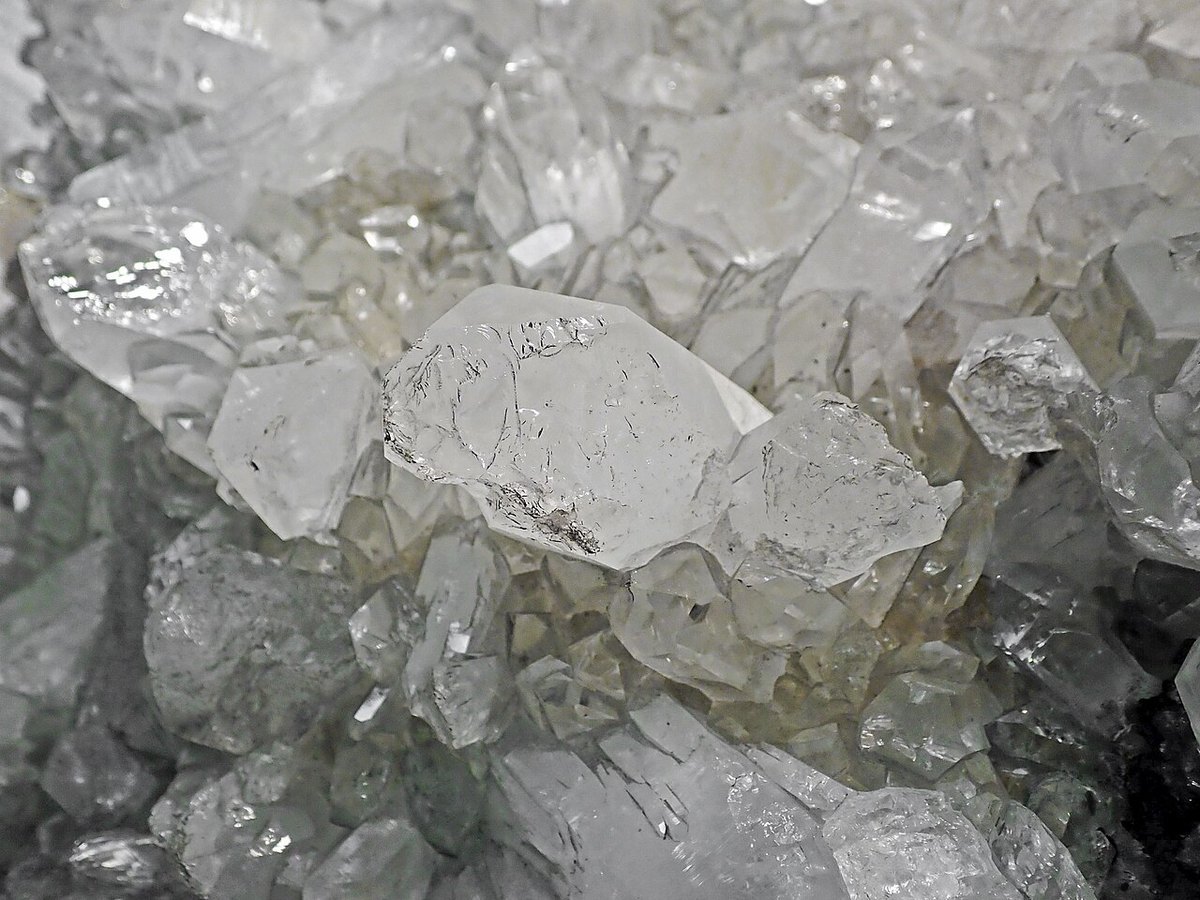
Australian opal is amorphous hydrated silica (SiO2 nH2O) formed when silica-rich water seeped into cracks and cavities in sedimentary rock 65-100 million years ago. Australia produces approximately 95% of the world's gem-quality opal from three main regions: Lightning Ridge (black opal), Coober Pedy (white and crystal opal), and Queensland (boulder opal).
Opal's play-of-color - the rainbow flashes that change with viewing angle - is caused by diffraction of light through regular arrangements of silica spheres. Sphere size determines which colors appear: smaller spheres produce blue and green; larger spheres produce red and orange. The rarest and most valuable opals show red play-of-color.
Black opal from Lightning Ridge has a dark body tone that makes play-of-color appear more vivid against a dark background. White (light) opal has a pale body tone. Boulder opal forms within ironstone host rock that is left attached.
Crystal opal is transparent to semi-transparent with color fire visible through the body of the stone.
How Australian Opal Compares
| Property | Black Opal (AU) | White Opal (AU) | Ethiopian Opal |
|---|---|---|---|
| Play-of-color | Most vivid (dark base) | Subtle on white base | Vivid, often hydrophane |
| Price/ct | $$ Mid-range | $ Budget | $ Budget |
| Durability | 5.5-6.5 | 5.5-6.5 | 5.5-6.5 |
| Best For | Investment, collectors | Fashion, birthstone | Affordable vivid color |
Meaning and Symbolism
Ancient Romans considered opal the most precious of all gems because it contained the colors of every other stone. Aboriginal Australians have their own deep spiritual relationship with opal - the Dreamtime story describes the Creator coming to Earth on a rainbow.
Where his foot touched the ground, the stones came alive with rainbow fire.
Practitioners believe opal is the ultimate amplifier stone - said to intensify whatever emotional and energetic state the wearer brings to it. This is why some crystal traditions caution against opal during periods of emotional instability.
The saying goes that opal magnifies emotions rather than directing them, making intention and awareness important when working with it.
Australian opal is said to carry the ancient wisdom of the earth alongside spontaneous creativity, emotional flexibility, and the courage to express one's full authentic spectrum - mirroring opal's own ability to display every color simultaneously.
Historical Timeline
Healing Tradition
Emotional
Opal is said to be the most emotionally reflective of all gemstones, with practitioners believing it amplifies and surfaces emotions that have been suppressed or denied.
This makes it a powerful but demanding stone for emotional healing work - it does not direct energy toward particular outcomes but rather makes visible what was previously hidden.
Australian opal in particular is said to carry ancient earth wisdom from one of the oldest geological formations on the planet, giving it a particular resonance with deep patterns and long-held emotional stories.
Crystal healing traditions recommend opal for those ready to look honestly at their emotional life and willing to work with what they find.
Spiritual
Practitioners believe Australian opal activates the crown chakra and all chakras simultaneously, described as a full-spectrum spiritual experience. It is said to enhance creativity, spontaneity, and the ability to perceive multiple perspectives at once - mirroring its optical play-of-color.
Aboriginal Dreamtime connections give Australian opal a unique spiritual depth in the eyes of practitioners who honor the stone's cultural context, believing it carries an ancient connection to the land and the stories held within it. Opal is said to be particularly supportive during shamanic and visionary practices.
Physical
In crystal healing traditions, opal is said to support kidney health, fever management, and the regulation of water in the body - reflecting its high water content as a mineral. None of these claims have medical support and opal should never replace professional medical care.
Some practitioners work with opal during practices focused on emotional clearing, believing the stone's amplifying energy helps surface and release what the psyche is ready to let go of. As with all crystal healing, individual experiences vary and these are wellness rituals, not medical treatments.
Zodiac, Birthstone and Gifts
Libra, whose Venus-ruled nature seeks balance and appreciates beauty in all its forms, finds opal's multi-hued spectrum a perfect expression of their own complex, multi-faceted character. Practitioners believe opal amplifies Libra's natural gift for perceiving multiple perspectives.
Scorpio, drawn to depth and authenticity, resonates with opal's traditional amplifying qualities - it surfaces what is hidden, which aligns with Scorpio's mission of uncovering truth.
Cancer, whose water-element nature and emotional depth harmonize naturally with opal's water content and emotional amplifying properties, is said by practitioners to find deep resonance with opal's healing gifts.
Care and Cleansing
Cleanse Australian opal very gently - a slightly damp soft cloth is safest for physical cleaning. Avoid prolonged water immersion, salt water, and any chemical cleaners as these can damage the stone's water content and surface.
Energetic cleansing options for opal: moonlight is ideal given opal's water element association. Place it on a windowsill under the full moon away from strong heat sources. Sound cleansing with a singing bowl is also safe and effective.
Avoid smudge smoke directly on opal as the heat and smoke particulates can damage the surface. Energetically cleanse the space around opal rather than the stone directly if using smoke methods.
- DO NOT place Australian opal in ultrasonic cleaners - vibration can cause crazing and worsening of existing fractures.
- DO NOT expose to extreme heat, direct sun for long periods, or rapid temperature changes - opal's water content makes it vulnerable to thermal shock.
- DO store opal away from dry climates or in a sealed bag with a slightly damp cloth in arid environments to prevent dehydration and crazing.
- NOTE doublet and triplet opals (thin opal slices bonded to backing) are not as valuable as solid opals but are commonly sold. Always ask if the stone is solid, doublet, or triplet.
- DO NOT use steam cleaners, chemicals, or ammonia - even mild detergents can affect opal's delicate surface and water content.
Real vs Fake
Opal simulants include glass, plastic, and synthetic opal (Gilson opal). Genuine opal under magnification shows a distinctive pattern of play-of-color sometimes called the snakeskin or straw pattern. Gilson synthetic opal shows a very regular, geometric mosaic pattern that lacks the irregular organic quality of natural opal.
Doublets and triplets: an opal doublet is a thin slice of natural opal glued to a dark backing. A triplet adds a quartz or glass dome on top. Both are legitimate if disclosed but worth significantly less than solid opal. Check the girdle edge with a loupe for bonding lines.
Body tone classification matters: N1-N4 are black opal; N5-N6 are dark opal; N7-N9 are light (white) opal. These designations affect value significantly. Ask sellers to identify body tone and verify with an independent assessment.
The refractive index of opal (1.37-1.47) can be measured with a refractometer. Glass typically reads higher (1.50+). However, given opal's amorphous structure, RI testing is less reliable than for crystalline gems.
Ethiopian opal is frequently offered as Australian - a meaningful fraud since fine Lightning Ridge black opal commands far higher prices. Origin certificates from reputable Australian dealers or gemological reports are the reliable way to confirm Australian provenance.
Australian Opal Jewelry & Gifts
Australian opal pricing spans an enormous range: white opal from Coober Pedy starts around $10-50 per carat for commercial quality, while fine Lightning Ridge black opal can reach $15,000+ per carat for exceptional play-of-color specimens.
The play-of-color pattern is the primary value driver: large, bright patches of red fire are the most valuable, followed by orange, yellow, green, and blue. Red-dominant play-of-color in a black opal is the pinnacle of the market.
Body tone matters: darker body tones (N1-N4) make play-of-color more vivid and command higher prices. Crystal opal with high transparency and vivid internal fire occupies a special premium category.
Always verify if a stone is solid, doublet, or triplet. Solids are most valuable. Doublets are legitimate fashion choices at lower prices but should never be misrepresented as solid. Triplets are the least durable.
For fine investment-grade material, purchase from Lightning Ridge dealers with Origin documentation or gemological reports. Australian opal shows are held annually at Coober Pedy and Lightning Ridge and provide excellent direct-from-source buying opportunities.
Where to Buy Australian Opal
Affiliate disclosure: Some links below earn us a small commission at no extra cost to you. See our affiliate disclosure page.
Handmade, raw, and tumbled pieces from independent sellers worldwide.
Shop Australian Opal on Etsy →Accessories, tools, and specimen sets with fast Prime delivery.
Shop Australian Opal on Amazon →Certified loose gemstones graded and photographed for online buyers.
Shop Australian Opal on GemSelect →Pairs Well With



Where Australian Opal Is Found
